Timothée Chalamet, Opera, Ballet and the Night the Oscars Turned the Spotlight on Him.
By: Amaya Perera
In Hollywood, controversy rarely arrives quietly. For Timothée Chalamet, the months leading up to the 2026 Academy Awards were meant to be triumphant. The actor, still only thirty but already one of the most recognisable stars of his generation, had delivered a critically acclaimed performance in Marty Supreme and entered the awards season as a strong contender for Best Actor. Instead, the Oscars became the stage for a different narrative. A single offhand remark about opera and ballet triggered a cultural debate that rippled through the arts world and culminated in an evening where Chalamet found himself the unexpected punchline of the ceremony.
The Remark That Started It All
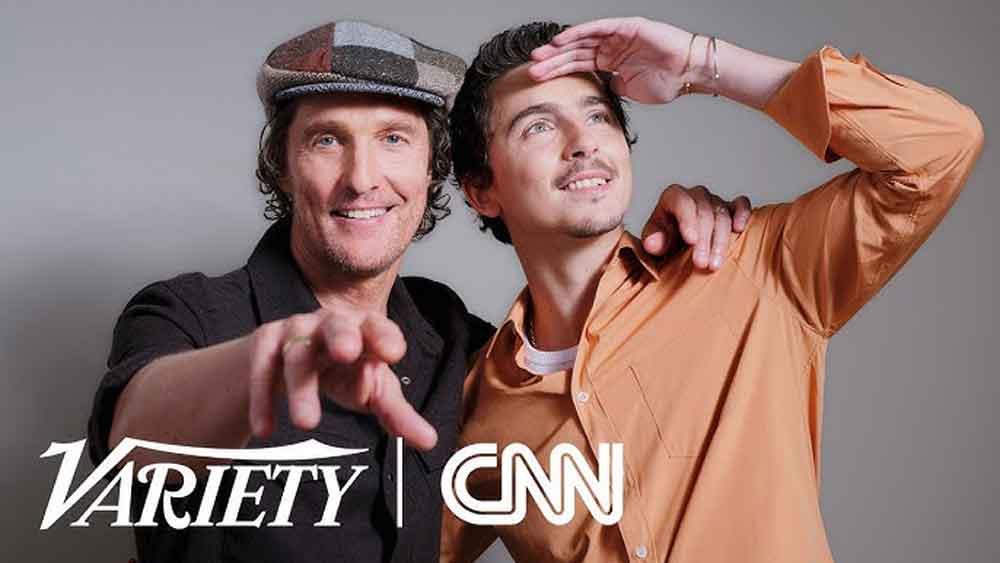
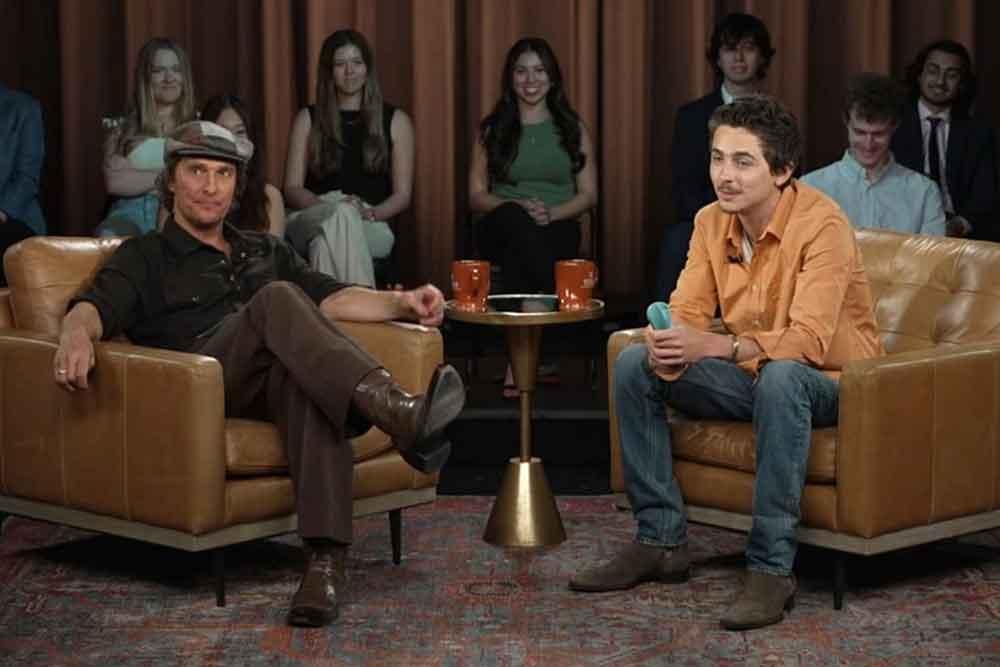
The controversy began in February 2026 during a town hall conversation hosted by Variety and CNN at the University of Texas, where Chalamet appeared alongside Matthew McConaughey. The discussion centred on the future of cinema and the challenges faced by movie theatres in an era dominated by streaming platforms. While reflecting on the struggle to keep certain cultural formats alive, Chalamet made a remark that would quickly spread across social media. He suggested that audiences ultimately decide what survives in the arts, arguing that if people truly want to see something they will show up for it, citing blockbuster films such as Barbie and Oppenheimer as examples of cultural events that drew audiences without persuasion.
Then came the line that ignited the backlash.
Chalamet said he did not want to work in fields such as ballet or opera where people were constantly trying to “keep this thing alive,” adding that “no one cares about this anymore.” He attempted to soften the comment immediately afterwards, adding that he had “all respect to the ballet and opera people out there,” and joking that he had “lost 14 cents in viewership.”
But by then the damage was done.
Backlash from the Arts World
Within days, performers and institutions associated with the two art forms responded. Ballet dancers, opera singers and cultural organisations challenged the notion that these centuries old traditions were fading irrelevance. Ballerina Misty Copeland, one of the most influential figures in modern ballet, emphasised that the performing arts exist within a broader cultural ecosystem and cannot simply be measured by popularity. She noted that theatre, ballet and opera helped shape the traditions from which modern acting and filmmaking emerged. Opera houses also joined the conversation with a mix of criticism and humour. Some institutions responded on social media by celebrating their productions and inviting audiences to experience them firsthand. Television personalities weighed in as well. On the American talk show The View, Whoopi Goldberg criticised Chalamet’s remarks, arguing that dismissing another artistic medium undermines the shared respect that should exist between different branches of the arts. Ironically, the criticism drew attention to opera and ballet far beyond their usual audiences. What might have been a fleeting comment became an international debate about cultural value and artistic longevity.
The Oscars Monologue
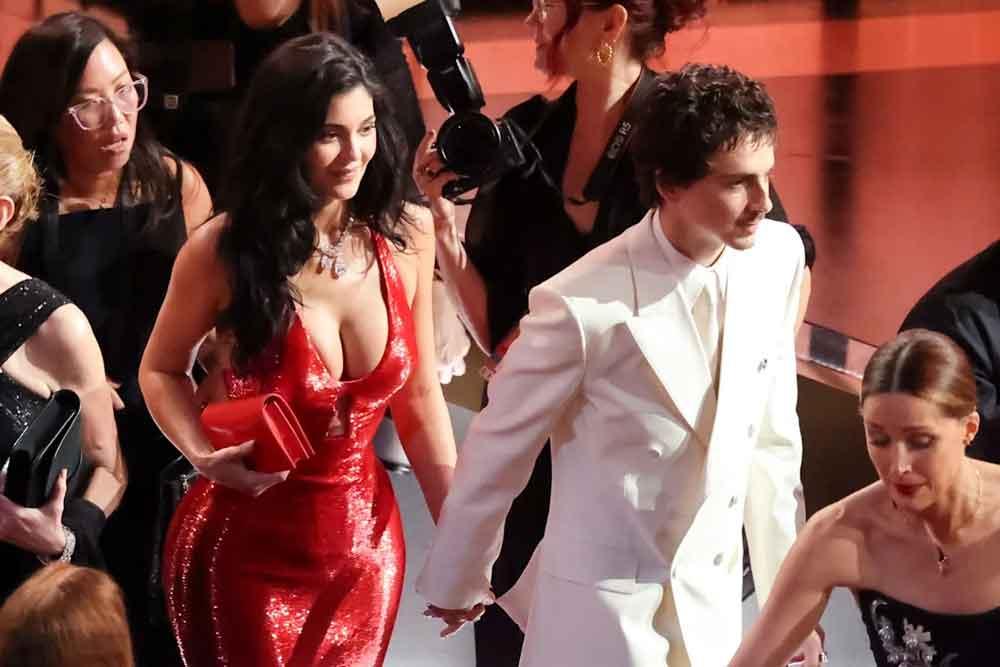
By the time the Academy Awards arrived in March, the controversy had become a running joke in entertainment circles. Host Conan O’Brien wasted little time addressing it. During the opening monologue he joked that security at the ceremony had been tightened due to fears of attacks from “both the opera and ballet communities.” Then he delivered the line that sent the Dolby Theatre into laughter. “They’re just mad you left out jazz,” O’Brien quipped. Chalamet, seated in the front row with Kylie Jenner, reportedly laughed along with the audience, though the joke established the tone for the evening.
Later in the ceremony O’Brien returned to the subject, teasing the actor again while referencing a scene from Marty Supreme during another comedic segment. In typical Oscar fashion, once a joke lands successfully it tends to echo throughout the broadcast. And on this particular night, Chalamet’s comment had become Hollywood’s favourite punchline.
A Night of Gentle Roasting
The Oscars have always thrived on a certain degree of playful humiliation. From Jack Nicholson’s sunglasses to Leonardo DiCaprio’s long wait for a trophy, the ceremony has a tradition of turning its brightest stars into comic material. Chalamet simply became the latest subject of that tradition. Several presenters and commentators made passing references to the opera and ballet controversy throughout the evening. Even acceptance speeches carried subtle nods to the debate, with some speakers defending the enduring importance of classical performance. The atmosphere never turned openly hostile, but it was clear that the entertainment industry had decided to respond to the remark with humour rather than outrage.
The Walk Out Rumour
As the jokes accumulated, rumours began circulating that Chalamet and Jenner had briefly left the ceremony. Reports later suggested that the pair stepped out for around an hour during the broadcast before returning in time for the major acting awards. Whether the departure was prompted by discomfort or simply a break from the ceremony remains unclear. Still, the story added another layer to an evening that had already become one of the most talked about Oscar nights in recent memory.
The Award That Was Not Won
The night ended with Chalamet losing the Best Actor Oscar to Michael B. Jordan for his performance in Sinners. Some observers speculated that the controversy surrounding the opera and ballet comment might have affected his chances, though voting had largely concluded before the backlash gained momentum. More likely, the result reflected a familiar Academy pattern. Young male stars often wait years before receiving their first Oscar, even when widely admired. Actors such as Leonardo DiCaprio and Bradley Cooper built long careers of acclaimed performances before finally winning the award. Chalamet, still at the beginning of his thirties, has plenty of time to follow the same path.
A Cultural Debate Beyond Hollywood
What made the episode particularly intriguing was the way it expanded beyond the usual boundaries of celebrity gossip.
Chalamet’s comment triggered a genuine discussion about the relevance of traditional art forms in the twenty first century. Ballet and opera, though less visible in mainstream pop culture than film or streaming television, remain powerful cultural institutions with centuries of history behind them. Opera dates back to the early seventeenth century and ballet even further. Both disciplines shaped the development of modern theatre, music and storytelling. Critics argued that dismissing them as obsolete overlooked their continuing influence and the dedication of audiences who still fill theatres around the world. At the same time, the debate highlighted an uncomfortable truth about the modern entertainment economy. Popularity today is often measured in digital metrics such as streaming numbers and box office revenue. In that environment, art forms rooted in live performance inevitably appear less dominant.
Chalamet’s Response
For his part, Chalamet largely treated the situation with humour. During the Oscars broadcast he appeared to laugh at the jokes directed at him, acknowledging the moment rather than resisting it. Friends and collaborators later defended the actor, suggesting that the comment had been misinterpreted and that he had never intended to diminish the cultural significance of ballet or opera. Indeed, Chalamet himself comes from a family with deep connections to dance. His mother and sister both performed with the New York City Ballet, a fact that made the remark seem even more surprising to critics. If anything, the episode may serve as a reminder of how easily casual remarks can take on unexpected meaning in the age of viral media.
The Strange Power of the Oscars
Ultimately the controversy demonstrated one of the Academy Awards’ enduring qualities. The ceremony is not merely a celebration of film but also a cultural spectacle where Hollywood processes its own narratives in real time. Sometimes those narratives revolve around the films themselves. Other times they revolve around the personalities behind them. In 2026 the story was not just about who won or lost but about the relationship between modern celebrity culture and the wider world of the arts.
The Aftermath
After the ceremony Chalamet attended the Vanity Fair Oscar party, where he kept a relatively low profile despite the intense attention surrounding him. In the days that followed, the controversy began to fade, replaced by the endless churn of new entertainment news. Yet the episode may linger as a curious footnote in Chalamet’s career. Not because of the jokes themselves but because they sparked an unexpectedly thoughtful conversation about artistic value. In an industry that thrives on spectacle, it is rare for a moment of humour to trigger a serious debate about culture. And perhaps that is the real irony of the entire affair. A remark suggesting that people no longer care about opera and ballet ended up reminding the world exactly why those art forms still matter.