The Wave We Started

By: Damintha Gunasekera
On Monday (20th) in New Delhi, the day began with canes and ended with a minister's meeting. By Tuesday it had flared again. That indecision is the story.
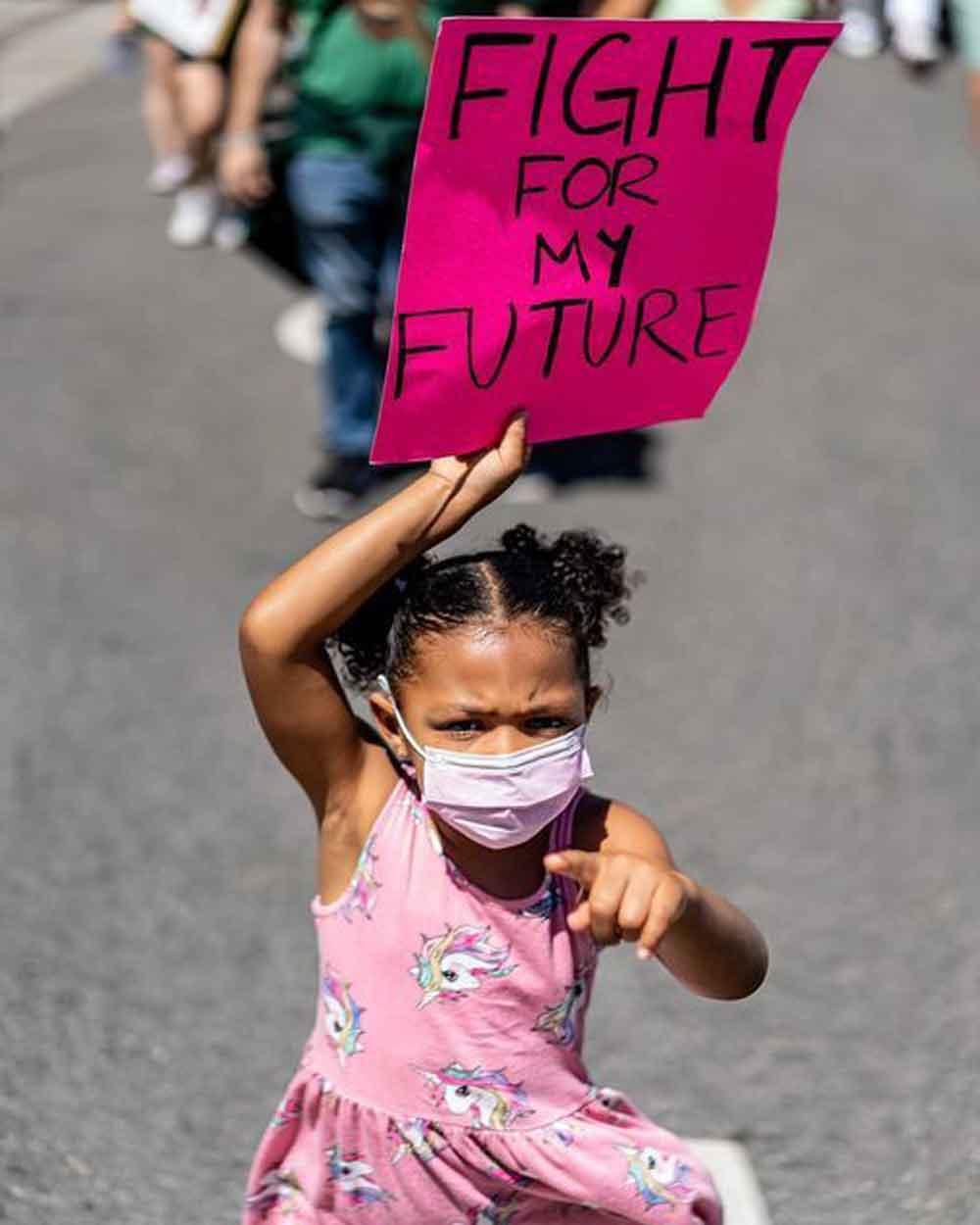
On the opening morning of India's Monsoon parliamentary session, authorities cut mobile internet, closed metro stations and barricaded the roads against their own students. Thousands of young people, camped for weeks at Jantar Mantar under the banner of a party named after an insult, tried to march on Parliament anyway. Police met them with lathis and tear gas. And then, within hours, a delegation from the movement was sitting across from a senior union minister, the first such meeting since their sit-in began, with the government promising to consider their demands. Force in the morning, negotiation by evening, and confrontation again the next day. A state that cannot decide whether to crush a movement or talk to it has already told you the movement is winning.
The movement is called the Cockroach Janta Party, and the name is the story. After a Supreme Court judge described India's youth as cockroaches, the protesters took the insult and built a banner from it. They demand the resignation of the education minister over a leaked medical entrance paper that forced two million students to re-sit an exam, a scandal linked to the deaths by suicide of around a dozen young people. When police forcibly moved the hunger-striking activist Sonam Wangchuk to hospital on day 21 of his fast, the movement did not shrink. It swelled. International media now describe it as the biggest public challenge Narendra Modi has faced in his third term.
Most Sri Lankans are not following this story. We should be, because we have seen this film before. We premiered it.
Look at the last four years in this region and a pattern emerges that almost nobody is naming. In 2022, Sri Lanka's Aragalaya filled Galle Face and ended the most entrenched political dynasty in our history. In 2024, Bangladesh's students rose against Sheikh Hasina's fifteen-year rule; she fled, and protesters stormed parliament and her residence. In September 2025, Nepal's Gen Z uprising, sparked by corruption and a social media ban, turned violent, burned the parliament building, and brought down the government of K.P. Sharma Oli. Then Nepal did something remarkable. Six months later, it voted and elected Balen Shah, a 35-year-old structural engineer and former rapper, as the youngest prime minister in its history, his party taking 182 of 275 seats, the largest mandate since Nepali democracy began. Shah defeated Oli, a four-time prime minister, in Oli's own constituency, by fifty thousand votes. He took his oath in the presidential building that protesters had burned during the uprising that made him possible.
And revolution does not always need a burning building. In May, Tamil Nadu, our nearest neighbour, threw out both parties that had governed it for over five decades and handed power to a party contesting its first election. Different method, same message. The young of South Asia have stopped waiting their turn.

The pattern under the pattern
It is tempting to treat these as separate national dramas, and the differences are real: exam corruption in India, a social media ban in Nepal, job quotas in Bangladesh, economic collapse here, a simple ballot in Tamil Nadu. But what the movements share is more fundamental than what separates them. Every one of these countries is demographically young and politically old. Every movement organized on platforms the ruling generation barely understood, which is why banning social media became a trigger in Kathmandu rather than a solution. And everyone began with a specific grievance and escalated into the same underlying demand: the people running this country do not live in the same country we do. That is not five stories. It is one story arriving in five places at different speeds.
When the old guard tries to climb aboard
Watch what happened next in Delhi, because this is the part Sri Lankans have seen before. By Tuesday, the movement had grown too large to ignore, and the established players arrived. Opposition leader Rahul Gandhi and dozens of Congress MPs staged a sit-in outside the Prime Minister's residence, some binding their own wrists with zip ties, until police removed them by force and detained him for hours. Uddhav Thackeray came to Jantar Mantar. Arvind Kejriwal came. Film and television figures began attaching their names to the cause, in an industry where silence has long been the commercially safe choice. When the cameras of an entire film industry change sides, the risk has shifted, and everyone in public life can feel it.
But notice what the movement itself did with all this attention. Its founder, asked about the political heavyweights arriving at his doorstep, repeated the single demand he began with: the education minister resigns, nothing else on the table. The wave was polite to its new friends and refused to be absorbed by them.
We know this dance intimately. At Galle Face, the crowd was fiercely protective of the fact that it belonged to no party. Established opposition figures who tried to plant their flag on the Aragalaya were met not with gratitude but with suspicion, and some were heckled away from a movement that did not want to become their vehicle. The instinct is the same across the region: these uprisings guard their independence more jealously than any single demand, because the moment a familiar party captures them, they become just another turn of the old wheel.
That instinct is right, and it carries a warning the young movements do not always want to hear. Refusing to be captured is not the same as being able to govern. A wave can win the square and still lose the decade if it has no credible people ready to run a treasury, negotiate with creditors, and turn a slogan into a budget. Nepal's answer was to produce a candidate and win an election. That is the harder, less romantic second act, and it is the one that actually changes a country. The crowd that guards its purity but never builds the bench wins the argument and loses the country.
What Colombo knows that Delhi does not, yet
Here is where Sri Lanka's position in this wave becomes interesting, and I say this as someone who watched the Aragalaya's aftermath from inside the political system rather than from the crowd. We are not just the first domino. We are the furthest along the cycle. India is at the protest stage. Nepal is in the honeymoon stage, months into an outsider government carrying impossible expectations. Sri Lanka is years further down the road: we had the uprising, then the election that completed it, and we now have the lived experience of what happens when the wave's government meets the machinery of an unreformed state, an IMF programme, and the arithmetic of a budget. The verdict on that experience belongs to each voter, and this column is not here to deliver one. The point is that we possess something the rest of the region is only beginning to need: data on the morning after.
We spent decades exporting tea and labour. We have also, more often than we remember, exported political precedent. In 1931 this island became the first place in Asia where every adult could vote, nineteen years before independent India held its first election. In 1960 we gave the world its first woman prime minister. In 1977 we opened our economy while the rest of the region waited another decade or more. And in 2022, at Galle Face, we showed South Asia's young what a peaceful uprising could do. First is an old Sri Lankan habit. We rarely notice while it is happening.
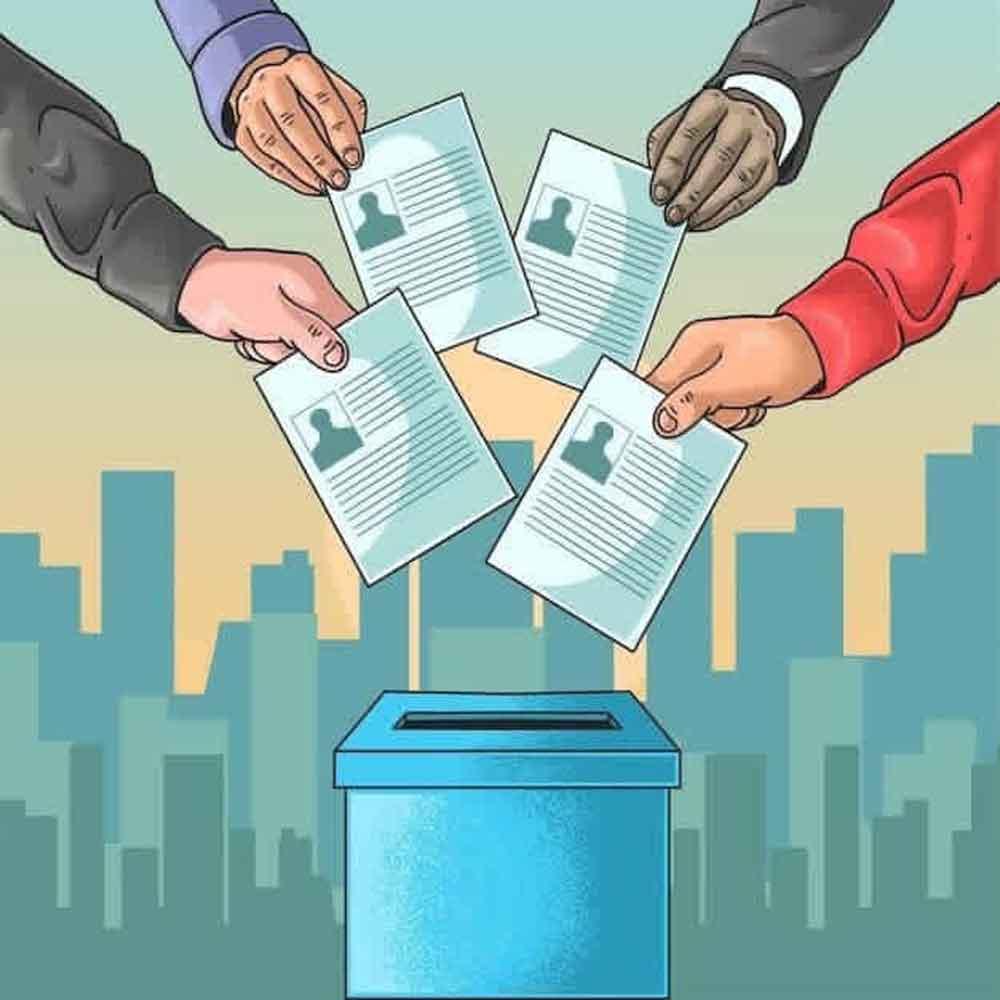
The lesson sits in Monday's sequence in Delhi, and in the larger one Nepal completed at the ballot box. The state reached for barricades first and dialogue second, and it was the crowd's refusal to disperse that opened the table. The uprising, in other words, is never the message. It is the cost of ignoring the message. Young South Asians are not asking for chaos; everywhere they have been given a credible ballot alternative, they have used it and gone home. The chaos comes only where the ballot offers nothing but the same names in different rotations.
That is the standard now set for every incumbent from Delhi to Colombo, and it is a higher one than any protest: not restore order but become worth voting for. Sri Lanka started this wave at Galle Face four years ago. The region caught up. The question that should keep every political class awake, ours included, is the one the wave asks everywhere, of everyone in power without exception: are you still worth voting for? In South Asia's new politics, no one gets to stop answering it.