The Untold Strength of Caregivers
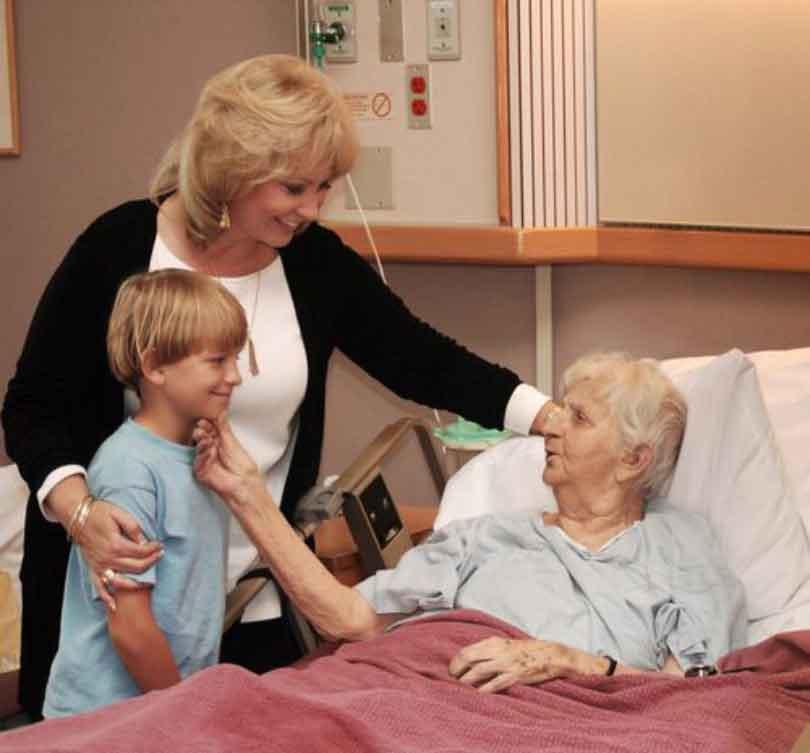
Behind many families quietly battling illness, disability, or the weight of old age, there is often someone whose sacrifices go largely unnoticed. While society celebrates success stories of careers, achievements, and personal milestones, there are countless individuals who set aside their own dreams to care for someone they love. These caregivers rarely ask for recognition, and their stories are seldom told.
Caregiving within families is often seen as a natural responsibility. A daughter caring for an aging parent, a brother supporting a disabled sibling, or a young adult stepping up to look after a sick mother or father is often treated as something expected. Yet behind that sense of duty lies a reality that is far more complex and emotionally demanding. For many caregivers, life changes overnight. A sudden illness, an accident, or the gradual decline of age can transform ordinary routines into full-time responsibility. What was once a typical life filled with personal ambitions, education, careers, or travel suddenly shifts toward hospital visits, medication schedules, and constant vigilance. The transition is rarely planned, yet it becomes a defining part of their lives.

In many cases, caregivers quietly put their own aspirations on hold. A student might postpone higher education to stay home and support a parent. A professional might turn down job opportunities that require relocation. A young person might delay starting their own family or pursuing personal goals because someone else depends on them. These sacrifices are rarely visible to the outside world. To neighbors, colleagues, and friends, caregivers may simply appear busy or tired. Few see the emotional strain of watching a loved one suffer or the exhaustion that comes from balancing care with everyday responsibilities.
Caring for a loved one is not only physically demanding but also emotionally complex. There are moments of deep love and connection, but also moments of frustration, fear, and overwhelming fatigue. Watching someone you care about struggle with illness or disability can be heartbreaking, especially when there is little you can do to change the situation. Yet despite these challenges, many caregivers continue their responsibilities with remarkable resilience. Their motivation is often rooted in love, loyalty, and a deep sense of duty. For them, caregiving is not simply a burden but an act of compassion and commitment.
In many cultures, especially within close-knit communities, family caregiving is considered an essential part of life. However, this cultural expectation sometimes means that caregivers receive little emotional or social support. Their sacrifices are normalized rather than acknowledged. This lack of recognition can leave caregivers feeling invisible. While the person receiving care rightfully becomes the focus of concern, the caregiver’s own well-being is often overlooked. Their mental health, financial stability, and personal aspirations may slowly take a back seat.

Despite this, caregivers develop extraordinary strength. They learn patience, adaptability, and empathy in ways few others experience. Many become skilled in managing medical needs, navigating healthcare systems, and providing emotional comfort during difficult moments.
These experiences shape caregivers into individuals with a deep understanding of human vulnerability and resilience. They witness both the fragility and strength of life every single day. What is perhaps most remarkable is that many caregivers do not see themselves as heroes. They simply see themselves as sons, daughters, siblings, or partners doing what they believe is right. Their acts of dedication often happen quietly, away from recognition or praise.
But their stories matter. By acknowledging caregivers and the sacrifices they make, society can begin to understand the hidden emotional and social costs of caregiving. Recognition can also encourage better support systems, including counseling, community networks, and policies that help caregivers balance their responsibilities with their own lives. Caregivers remind us that strength does not always appear in dramatic moments of heroism. Sometimes it is found in the quiet, everyday acts of compassion that happen behind closed doors.

It is found in the daughter who patiently feeds her elderly mother each evening, the brother who helps his disabled sibling navigate the world, or the young adult who chooses family responsibility over personal ambition. These individuals may not always achieve the dreams they once imagined, but their sacrifices create something equally meaningful, the comfort, dignity, and care of those who depend on them. Their strength may be quiet, but it is deeply powerful. And it deserves to be seen.