Hantavirus Outbreak on MV Hondius Cruise Ship Raises Global Health Concerns
By Yashmitha Sritheran
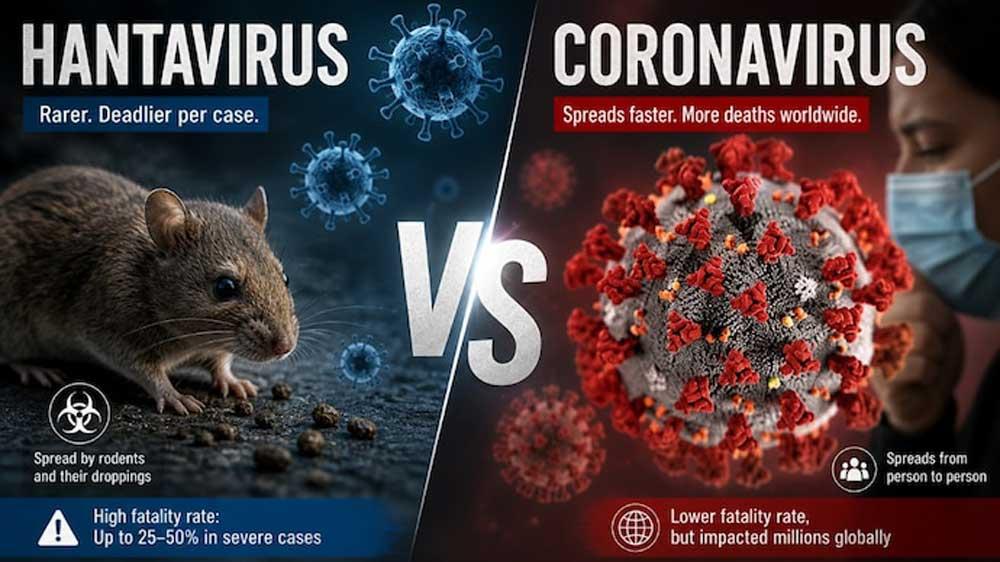
After the global trauma of the COVID-19 pandemic, any news involving infectious disease outbreaks immediately triggers public anxiety. Even years later, the memory of overwhelmed hospitals, travel restrictions, and sudden global disruption still lingers. Against this backdrop, the recent hantavirus outbreak on the MV Hondius cruise ship has once again raised concerns about how quickly infections can spread in confined environments and how vulnerable international travel can become during such events.
An eighth hantavirus-linked case has now been identified among passengers who travelled aboard the MV Hondius in the Atlantic Ocean, officials confirmed on Wednesday, May 6. The outbreak, which has already been associated with multiple fatalities, is being closely monitored by international health authorities as investigations and contact tracing efforts continue across several countries.
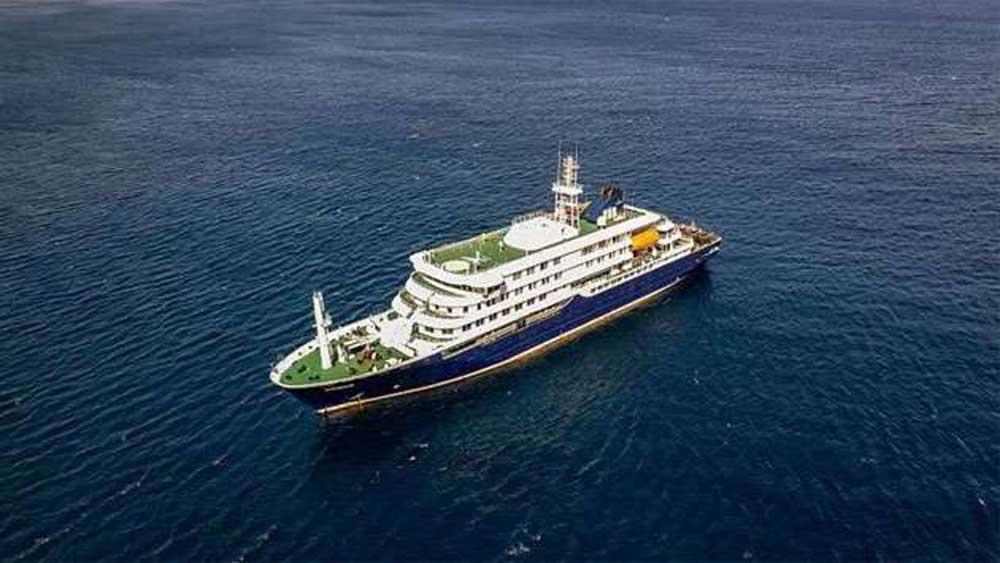
The MV Hondius, operated by Netherlands-based expedition cruise company Oceanwide Expeditions, departed from Argentina approximately one month ago on a transatlantic voyage. What was intended to be a routine expedition journey has now turned into a complex public health situation after a rare strain of hantavirus was detected among individuals on board.
Since the outbreak was first reported, three deaths have been associated with the incident. Health authorities have confirmed at least eight linked cases, including both confirmed and suspected infections, among passengers and crew members. The situation has triggered coordinated responses from multiple national health agencies and international organizations.
The World Health Organization (WHO) confirmed that several passengers showing symptoms were medically evacuated from the vessel. Among those evacuated were a 56-year-old British national, a 41-year-old Dutch national, and a 65-year-old German passenger. These individuals were transferred to receive urgent medical care in the Netherlands and other locations, depending on their condition and nationality.
Additional evacuations also took place earlier, including crew members and passengers who required immediate medical attention after developing symptoms while still on board. One individual who had returned to Switzerland after disembarking from the ship is also receiving treatment for hantavirus at a hospital in Zurich, according to health authorities.
At present, around 150 passengers and crew remain aboard the MV Hondius. The ship is currently anchored near Cape Verde, off the west coast of Africa, while strict precautionary measures remain in place. Authorities are working to determine the safest and most controlled method for disembarkation and further medical support.
Plans were initially discussed to allow the vessel to dock in the Canary Islands so that passengers could safely disembark. However, this proposal faced opposition from regional authorities due to safety concerns and insufficient operational clarity. Discussions between Spanish national authorities and regional leadership are ongoing as they attempt to balance humanitarian needs with public health precautions.
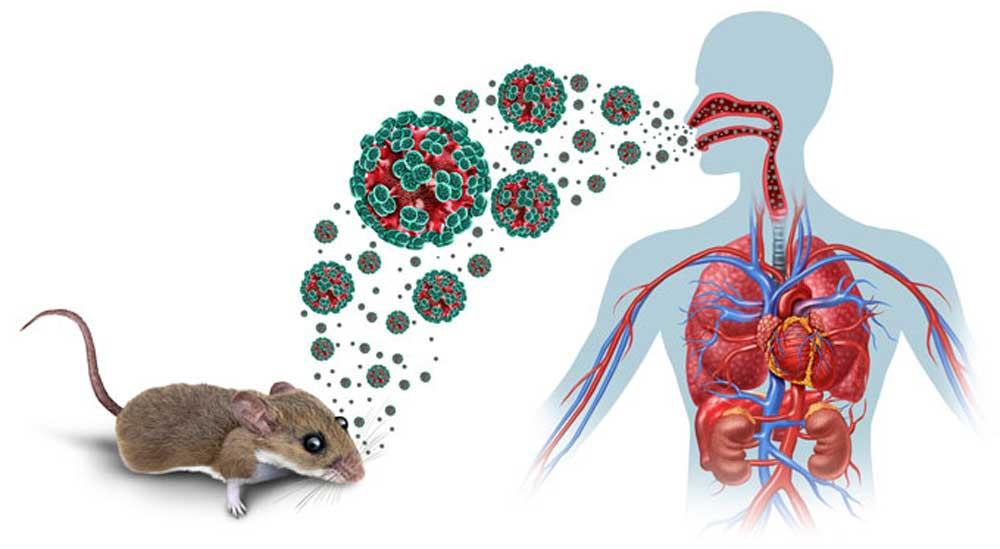
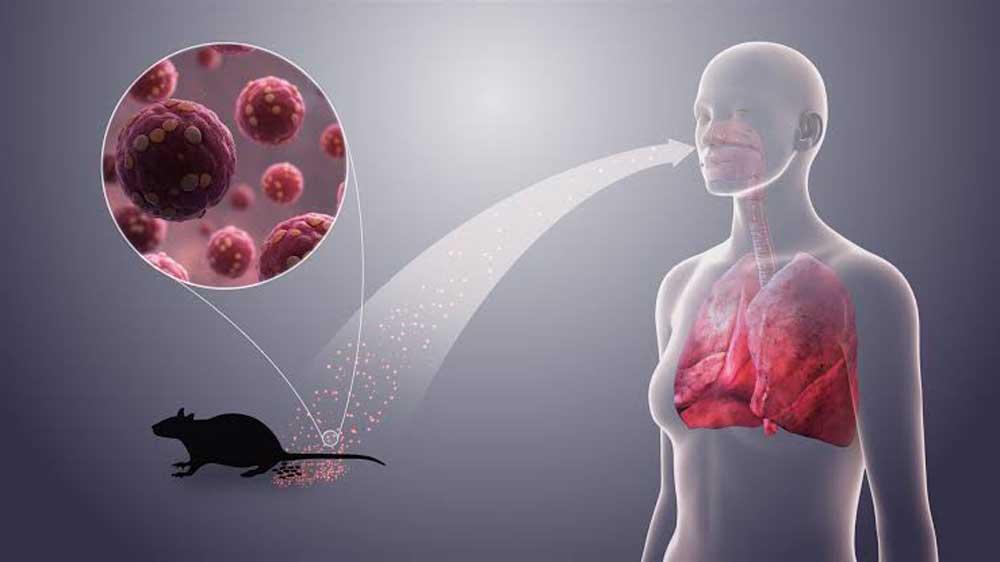
Hantavirus is typically transmitted through contact with infected rodents, especially through exposure to urine, saliva, or droppings. However, the Andes strain identified in this outbreak is significant because it has been associated in rare cases with human-to-human transmission, particularly in situations involving prolonged and close contact. Health authorities in South Africa confirmed that laboratory testing identified the Andes strain in two evacuated patients. This strain is currently the only known hantavirus variant linked to limited human-to-human transmission, although such occurrences remain uncommon and highly situational.
Contact tracing efforts are now underway across multiple countries. Authorities have identified dozens of individuals who may have been exposed to the virus, including healthcare workers, transport staff, port officials, and airline personnel who came into contact with evacuated passengers. Monitoring systems have been activated to ensure early detection of any further cases and to prevent possible secondary transmission. The World Health Organization has consistently emphasized that the overall public health risk remains low. However, it has also highlighted the importance of continued surveillance, especially given the unusual environment of transmission aboard a cruise ship where passengers and crew live in close quarters for extended periods.
Oceanwide Expeditions has stated that it is cooperating fully with international health authorities and is implementing strict precautionary measures on board. These include isolating symptomatic individuals, continuous medical monitoring, and limiting unnecessary movement within the vessel to reduce potential exposure risks. The outbreak remains under active investigation as health agencies work to determine how the virus was introduced on board and how transmission occurred among those affected. While the number of cases remains limited, the international nature of the exposure has made coordination between countries essential.
Experts note that cruise ships, due to their enclosed environment and shared facilities, can present unique challenges during infectious disease outbreaks. Even a small number of cases can require complex logistical responses, including evacuations, international communication, and port restrictions. For now, authorities continue to monitor the situation closely, with emphasis on containment, treatment, and prevention of further spread. Despite public concern, officials maintain that there is no evidence of widespread risk to the general population at this stage.
As investigations continue, the MV Hondius outbreak serves as a reminder of how quickly infectious diseases can emerge in global travel settings and how important coordinated international health responses are in managing such situations.