The Temporary Person, You Call Yourself
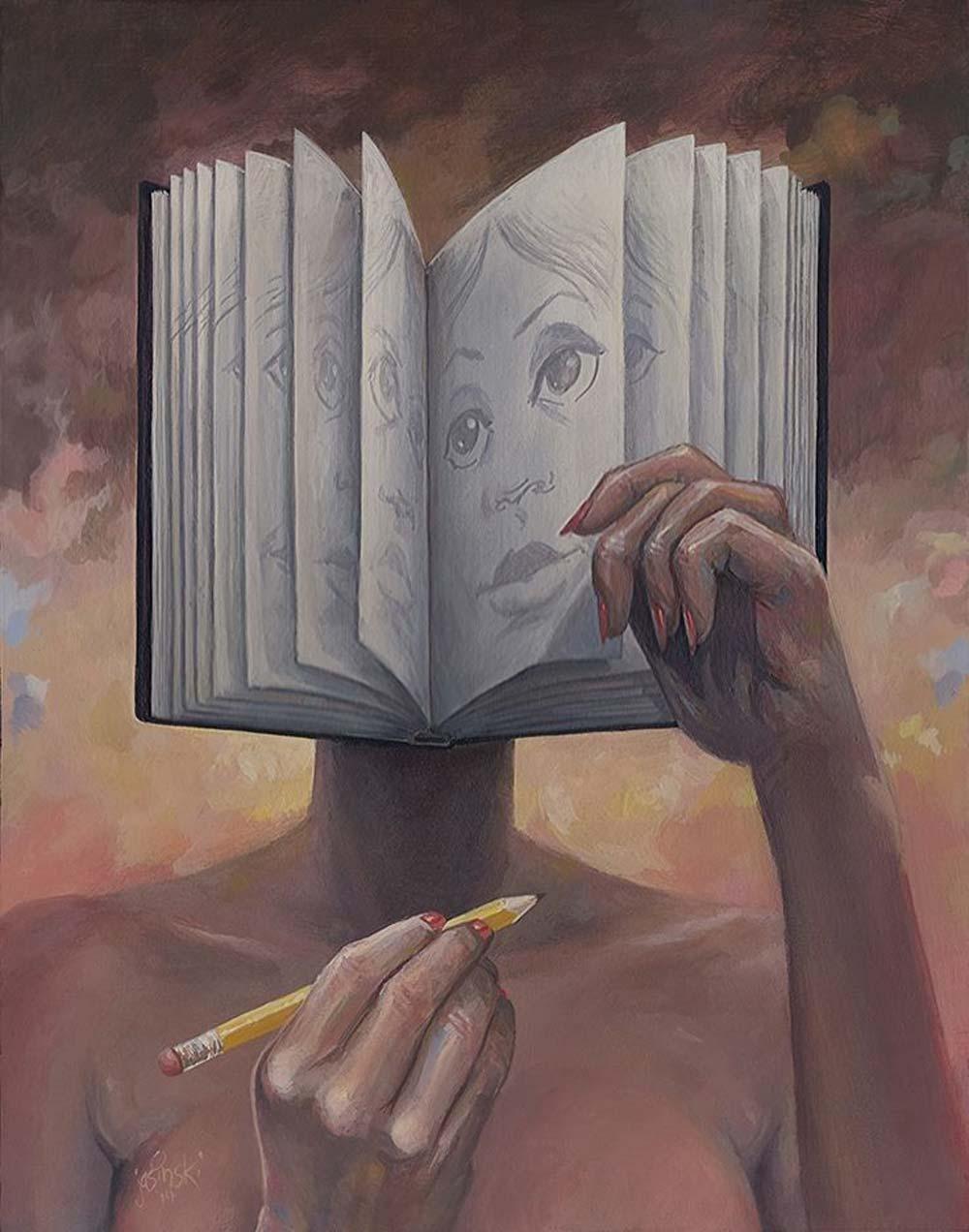
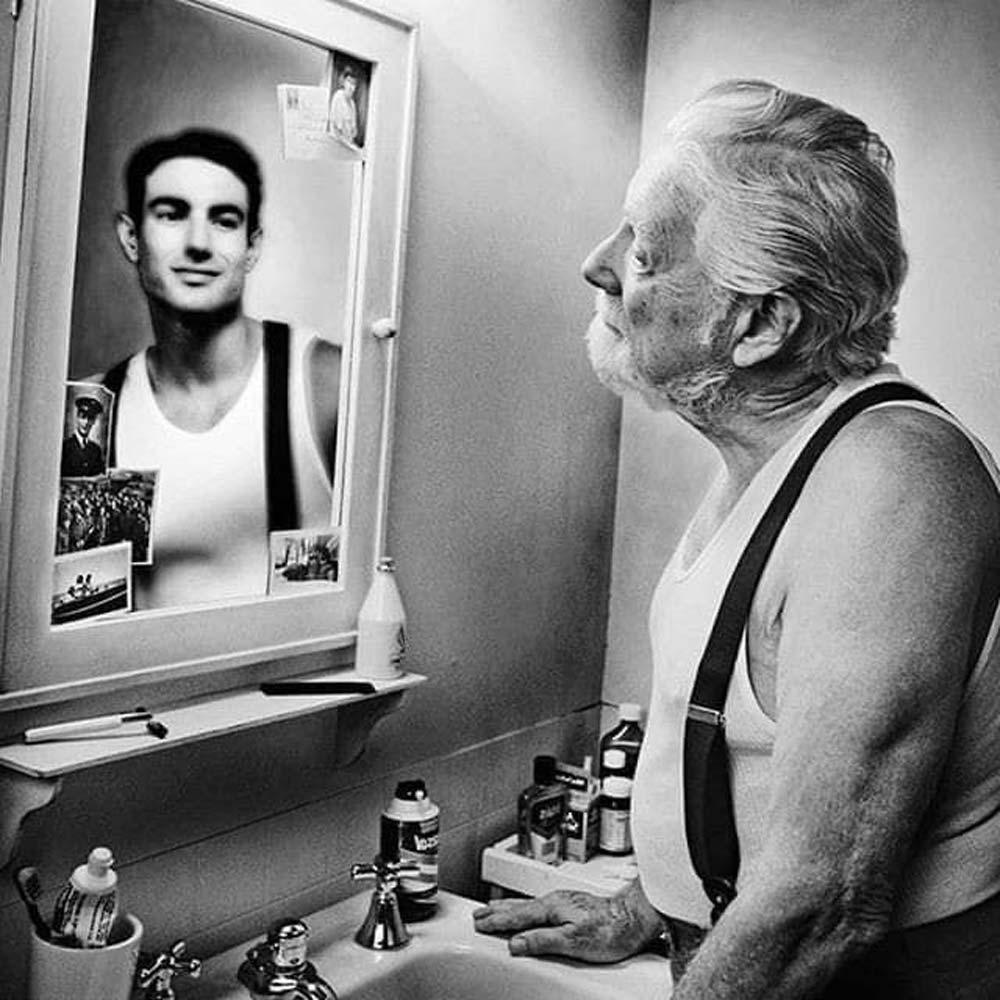
Imagine meeting yourself ten years from now. Perhaps you are sitting across from them at a quiet café, studying the face that looks familiar but slightly altered by time. You expect differences in appearance. Maybe there are new lines around the eyes, a different hairstyle or a tiredness you do not yet recognize. Yet when you imagine the person beneath those changes, you probably picture someone remarkably similar to who you are today. They may have a different job, home or relationship, but surely, they still love the same things, hold the same values and see the world in roughly the same way.
After all, you know who you are now. Or at least, you think you do. When we look backwards, change seems obvious. We remember the friendships we once believed would last forever, the music we played repeatedly and the ambitions that once felt inseparable from our identity. We can recognize that the person we were ten years ago is not quite the person we are today.
However, when we look forward, that awareness suddenly disappears. We imagine that our current personality, values and preferences have finally settled into place. It is as though every previous version of us was unfinished, but this version is somehow complete.
Psychologists call this the “end-of-history illusion.” The term describes our tendency to acknowledge how much we have changed in the past while underestimating how much we will continue to change in the future. We treat the present as a final destination: the moment at which we have at last become the person we will remain.
The scientific study of this illusion began through the French television programme Leurs Secrets du Bonheur, or Their Secrets of Happiness. Viewers were invited to participate in studies through the programme’s website, allowing psychologists Jordi Quoidbach, Daniel Gilbert and Timothy Wilson to examine how people thought about their past and future selves.
Across six studies involving more than 19,000 participants between the ages of 18 and 68, the researchers examined changes in personality, core values and personal preferences. In one study, 7,519 adults evaluated personality traits such as extraversion, agreeableness, emotional stability, conscientiousness and openness to experience. Some were asked to report how different they had been ten years earlier, while others predicted how different they would become over the following ten years.
The pattern was remarkably consistent. People recognized considerable change behind them but imagined relatively little change ahead. This was not limited to young adults who were still attempting to understand themselves. Although people generally reported less change as they grew older, the illusion appeared across adult life. Teenagers and grandparents alike seemed to believe that personal change had slowed almost to a stop.
As the researchers concluded, “History, it seems, is always ending today.” The same pattern appeared when participants considered their core values. In a separate sample of 2,717 adults, they evaluated the importance of values such as hedonism, success and security. Once again, people recognised that their values had shifted during the previous decade while assuming that their current priorities would remain comparatively stable in the next one.
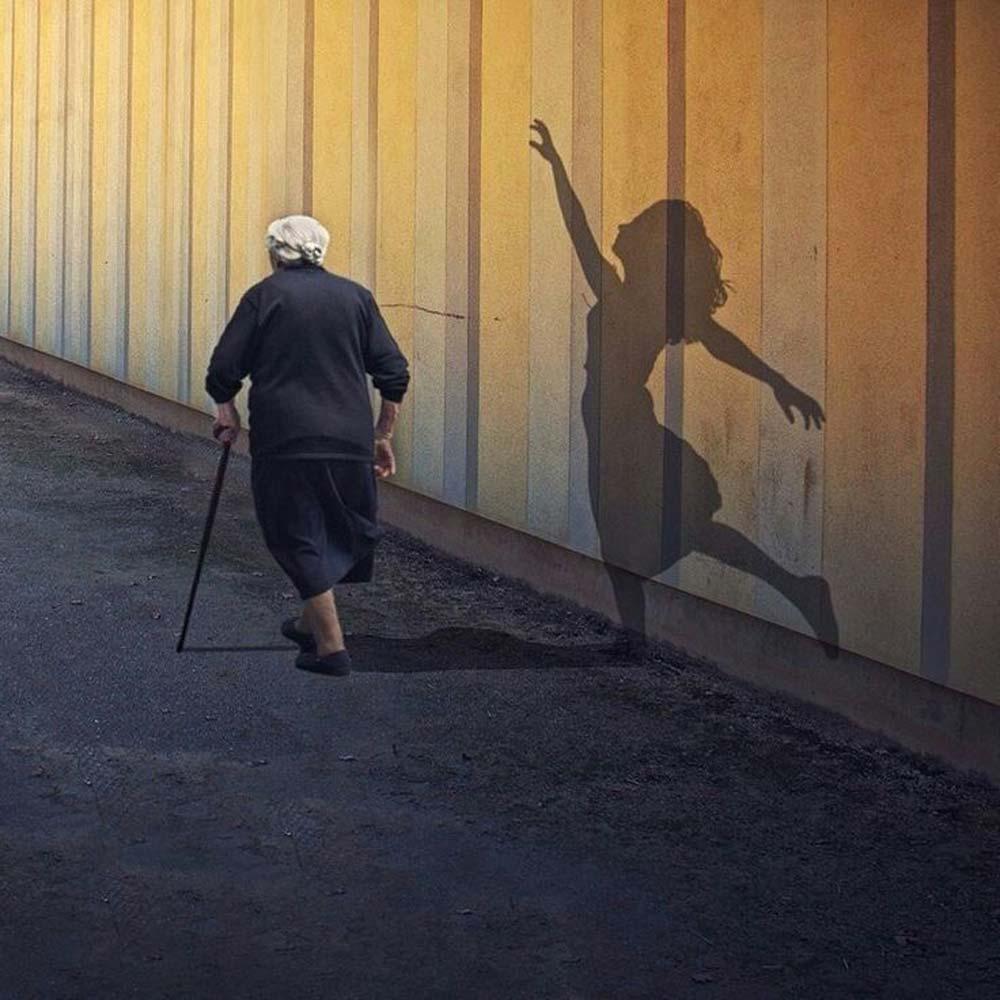
Our preferences feel equally permanent from inside the present. We assume that our favourite music, food, hobbies, holidays and even friendships will retain the same importance. Yet the research found that people were more likely to remember different preferences in the past than predict different preferences in the future.
This creates an uncomfortable possibility: many of the things that currently feel like permanent parts of our identity may simply belong to this particular version of us. The researchers demonstrated the practical consequences of this belief through a study involving music. Participants were asked how much they would pay today for the opportunity to see their current favourite band perform ten years later. Others were asked how much they would pay to see the band that had been their favourite ten years earlier perform in the coming week.
People were willing to pay an average of $129 to see their current favourite band in the future, but only $80 to see a former favourite in the present. They were prepared to pay 61 percent more for a future experience built around a preference they assumed would survive unchanged.
In other words, we know that we have outgrown what we once loved yet struggle to imagine outgrowing what we love now.
Why are we so convinced that we have finished becoming? One explanation is comforting in its simplicity: most people generally approve of who they are. We like to believe that our personalities are attractive, our values are admirable and our preferences are sensible. Imagining significant future change can feel like admitting that the person we are now is merely temporary.
There is also security in believing that we know ourselves. If our future values, desires and personalities may be different, how confidently can we claim to know what will make us happy? The idea introduces uncertainty into decisions we desperately want to make with certainty.
Another explanation concerns the difference between remembering and imagining. Looking backwards is a reconstructive process. We already possess memories, experiences and identifiable turning points from which to build the story of how we changed. Looking forward is constructive. We must imagine transformations that have not happened and may occur through circumstances we cannot predict. Because imagining specific change is difficult, we may incorrectly assume that change itself is unlikely. We confuse the difficulty of picturing a different future self with evidence that this person will never exist.
The end-of-history illusion matters because the choices we make today are inherited by people, we have not yet become. A tattoo, career, marriage, house or financial commitment may suit our current identity perfectly while becoming a burden to someone whose preferences have quietly shifted. A person may choose a career primarily for its salary, believing wealth will always matter most, only to discover years later that purpose, flexibility or creative fulfilment has become more important.
Even the experiences we postpone are affected. We may delay travelling until we can afford the perfect holiday because we assume our future self will carry the same desire. By the time we have the money, however, the curiosity that made the journey meaningful may have faded. We save an experience for a person who may no longer want it.
This does not mean we should distrust every desire or avoid making commitments. A life built entirely around the possibility of changing would become its own kind of paralysis. The lesson is not that our current selves are false. It is that they are unfinished.
Perhaps we should make decisions with enough room for another version of us to breathe. We can choose careers with multiple paths, remain curious about beliefs that currently feel certain and avoid treating temporary preferences as permanent truths. We can also stop interpreting personal change as inconsistency or failure. Outgrowing a dream does not mean the dream was meaningless. It may simply mean it belonged to the person we needed to be at that time.
“Life can only be understood backwards; but it must be lived forwards,” Søren Kierkegaard once wrote. That may be the strange difficulty of being human. We understand transformation only after it has happened yet must make choices before we know who will live with them. If you met yourself ten years from now, perhaps the greatest surprise would not be how much of you remained. It would be how confidently you once believed that nothing important would change. We are never standing at the end of our history. We are simply standing at the furthest point we have reached so far.