The Sand Is Not Safety: Why We Avoid What We Need to Know
You know the email is waiting. It has been sitting unread for three days, quietly gathering weight in your inbox. Perhaps it contains the result of an application, feedback on something you submitted or a reminder about a payment you have been avoiding. You tell yourself you will open it later, when you feel calmer, more prepared or slightly less tired.
Later arrives, but you still do not open it. For a while, not knowing feels safer than knowing. The same thing happens when we avoid checking our bank balance after spending too much. We ignore a recurring pain because we are frightened of what a doctor might say. We delay stepping on a scale, responding to a difficult message or asking a question whose answer may change something important.
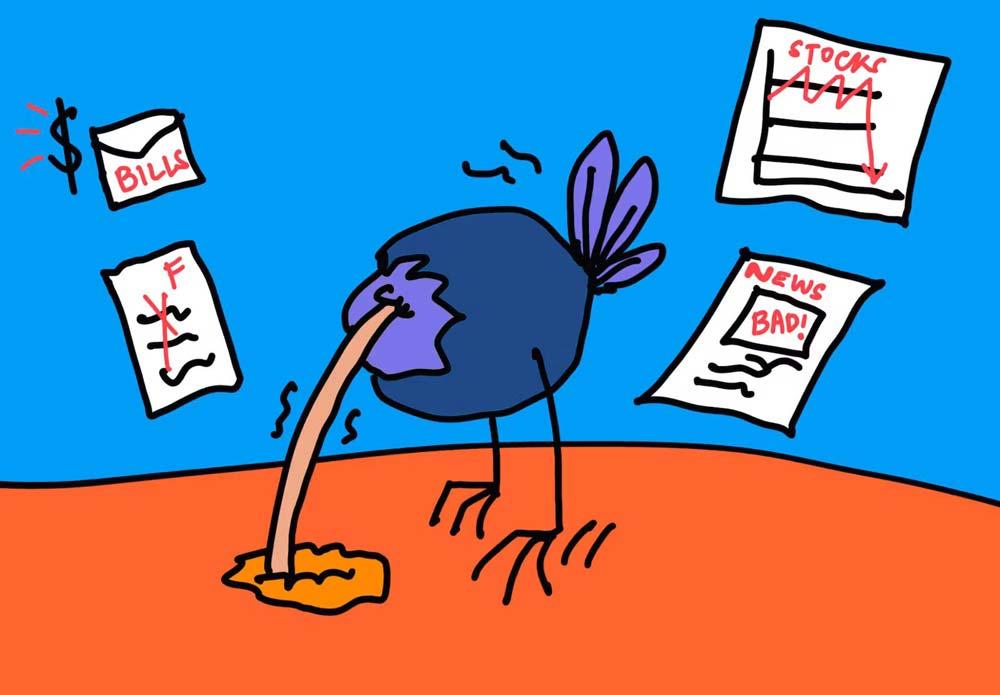
The information already exists. We simply do not want to meet it yet. Psychologists and behavioural economists call this the ostrich effect: our tendency to avoid negative or uncomfortable information, even when knowing it could help us make better decisions. The name comes from the familiar image of an ostrich burying its head in the sand when danger approaches.
Real ostriches do not actually do this. The behaviour is a myth. Human beings, however, do it all the time. Of course, we do not physically place our heads beneath the ground. We bury them in distractions, excuses and postponements. We scroll through social media instead of checking the account balance. We keep ourselves busy so that we do not have to think about the relationship that feels wrong. We tell ourselves a symptom is probably nothing, not because we know that it is harmless, but because uncertainty feels easier than confirmation.
At the centre of the ostrich effect is a conflict between two parts of us. The rational mind understands that information is useful. It knows that checking the bill, receiving feedback or visiting the doctor will give us a better chance of responding effectively. The emotional mind anticipates fear, embarrassment, disappointment or shame.
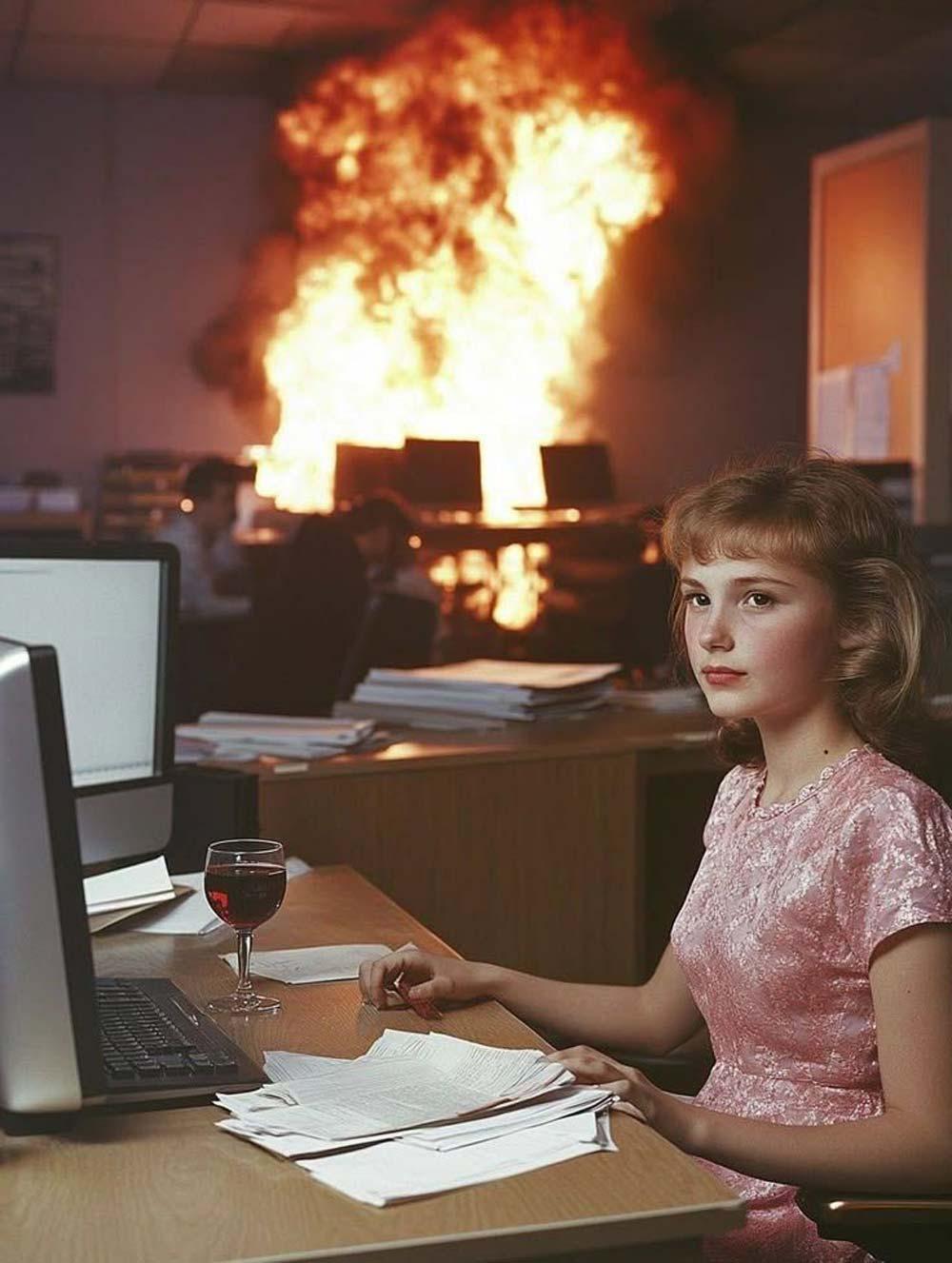
So, we choose temporary comfort over useful knowledge. That choice makes sense in the moment. Avoidance can feel like relief because the feared reality briefly disappears from our attention. If we do not look at the balance, we do not have to feel irresponsible. If we do not read the feedback, we do not have to feel inadequate. If we do not have the difficult conversation, we can pretend that the relationship is still fine. But a reality does not stop existing simply because we stop looking at it.
This is what makes the ostrich effect so dangerous. Avoidance reduces discomfort now by quietly increasing it later. A missed payment becomes a late fee. A manageable debt gathers interest. A small misunderstanding becomes resentment. A treatable medical issue grows more serious. Constructive criticism that might have helped us improve becomes a missed opportunity. The problem waits. Sometimes it grows while waiting.
The term was first used in behavioural economics to describe how investors respond to financial uncertainty. Research has found that people tend to check their portfolios more often when markets are rising than when they are falling. When the numbers are reassuring, we want to look. When they threaten us, we suddenly become less curious.
This behaviour extends far beyond investing. It appears anywhere information has the power to disturb the story we are telling ourselves.
A person who believes they are managing money well may avoid adding up their spending. A student who fears failure may delay checking their results. Someone who suspects they are unhappy in their career may fill every spare moment with work, leaving no silence in which the truth can become audible.
Not all avoidance looks like doing nothing. Sometimes it looks like doing everything except the one thing that matters.
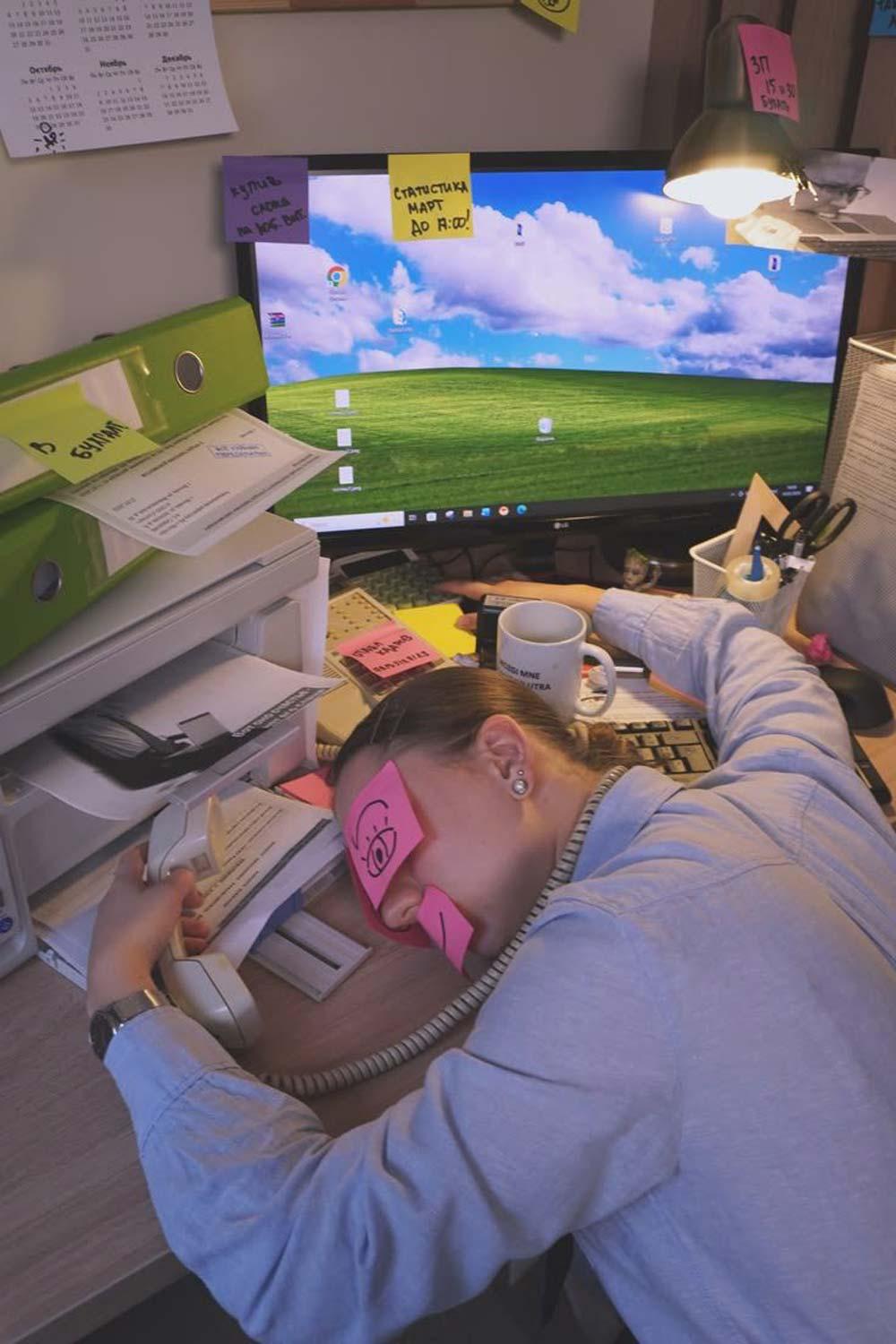
We may become excessively productive, cleaning the room, reorganising files or beginning new projects while an important decision remains untouched. We may suppress uncomfortable thoughts and insist that everything is fine. We may withdraw, sleep too much, overeat or keep ourselves continuously entertained. From the outside, some of these behaviours may appear harmless or even disciplined. Internally, they may be carefully constructed hiding places.
This is why the ostrich effect is not simply laziness. Most of the time, we are not avoiding the task itself. We are avoiding the emotion attached to it. Opening an email takes seconds. What frightens us is the possibility of rejection inside it. Checking a bank account requires almost no physical effort. What we fear is the shame of confronting our choices. Asking someone whether something is wrong is easy to say and difficult to hear answered.
Avoidance becomes especially powerful when we believe the problem says something about who we are. A financial mistake becomes proof that we are irresponsible. A struggling relationship becomes evidence that we have failed. Dissatisfaction with our degree or career feels like an accusation against every decision that brought us there. When the problem feels internal, admitting that it exists can feel like admitting that we are the problem.
So, we hide it, sometimes even from ourselves. There is also something deeply human about wanting to preserve the version of our lives that appears under control. We are often more comfortable discussing problems with clear measurements, deadlines and solutions than uncertainties involving identity, purpose, work or love. It is easier to say that a project is behind schedule than to admit that we no longer know whether we want the life we are working toward.
The ostrich effect protects appearances. Unfortunately, it cannot protect us from consequences. Breaking the pattern does not require confronting everything at once. In fact, imagining one enormous confrontation can make us want to avoid it even more. The first step is smaller: noticing how we hide.
What do you do when something feels uncomfortable? Do you distract yourself? Become unusually busy? Keep postponing a conversation? Tell yourself that you will deal with it once you are in a better mood? Recognising the strategy creates a small distance between the fear and the action that follows it.
Then we can replace avoidance with a check-in. What am I afraid I will discover? What information am I missing? Is not knowing actually helping me? What is the smallest action I can take now?
Sometimes that action is opening the email without replying immediately. Sometimes it is looking at the total balance without trying to solve the entire financial problem that night. It may be booking an appointment, asking for honest feedback or telling someone we trust that something is becoming difficult to carry alone.
Information may be painful, but it is also clarifying. Once we know what we are dealing with, the imagined possibilities narrow into something real. Reality may not be pleasant, but it can be responded to. We can make a plan, ask for help, change direction or begin repairing what has been neglected.
What remains hidden cannot be handled. Perhaps courage is not the absence of the instinct to look away. Perhaps it is noticing that instinct and choosing to look anyway. We all bury our heads sometimes. We postpone, distract and pretend because there are truths, we do not yet feel ready to hold. That does not make us weak. It makes us human.
Still, the sand is not safety. It only darkens our view. Eventually, we must lift our heads and face what has been waiting in front of us. The truth may be uncomfortable. It may ask us to change, apologise, begin again or accept something we had hoped was not real. But seeing the problem is not what makes it real. Seeing it is what finally gives us the chance to do something about it.