The Cells That Keep Us Young May Hold the Secret to Aging
By Thaliba Cader
For generations, ageing has been viewed as a simple equation: time passes, the body wears down, and decline becomes inevitable. Wrinkles appear, muscles weaken, memory fades, and organs gradually lose their youthful resilience. But modern biology is revealing that ageing is not merely the result of years accumulating. It is an active biological process, shaped by countless conversations taking place inside our cells.
The body is constantly repairing itself, removing damaged material and restoring balance. Yet as we grow older, some of these maintenance systems begin to falter. Now, researchers believe they may have identified one of the reasons why.
A new study from Stanford Medicine suggests that a crucial driver of ageing may come from an unexpected place: the immune system.
Rather than simply protecting us from infections, the immune system also acts as the body’s internal maintenance department. It clears away damaged cells, removes biological waste and helps tissues recover from injury. But as certain immune cells lose their efficiency with age, this cleanup operation begins to fail.
The result is a buildup of ageing cells, chronic inflammation and a gradual decline affecting organs throughout the body, including the brain, heart, liver and muscles.
At the centre of this discovery are two key players: macrophages, the immune system’s cellular cleaners, and neutrophils, its rapid-response defenders.
Published in the journal Science, the research suggests that restoring the function of ageing macrophages could help protect multiple organs from age-related decline. The finding does not promise immortality, but it offers a possible pathway toward extending something scientists increasingly consider more important: healthy years of life.
The Forgotten Workers Inside the Immune System
The immune system is often described as the body’s defense force, a collection of specialized cells designed to fight invading threats. But that description only captures half the story.
Beyond attacking bacteria, viruses and other dangers, immune cells are also responsible for maintaining order within the body. They constantly monitor tissues, remove damaged material and coordinate repair.
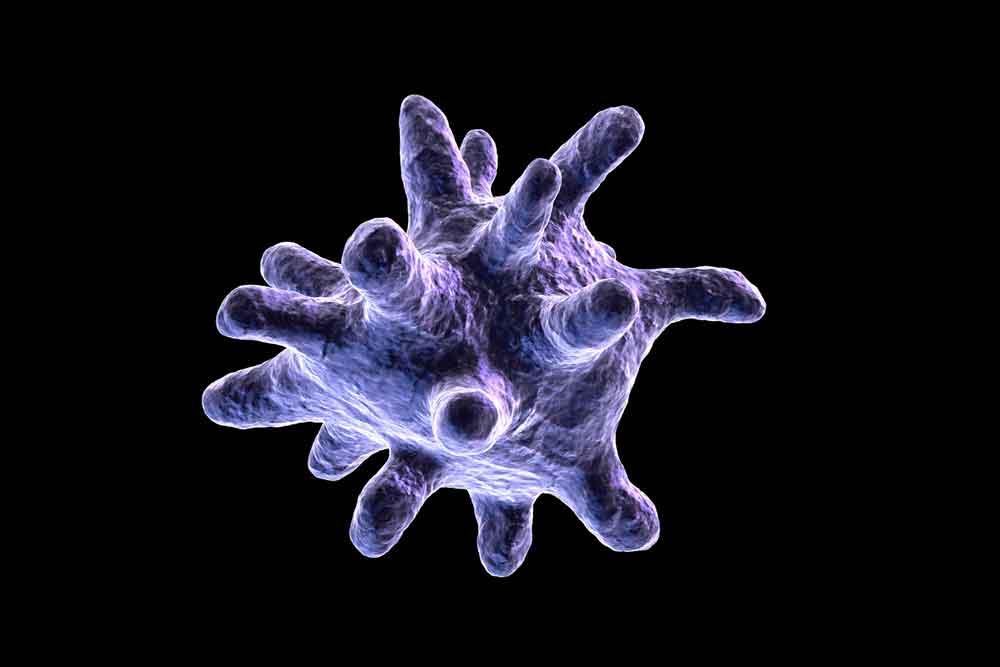
Among the most important of these maintenance workers are macrophages.
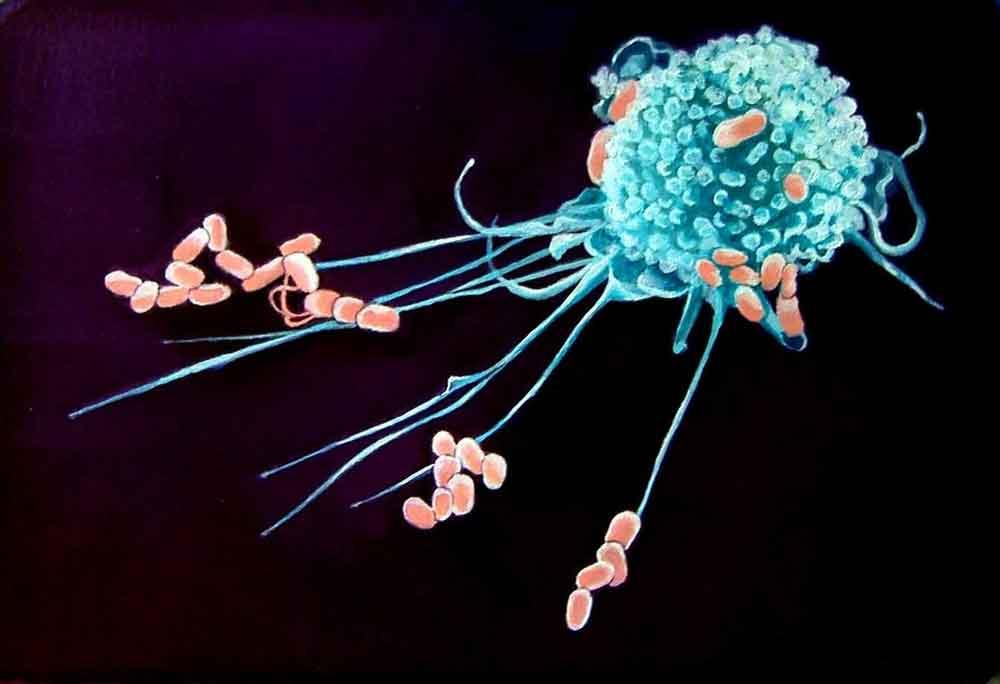
Their name comes from the Greek words meaning “large eater”, reflecting their ability to engulf and digest unwanted material. These cells act as the body’s recyclers, clearing dead cells, destroying pathogens and releasing signals that guide tissue repair.
“They’re the body’s garbage collection crew,” said Katrin Andreasson, MD, professor of neurology and neurological sciences at Stanford Medicine and senior author of the study.
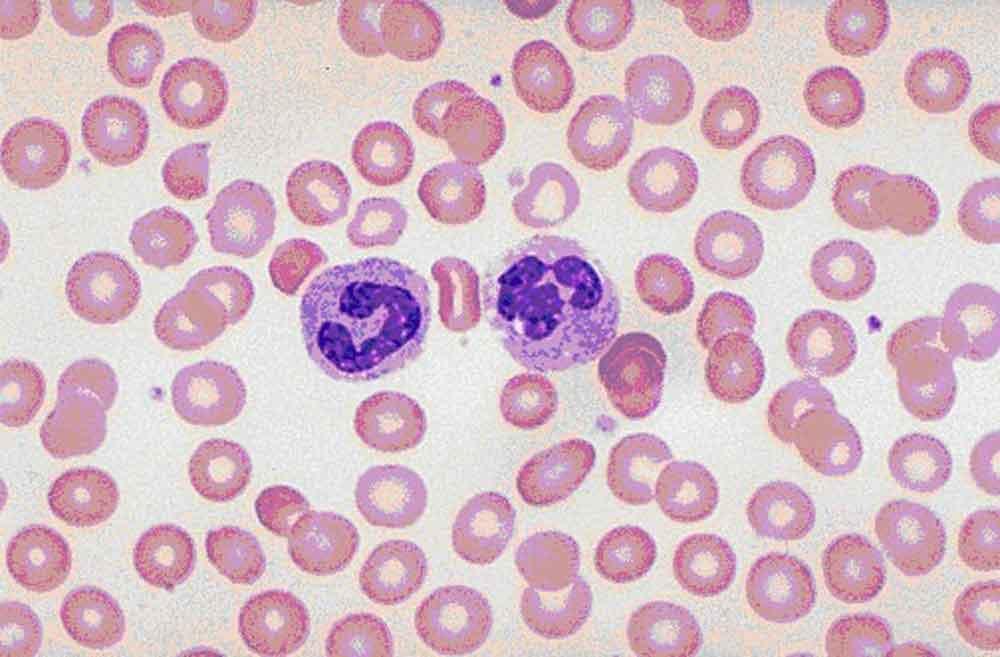
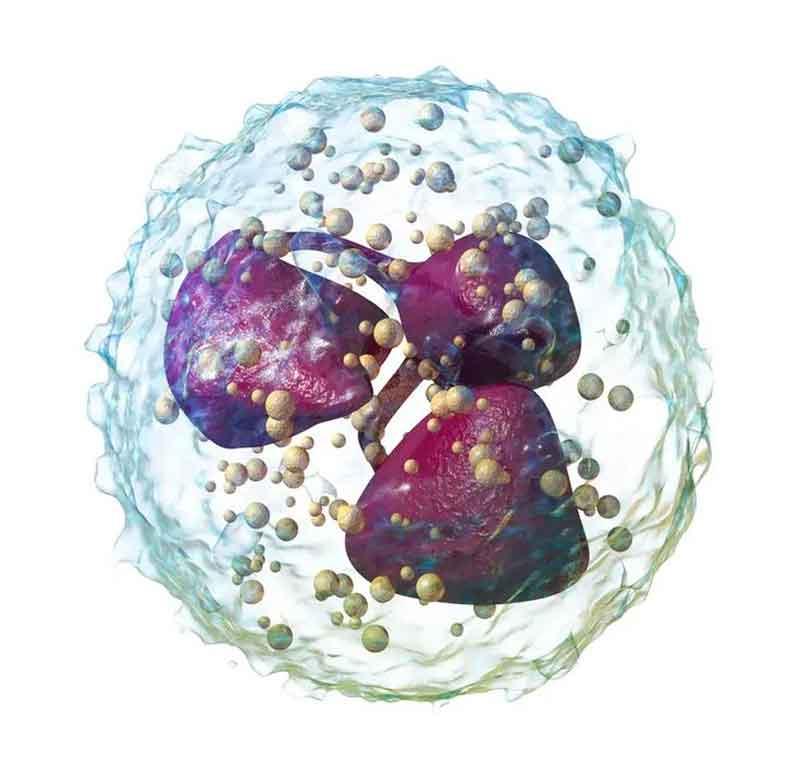
Every day, the human body produces billions of immune cells that eventually reach the end of their lifespan and must be removed. Among the most abundant are neutrophils, a type of white blood cell that serves as one of the immune system’s first responders.
When infection strikes, neutrophils are among the first cells to arrive at the scene. They attack invading organisms through powerful defense mechanisms, helping the body contain threats before they spread.
But neutrophils are designed to be temporary. Many survive only for hours before they become old and must be eliminated.
That removal process is essential.
When macrophages efficiently clear ageing neutrophils, the immune system remains balanced. However, as the body ages, macrophages become less effective at this task. The result is a growing population of worn-out neutrophils accumulating in tissues.
These ageing cells can become harmful, contributing to a state scientists call cellular senescence.
The Rise of “Zombie” Cells
Cellular senescence is one of the defining features of biological ageing.
Senescent cells are not dead, but they no longer function properly. Instead of disappearing, they remain inside tissues and release inflammatory molecules that can affect surrounding cells.
Scientists have sometimes described them as “zombie-like” cells because they remain active while causing damage to their environment.
The Stanford researchers found that ageing neutrophils become increasingly problematic when macrophages lose their ability to remove them effectively.
As these cells accumulate, they contribute to chronic inflammation, a slow-burning immune response that continues even when there is no infection or injury to fight.
This process, often referred to as “inflammaging”, has become a major focus in ageing research. Unlike the short bursts of inflammation that help the body heal, chronic inflammation gradually damages tissues and has been associated with conditions including cardiovascular disease, metabolic disorders, cognitive decline and reduced physical strength.
The question researchers wanted to answer was simple but significant: why do macrophages become less effective as we age?
The answer appeared to involve a tiny molecular switch called EP2.
The Molecular Switch That Changes With Age
Macrophages communicate with their surroundings through receptors located on their surfaces. These receptors allow them to respond to chemical signals produced throughout the body.
One of these signals is prostaglandin E2, or PGE2, a molecule involved in inflammation, pain responses and immune regulation.
PGE2 interacts with several receptors, but researchers identified one in particular, known as EP2, as a possible contributor to immune ageing.
As organisms grow older, PGE2 levels increase, and tissue-resident macrophages become increasingly influenced by EP2 signaling. The researchers found that excessive activation of this pathway reduces the macrophages’ ability to consume and remove ageing neutrophils.
In other words, the body’s cleanup system begins slowing down at the very moment when it faces increasing amounts of cellular waste.
Previous work from Andreasson’s laboratory showed that ageing macrophages experience changes in their energy metabolism, gradually reducing their ability to perform their normal functions.
The new research suggested that blocking EP2 could prevent this decline.
To test the idea, scientists created mice in which the EP2 receptor could be removed specifically from tissue-resident macrophages.
The results were remarkable.
Older mice with disrupted EP2 signaling retained characteristics normally associated with younger animals.
Protecting the Brain, Heart and Muscles
The researchers examined several organs in older mice, including the liver, heart, kidneys, muscles and brain.
They found that reducing EP2 activity helped maintain healthier immune function throughout the body.
The older mice showed lower levels of inflammation, fewer ageing neutrophils, greater muscle mass, reduced unhealthy fat accumulation and improved physical abilities.
Their performance in movement tests, including balance and strength assessments, was closer to that of younger mice.
The effects extended to the brain as well.
In memory experiments, older mice with blocked EP2 activity performed significantly better than untreated older mice. Their ability to navigate environments and recognize familiar objects remained closer to youthful levels.
The researchers were particularly interested in the fact that altering a single immune pathway produced effects across multiple organs.
The finding suggests that ageing may not simply involve individual organs failing independently. Instead, certain biological processes may act as central drivers influencing the entire body.
The liver appeared to play a particularly important role because it contains large populations of tissue-resident macrophages and plays a major role in metabolism.
Could This Lead to Future Anti-Aging Treatments?
Although the findings are promising, researchers emphasize that results from mice do not automatically translate into human treatments.
However, when the team examined human liver data, they observed similar patterns: older tissues showed increased neutrophil accumulation, reduced macrophage effectiveness and heightened EP2 activity.
This suggests that the pathway may have relevance beyond laboratory animals.
The next challenge is developing treatments that can safely target EP2.
Existing anti-inflammatory medicines, including common non-steroidal anti-inflammatory drugs, influence prostaglandin pathways and can reduce inflammation. However, they affect multiple processes throughout the body and may interfere with beneficial immune functions.
Scientists are now looking for more precise approaches: drugs that specifically block harmful EP2 activity while preserving the immune system’s essential roles.
Such therapies would not aim to stop ageing completely. Instead, they could help people remain healthier, stronger and more independent as they grow older.
A New Way of Understanding Ageing
For decades, the search for the secrets of ageing has focused heavily on genetics, metabolism and individual diseases. This research introduces another perspective: perhaps part of ageing occurs because the body’s own maintenance systems slowly lose their ability to keep up.
The immune system is not merely a shield against disease. It is also a caretaker, constantly cleaning, repairing and balancing the complex environment inside us.
When that caretaker begins to weaken, the effects are felt throughout the entire body.
The Stanford discovery does not suggest that ageing can simply be reversed. Human longevity remains influenced by genetics, lifestyle, environment and countless biological factors.
But it provides a deeper understanding of why the body changes with time and where scientists might look for ways to preserve health.
The future of ageing research may not be about finding a way to live forever. It may be about ensuring that the years we gain are years of vitality rather than decline.
Perhaps the secret to staying younger is not discovering a new biological system, but helping the oldest ones in our bodies remember how to work.
Research by: Stanford Medicine researchers, published in Science.