THE ‘TUK-TUK MAFIA’: WHEN A RIDE BECOMES A FIGHT FOR TERRITORY
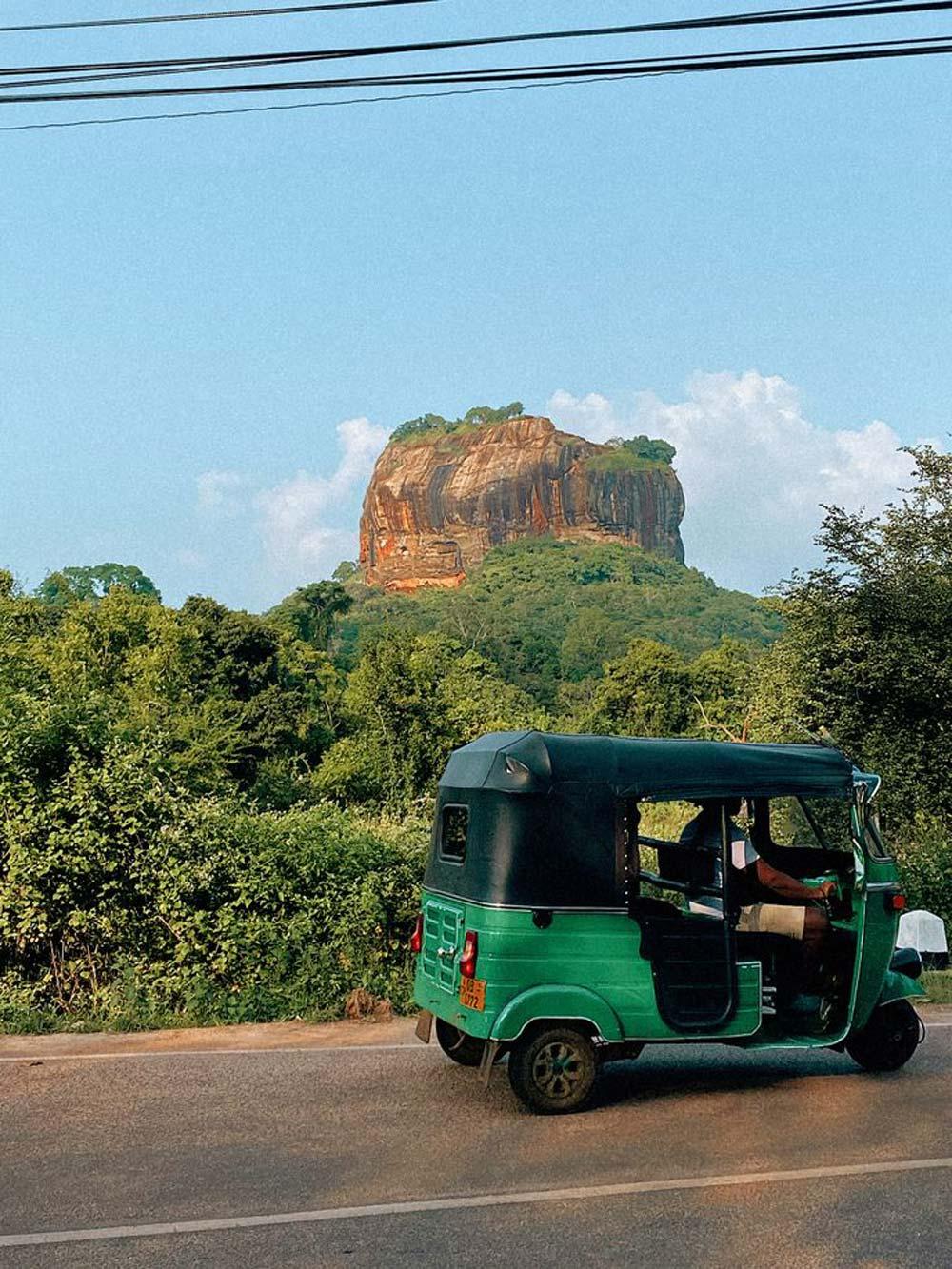
A video circulating on social media has once again brought Sri Lanka’s long-running “tuk-tuk mafia” problem into focus, after a ride-hailing app driver was allegedly confronted and threatened in Weligama.
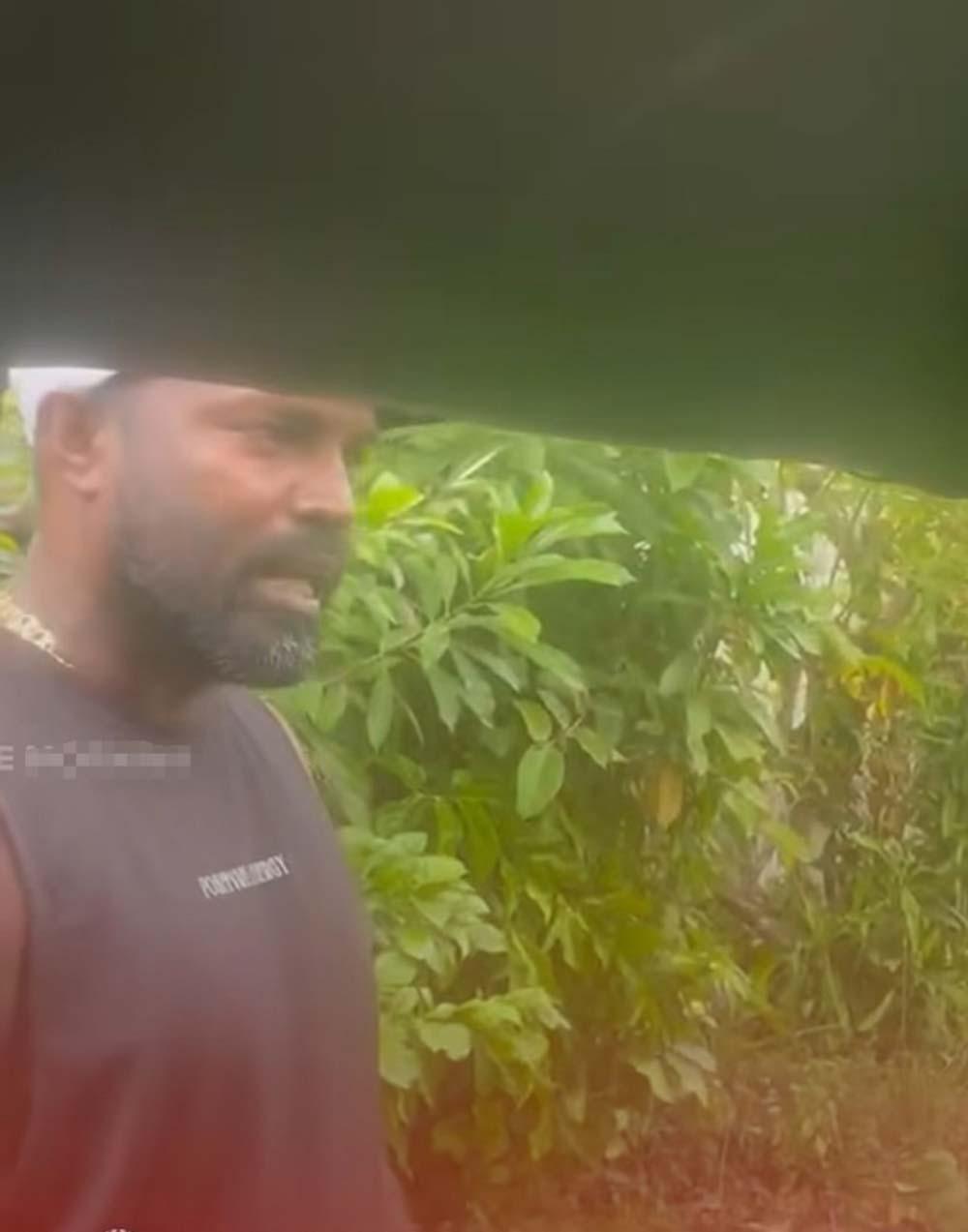 The footage, recorded by a tourist, shows a man wearing a “POSITIVE ENERGY” shirt aggressively confronting a three-wheeler driver after the driver had returned from dropping off passengers. The individual is seen threatening the driver with physical harm, highlighting a problem that has repeatedly surfaced in Sri Lanka’s tourist destinations: drivers who operate outside traditional three-wheeler stands facing intimidation when they enter areas where local drivers consider themselves entitled to the available hires.
While one incident cannot represent the thousands of three-wheeler drivers who make an honest living across the country, the recurrence of such confrontations raises a serious question: who controls the right to pick up a passenger on a public road?
The phrase “tuk-tuk mafia” is not an official classification. It is a term used by travellers, drivers and sections of the public to describe groups of three-wheeler operators accused of using intimidation, threats or collective pressure to protect their territory and prevent competition.
And this is not a new concern.
Complaints about aggressive groups of three-wheeler drivers have appeared in travel forums for years, particularly around tourist-heavy locations such as Kandy, Ella and the southern coastal belt. Travellers have described being approached at transport hubs and being quoted fares they considered excessive, while some have reported difficulty arranging alternative transport from areas controlled by groups of drivers.
The issue moved beyond traveller complaints in February 2023, when Police launched an investigation after a video showed three men in Galle stopping an app-based three-wheeler driver who had picked up foreign tourists.
The men were seen verbally abusing and warning the driver not to take passengers from their area. The Tourist Police said at the time that although no formal complaint had been received, an investigation was launched because foreigners were involved.
The problem became more serious in December 2025, when disputes between conventional three-wheeler operators and drivers affiliated with ride-hailing platforms such as PickMe and Uber escalated in several parts of the country.
One of the most serious incidents reported during that period occurred in Ella. According to reports, a 43-year-old driver, Samanthi Pathiranage Wijesinghe, was confronted by a group after transporting passengers from Sigiriya to Ella. She was reportedly verbally abused and threatened, while the group grew to around 30 people. When she attempted to record the incident, she said she was physically confronted and her phone was demanded. Her purse, containing her driving licence and bank cards, was also reportedly taken.
Another driver, retired army officer Maduma Liyanage Subhashana, was reportedly surrounded by around 30 three-wheeler drivers after bringing tourists to Ella. He said the group demanded that he leave the area and that several men subsequently attacked his vehicle, damaging the windscreen and bonnet.
A third driver, M.R. Nalin Manjula Rathnayaka, also reported being confronted by a group after arriving in Ella with Italian tourists. He alleged that the group told him he had no right to take passengers in the area and attempted to grab his phone. He later lodged a complaint with the Police and the Human Rights Commission.
These incidents demonstrated that the dispute was no longer simply about passengers choosing one vehicle over another. It had become a confrontation between competing forms of transport.
The rise of ride-hailing applications has fundamentally changed the way passengers find three-wheelers. Instead of approaching a group of drivers and negotiating a fare, passengers can enter a destination into an application and receive a price before the journey begins. The driver receives the booking, and the trip is recorded digitally.
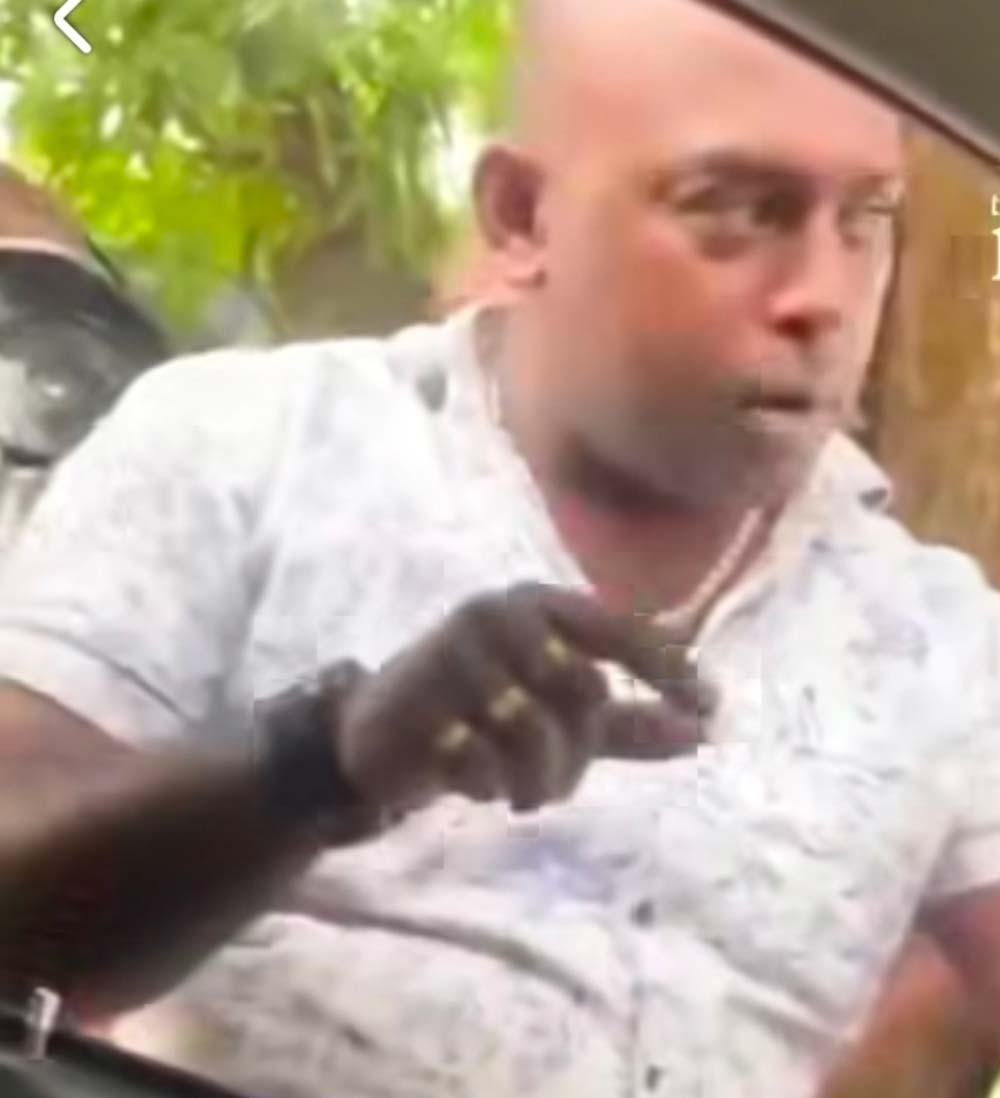 For passengers, this can offer convenience and transparency. For some traditional drivers, however, app-based transport represents direct competition. In January 2026, the Sri Lanka Police publicly addressed disputes between conventional three-wheeler operators and drivers affiliated with PickMe and Uber. Police said that following the December 2025 dispute in Ella, protests and confrontations had occurred in multiple locations. The Inspector General of Police stressed that complaints involving mob violence, physical assault, intimidation or threats would be dealt with under the country’s criminal law, regardless of organisational or trade affiliations. That distinction is important. Economic competition can be debated. Fare structures can be challenged. Government policy can be criticised. Drivers can demand regulation. But none of those grievances gives an individual or group the right to threaten another driver.
At the heart of the problem is also a wider regulatory question. For years, three-wheelers have operated as an important part of Sri Lanka’s transport network, particularly for short-distance and last-mile journeys. Yet the sector has faced questions over fare structures, registration, professional standards and accountability. The December 2025 disputes prompted renewed calls for clearer regulation. The Government has discussed formally recognising three-wheeler drivers and establishing standards for the sector, while the National Transport Commission has been involved in developing regulations.
A consistent regulatory framework could address several of the tensions that currently fuel disputes: how fares are determined, where vehicles can operate, how complaints are made and what standards drivers are expected to follow. But regulation alone cannot solve intimidation. There must also be a clear understanding that public roads and tourist destinations cannot become privately controlled territories. The consequences extend beyond the drivers involved.
For a tourist, an encounter with an aggressive group immediately becomes a question of safety. A visitor who sees a driver being threatened for accepting a booking may reasonably wonder whether they themselves are safe in the vehicle. That is particularly damaging for a country whose tourism industry depends heavily on its reputation for hospitality.
The vast majority of Sri Lanka’s three-wheeler drivers should not be defined by the behaviour of a small group. Many provide an essential service every day, often under difficult economic conditions. But the solution cannot be to ignore repeated allegations of intimidation simply because they involve only a minority. The Weligama footage is therefore more than another viral video. It is a reminder of a problem that has appeared repeatedly across Sri Lanka, from Galle and Kandy to Ella and the southern coast. A passenger should be free to choose how they travel. A driver should be free to accept a lawful hire. And competition between two transport providers should be settled through better service, fair pricing and clear regulation; not threats, intimidation or violence. If Sri Lanka wants to present itself as a welcoming destination for visitors, that freedom has to apply on its roads as well.