THE PROBLEM WITH LOOKING EXPENSIVE.
WHEN DID LOOKING WEALTHY BECOME MORE IMPORTANT THAN LOOKING STYLISH?
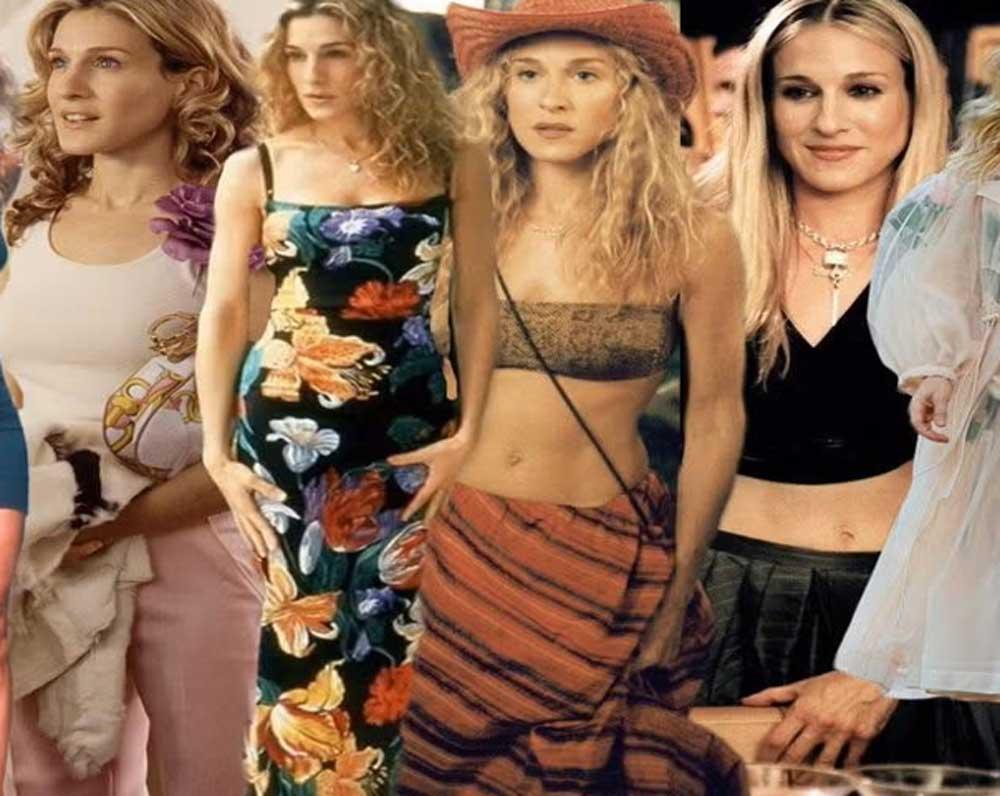
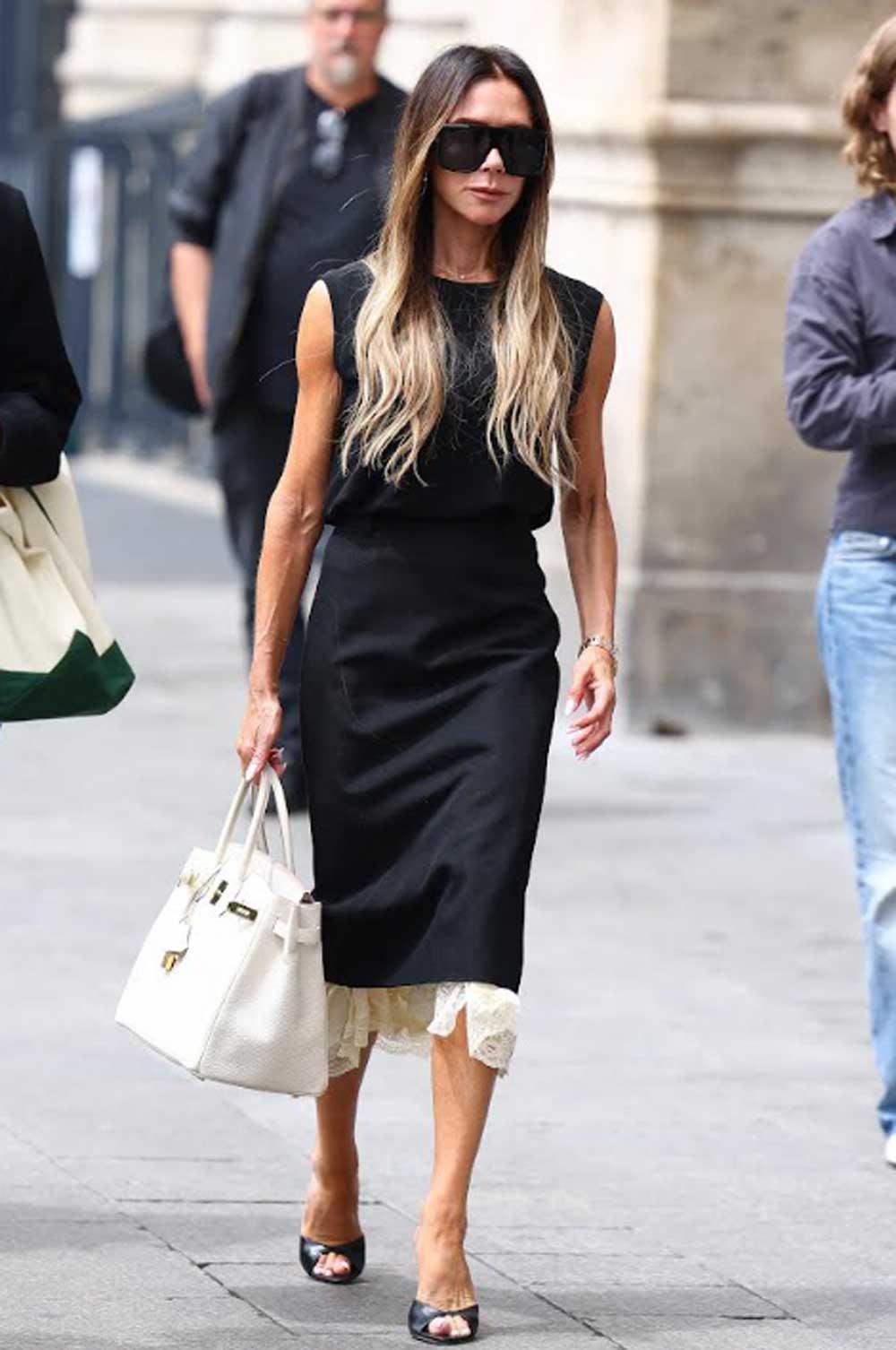
Apparently, the worst thing an outfit can be these days is cheap-looking. Not boring, not unimaginative, not even badly styled. Just cheap. Open TikTok or Instagram, and within minutes, someone will be explaining why your handbag is making your outfit look inexpensive, why certain colours should be avoided and why swapping your jewellery for something more understated will instantly make you look wealthier. There are tutorials on how to dress like old money, guides to achieving the rich-girl aesthetic and endless lists of things that supposedly make an outfit look expensive. Somewhere along the way, looking wealthy became a style goal in itself. And I can't help but wonder when that happened. Fashion has always had a complicated relationship with money. Designer labels, luxury handbags and exclusive collections have long served as symbols of status. But there is something particularly interesting about our current obsession with looking expensive, because it isn't necessarily about owning expensive things. It's about creating the impression that you do. The right shade of beige, a perfectly tailored trouser, a minimalist handbag and a pair of delicate gold earrings have become the unofficial uniform of sophistication.
Of course, there's nothing wrong with wanting to look polished. I love a beautifully trouser jacket as much as the next person, and there's a reason certain wardrobe staples never go out of style. But when did we decide that looking expensive was the same thing as having good taste?
The Quiet Luxury Effect
To understand how we arrived here, we have to look at the rise of quiet luxury. The aesthetic became particularly prominent in 2023, helped along by the wardrobes of Succession, Sofia Richie Grainge's much-discussed wedding and a renewed fascination with the idea of old money. Suddenly, fashion was less interested in showing off designer labels and more interested in looking as though you had never needed to show them off in the first place. Think cashmere jumpers, perfectly pressed trousers, neutral colour palettes and handbags that cost thousands but were deliberately difficult to identify. There was something appealing about it. After years of oversized logos, flashy accessories and rapidly changing trends, the simplicity felt refreshing. It encouraged people to think about quality, longevity and the appeal of clothes that didn't need to announce themselves. But as with most fashion trends, what began as an appreciation for understated dressing quickly became a set of rules.
Beige was elegant. Bright colours were questionable. Minimalism was sophisticated. Anything too embellished, too revealing or too obviously fashionable risked being labelled tacky. And perhaps the strangest part was that an aesthetic originally associated with effortless wealth became something people were putting an extraordinary amount of effort into recreating. The internet was suddenly filled with tutorials explaining how to look like someone who didn't care about fashion, which, when you think about it, is quite funny. One of the most interesting things about fashion today is the language we use to describe it. Scroll through the comments beneath a beautifully styled outfit and you'll often find someone declaring that it looks expensive. It's intended as the ultimate compliment. But what does that actually mean?
Does it mean the clothes fit well? That the colours work together? That the person wearing them has an eye for proportion? Or does it simply mean the outfit resembles something we associate with wealth? We've become remarkably good at identifying the visual codes of luxury. A monochromatic outfit, a structured handbag, understated jewellery and neatly styled hair can instantly communicate a certain image. Yet the more these formulas circulate online, the more predictable they become. There's a particular irony in watching thousands of people attempt to achieve individuality by following exactly the same instructions. And this is where I think the obsession with looking expensive becomes a little problematic. Not because there's anything wrong with the aesthetic itself, but because it has started to narrow our understanding of what good style can look like.
An outfit can be colourful, excessive, unusual or completely impractical and still be incredibly chic. Equally, someone can be dressed head to toe in designer clothing and look entirely unremarkable. The price tag, or the illusion of one, doesn't automatically make an outfit interesting.
Money Can Buy Fashion. It Can't Buy Style.
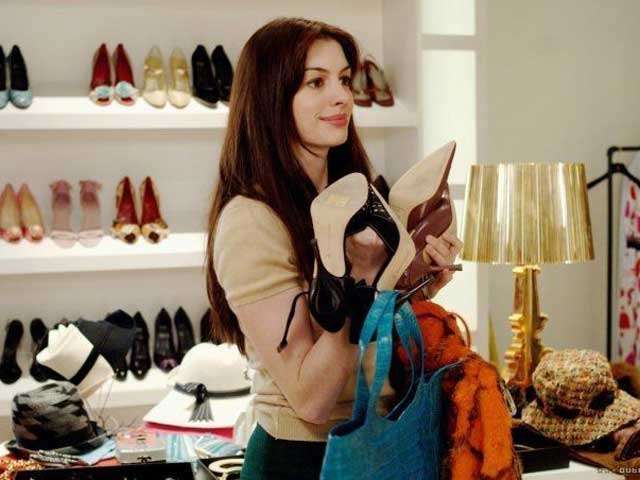
Think about some of the women whose wardrobes we continue to reference decades later. Carrie Bradshaw wore tutus with tank tops, mixed vintage pieces with designer heels and treated getting dressed like an opportunity to experiment. Her outfits weren't always conventionally elegant, and some were downright questionable. But that was precisely what made them memorable. Kate Moss built an entire style identity around seemingly effortless combinations of vintage clothing, slip dresses, denim and leather jackets. Her appeal was never simply about looking wealthy. It was about making clothes feel distinctly her own. Then there's Iris Apfel, whose oversized glasses, extravagant jewellery and unapologetic love of colour made her one of fashion's most recognisable figures. Almost everything about her approach to dressing challenged the minimalist formula that the internet now associates with sophistication. These women didn't become style icons because they followed a checklist of things that made them look expensive. They became style icons because they had a point of view. That's what I find increasingly absent from the conversation surrounding personal style. We spend so much time discussing what makes an outfit look luxurious that we sometimes forget to ask whether it's actually interesting. A vintage jacket found in a second-hand shop can have more personality than a designer blazer. An unusual piece of jewellery can transform an otherwise ordinary outfit. A dress that technically breaks every styling rule might be the most memorable thing in the room. Good style has never been exclusively reserved for people with money. Some of fashion's most exciting moments have come from people who knew how to make something out of very little.
The Fear of Looking Cheap
What I find particularly fascinating is how quickly the word 'cheap' has become an insult in fashion. A handbag can be described as cheap-looking because of its hardware. A dress can be dismissed because of its fabric. An outfit can be criticised for having too many accessories, the wrong shoes or a colour combination that apparently doesn't communicate wealth. And while there are legitimate conversations to be had about quality and craftsmanship, these judgements often have very little to do with either. Sometimes, what people really mean by cheap is simply that something doesn't fit the current definition of sophistication. Take the obsession with neutral colours. A beautifully styled beige outfit can look wonderful, but so can an electric-blue dress, a leopard-print coat or an oversized pair of statement earrings. One isn't inherently more tasteful than the other. Fashion would be incredibly boring if everyone agreed on what looked good.
Yet social media has made it remarkably easy to turn personal preferences into universal rules. A creator shares five things that make an outfit look cheap, the video receives thousands of views, and suddenly those five opinions begin circulating as though they're established fashion principles. Before long, people start questioning clothes they previously loved because someone online has decided they're no longer sophisticated. And that's a shame, because personal style should be about discovering what you enjoy wearing, not constantly worrying about whether someone else considers it expensive enough. Perhaps no accessory illustrates this shift quite like the Hermès Birkin.
Once considered one of fashion’s ultimate status symbols, the Birkin represented something beyond its extraordinary price tag. Named after Jane Birkin, the bag became synonymous with exclusivity, craftsmanship and a kind of luxury that didn’t need explaining. It wasn’t simply something you could walk into a shop and purchase. Its limited availability, meticulous construction and the difficulty of acquiring one contributed to its almost mythical reputation Owning a Birkin suggested that you belonged to a world most people could only observe from the outside Today, however, the Birkin occupies a rather different place in popular culture.
Open Instagram or TikTok and you’re likely to encounter one being unboxed, displayed in a walk-in wardrobe or casually positioned beside an expensive coffee. What was once a relatively discreet symbol of wealth has become one of the most recognisable accessories in the influencer wardrobe. The Birkin hasn’t necessarily become more accessible, but it has certainly become more visible and that distinction matters, the bag itself hasn’t fundamentally changed. Hermès continues to produce exceptional leather goods, and the craftsmanship behind a Birkin remains part of its appeal. What has changed is the way we consume it. An accessory once associated with rarity has become a familiar feature of our daily social media feeds, often presented less as an object of design and more as proof of a particular lifestyle.
In some ways, the Birkin has become the ultimate influencer bag. Not because every influencer owns one, but because its presence communicates something instantly recognisable: success, money and access. Yet when something becomes so closely associated with demonstrating wealth, does it begin to lose the very mystique that made it desirable. There is a certain irony in the fact that a bag originally celebrated for its exclusivity has become such a prominent part of online luxury culture. The more frequently we see it, the less extraordinary it can begin to feel. Of course, the Birkin remains an extraordinary object in its own right. But its transformation raises an interesting question about modern luxury. Are we still drawn to beautiful things because of their craftsmanship, history and design, or because of what owning them allows us to communicate to everyone else? Perhaps the real downfall of the Birkin isn’t that it has become any less luxurious. It’s that we’ve become so accustomed to seeing luxury performed online that even fashion’s most exclusive objects can start to feel ordinary.
Perhaps It's Time to Look Interesting Instead
None of this is to suggest that we should abandon understated dressing or suddenly fill our wardrobes with sequins and extravagant accessories. Minimalism can be just as expressive as maximalism when it's a genuine reflection of someone's taste. The problem isn't looking expensive. It's treating expensive-looking as the highest achievement in fashion. There is something wonderfully refreshing about people who wear what they love without feeling the need to justify it. The woman who always wears an excessive amount of jewellery. The friend who somehow makes the strangest vintage finds look incredible. The person who wears bright red when everyone else is dressed in black. Their outfits might not always follow the rules, but they have something far more valuable than the appearance of wealth: personality. And perhaps that's what we've been overlooking. The most memorable outfits aren't necessarily the ones that look the most expensive. They're the ones that make you look twice. The ones that tell you something about the person wearing them. The ones that couldn't quite belong to anyone else. Fashion should be fun. It should allow us to experiment, make mistakes, change our minds and occasionally wear something completely ridiculous simply because we love it. There will always be a place for beautiful tailoring, luxurious fabrics and timeless pieces. But there should be just as much room for colour, eccentricity, unexpected combinations and clothes that make absolutely no attempt to communicate wealth. Because at the end of the day, looking expensive is relatively easy to imitate. Developing a sense of style that feels entirely your own is much harder. And personally, I'd much rather be remembered for having great style than for looking like I fit a trend.