THE CEYLON THEY SAW, AND THE SRI LANKA WE ARE STILL TRYING TO UNDERSTAND
By Shaleeka Jayalath
There are some exhibitions we visit to admire art. There are others we leave carrying questions. The George Keyt Foundation's 19th Century Views of Ceylon belongs firmly to the latter. I walked in expecting to see paintings; I walked out wondering whether history itself can ever truly be objective.
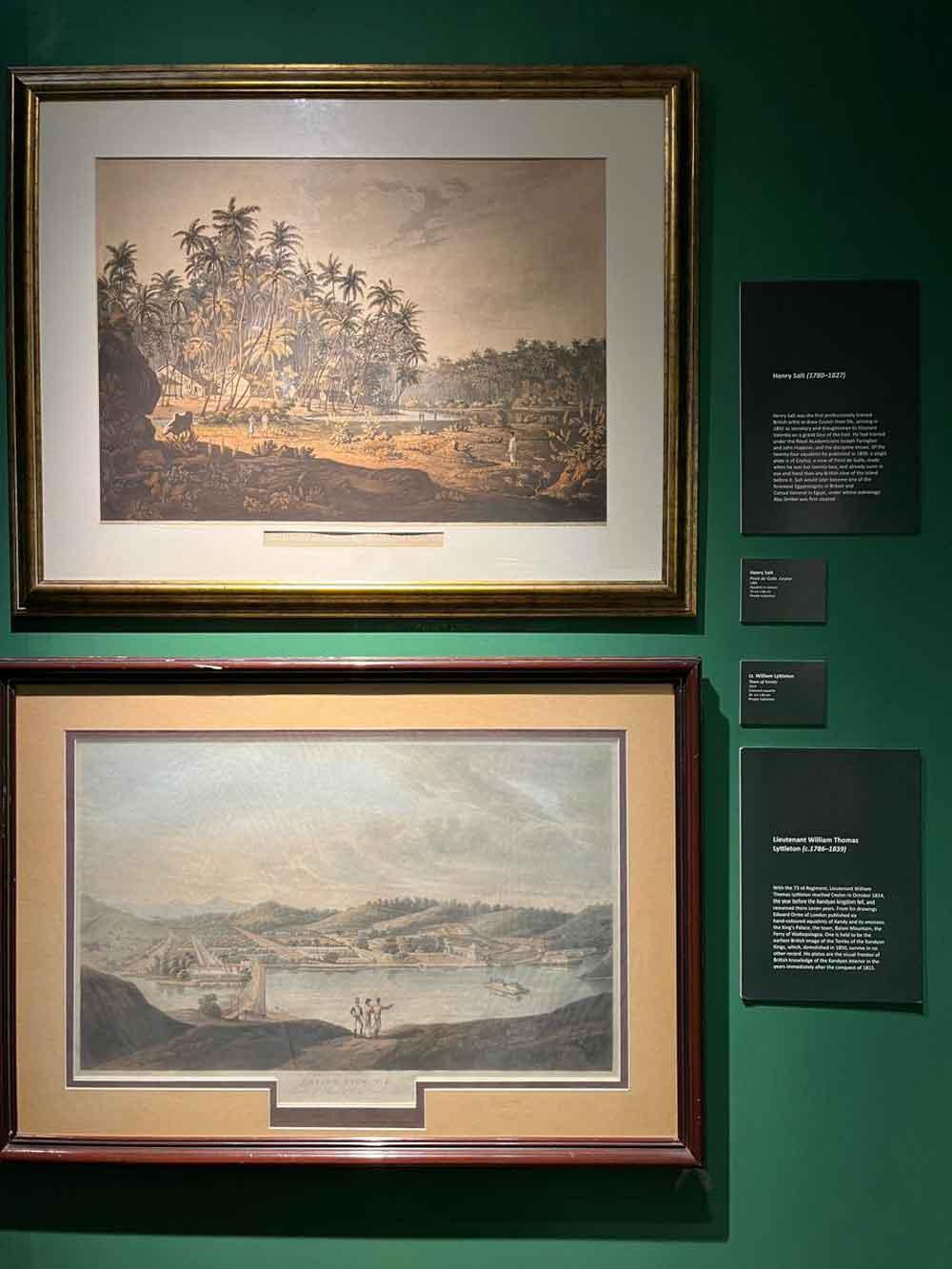
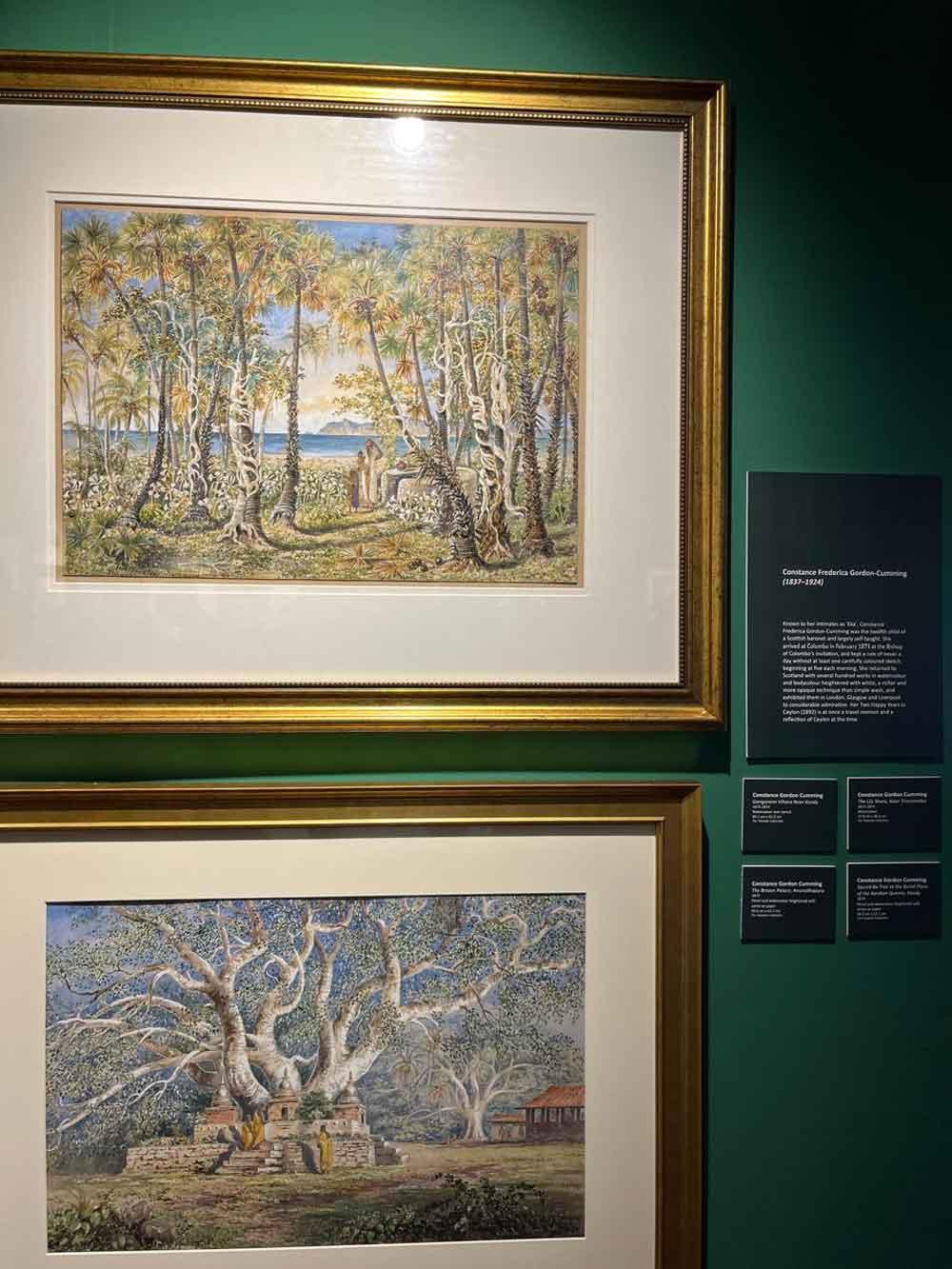
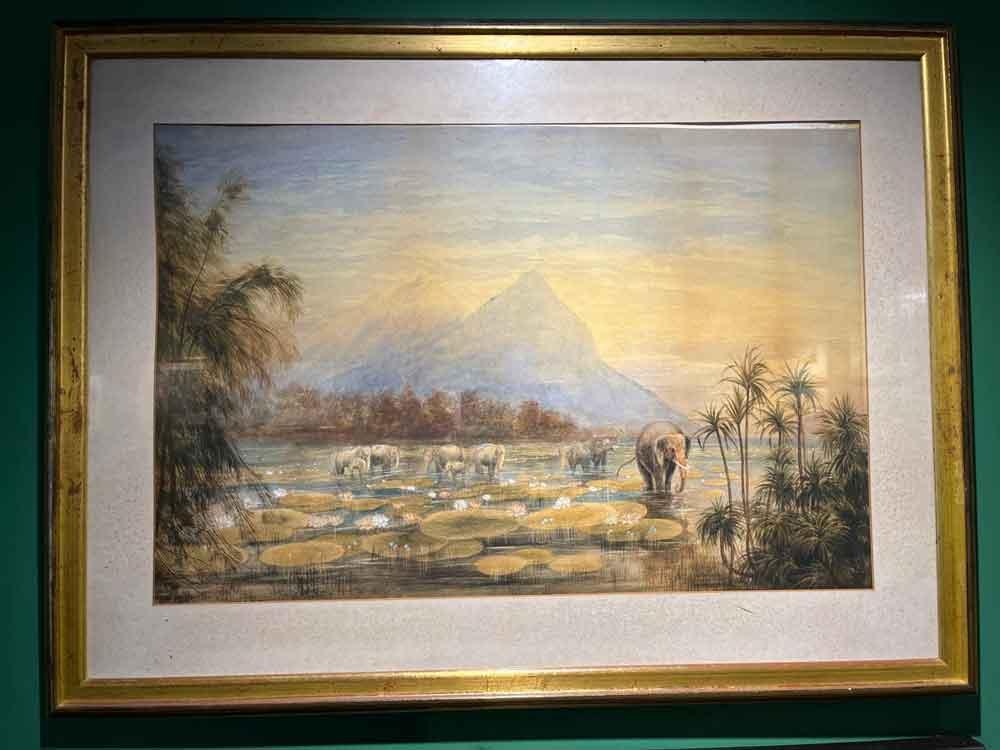
For most Sri Lankans, almost every image on display represented something entirely new. These were not the familiar colonial photographs that have found their way into history textbooks or social media. They were paintings, sketches and prints that, for generations, remained in private collections or overseas archives, largely unseen by the people whose country they depicted. That alone makes the exhibition remarkable. The British High Commission, together with the George Keyt Foundation and the private collectors who generously loaned these works, deserve sincere appreciation for making them accessible. Whatever conversations we continue to have about empire, restitution and colonial legacy, this exhibition gave Sri Lankans something precious: the opportunity to see nineteenth-century Ceylon through the eyes of those who encountered it.
Yet whose eyes were they?
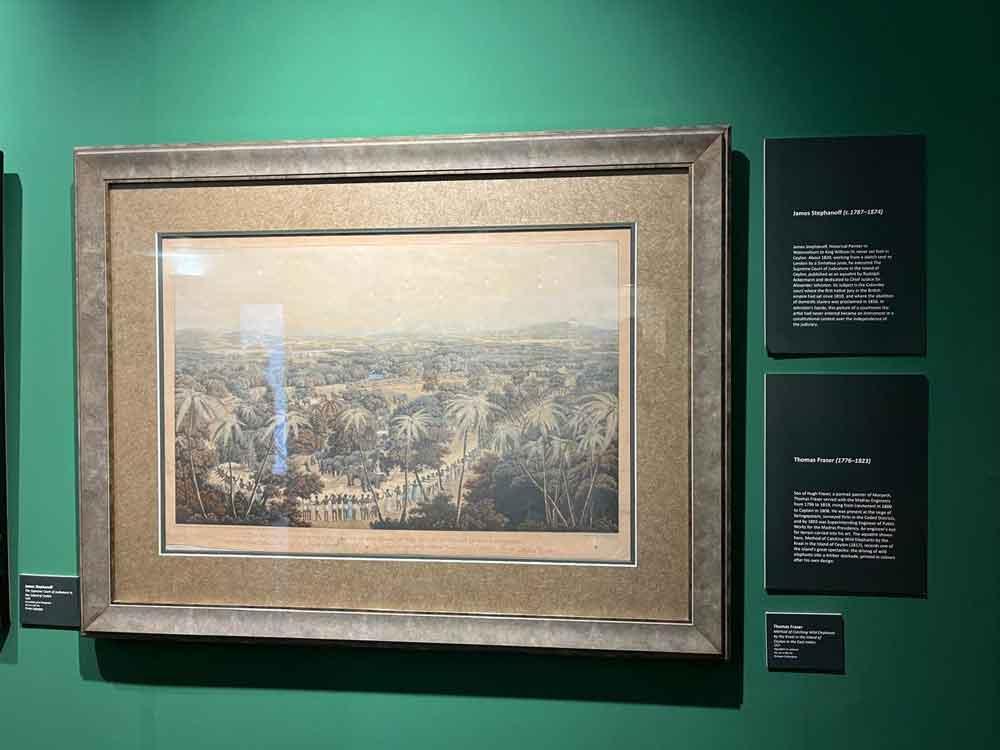
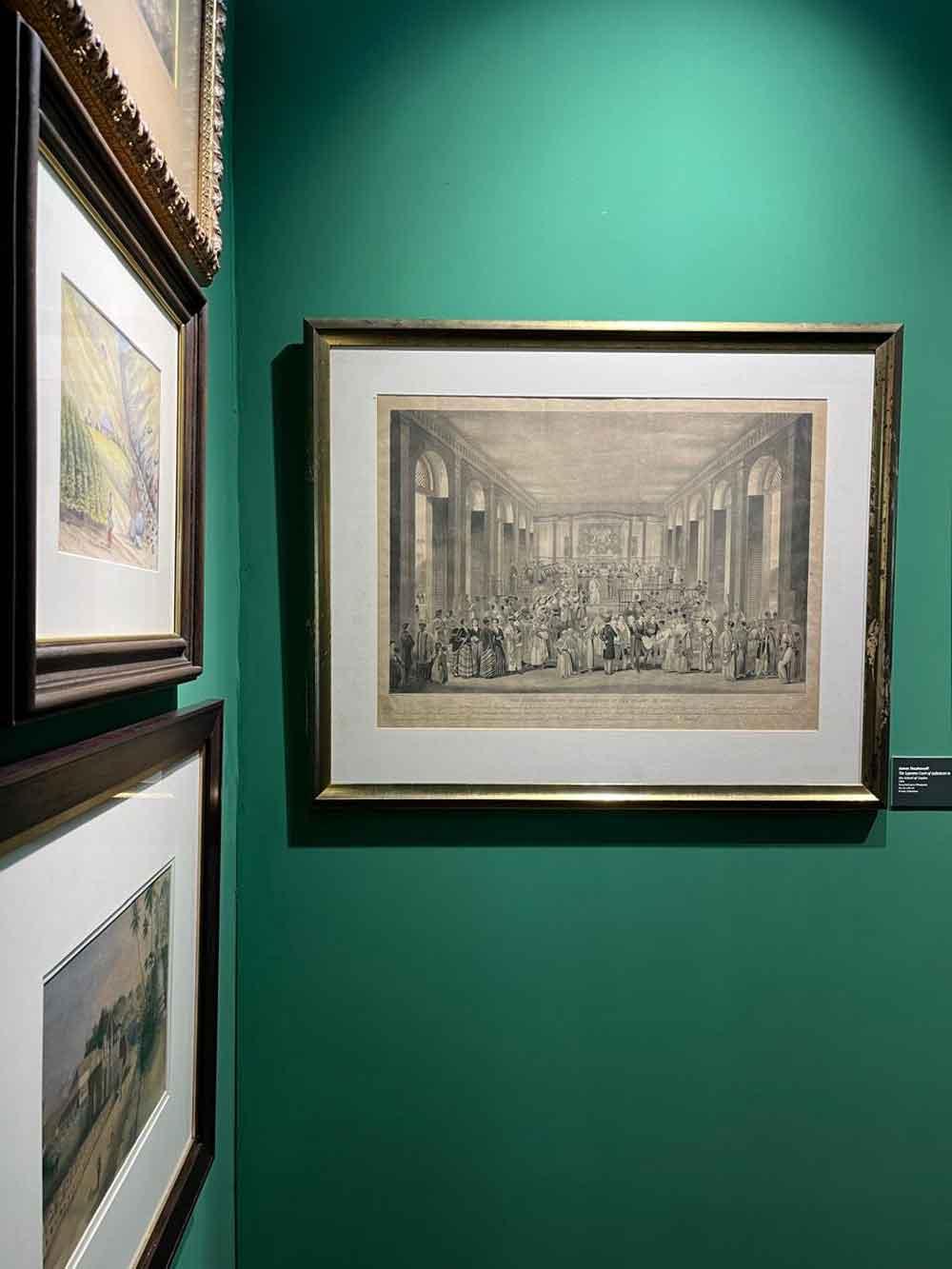
The exhibition tells us that for nearly two centuries British artists travelled through Ceylon recording landscapes, monuments, plantations, courtrooms and everyday life. Some painted directly from observation. Others worked from sketches that had been sent back to Britain. James Stephanoff, Historical Painter in Watercolours to King William IV, for example never actually set foot in Ceylon. Working in London from a sketch supplied by a Sinhalese juror, he produced The Supreme Court of Judicature in the Island of Ceylon, an image that would shape how Britain imagined justice in one of its colonies. If an artist has never seen the place he paints, what exactly is he painting? Is it Ceylon as it truly was, or Ceylon as Britain wished to see it?
That question quietly followed me from one frame to the next.
History often gives us the comforting illusion that documents are facts. Paintings are no different. We instinctively trust them because they appear to record reality. But every artist chooses where to stand, what to include, what to omit, what deserves sunlight and what remains hidden in shadow. Every painting is therefore both observation and interpretation. The artists were undoubtedly documenting the island. At the same time, they were inevitably filtering it through their own experiences, assumptions and purposes.
Yet to dismiss these works merely as colonial propaganda would be both unfair and intellectually lazy.
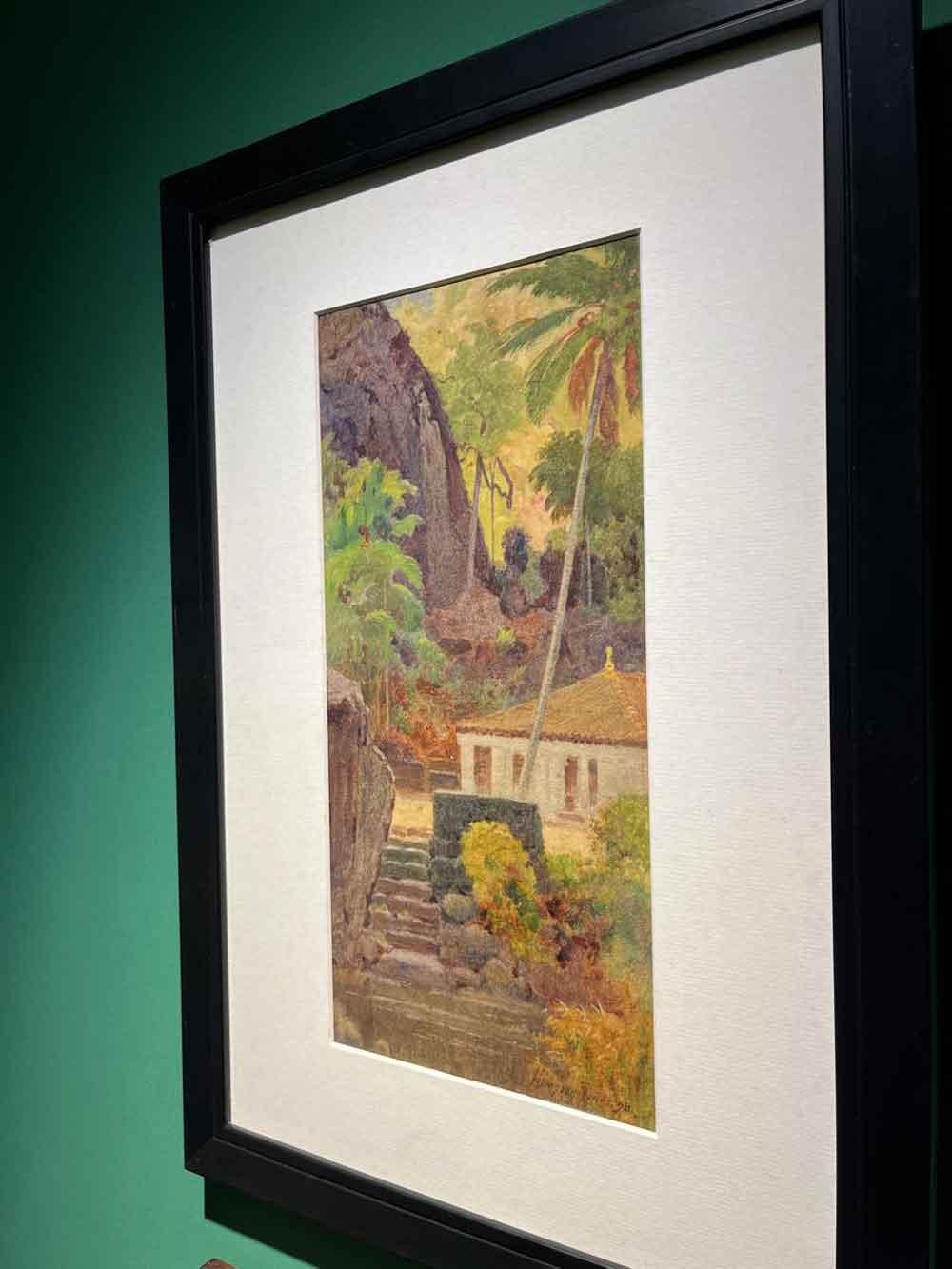
Many of the landscapes reveal something else entirely: admiration. The sweeping views of mountains, the painstaking attention given to ruined temples in Anuradhapura and Polonnaruwa, the careful rendering of forests and coastlines suggest artists who had fallen under the spell of the island's extraordinary beauty. Andrew Nicholl, who arrived in 1846 as the first teacher of painting at the Colombo Academy, painted watercolours that so impressed Queen Victoria that three entered the Royal Collection. Henry Salt, who first came to Ceylon in 1802 before becoming one of Britain's great Egyptologists, approached the island with the eye of both artist and explorer. Lieutenant William Thomas unknowingly preserved the earliest surviving British image of the Tombs of the Kandyan Kings, structures that would later disappear entirely. Without his drawing, an important fragment of our own architectural history might have vanished forever.
There lies one of history's great ironies. Sometimes those who came to conquer became the custodians of the very civilisation they were helping to transform.
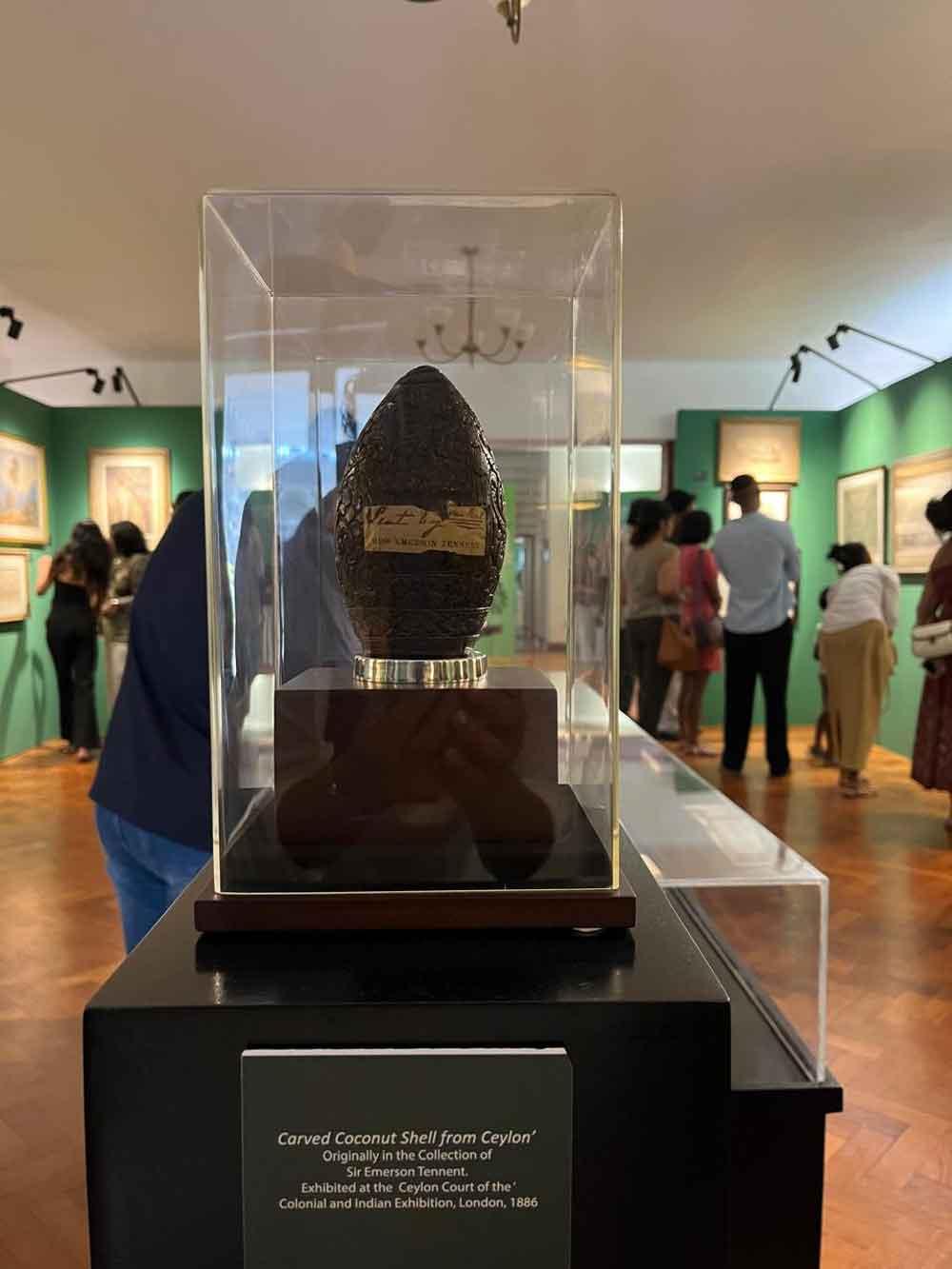
This thought led me back to a question I explored previously when writing about cultural restitution. Around the world, nations continue to debate whether colonial powers should return artefacts acquired during imperial rule. Paintings, sculptures, manuscripts and ceremonial objects remain scattered across museums far from the cultures that created them. While this exhibition is certainly not restitution in the legal sense, one cannot help wondering whether it represents something else: a willingness to share what has long remained inaccessible. It is not an answer to the debate, nor should it be mistaken for one. But perhaps it is at least a conversation.
Then another, more uncomfortable question emerged: if every one of these paintings were suddenly returned to Sri Lanka permanently, would we be able to care for them?
National pride makes that an awkward question to ask, but education has little value if it avoids uncomfortable truths. Conservation demands climate-controlled storage, specialised restoration, security, insurance, research facilities and sustained investment. We rightly argue that our heritage belongs to us. Yet ownership also carries responsibility. Before demanding that the world return our treasures, we must honestly ask whether we have built the institutions capable of preserving them for generations yet unborn.
Perhaps the exhibition invites one final reflection. History often teaches us that Britain came to Ceylon seeking territory, trade and power. All of that is true. But as I wandered through the gallery, another possibility quietly suggested itself. Did some of those who arrived intending to govern eventually fall in love with the island they encountered? The paintings certainly suggest fascination. Not merely with dramatic scenery, but with architecture, people, rituals and landscapes worthy of careful attention. Colonisation and admiration are not mutually exclusive. Human beings are capable of both exploitation and appreciation at the same time. Recognising that complexity does not excuse empire; it simply makes history more truthful.
Perhaps that complexity also says something about ourselves. We often define our colonial past entirely through what was taken from us. Rarely do we ask what qualities about this island inspired so many visitors to spend countless hours trying to capture it with brush and ink. The answer may reveal as much about Sri Lanka as it does about those who painted her.
That is why 19th Century Views of Ceylon is far more than an art exhibition. It is an invitation to think. About memory. About perspective. About ownership. About gratitude. About responsibility. Above all, it reminds us that history is never simply what happened. It is also who recorded it, why they recorded it, and whether we are willing to question the frame through which we continue to see ourselves.