Reputation in the Age of Digital Trial: Why Media, Law and Communications Must Work Together.
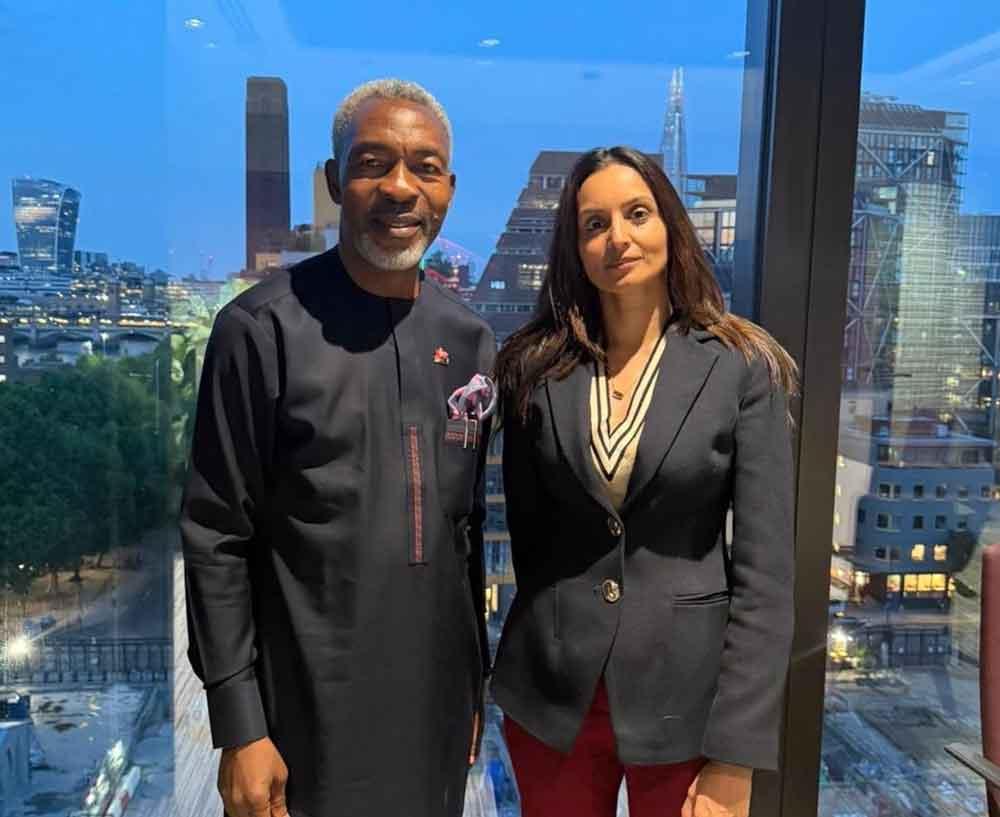
By: Rishini Weeraratne
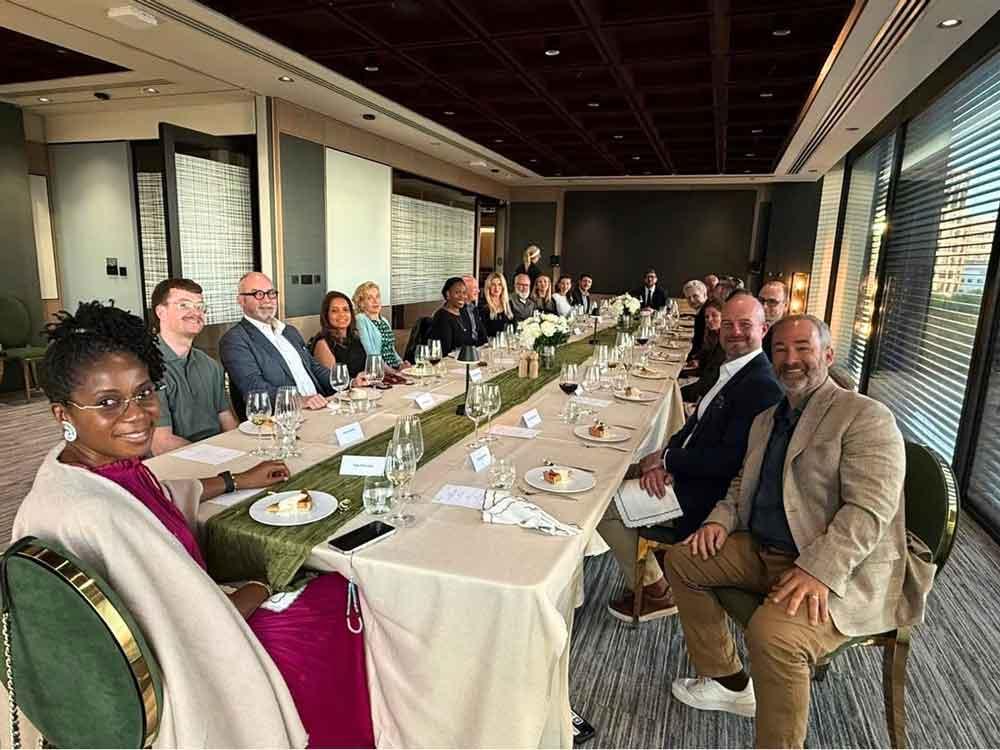
Last week, I attended the CIPR Executive Dinner Series in London, co-hosted by Farzana Baduel, Founder and CEO, Curzon PR, and President of The Chartered Institute of Public Relations (CIPR, UK) and Adam Glass, Partner, Lewis Silkin. The evening brought together twenty-five professionals working across law, media, communications, and podcasting, and was hosted at the offices of Lewis Silkin in London. The theme of the evening was Reputation Management, a subject that has become increasingly urgent in a world shaped by social media outrage, misinformation, online harassment, cancel culture, and rapidly shifting public sentiment. Around the table sat people whose work exists at the pressure points of reputation: advising organisations, managing crises, navigating legal risk, protecting public trust, and understanding how communications and law intersect in an age where perception can become reality overnight. What struck me most was how universal these concerns have become. Whether one works in government, media, corporate communications, law, or journalism, the conversation inevitably returned to the same central question: how do individuals, companies, and even countries protect their reputations in a digital world where narratives move faster than facts?
The evening’s discussions explored several themes surrounding modern communications and reputation management. One particularly engaging conversation focused on the United Kingdom’s enduring soft power, driven through institutions such as British universities, the BBC, the legal system, academia, the arts, and the public relations industry. Britain’s global reputation, it was noted, has been carefully cultivated through credibility, governance, storytelling, and trust built over generations. The conversation also examined the growing challenges communicators face in an increasingly fragmented media landscape. With shrinking budgets and audiences dispersed across digital platforms, reaching the public has become significantly more complex. Social media has democratised communication while also deepening polarisation and distrust in institutions, making effective messaging far more nuanced than traditional campaigns once required. Another key point was that crisis communications can no longer remain a specialist field alone. Today’s communicators are expected to possess broader contextual intelligence across politics, economics, culture, policy, and digital behaviour.
As I sat listening to the experiences shared around the room, I found myself reflecting deeply on my own journey in communications, media, and reputation management. In 2010, together with Minoli Ratnayake, I co-founded The Colombo Lifestyle Co. Over the years, we executed numerous successful PR and communications campaigns on behalf of both local and international clients. We shaped brand narratives, managed corporate storytelling, developed strategic communication campaigns, managed large scale conferences and events, and helped organisations navigate crises. Our work spanned state institutions, multinational companies, private sector organisations, and high-profile individuals.
Reputation management sat at the heart of almost everything we did. We understood early that reputation is not simply about visibility. It is about trust, credibility, perception, consistency, and emotional connection.
Over time, however, I became increasingly aware of the darker realities that accompany public visibility. For years, I endured online harassment, defamation, intimidation, and blackmail orchestrated by digital tabloid platforms operating across international jurisdictions. These platforms often thrive on sensationalism, misinformation, personal attacks, and deliberate character assassination, while victims are left with little meaningful legal recourse, particularly in countries such as Sri Lanka, where digital regulation remains underdeveloped and inconsistently enforced. Ultimately, these experiences influenced my decision to transition into media full-time. Becoming part of the media industry itself provided a degree of protection, but more importantly, it enabled me to build platforms where women could tell their own stories, reclaim ownership of their narratives, and better navigate reputation management in the public sphere. This work felt especially necessary because women continue to face disproportionately harsh scrutiny in both public and corporate life.
Recently, Sri Lanka witnessed a major financial fraud involving a leading institution. Although investigations suggested the fraud was orchestrated at managerial level, public outrage on social media disproportionately targeted a respected female board member who had no direct involvement. Years of professional achievement were quickly overshadowed by misinformation and viral judgement. What struck me most was how swiftly corporate communications teams moved to protect the company’s reputation, while individuals caught in the fallout were often left vulnerable. In Sri Lanka, public perception and media pressure frequently shape responses from authorities, making “trial by media” an increasingly powerful force in both corporate and public life.
This raises an important question: what exactly is reputation management today?
For corporations, reputation management often involves crisis communication strategies, media handling, stakeholder engagement, legal frameworks, digital monitoring, and public relations campaigns. But for individuals, particularly women, reputation management has become deeply personal and emotionally exhausting. An individual today must actively manage their digital footprint. Every social media post, photograph, comment, interview, or public interaction contributes to an online identity that employers, investors, institutions, and the public can instantly access. In a world increasingly driven by algorithms and search engines, reputations are now searchable commodities. A damaged digital footprint can affect career opportunities, investment decisions, partnerships, speaking engagements, and even personal relationships. Employers routinely review social media profiles before hiring. Investors assess leadership credibility online before committing capital. Public trust can evaporate rapidly if narratives spiral out of control digitally.
Sri Lanka today has approximately ten million social media users within a population of around twenty-two million people. Platforms such as Facebook, TikTok, Instagram, YouTube, LinkedIn, and X have become dominant sources of information, particularly among younger demographics. This means online narratives now influence public opinion at an unprecedented scale. Yet until recently, Sri Lanka lacked coherent digital legislation to address issues such as cyber harassment, revenge pornography, fake news, defamation, and online abuse. I recall several years ago when multiple organisations, including my team at Wijeya Newspapers, together with leaders such as Dr. Sulochana Segera, Women in Management, and several other stakeholders, worked alongside the Ministry of Justice and the Ministry of Youth Affairs to help shape discussions around what eventually became the Online Safety Act. The original intention behind these conversations was clear. We hoped to create legal safeguards that would protect ordinary citizens from digital abuse, online harassment, revenge porn, misinformation, and defamation while ensuring accountability in the digital sphere. Unfortunately, the final version of the Online Safety Act, developed with little oversight from private sector organisations or individual stakeholders, has since become deeply controversial. Human rights groups, activists, and media watchdogs have widely criticised the legislation for its potential to undermine freedom of expression and expand state control over online discourse. Critics argue that rather than protecting vulnerable individuals from harassment, the law could instead be used as a tool for suppressing dissent and shielding political figures from scrutiny.
This highlights a much larger challenge facing Sri Lanka today: the absence of a long-term national communications strategy. Unlike countries that strategically invest in nation branding, Sri Lanka continues to operate primarily through reactive communications. We respond to crises after they emerge rather than proactively shaping narratives about the country. There remains no independent Communications Commission that transcends political cycles and develops a cohesive communications blueprint for Sri Lanka. Such an institution could help manage nation branding, crisis communications, tourism messaging, investment positioning, international perception management, and digital diplomacy in a strategic and consistent manner. Countries compete not only through economics and policy but also through reputation. Nation branding affects tourism, foreign investment, diplomatic relations, global partnerships, and international trust. A country without a coherent communications strategy risks allowing others to define its narrative externally.
At the same time, there is an urgent need to professionalise communications and public relations further within Sri Lanka. The work carried out by the Chartered Institute of Public Relations in the United Kingdom offers an important example. The CIPR has long championed ethics, governance, professional standards, policy development, education, and accountability within the communications industry. Its work emphasises that public relations is not merely publicity generation. It is a profession rooted in ethics, trust, transparency, and responsibility. There is tremendous value in introducing more of these frameworks, training programmes, ethical standards, and accreditation systems into Sri Lanka in the years ahead.
Equally important is the work carried out by the Public Relations Association of Sri Lanka, which continues to play a critical role in standardising the local PR industry, encouraging professionalism, building capacity, and promoting ethical communications practices within the country.
The future of reputation management cannot belong solely to lawyers, journalists, or PR professionals working independently. The challenges are now too interconnected. Media shapes narratives. Lawyers protect rights and navigate regulatory frameworks. Communications professionals manage messaging, trust, stakeholder engagement, and crisis response. Increasingly, these professions must collaborate closely if society hopes to tackle misinformation, online harassment, fake news, and defamation effectively. Women, in particular, continue to bear a disproportionate burden within these conversations. Even today, many women hesitate to pursue leadership positions because of the abuse they may face online or within professional environments. Rumours, innuendo, and misogynistic narratives continue to follow successful women. One of the oldest and most damaging stereotypes remains the insinuation that women “slept their way to the top.” Such toxic narratives discourage ambition, silence talent, and reinforce structural inequality. Society continues to judge women far more harshly than men, particularly when visibility, power, or leadership are involved. That is why reputation management today is no longer a luxury reserved for corporations. It is a survival skill for individuals navigating public life in the digital age.

During my time in Colombo, I worked closely with several local university student organisations to conduct workshops, both in person and virtually, focused on educating young people about the importance of managing their digital footprint from the very beginning. I often reminded students that the moment they opened their first social media account, they began building a public digital identity that could follow them for life. Content they may consider harmless or humorous at the age of thirteen or fourteen can easily resurface years later and impact employment opportunities, university admissions, professional credibility, and even personal relationships when they are twenty-three or twenty-four. In today’s interconnected world, employers, recruiters, investors, and institutions routinely review online profiles before making decisions. Teaching young people to think critically about what they post, share, comment on, and engage with online has therefore become an essential part of preparing them not only for the workplace, but for responsible participation in the digital world itself.
Since moving to London in 2022, my work has focused heavily on managing the external reputation of brands, initially within the fast-casual dining sector for three years, and more recently within the luxury hospitality space over the past year. It has been an especially interesting professional evolution, beginning on the agency side of communications in Colombo, then pivoting into media in Sri Lanka, and now balancing in house external brand communications in the UK while simultaneously continuing to work within the Sri Lankan media industry itself. Occupying both spaces at once offers a uniquely layered perspective on reputation management, understanding not only how brands seek to shape narratives externally, but also how those narratives are interpreted, amplified, challenged, and consumed by media and audiences in real time.
As the evening at the CIPR Executive Dinner came to a close, I left reflecting not only on the challenges facing communications globally but also on the immense responsibility shared by media professionals, lawyers, communicators, and policymakers. Reputation has become one of the most valuable and vulnerable assets any individual, company, or nation possesses. Protecting it requires far more than public relations strategies alone. It demands ethics, accountability, legal reform, responsible media, strategic communication, digital literacy, and above all, empathy. Because behind every headline, every viral post, every trending outrage, and every reputational crisis, there are ultimately human beings trying to navigate a world that increasingly struggles to separate perception from truth.