Kolam and Rangoli: Similar Yet Different
By Yashmitha Sritheran
Across South Asia, the ground often serves as a canvas for some of the region’s most beautiful and meaningful art forms. From the intricate white patterns drawn outside Tamil homes to the vibrant colourful designs that brighten festive celebrations across India, Kolam and Rangoli have long been symbols of creativity, tradition, and community. While the two are often used interchangeably, they are distinct art forms with unique histories and cultural significance.
At first glance, both Kolam and Rangoli may appear similar. They are decorative floor designs created using powders, flowers, or natural materials and are often associated with festivals, celebrations, and religious observances. Yet each tradition carries its own identity, shaped by the communities that have practised and preserved it for generations.
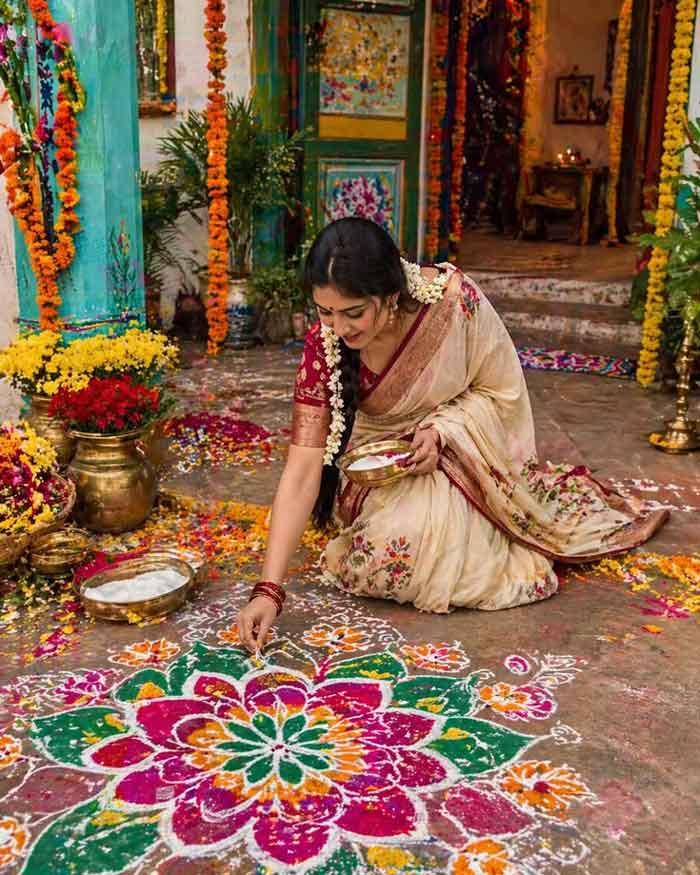
Kolam is primarily associated with Tamil culture and is widely practised in Tamil Nadu and among Tamil communities in Sri Lanka. Traditionally, Kolams are drawn at the entrance of homes using rice flour or finely ground stone powder. The designs are often geometric, featuring dots connected by loops, curves, and symmetrical patterns. For many families, creating a Kolam was once a daily ritual, carried out in the early hours of the morning before the day’s activities began.
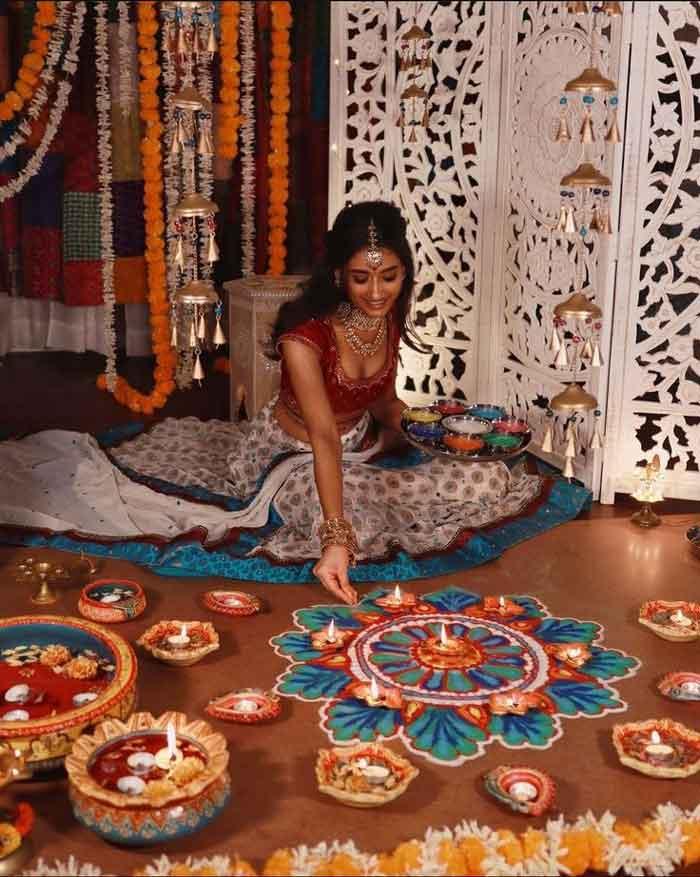
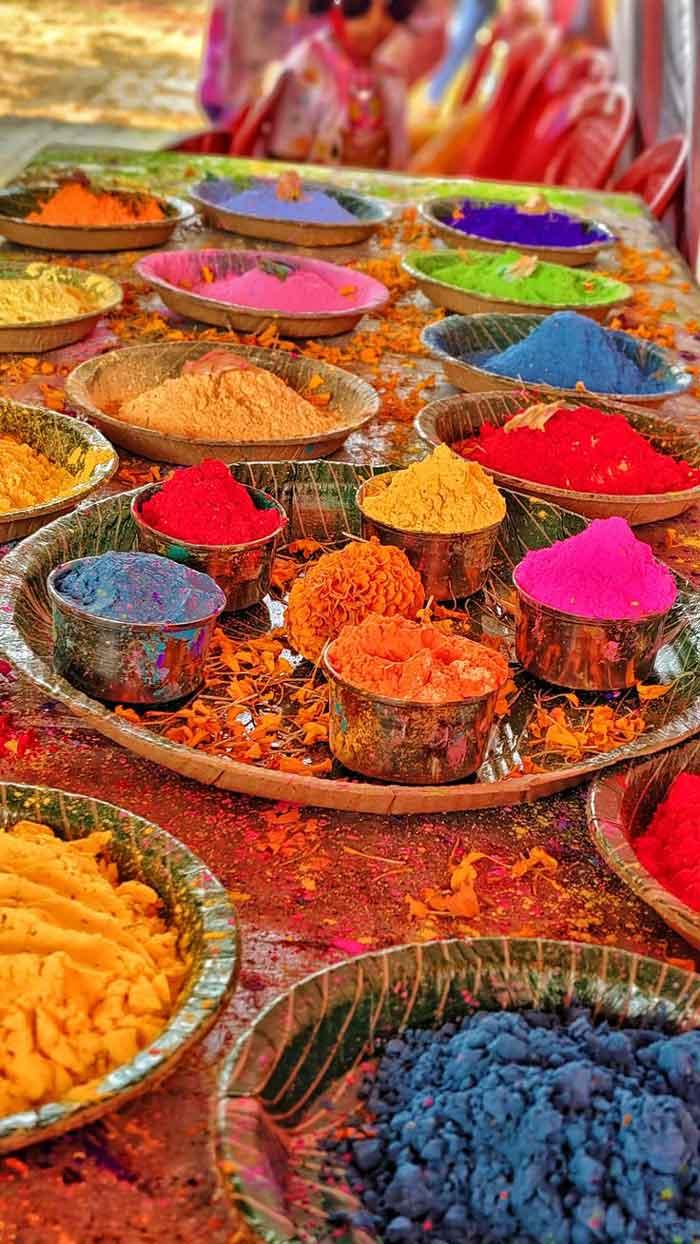
Rangoli, on the other hand, is a broader term used across various regions of India. While it shares similarities with Kolam, Rangoli is often more colourful and is typically associated with festivals such as Diwali, Navratri, and other celebrations. Rangoli designs may incorporate flowers, coloured powders, petals, grains, and even decorative lights. They frequently feature motifs inspired by nature, mythology, and religious symbolism. Despite these differences, both traditions share a common purpose: bringing beauty, positivity, and a sense of welcome into homes and communities.
The origins of Kolam and Rangoli date back centuries. Historical references suggest that decorative floor art has been practised across the Indian subcontinent for thousands of years. Ancient texts and folklore describe these designs as symbols of prosperity, protection, and spiritual well-being. Over time, different regions developed their own styles and techniques, resulting in the diverse traditions that exist today.
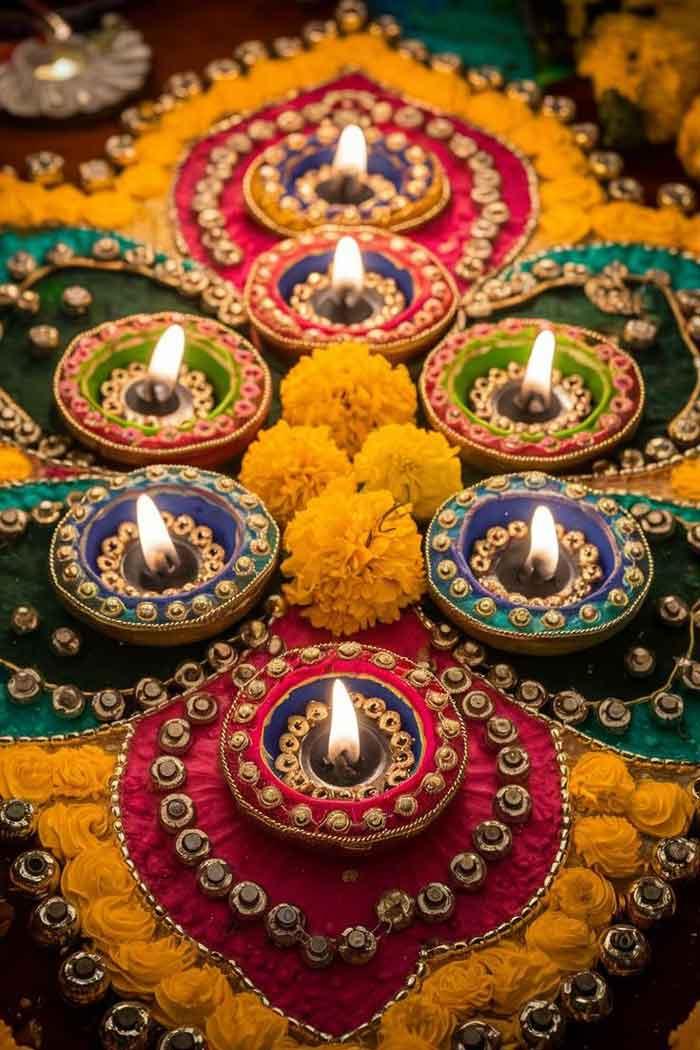
For many practitioners, these designs are more than decorative art. They represent values deeply rooted in culture and daily life. Drawing a Kolam or Rangoli is often seen as an act of devotion, gratitude, and mindfulness. The designs welcome guests, honour deities, and mark special occasions while reflecting the creativity of the person who creates them.
One of the most fascinating aspects of Kolam and Rangoli is the level of skill involved. Some patterns appear deceptively simple, while others require remarkable precision and patience. In traditional households, children often learned by observing parents and grandparents, gradually mastering more complex designs over time. This passing of knowledge from one generation to the next has helped keep these traditions alive despite changing lifestyles.
Beyond their cultural significance, Kolam and Rangoli also reveal an unexpected connection to mathematics. Many Kolam patterns rely on symmetry, repetition, and geometric principles. The intricate loops and lines found in traditional designs have even attracted the attention of mathematicians and researchers who study pattern formation and spatial relationships. Without formal mathematical training, generations of artists have instinctively applied concepts that continue to fascinate scholars today.
The process of creating these designs also offers significant mental health benefits. In recent years, mindfulness practices have gained popularity as people search for ways to reduce stress and improve focus. Interestingly, Kolam and Rangoli have incorporated many of these principles for centuries.
Drawing a pattern requires concentration and attention to detail. The artist must remain focused on each line, curve, and shape, creating a sense of immersion in the present moment. Many practitioners describe the experience as calming and meditative. The repetitive movements involved can help quiet the mind, reduce anxiety, and provide a welcome break from the pressures of everyday life.
The benefits extend beyond mental well-being. Traditionally, creating Kolams involved bending, squatting, and kneeling, movements that encourage flexibility and balance. The careful hand movements required to draw detailed patterns also help improve coordination and dexterity. While these activities may seem simple, they represent a form of gentle physical exercise woven into daily routines.
Perhaps one of the most remarkable aspects of traditional Kolams is their relationship with the environment. Historically, rice flour was used as the primary drawing material. While this created beautiful patterns, it also served another purpose: providing food for ants, birds, and other small creatures. This practice reflected a philosophy of coexistence and respect for all forms of life.
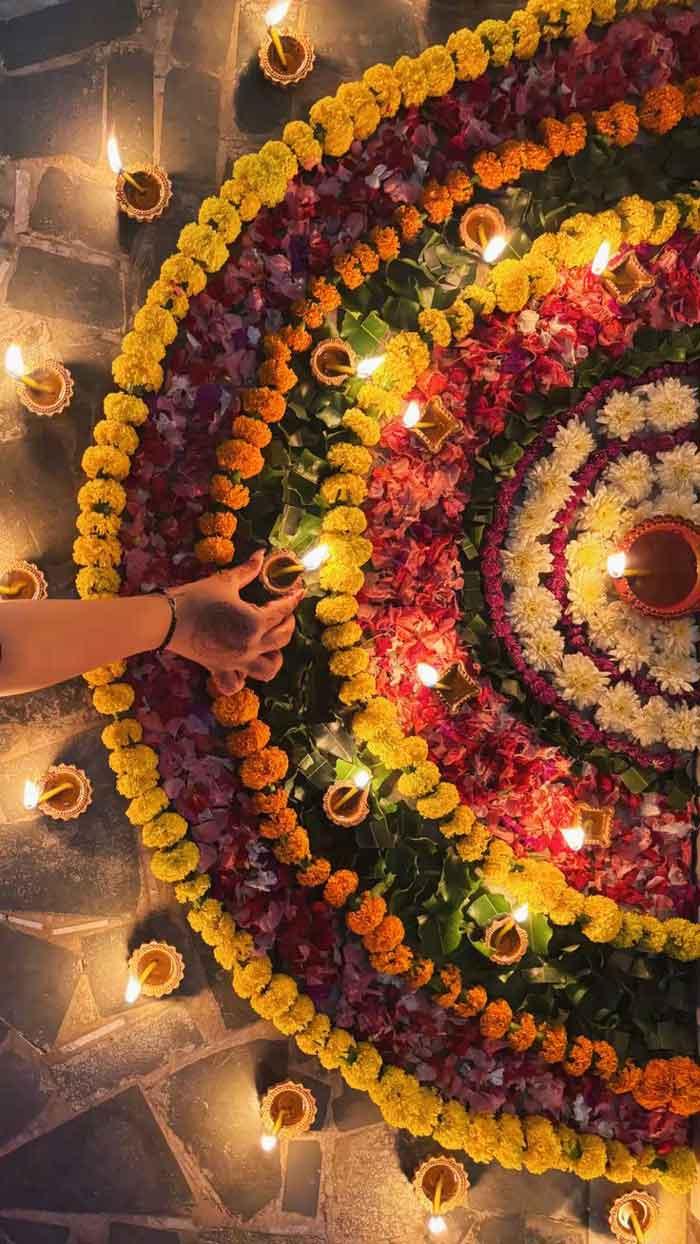
Traditional Rangoli designs similarly made use of natural materials such as flower petals, turmeric, coloured rice, and other biodegradable substances. Long before sustainability became a global conversation, these art forms demonstrated how creativity and environmental responsibility could coexist.
In today’s world, where environmental concerns are increasingly important, the values embodied by Kolam and Rangoli remain highly relevant. They remind us that beauty does not need to come at the expense of nature and that even small daily actions can contribute to a more harmonious relationship with the environment.
Although urbanisation and busy lifestyles have reduced the practice of drawing daily Kolams in some communities, both traditions continue to thrive during festivals and cultural celebrations. Streets, temples, and homes are transformed by stunning displays of colour and creativity, bringing people together through shared cultural experiences.
Social media has also given these ancient art forms a modern platform. Artists from around the world now share tutorials, photographs, and videos showcasing their creations. This digital exposure has introduced Kolam and Rangoli to new audiences while encouraging younger generations to explore and preserve their cultural heritage.
Today, the influence of these traditions extends beyond homes and festivals. Designers, architects, and contemporary artists frequently draw inspiration from Kolam and Rangoli patterns, incorporating them into fashion, graphic design, public art, and modern interiors. These adaptations demonstrate the enduring appeal of designs that have remained relevant for centuries.
While Kolam and Rangoli may differ in style, materials, and regional traditions, they share a deeper connection. Both celebrate creativity, community, and cultural identity. Both transform ordinary spaces into places of beauty and meaning. Most importantly, both remind us that art does not always belong in galleries or museums. Sometimes it exists on a doorstep, created with simple materials and a steady hand, only to disappear with the passing of the day.
Yet despite their temporary nature, their impact endures. In every carefully drawn line and every vibrant pattern lies a story of heritage, resilience, and human expression. Kolam and Rangoli are not merely decorative traditions; they are living symbols of how culture, art, and everyday life can come together to create something truly timeless.