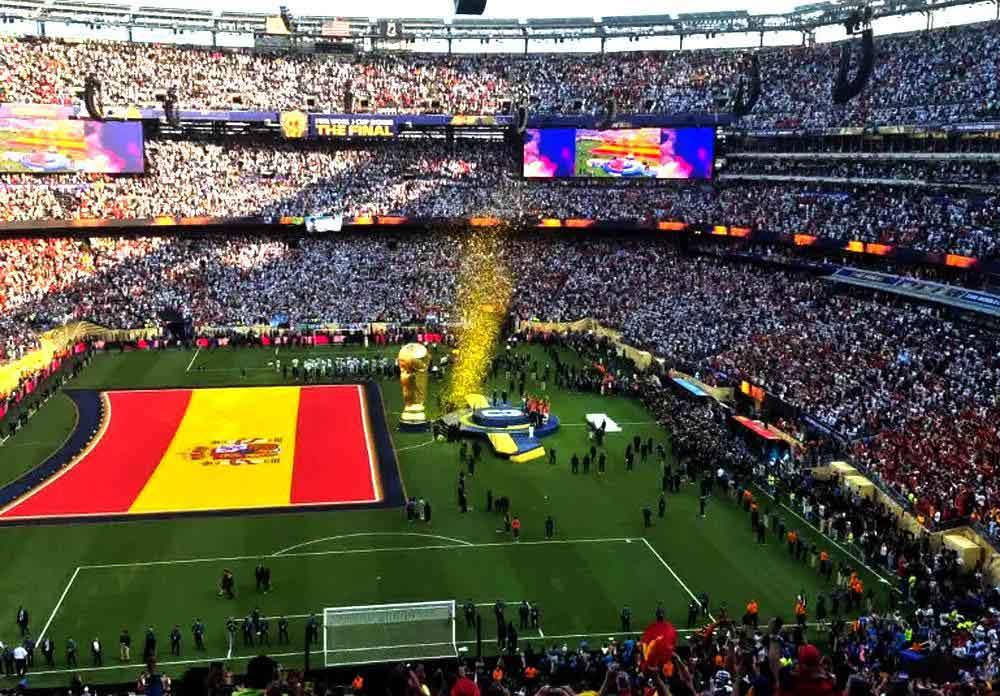
Spain Crowned FIFA World Cup 2026 Champions After Epic Final Against Argentina
By Yashmitha Sritheran
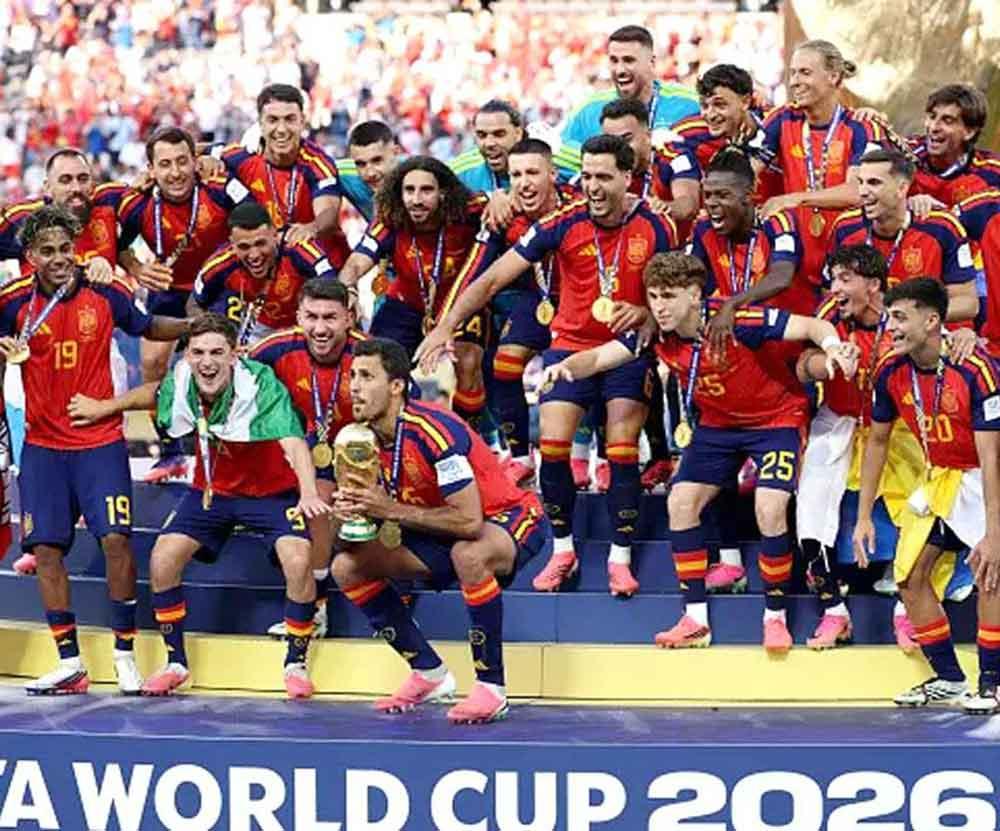
20th July 2026 will be remembered as one of football’s greatest nights as Spain defeated Argentina 1-0 after extra time to lift the FIFA World Cup 2026 trophy. Played at the New York New Jersey Stadium, the final delivered everything football fans could have hoped for; drama, tactical brilliance, world-class entertainment, heartbreak, and a historic triumph that ended with Spain celebrating their second FIFA World Cup title.
Long before the opening whistle, the atmosphere around the stadium was electric. Fans from every corner of the world transformed the venue into a sea of red and blue, with Spanish and Argentine supporters creating an unforgettable spectacle through songs, flags, and chants. Millions more tuned in across the globe, making the final one of the most anticipated sporting events of the year.
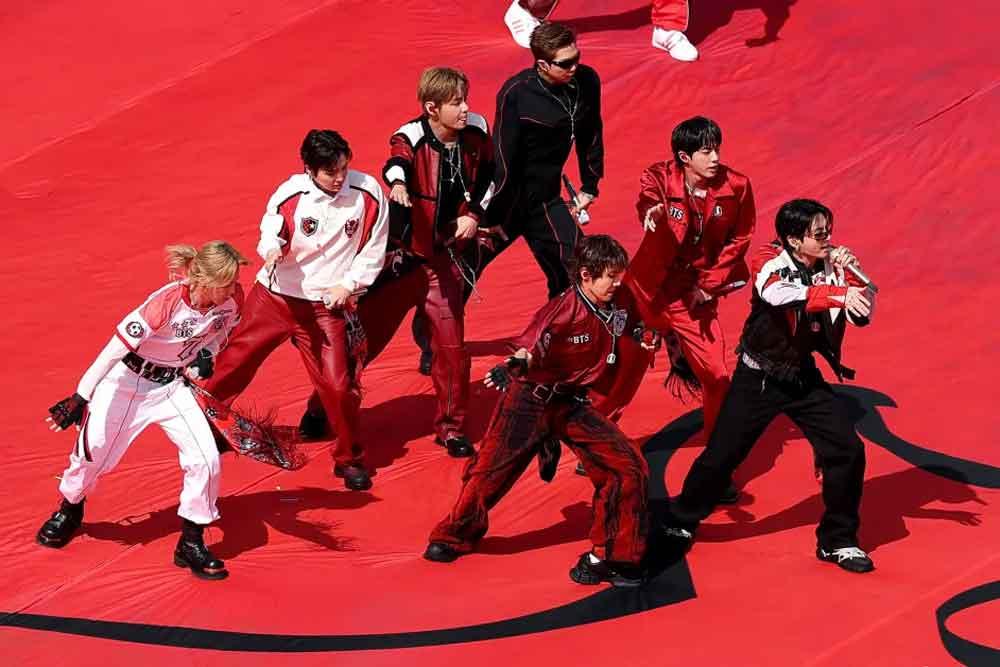
Adding to the excitement, Madonna opened the celebration followed by global superstar Shakira who performed her World Cup anthem “Dai Dai.” The Colombian singer captivated the crowd with dazzling choreography and powerful vocals, receiving one of the loudest ovations of the evening. Her performance once again highlighted football’s unique ability to unite music, culture, and sport on one global stage. The entertainment continued with one of the biggest performances ever seen at a FIFA World Cup. K-pop sensation BTS thrilled fans with an energetic set before pop icon Justin Bieber appeared on stage following a surprise introduction by the beloved fictional football coach Ted Lasso. Lasso’s humorous pep talk for Justin Bieber quickly became one of the night’s most talked-about moments across social media, with fans praising FIFA for blending football with popular culture in such a memorable way.
Once the football resumed, however, every eye returned to the action on the pitch. The final itself was an intense tactical battle between two of international football’s finest sides. Spain controlled possession for long periods while Argentina remained dangerous on the counterattack, with both teams producing moments of brilliance but struggling to find the decisive breakthrough.
Despite numerous chances, neither side managed to score during the regulation 90 minutes. Spain’s patient passing game was repeatedly tested by Argentina’s disciplined defensive structure, while Argentina’s attacking stars found it equally difficult to break through Spain’s organised back line. Goalkeepers on both sides produced outstanding saves, ensuring the match remained deadlocked at 0-0 at full time.
As the tension continued to build, the match headed into extra time with fans fully aware that one moment of magic, or one costly mistake, could determine the destination of football’s most prestigious trophy.
That turning point arrived in dramatic fashion. Argentina midfielder Enzo Fernández received his second yellow card during second-half stoppage time after bringing down Spain defender Pau Cubarsí. The Chelsea midfielder’s dismissal forced Argentina to play the remainder of the contest with only ten men, dramatically shifting the momentum in Spain’s favour.
The red card immediately became one of the most discussed moments of the final. While many neutral supporters agreed the referee had correctly applied the laws of the game, Argentine fans expressed disappointment that such an important match had been altered by a sending-off. Football analysts noted that losing one of Argentina’s most influential midfielders significantly reduced their ability to maintain possession and launch attacks during extra time.
Spain wasted little time in taking advantage of the numerical superiority.
In the 106th minute, Barcelona forward Ferran Torres finally broke the deadlock. After a flowing Spanish move inside the penalty area, Torres calmly finished past the Argentine goalkeeper to give Spain a priceless 1-0 lead. The goal sent Spanish supporters into wild celebrations while silencing thousands of Argentine fans who had travelled across the world hoping to witness another World Cup triumph.
The remaining minutes were filled with relentless Argentine determination despite being a man down. They continued searching for an equaliser, refusing to surrender without a fight. Spain, however, defended with remarkable composure, controlling possession intelligently and frustrating every Argentine attack until the final whistle confirmed their place in football history.
As Spain’s players collapsed to the ground in celebration, emotions overflowed both on and off the pitch. For many of the squad, it represented years of hard work finally rewarded on the biggest stage in world football.
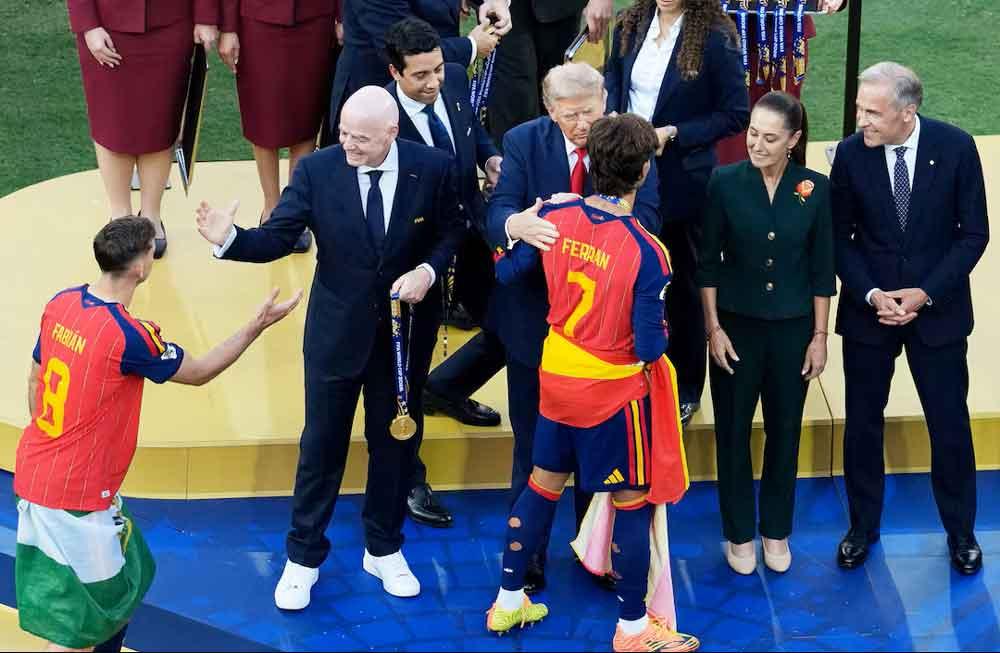
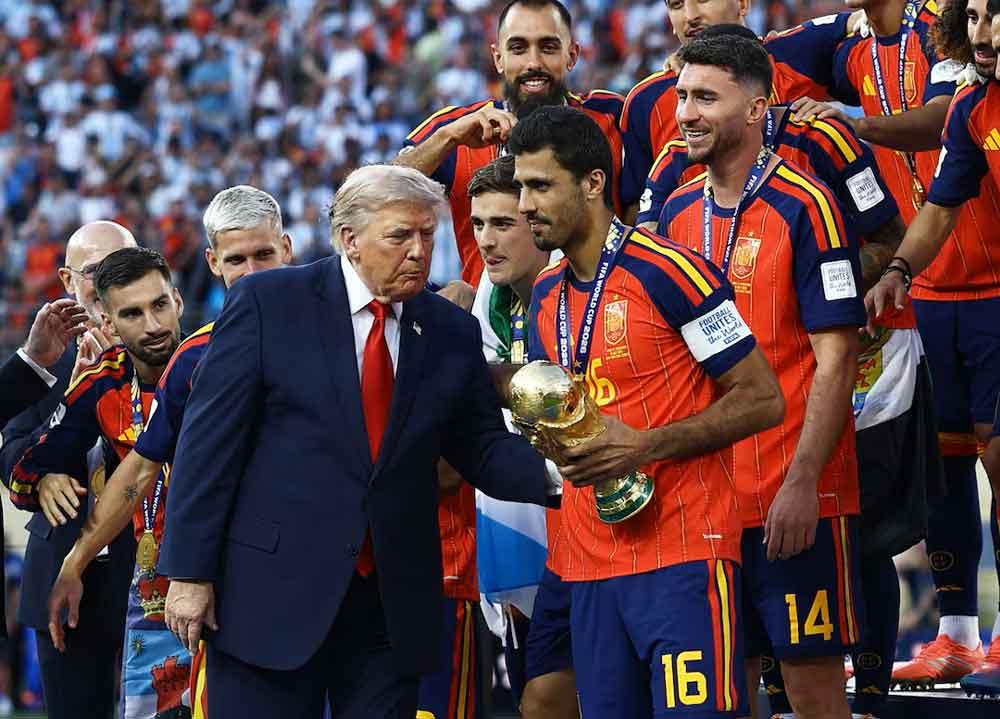
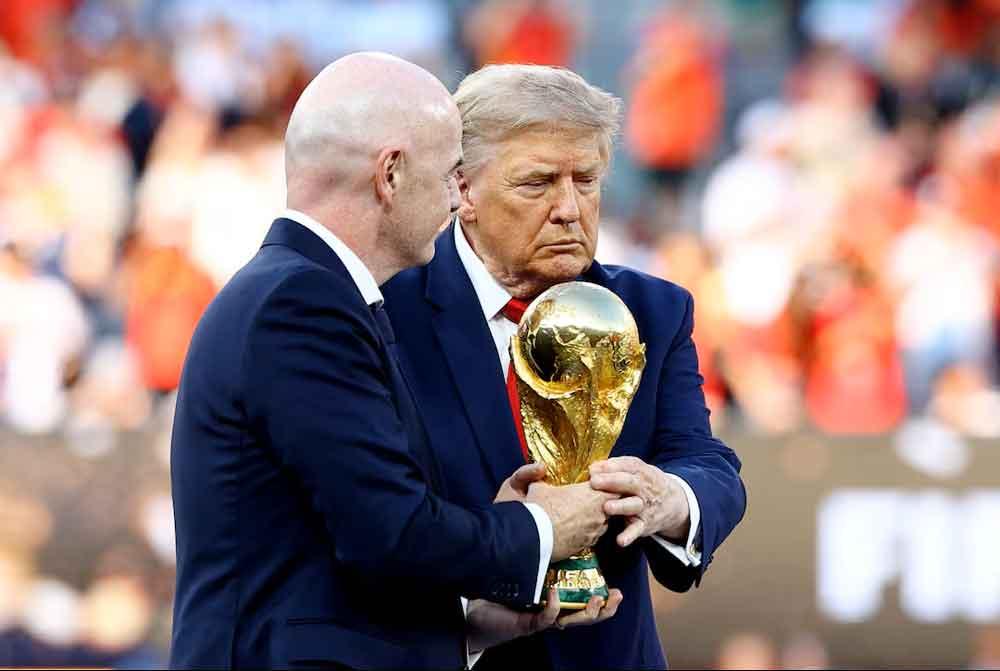
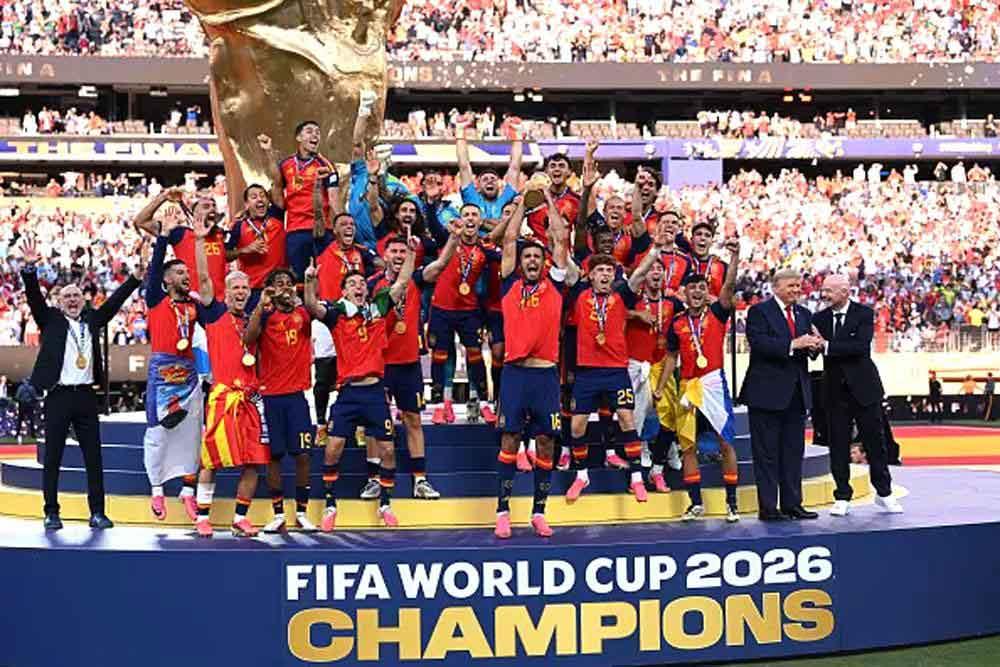
The trophy presentation carried additional significance as US President Donald Trump attended the final alongside FIFA President Gianni Infantino and other international dignitaries. Trump also participated in the post-match trophy presentation, handing medals and congratulating the newly crowned world champions as Spain lifted the iconic FIFA World Cup trophy amid fireworks and celebrations.
Beyond the result itself, one of the defining stories of the tournament was the extraordinary passion shown by supporters worldwide. Across social media platforms, hashtags celebrating the final quickly climbed to the top of global trends within minutes of the final whistle. Videos of Spanish fans celebrating in Madrid, Barcelona, Valencia, and cities around the world spread rapidly, while emotional reactions from Argentine supporters highlighted both the heartbreak of defeat and the pride they still felt in their team’s remarkable tournament journey.
Many football fans praised the quality of the final despite the low scoreline. Discussions across online football communities suggested that supporters appreciated the tactical discipline displayed by both teams rather than simply judging the match by the number of goals. Analysts described it as a contest where patience, defensive organisation, and mental strength proved just as important as attacking flair.
The halftime entertainment also generated overwhelmingly positive reactions. BTS, Justin Bieber, and Shakira dominated online conversations throughout the evening, with fans describing the performances as among the most ambitious and entertaining halftime productions ever staged at a FIFA World Cup. Ted Lasso’s surprise appearance added a light-hearted touch that appealed to football lovers and television audiences alike.
Spain’s triumph also sparked widespread praise for the nation’s football development system. Many supporters pointed to Spain’s continued emphasis on youth development, technical excellence, and possession-based football as key reasons behind their return to the summit of world football. Emerging talents blended seamlessly with experienced players throughout the tournament, creating a balanced squad capable of overcoming every challenge placed before them. For Argentina, although the defeat was painful, many fans expressed admiration for their team’s resilience. Reaching another World Cup final reaffirmed Argentina’s status among football’s elite, and despite falling short after extra time, supporters acknowledged the commitment and determination shown throughout the competition.
The FIFA World Cup 2026 final ultimately delivered far more than a championship match. It showcased football’s unmatched ability to bring together nations, cultures, music, and millions of passionate supporters through a shared love of the game. From Shakira’s spectacular opening performance and the star-studded halftime show to Ferran Torres’ historic winner and Spain’s unforgettable celebrations, the night provided countless memories that will be discussed for years to come. As fireworks illuminated the New York skyline and Spain celebrated with the famous golden trophy, 20th July 2026, became another unforgettable chapter in FIFA World Cup history, a night when determination, resilience, and one decisive extra-time goal crowned Spain as the champions of the world once again.