In Conversation with Thoshan Ediriweera
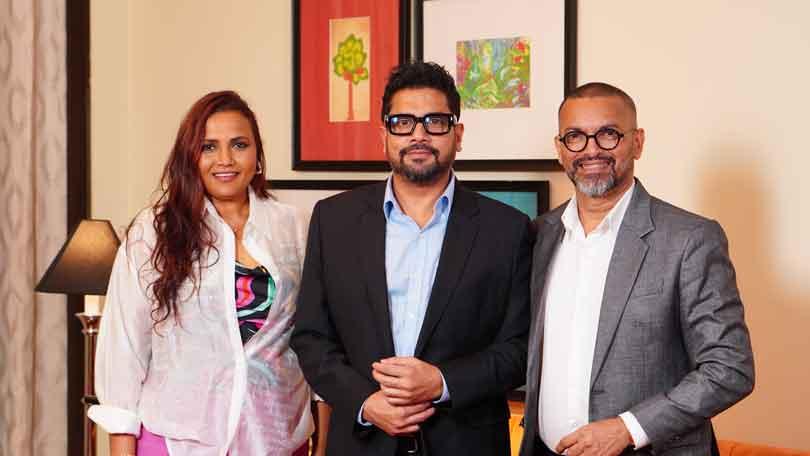
Radio presenter and entrepreneur Thoshan Ediriweera joined hosts Kumar de Silva and Rozanne Diasz on Fame Game for an engaging conversation that explored his journey in broadcasting, his passion for food, his philosophy on success and happiness, and the lighter moments that have shaped his career. Known for his wit and conversational style, Thoshan also shared valuable insights into the realities of working in radio, building a successful restaurant business, and maintaining perspective in an ever changing media industry.
Q: You have become one of the familiar voices on morning radio. What is it about mornings that appeals to you?
A: I genuinely enjoy mornings. I have always considered myself a morning person, so hosting a morning show suits me well. Our programme airs five days a week, and although many people assume that waking up early every day becomes tiring, I actually enjoy the routine.
Q: Morning radio requires fresh content every day. How do you keep your conversations engaging?
A: Many people think radio presenters constantly prepare lengthy scripts or try to educate listeners. I see it differently. Conversations should sound like the discussions you would naturally have with your friends over coffee or after work.
The goal is to make listeners feel like they are part of the conversation rather than sitting through a lecture. We certainly prepare before going on air, but preparation is more about knowing the topics than memorising lines. The spontaneity is what keeps the show entertaining.
Q: What makes your morning team work so well together?
A: Every member contributes something different. Ashan has his own personality and style, while Shade Greenwood brings tremendous energy to the programme. She is quick witted, intelligent, and has a wonderful sense of humour that many people may not immediately expect because they primarily know her as Miss Sri Lanka 2021.
When our previous colleague left Sri Lanka, we needed someone to join the team. Rather than replacing her with another radio personality who would inevitably be compared with her, we decided to introduce someone who would completely change the dynamic. Bringing Shade on board allowed us to create something fresh instead of trying to recreate what already existed.
Q: Has there ever been an embarrassing moment during your broadcasting career?
A: Fortunately, such incidents are rare today, but one mistake from my early years remains unforgettable.
I was interviewing the late businessman Mr. Lalith Kotelawala, but throughout the interview I mistakenly kept addressing him as Lalith Athulathmudali. Eventually, he politely interrupted me and pointed out that the person I was referring to had passed away some time earlier.
It was certainly embarrassing, but experiences like that teach you to be far more careful. Over time, you also become more comfortable with making mistakes because you realise everyone is human.
Q: One thing listeners appreciate is that you openly acknowledge other radio stations and presenters. Why is that important to you?
A: I think we sometimes struggle to celebrate other people's success. Too often, we want to succeed ourselves but feel uncomfortable when someone else does well.
I have never believed in that approach. If another station celebrates an anniversary or achieves something noteworthy, there is nothing wrong with congratulating them. Appreciating someone else's success does not diminish your own.
I often say that happiness is what remains after subtracting envy. If you constantly compare yourself with others, you never truly enjoy your own achievements.
Q: What does success mean to you?
A: Success is completely personal. Society often measures it through money, fame, or status, but those things mean different things to different people.
From a broader perspective, our lives are very brief. We all like to believe our achievements are permanent, yet within a few generations most people are forgotten. That thought keeps me grounded.
Someone like Elon Musk may have immense wealth yet continue striving for more. Another person may feel successful simply by living comfortably with family and friends. There is no universal definition of success. It depends entirely on what brings you peace and fulfilment.
Q: Have your on air jokes ever created controversy?
A: Absolutely. Humour occasionally leads to complaints. I have received several letters of demand over the years.
One memorable incident involved a well-known cricketer after I jokingly commented on his fitness. Another complaint came from an old boys association following a humorous remark made on air.
The interesting part is that, years later, I met one of the individuals involved and we had a perfectly pleasant conversation. Most people eventually understand that there was never any malice behind the jokes. They were simply intended as light hearted entertainment.
Q: Apart from broadcasting, your other passion is food. Tell us about your restaurant.
A: Food has always been a huge part of my life. I own Kami Maki, which has now been operating successfully for over a decade.
Running a restaurant has taught me lessons very different from those learned in broadcasting. Hospitality requires consistency every single day. Customers return because they trust both the food and the service.
Q: Why did you decide to specialise in Japanese fusion cuisine rather than traditional Japanese food?
A: Japanese food is interesting because people usually either love it or avoid it completely.
When a group of friends decides to go out for dinner, there is often one person who says they do not enjoy Japanese food. As a result, the entire group chooses another restaurant.
Fusion cuisine solves that problem. We continue serving authentic Japanese favourites such as sushi, sashimi, and tempura, but we also offer dishes that appeal to diners who may not be familiar with traditional Japanese flavours. That allows everyone in a group to find something they enjoy.
Q: Do you see yourself expanding into more restaurants in the future?
A: Before the pandemic, I certainly had expansion plans. However, the past few years reminded every entrepreneur that stability is just as important as growth.
Now that business conditions have improved, I am optimistic again. If the right opportunity presents itself, I would certainly consider expanding, but I would rather grow carefully than too quickly.
Q: What do you enjoy doing outside work?
A: I enjoy spending time with friends, meeting new people, and having good conversations.
Another major passion is rugby. I rarely miss an international match or club fixture. I also played rugby during my school years, so the sport has remained close to my heart.
Sport, food, and conversations with interesting people probably describe my favourite ways of spending my free time.
Q: You are still one of Sri Lanka's most eligible bachelors. Do you ever get tired of being asked about marriage?
A: It is probably one of the most frequently asked questions I receive.
At the moment, I am simply enjoying life and focusing on my work. I have never believed that marriage should happen simply because society expects it. If the right person comes along, that chapter will happen naturally. Until then, I am perfectly comfortable with where I am in life.
Q: Do you receive attention from admirers because of your popularity?
A: Not really.
My co-host Ashan attracts far more attention than I do. He actually has a very enthusiastic admirer who seems to appear wherever he goes.
As for me, I have never experienced anything like that. I think after speaking with me for a few minutes, most people realise I simply enjoy talking and having a laugh.
Q: Many young people dream of becoming radio presenters. What advice would you give them?
A: Every generation develops its own style, and that is perfectly natural.
People often criticise younger presenters for their accents or presentation styles. While certain styles may not personally appeal to me, I also remember that every generation experiments and evolves.
The most important qualities are authenticity and personality. Listeners can quickly recognise when someone is pretending to be someone they are not.
There is room in broadcasting for different styles because different audiences enjoy different forms of entertainment. Competition ultimately benefits listeners by giving them greater choice.
-----------------------------------
Wrapping up the conversation, Thoshan Ediriweera reflected the qualities that have made him a respected figure in both broadcasting and business. His honesty, humour, and grounded outlook offered readers a glimpse beyond the microphone, revealing someone who values authenticity, meaningful conversations, and continuous growth. Whether behind the radio console or managing a successful restaurant, his journey demonstrates that passion, humility, and perseverance remain the key ingredients for lasting success.