Have You Truly Experienced the Kottu Craze
By Yashmitha Sritheran
Some food trends fade as quickly as they arrive, leaving behind little more than a memory of novelty. Others settle in more deeply, becoming woven into the rhythm of everyday life. In Sri Lanka, kottu roti belongs firmly in the second category. What began as a simple street side creation has grown into something much larger, a dish that captures attention, sparks debate and continues to evolve with every passing year. But to understand the kottu craze, you have to go beyond a single plate. You have to experience the culture that surrounds it. Kottu is not just something you eat. It is something you hear, smell, and anticipate. Long before it reaches your table, it announces itself through sound. The sharp rhythm of metal blades striking a hot griddle cuts through the night air, drawing people in from a distance. It is a kind of culinary music, one that signals something satisfying is about to be created. For many, that sound alone is enough to trigger a craving.
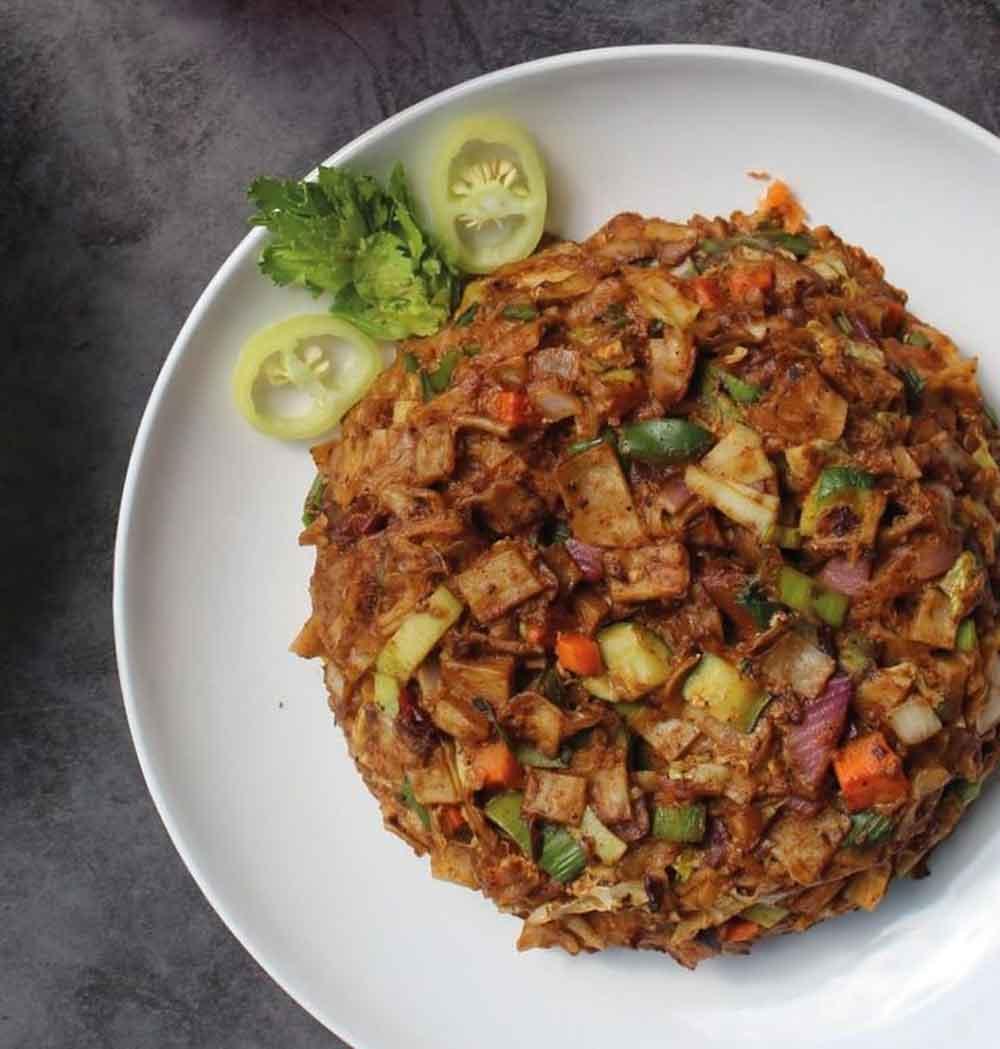
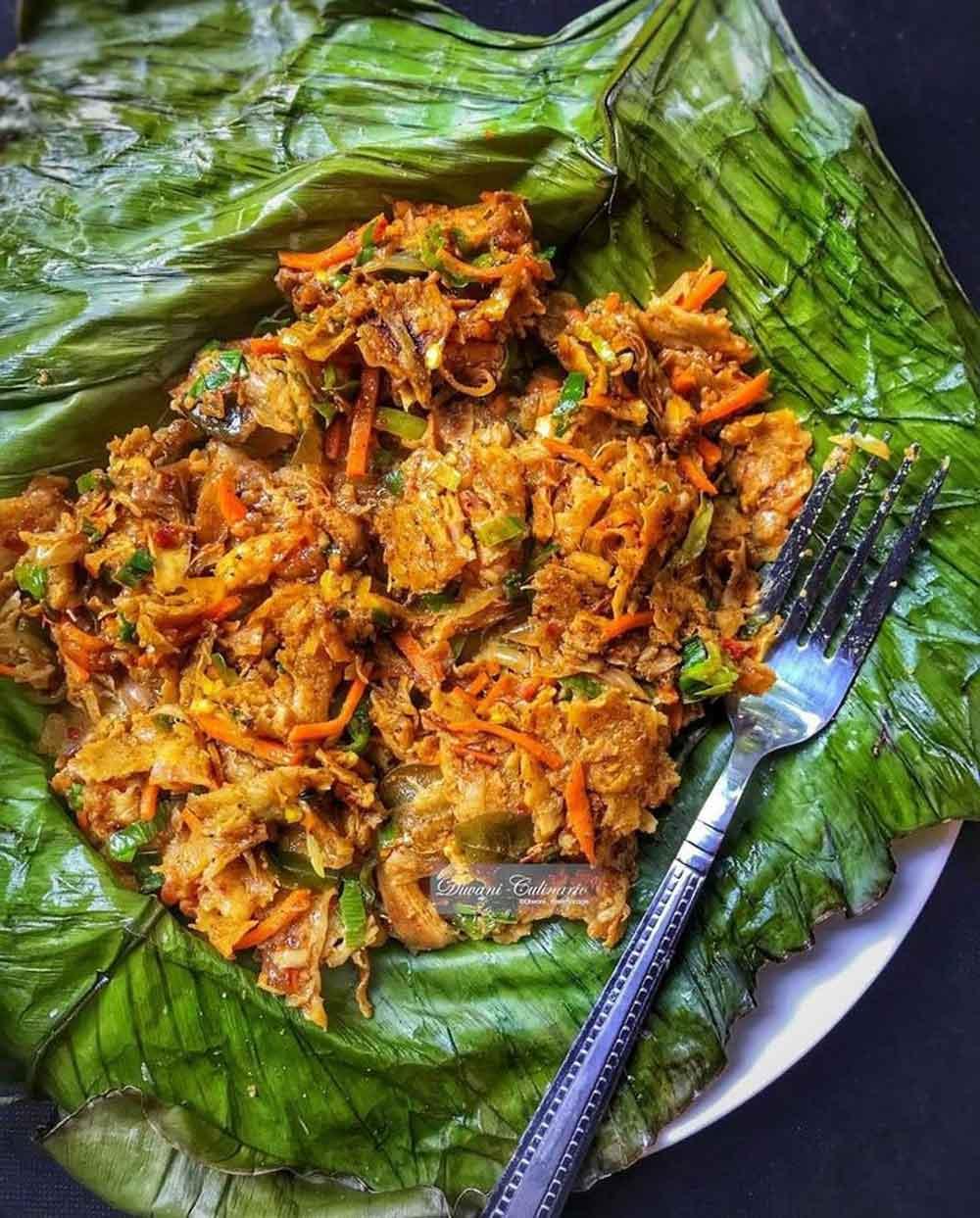
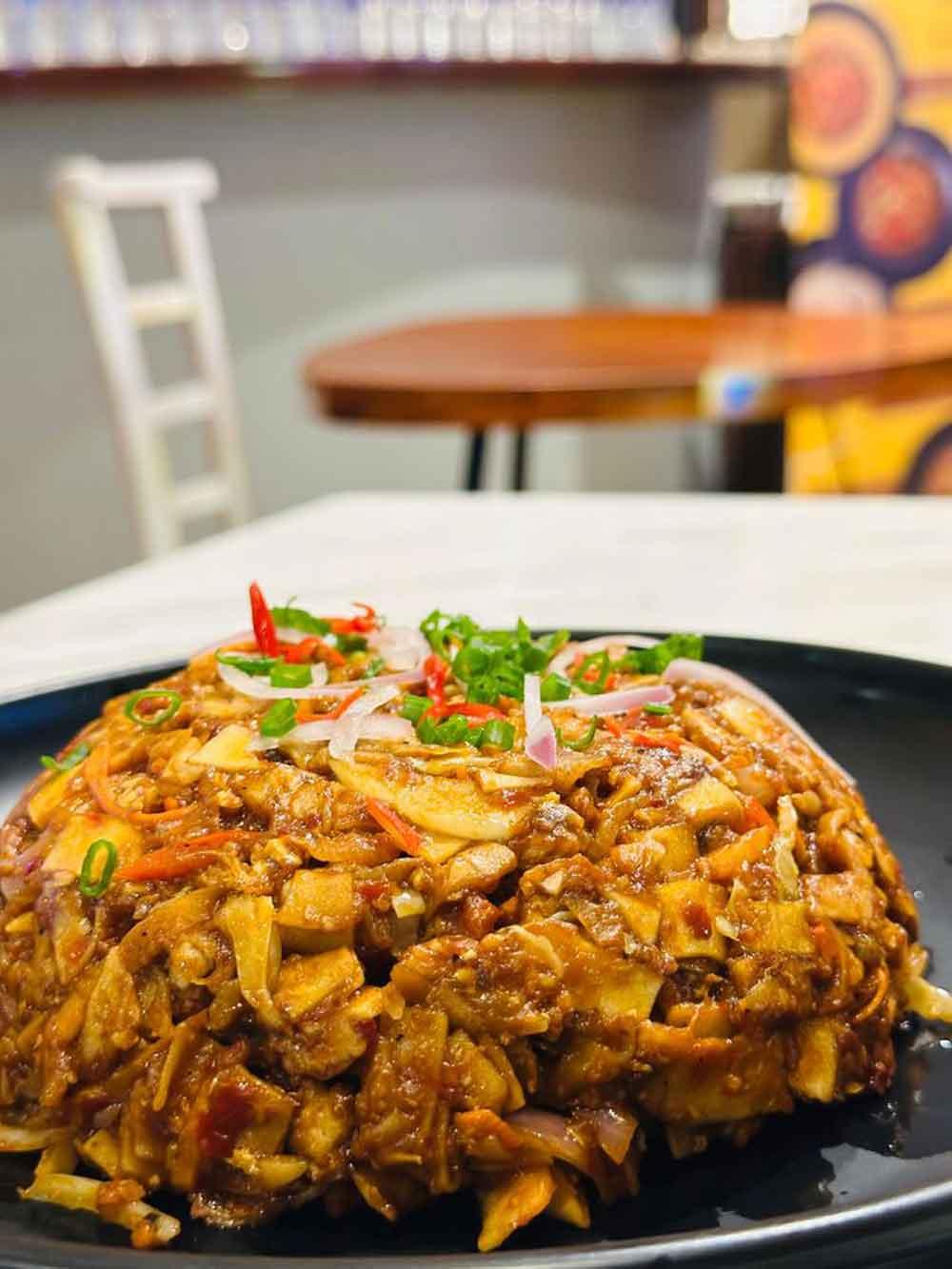
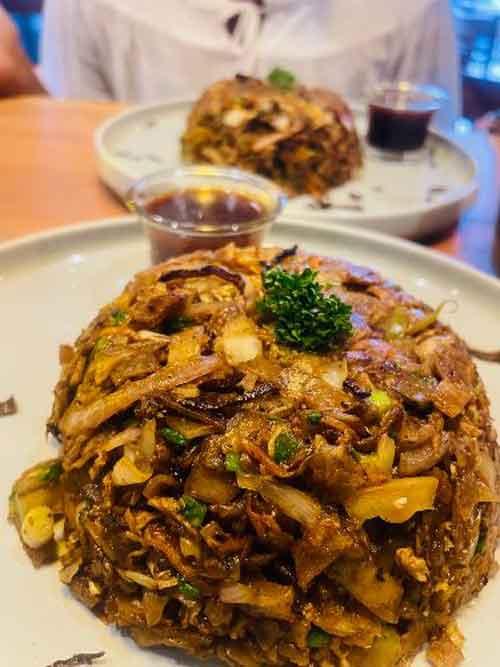
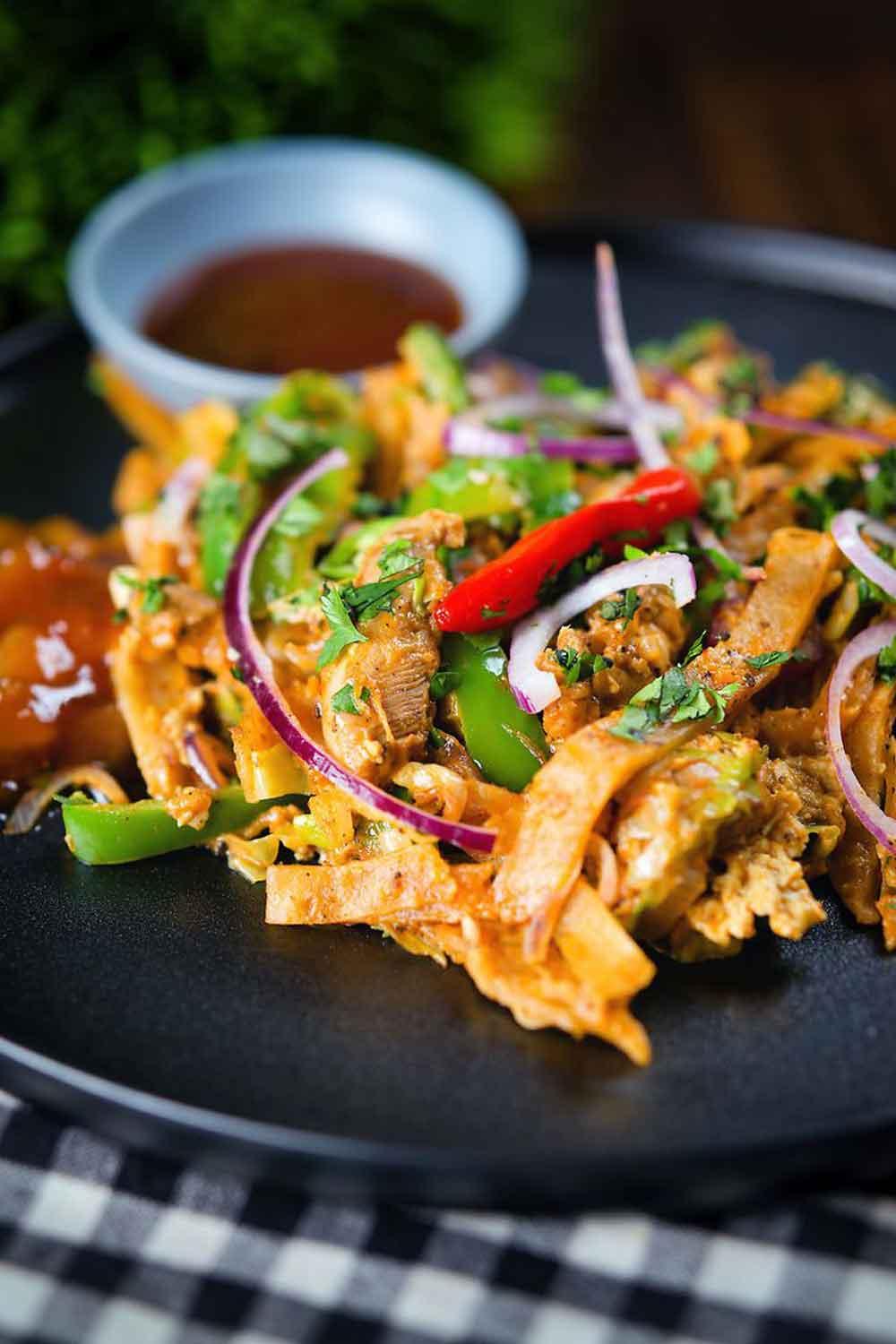
The origins of kottu are humble. Traditionally, it is made from godamba roti that is chopped into small pieces and mixed with vegetables, eggs, and often meat. Spices are added generously, and the entire mixture is cooked together on a flat griddle until it forms a rich, cohesive dish. It was originally seen as an affordable and filling option, something that could be quickly prepared and easily shared. Over time, however, it has transformed into a platform for experimentation. Today, kottu exists in countless variations. Walk through any busy street and you are likely to find menus offering everything from cheese kottu to butter chicken kottu, seafood combinations, and even unexpected fusion versions that borrow inspiration from other cuisines. Each variation tells its own story, shaped by the creativity of the cook and the expectations of the customer. What was once simple has become expressive.
At the heart of the kottu craze lies a deep appreciation for bold flavour, especially spice. In Sri Lankan cuisine, spice is not just an addition. It is a defining characteristic. Kottu embraces this fully, delivering heat that is both intense and balanced. The best versions do not overwhelm the palate. Instead, they create a layered experience where heat, aroma, and richness come together in a way that feels addictive. This balance is what keeps people coming back. A well-made spicy kottu has a way of slowing you down and pulling you back in at the same time. Each bite carries enough heat to demand attention, yet enough flavour to encourage another. It is a rhythm of its own, one that mirrors the sound of its preparation. Accessibility is another reason for its widespread appeal. Kottu is not reserved for special occasions or exclusive settings. It is everywhere. From roadside stalls to established restaurants, it remains one of the most approachable meals available. You can find it in the middle of a busy evening or during the quiet hours of the night when most other kitchens have closed. This constant availability has helped it become a reliable source of comfort.
Every place that serves kottu brings something slightly different to the experience. Some focus on generous portions that satisfy even the biggest appetites. Others highlight rich gravies that add depth and texture. There are also those that build their reputation on spice, offering versions that challenge even seasoned food lovers. Among the names often mentioned by enthusiasts are Kottu Labs, Sulthaan Palace, Al Maas, Pilawoos, Ricorn, and Palmyrah Restaurant. Each of these places has carved out its own identity within the larger kottu landscape, attracting loyal customers who return time and again.
The rise of digital culture has added another layer to the kottu craze. Social media platforms have turned everyday dining experiences into shareable moments. A single video capturing the dramatic preparation of kottu or a particularly indulgent version loaded with cheese can quickly gain attention. This visibility has pushed vendors to innovate, experimenting not only with flavours but also with presentation. What was once purely functional has become visually engaging. Food bloggers and content creators have played a significant role in this transformation. Their reviews, recommendations, and challenges have introduced new audiences to kottu while also encouraging competition among vendors. A small stall can become widely known overnight if it captures the imagination of viewers. This dynamic has created an environment where creativity is rewarded, and tradition is constantly being reinterpreted.
Despite these changes, the essence of kottu has remained intact. It continues to be a dish that brings people together. There is a certain comfort in sharing a plate with friends or family, in sitting around a table and talking while the food slowly disappears. It is informal, unpretentious, and deeply satisfying. These qualities have allowed it to maintain its identity even as it evolves. Versatility also plays a crucial role in its lasting popularity. Kottu adapts easily to different preferences. Meat lovers can enjoy versions packed with chicken, beef, or seafood, while vegetarians can opt for combinations that highlight fresh vegetables and eggs. There are even lighter versions for those who want to enjoy the experience without the heaviness. This adaptability ensures that almost anyone can find a version that suits their taste.
One of the most distinctive aspects of the kottu experience is its connection to late night culture. There is something uniquely appealing about heading out after dark in search of a hot plate of kottu. The streets feel different, the atmosphere more relaxed yet more alive in its own way. People gather around stalls, watching as their meals are prepared right in front of them. It becomes more than just a meal. It becomes a shared ritual. The timing seems to enhance the experience. Flavors feel stronger, conversations flow more easily, and the sense of satisfaction is heightened. Whether it is after a long day or during a spontaneous outing, kottu has a way of fitting perfectly into the moment. It does not demand formality or planning. It simply invites you to enjoy.
Of course, not every plate of kottu lives up to the same standard. The quality can vary depending on the ingredients, the skill of the cook, and the attention given to balance. The best versions are those where everything comes together seamlessly. The roti is cooked to the right texture, the spices are measured with care, and the additional ingredients complement rather than overpower. Achieving this balance is what separates a good kottu from an unforgettable one. For those who truly want to experience the kottu craze, it is not enough to try it once. It is about exploration. It is about comparing different styles, discovering hidden gems, and developing a personal sense of what makes the perfect plate. Some may prefer a richer, creamier version, while others seek out intense spice. The variety ensures that the journey never feels repetitive. In many ways, kottu reflects the spirit of Sri Lankan cuisine itself. It is bold, adaptable, and full of character. It embraces both tradition and innovation, allowing each generation to leave its mark. This balance is what has allowed it to remain relevant while continuing to grow.
So, the question remains. Have you truly experienced the kottu craze. It is not defined by a single meal or a single location. It is defined by the willingness to explore, to taste, and to engage with the culture that surrounds it. It is about listening to the rhythm of preparation, feeling the warmth of freshly cooked food, and appreciating the layers of flavour that make each bite memorable. In the end, kottu is more than just a popular dish. It is a celebration of creativity, community, and taste. It represents a culinary journey that continues to evolve while staying rooted in its origins. And for those who take the time to experience it fully, it offers something that goes far beyond satisfaction. It offers a story, one plate at a time.