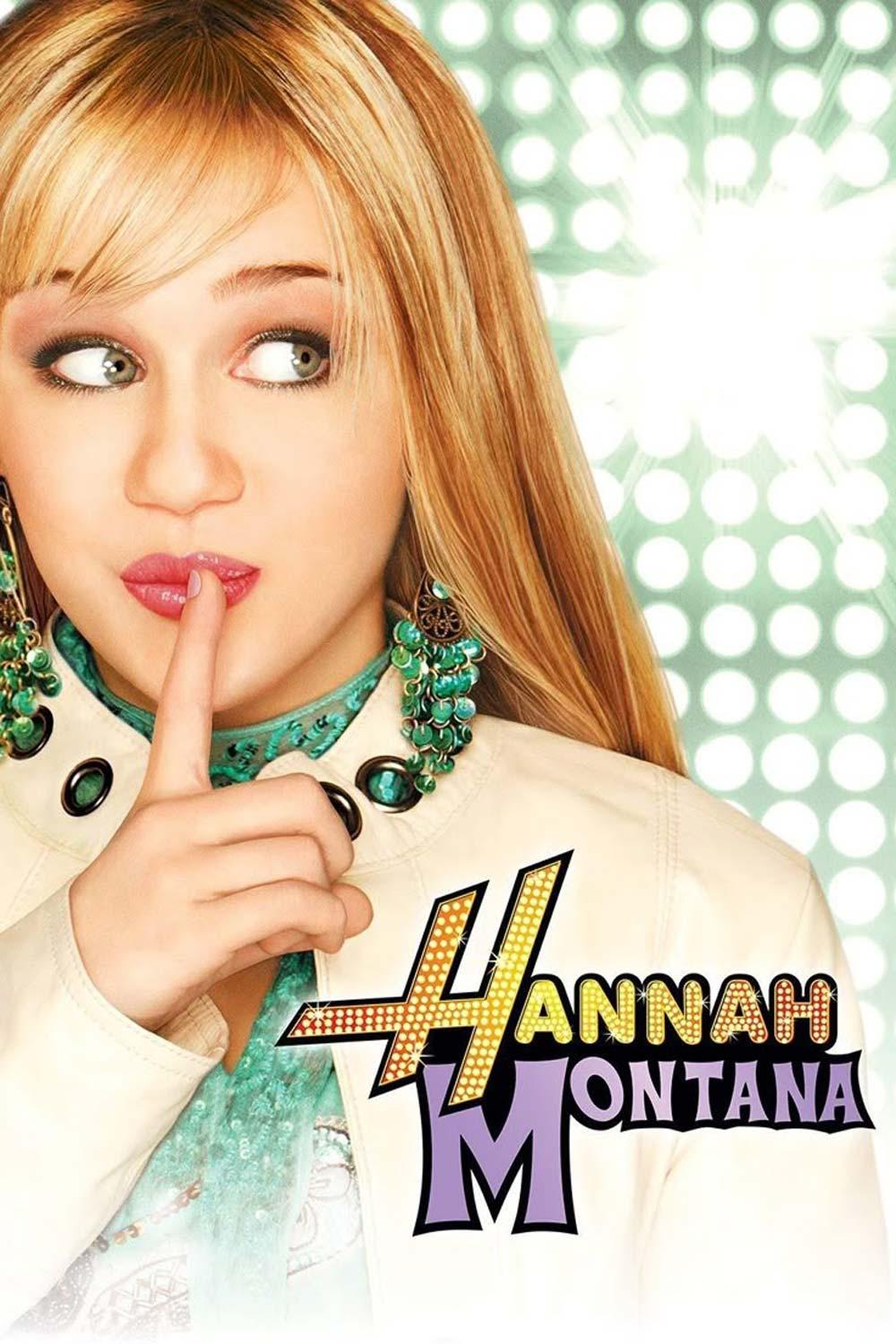
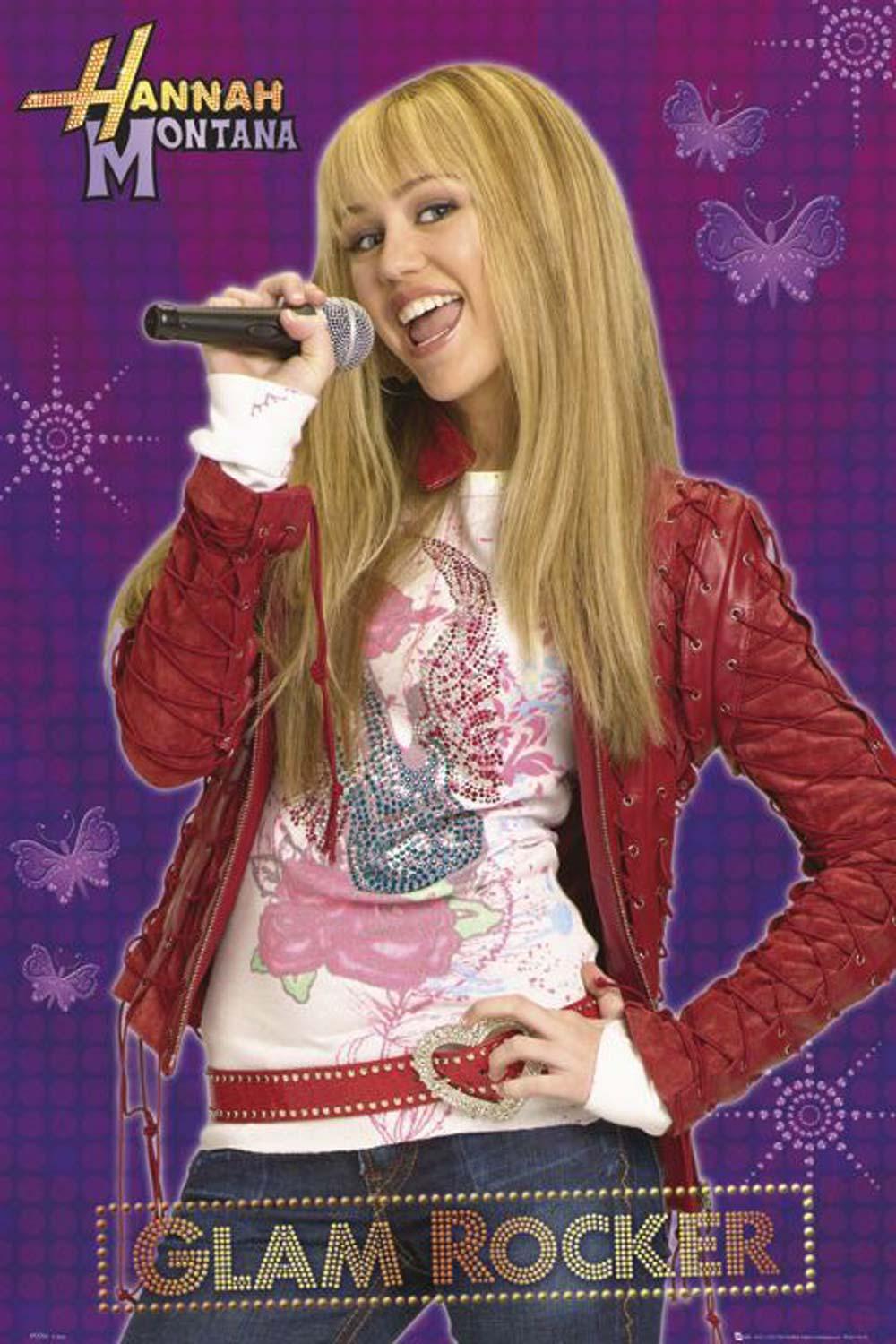
Hannah Montana Turns 20
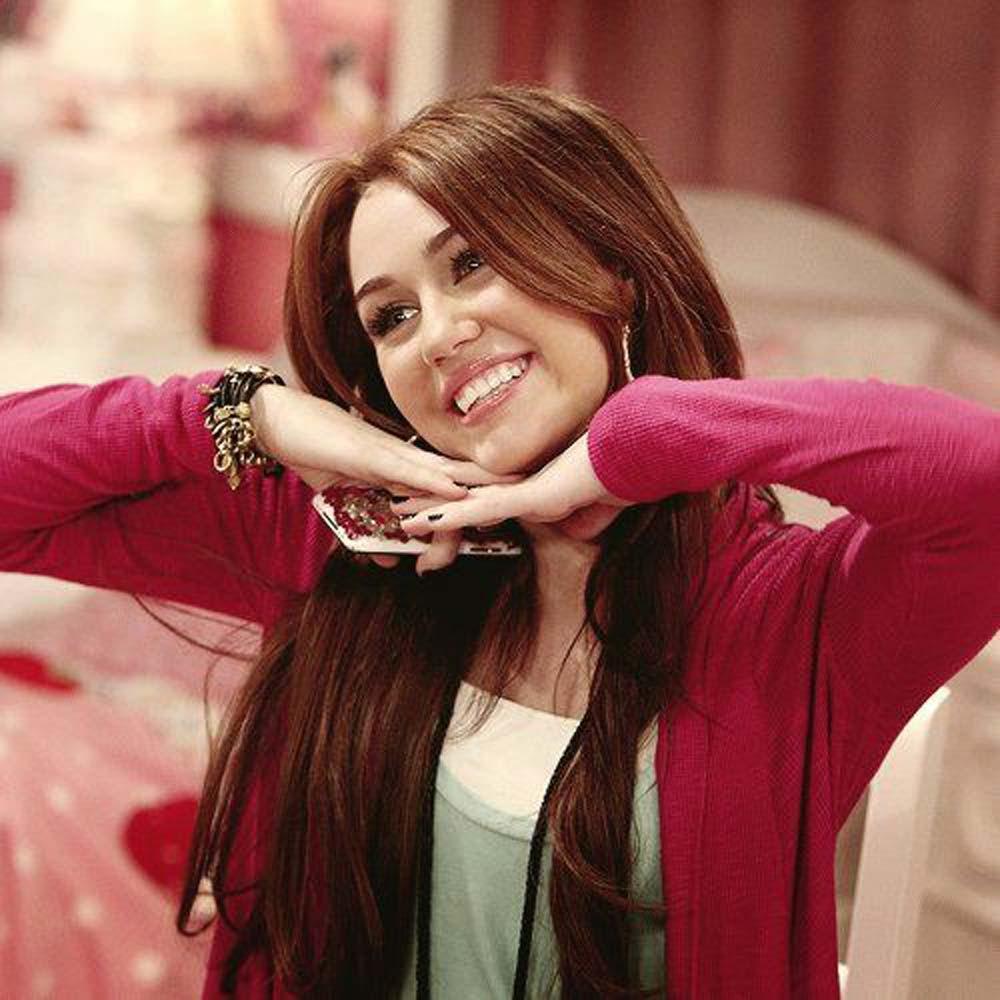
Once upon a time, children and teenagers around the world were captivated by a girl who seemed to have it all. By day, she was an ordinary student dealing with homework, friendships, and family life. By night, she transformed into a glamorous pop sensation adored by millions. That girl was Hannah Montana, and for many who grew up in the 2000s, she was more than just a fictional character. She represented a dream, a fantasy of living two lives at once, balancing normalcy with fame. Now, two decades after the show first aired, its impact continues to resonate, reminding audiences of a defining era in youth entertainment.
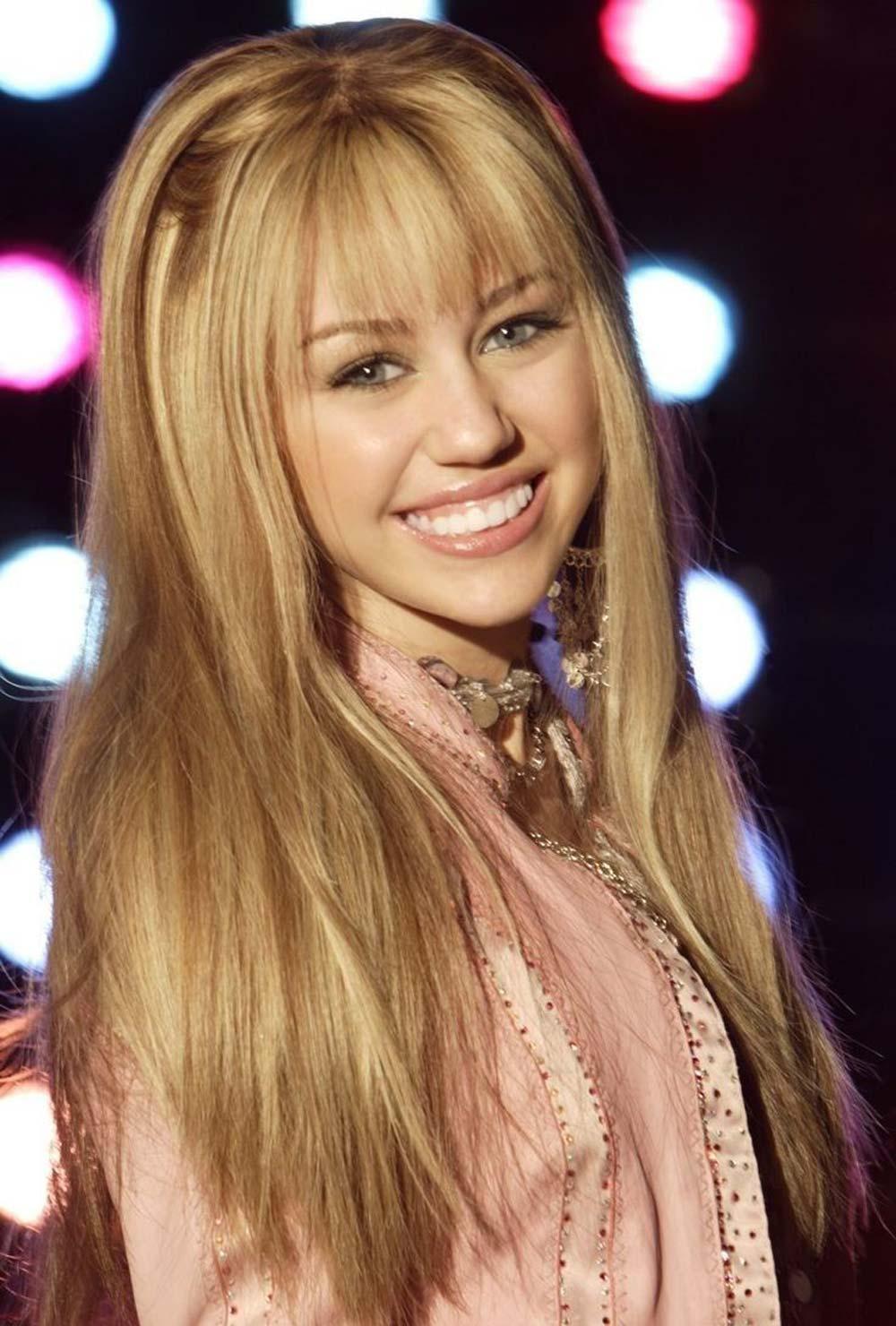
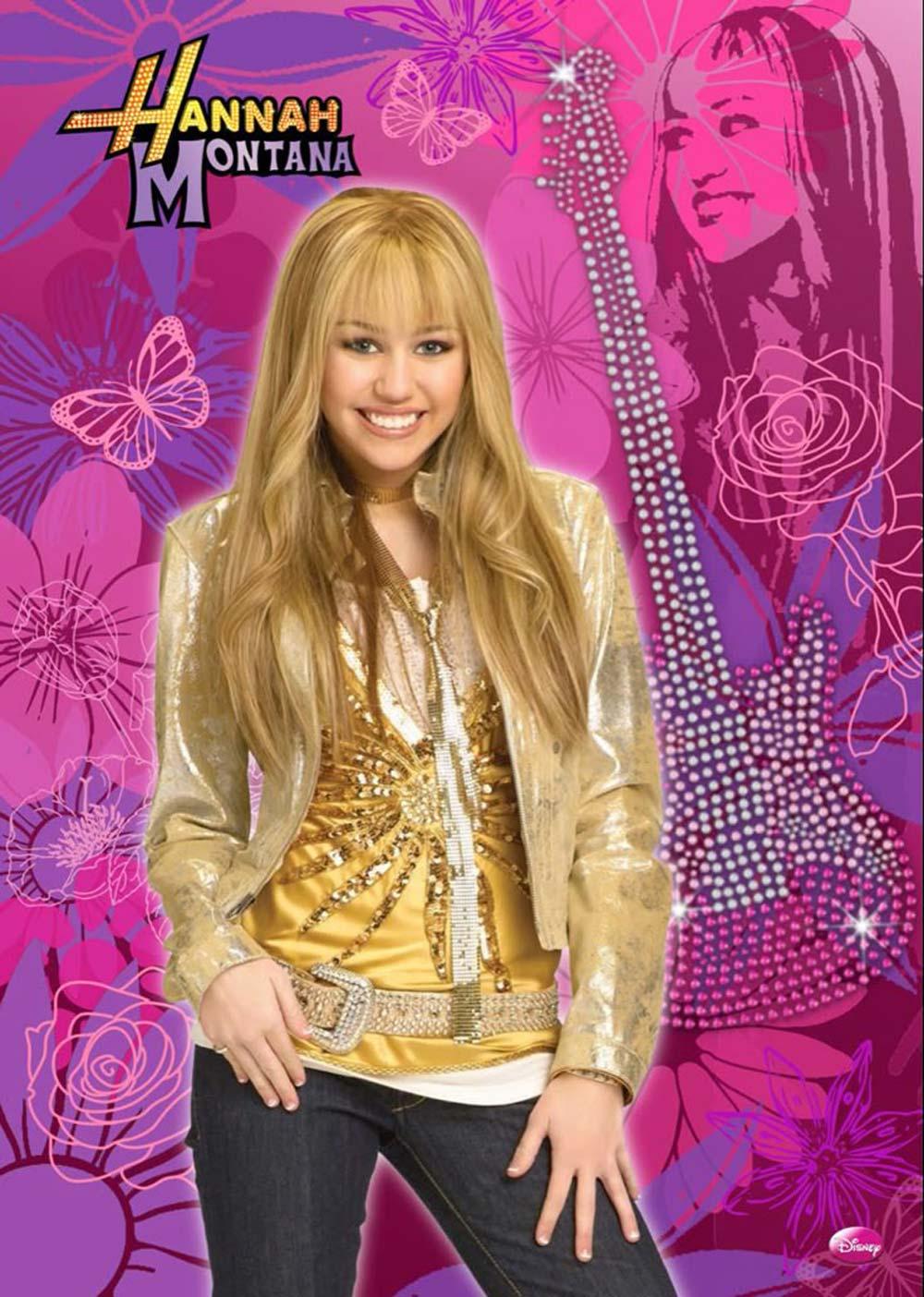
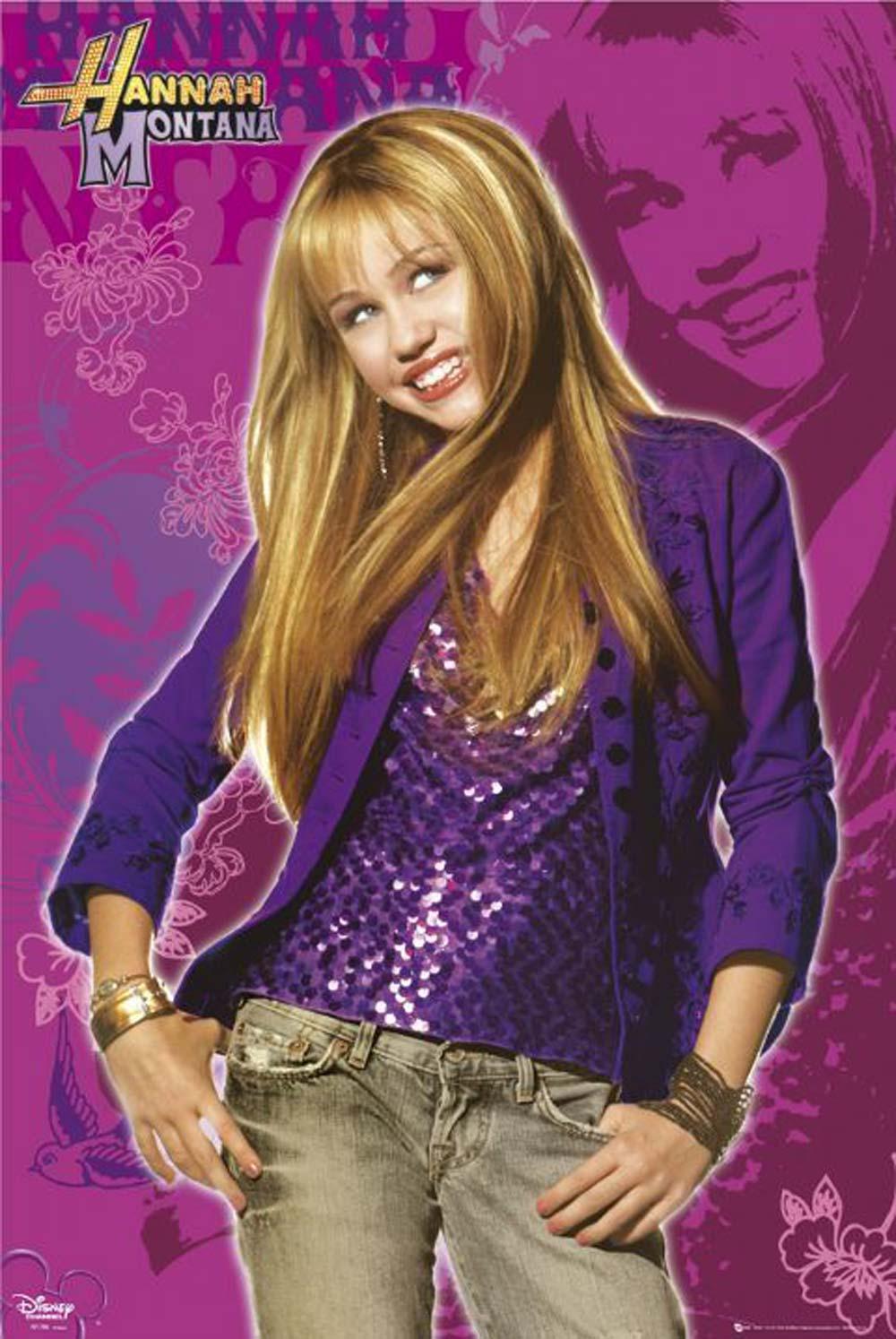 When Hannah Montana premiered on Disney Channel in 2006, it quickly became a cultural sensation. The series introduced viewers to Miley Stewart, a seemingly average teenager who secretly lived a double life as the famous pop star Hannah Montana. Played by Miley Cyrus, who was just thirteen years old at the time, the role would catapult her into global stardom almost overnight. The concept of leading a hidden life was instantly appealing, especially to young audiences who were navigating their own identities and aspirations. The show cleverly combined humour, heartfelt moments, and catchy music, creating a formula that proved irresistible.
At its core, Hannah Montana was about the challenges of balancing two identities. Miley Stewart constantly struggled to keep her secret from classmates and the public while trying to maintain a sense of normalcy. This duality allowed the show to explore themes that were deeply relatable, even if the premise itself was fantastical. The pressures of fitting in, the fear of being misunderstood, and the desire to pursue dreams without losing oneself were all woven into the storyline. Viewers saw a character who, despite her fame, faced many of the same insecurities and dilemmas they experienced in their own lives.
A significant aspect of the show’s success was its strong emphasis on relationships, particularly the bond between Miley and her father. Billy Ray Cyrus, a well-known country music artist and Miley’s real-life father, played Robby Ray Stewart on the series. His character served as both a supportive parent and a manager, guiding Miley through the complexities of her double life. Their on-screen chemistry added authenticity and warmth, grounding the show’s more exaggerated elements in genuine emotion. Robby Ray often provided wisdom and reassurance, reinforcing the importance of family and trust.
Friendship also played a central role in the series. Miley’s best friends, Lilly Truscott and Oliver Oken, were among the few who knew her secret. Their loyalty and unwavering support highlighted the value of honesty and companionship. Lilly, in particular, became a fan favorite for her energetic personality and her own alter ego, Lola, which mirrored Miley’s dual identity. Oliver brought humour and heart to the group, often finding himself entangled in the chaos of Miley’s secret life. Together, the trio created a dynamic that felt authentic and engaging, capturing the ups and downs of teenage friendships.
The creative minds behind the show crafted a world that blended comedy with music in a way that felt fresh and exciting. Each episode typically featured a mix of humorous situations and emotional lessons, often culminating in a musical performance. These songs were not just entertaining but also served as a way to express Miley’s inner thoughts and struggles. Music became a central pillar of the series, setting it apart from other teen sitcoms of the time.
The catchy tunes and upbeat performances contributed to the show’s widespread appeal, making it a multimedia phenomenon.
The timing of Hannah Montana’s debut played a crucial role in its success. During the mid 2000s, Disney Channel was expanding its focus on music driven programming. The popularity of musical projects created a perfect environment for a show like Hannah Montana to thrive. It tapped into a growing appetite for content that combined storytelling with music, offering something that felt both entertaining and aspirational. The series quickly became one of the network’s flagship programs, drawing in millions of viewers and solidifying its place in pop culture.
Beyond the television screen, the influence of Hannah Montana extended into multiple areas of entertainment. Miley Cyrus’s portrayal of the character led to the release of several albums that achieved commercial success. Fans could listen to the music outside the context of the show, deepening their connection to the character and her world. Concert tours brought the experience to life, allowing audiences to see Hannah Montana perform on stage. These live events were not just concerts but immersive experiences that blurred the line between fiction and reality.
The franchise also expanded into film, further cementing its impact. A concert film released in 2008 gave fans the opportunity to witness both Miley Cyrus and her alter ego performing in a single production. This dual presentation emphasized the central theme of balancing two identities. The following year, a feature film explored Miley’s journey in greater depth, focusing on her connection to family and her struggle to stay true to herself. These projects demonstrated the versatility of the franchise and its ability to evolve while maintaining its core themes.
As Miley Cyrus grew older, the contrast between her real-life persona and the character she portrayed became more pronounced. While Hannah Montana represented a wholesome and carefully curated image, Cyrus began to explore her individuality as an artist and public figure. This evolution sometimes led to tension, as audiences grappled with the transition from child star to adult performer. However, this shift also highlighted an important aspect of growing up in the spotlight. It underscored the challenges faced by young performers who must navigate personal growth while meeting public expectations.
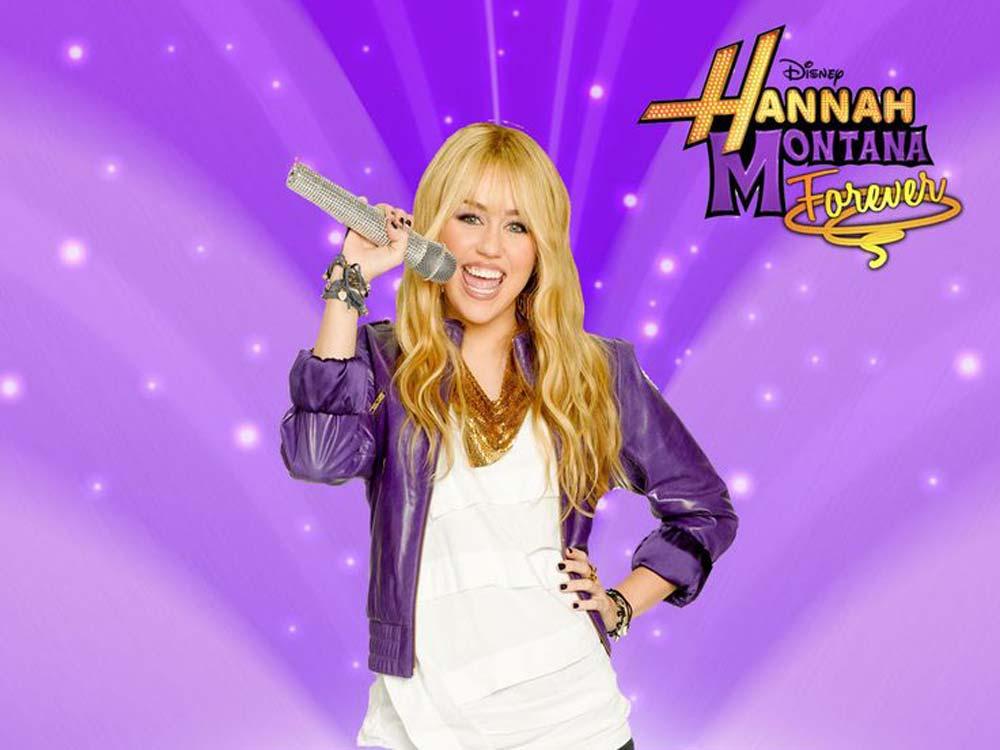
Despite these challenges, the popularity of Hannah Montana remained strong throughout its run. The series concluded in 2011 after four successful seasons, leaving behind a legacy that would continue to influence the entertainment industry. It played a significant role in shaping Disney Channel’s approach to creating stars, proving that a combination of relatable storytelling and musical talent could resonate deeply with audiences. The show helped pave the way for a new generation of performers who would follow a similar path, blending acting and music to build multifaceted careers.
The impact of Hannah Montana can also be seen in the way it defined an era. For many who grew up watching the show, it represents a nostalgic connection to childhood and adolescence. The songs, characters, and storylines remain vivid in the memories of fans, serving as a reminder of a time when life felt simpler and full of possibility. The idea of having the best of both worlds continues to resonate, symbolizing the balance between dreams and reality that many strive to achieve.
Two decades after its debut, the enduring appeal of Hannah Montana is evident in the continued enthusiasm of its fan base. Anniversary celebrations and retrospectives have brought renewed attention to the series, allowing both longtime fans and new audiences to revisit its story. Miley Cyrus herself has acknowledged the significance of the role, reflecting on how it shaped her career and identity. These moments of reflection highlight the lasting connection between the artist and the character that introduced her to the world.
Looking back, it is clear that Hannah Montana was more than just a television show. It was a cultural phenomenon that captured the imagination of a generation. By addressing themes of identity, friendship, and ambition, it offered viewers a sense of understanding and inspiration. At the same time, it redefined what a children’s television series could achieve, demonstrating the potential for cross media storytelling and branding.
The legacy of Hannah Montana continues to influence the entertainment landscape today. Its success paved the way for future projects that combine music and narrative in innovative ways. It also set a standard for creating characters who are both relatable and aspirational, a balance that remains central to many modern productions. For Miley Cyrus, the show marked the beginning of a career that has continued to evolve and thrive, showcasing her versatility and resilience as an artist.
Even now, the impact of Hannah Montana can be felt in the way people talk about the show and its significance. It remains a touchstone for discussions about childhood, fame, and the complexities of growing up. The themes it explored are timeless, ensuring that its relevance endures long after its original run. Whether through rewatching episodes, listening to its music, or simply reminiscing about favourite moments, fans continue to celebrate the show’s influence.
In the end, Hannah Montana stands as a testament to the power of storytelling and its ability to shape cultural experiences. It brought together humour, music, and heartfelt lessons in a way that resonated deeply with audiences. As it marks its twentieth anniversary, the show serves as a reminder of how a single series can leave a lasting imprint on an entire generation. Its message of embracing both sides of oneself, of finding balance and staying true to one’s identity, remains as meaningful today as it was when it first aired.