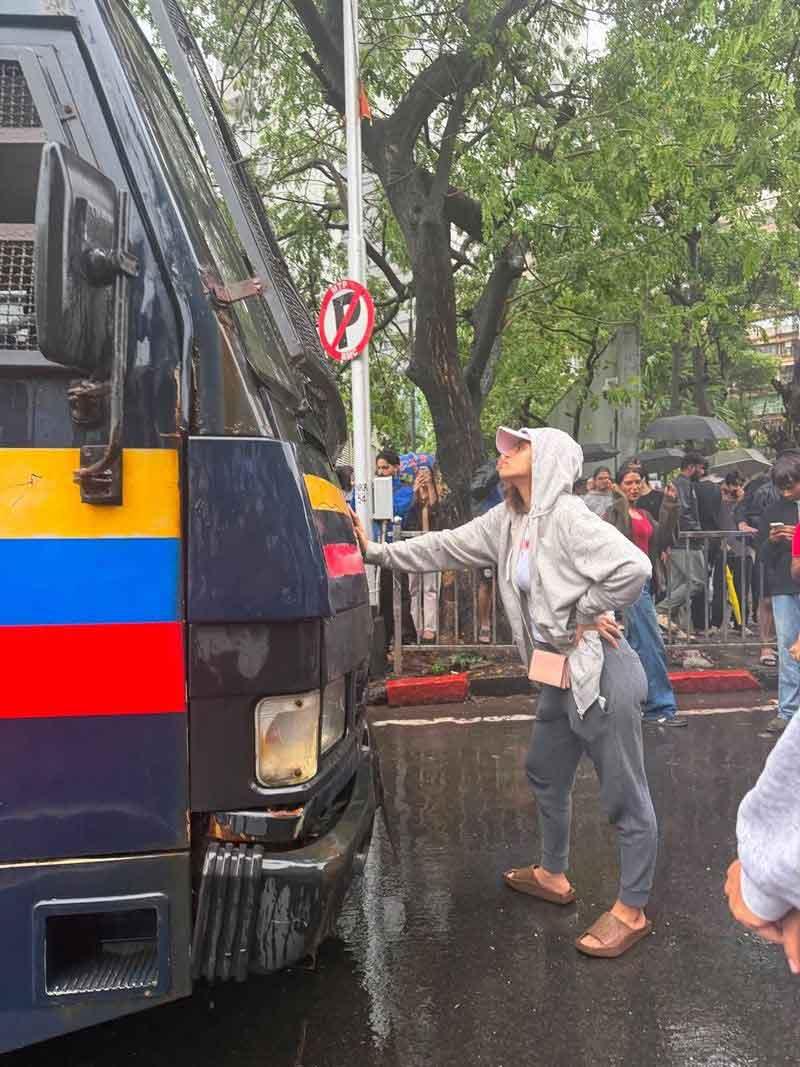
Are Gen Z Protests in South Asia Losing Their Moral Compass?
BEHIND CLOSED DOORS BY NUHA FAIZ
I am for all the protests. I believe in the power of young people to challenge governments that have failed them, to question systems that have silenced them and to demand accountability from those who hold power. From the Aragalaya in Sri Lanka to the youth-led protests in Bangladesh, the Gen Z movements in Nepal and the recent protests in India, there is something deeply significant happening across South Asia. A generation that was often dismissed as politically detached, obsessed with technology or uninterested in traditional forms of activism has shown that it is capable of organizing, mobilizing and confronting some of the most powerful political establishments in the region.
These movements have reminded us that democracy does not survive merely because elections are held. It survives because citizens are willing to question, resist and participate. They have shown that young people are not simply inheriting the consequences of decisions made by older generations. They are demanding a role in shaping the future they will live in.
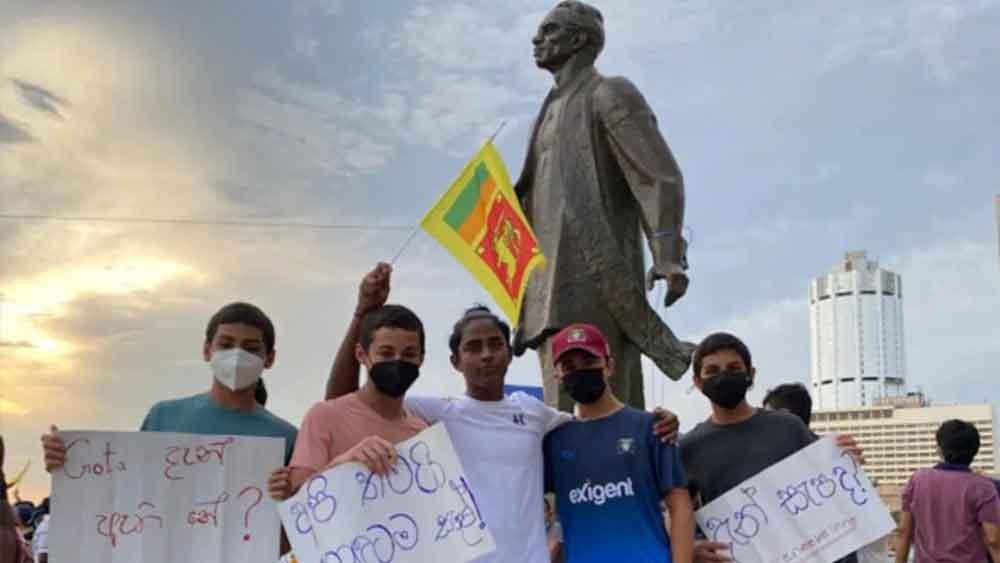
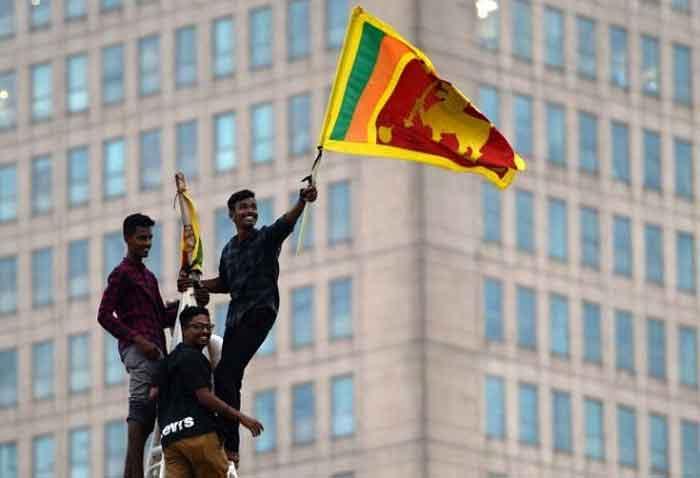
The Aragalaya in Sri Lanka was a defining moment in this regional awakening. In 2022, as the country faced its worst economic crisis since independence, thousands of ordinary citizens gathered in protest against the Rajapaksa administration. What began as frustration over shortages of fuel, food and medicine grew into a wider movement against corruption, political mismanagement and a system that many believed had failed the public. The image of young people occupying Galle Face Green, building a protest village and creating spaces for dialogue, art, education and community became symbolic of a new kind of civic participation.
The resignation of President Gotabaya Rajapaksa after months of protests was historic. It demonstrated that citizens could challenge even deeply established political power. More importantly, it gave many young people across South Asia a new sense of possibility. The idea that ordinary citizens could collectively demand change was no longer theoretical. It had happened.
However, while I continue to support these movements and the courage behind them, I have also found myself increasingly uncomfortable with certain aspects of how some protests are being carried out. This discomfort does not come from a rejection of protest. It comes from a belief that movements demanding justice must also examine the ethics of the methods they use to pursue that justice.
The Ethics
I find myself agreeing with activists and commentators who have raised concerns about certain tactics that appear to contradict the very values these movements claim to represent. There is an important conversation that needs to happen about whether the language, imagery and forms of expression used during protests always align with the principles of equality, dignity and justice that activists are fighting for.
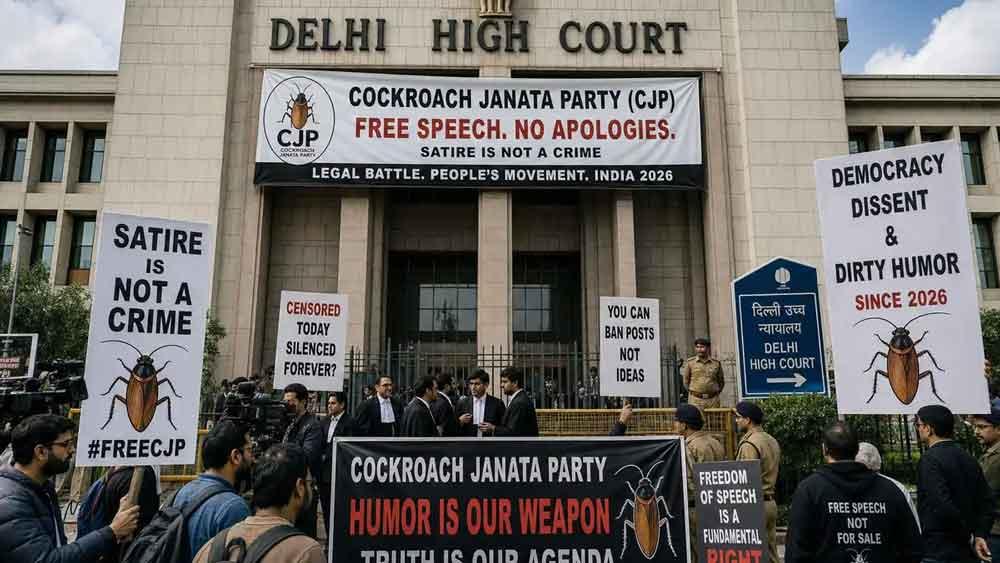
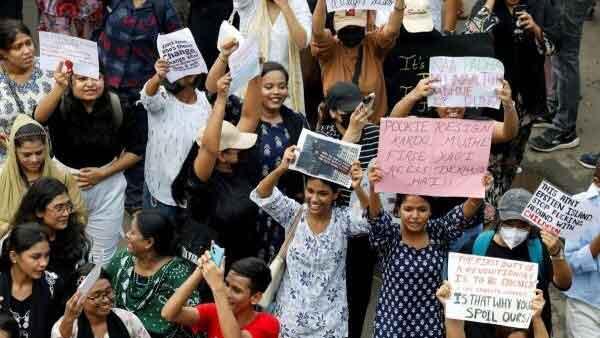
For example, during the recent protests in India, there have been numerous powerful messages calling for accountability and democratic reform. There have also been placards, cartoons and forms of political satire that have relied on misogyny, homophobia and body shaming to attack political figures.
Some posters have attempted to ridicule male politicians by feminising them, depicting them in traditionally feminine clothing or using femininity itself as a punchline. Others have relied on sexualised imagery or insults about appearance. Some have used homophobic language as a way of humiliating political opponents.
The problem with these forms of expression is not that politicians should be protected from criticism. Public figures, especially those who hold political power, must be open to scrutiny, satire and criticism. Democracy depends on the ability of citizens to challenge those in authority.
The problem is what these methods communicate beyond their intended target.
When a male politician is mocked by portraying him as a woman, the joke depends on the assumption that being a woman is humiliating. Being a woman is not an insult and moreover, most of the powerful protestors in the CJP protests were some of the women.
When a politician is insulted through references to queer identities, the message is not only directed at that politician. It reinforces the idea that being queer is something shameful. When body size, appearance or gender expression becomes the weapon of political criticism, it contributes to a culture where those same characteristics become acceptable reasons to ridicule ordinary people.
The target may be a powerful politician, but the insult often lands on communities that have historically faced discrimination. This is where movements need self-reflection.
A protest is not only about what it opposes. It is also about what it represents. The methods used during a movement communicate the kind of society that movement wants to create. If a movement challenges authoritarianism but uses language rooted in prejudice, it risks reproducing the same systems of humiliation and exclusion that it claims to oppose.
Recognizing the Pattern
Throughout history, many struggles for liberation have contained internal contradictions. Anti-colonial movements often operated within societies where women remained excluded from political power. Labour movements fought economic inequality while sometimes ignoring racial discrimination. Democratic movements have existed alongside social attitudes that marginalised minorities.
The existence of these contradictions did not make those movements meaningless. But progress came when people within those movements challenged these limitations and demanded that the principles of equality apply more broadly. That is the responsibility of every generation of activists.
The strength of Gen Z movements has been their willingness to question old structures. This generation has brought conversations around gender equality, climate change, mental health, social justice and human rights into mainstream spaces. It has challenged many forms of discrimination that previous generations normalised.
Therefore, it is reasonable to expect the same level of accountability from the movements themselves.
The argument is not that protesters must be perfect. No movement is made up of perfect individuals. Large protests bring together thousands, sometimes millions, of people with different backgrounds, beliefs and levels of political awareness. There will always be anger, frustration and emotional expression, especially when people are confronting injustice.
But there is a difference between anger directed at systems of power and language that harms vulnerable communities. Anger can be justified. Dehumanisation cannot.
This distinction matters because protests are not only moments of resistance. They are moments of political education. They shape how people understand justice, power and social responsibility.
The Distinction
The Aragalaya, for example, was powerful not only because people gathered against a government. It was powerful because many participants attempted to create an alternative civic culture. At Galle Face, people organised food distribution, discussion forums, libraries, art installations and educational programmes. Individuals from different ethnic, religious and social backgrounds shared the same space in a country deeply affected by decades of division.
The movement was not without criticism. No major political movement is. But what made it inspiring was the attempt to build something while resisting something. It was not only saying, "This system has failed us." It was also asking, "What kind of society do we want instead?" That question is essential for every protest movement.
Across South Asia, young people are now asking similar questions. The protests in Bangladesh, for example, emerged from student anger over government policies surrounding public sector job quotas before expanding into a broader challenge against the Awami League government and Sheikh Hasina's leadership. The protests eventually contributed to Hasina leaving office in August 2024 after weeks of unrest and state violence.
In Nepal, youth-led demonstrations reflected frustrations over corruption, unemployment and political stagnation. Young citizens questioned a system where many felt their future opportunities were limited despite years of education and effort.
In India, young protesters have raised concerns about issues including examination irregularities, unemployment, political accountability and democratic freedoms.
Each of these movements has its own history and its own causes. It would be inaccurate to suggest that one protest directly created another. Social movements emerge from specific conditions within each country. However, what connects them is the feeling among young people that existing political systems are failing to address their realities.
Political Satire
Technology has accelerated this connection. Social media has allowed young activists to witness protests beyond their own borders, learn strategies, share experiences and see examples of citizens challenging authority. The image of one movement succeeding can inspire confidence elsewhere. But inspiration also brings responsibility.
If Gen Z is shaping the future of political activism, then it must also consider what values it wants that activism to represent. A movement for democracy must protect dignity. A movement for equality must challenge prejudice, even when that prejudice is being used against political opponents. It must recognise that the methods used in the struggle matter as much as the outcome.
Some may argue that political satire has always been harsh. Historically, cartoons and protest art have been exaggerated, mocked and provoked. That is true. Satire is a powerful democratic tool because it allows citizens to challenge authority, expose hypocrisy and question those in power. But effective satire does not need to rely on punching down.
The strongest political satire attacks decisions, corruption, hypocrisy and abuse of power. It does not need to suggest that femininity, queerness or physical appearance are inherently embarrassing.
When a protest uses the same prejudices that activists claim to oppose, it weakens its own message.
Accountability
This conversation is particularly important because governments often look for opportunities to discredit protest movements. They highlight offensive slogans and controversial images to shift attention away from legitimate grievances. While this should not become an excuse to dismiss genuine demands for justice, movements should be aware that their actions influence public perception. Self-criticism does not weaken a movement. It strengthens it.
The most resilient movements are those capable of asking difficult questions about themselves. They do not assume that having a just cause automatically makes every action acceptable. The challenge before Gen Z is not simply to prove that young people can bring governments down. That has already been demonstrated. The greater challenge is to prove that young people can build something better.
The future of protest cannot only be measured by how effectively it challenges those in power. It must also be measured by whether it creates a political culture rooted in dignity, inclusion and respect.
The world has already witnessed the power of Gen Z resistance. From Sri Lanka's Aragalaya to movements across South Asia, young people have shown that silence is not their default position, and that political participation is not limited to traditional institutions. Now comes the harder question. What kind of resistance do we want to leave behind? A resistance that simply replaces one set of powerful voices with another? Or a resistance that genuinely transforms how we understand justice, equality and human dignity? The answer will determine not only how history remembers these movements, but also the kind of society they help create.