Animal Testing in Medical Research: Ethical Consideration or Scientific Necessity?
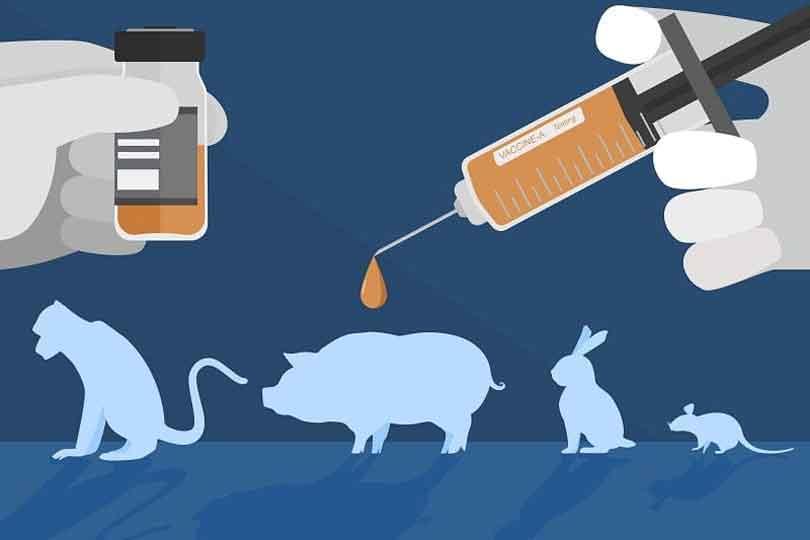
For centuries, animals have played a significant role in the development of medical science. From vaccines and surgical procedures to treatments for cancer and infectious diseases, animal research has contributed to discoveries that have saved countless human lives. Yet, behind many of these scientific breakthroughs lies a deeply uncomfortable question: how much suffering can be justified in the name of human progress?
Animal testing remains one of the most controversial ethical debates in modern medicine. Supporters argue that it is an essential tool for understanding diseases, developing treatments and determining whether new drugs are safe before they are administered to humans. Opponents, however, question whether humans have the moral right to experiment on animals that are capable of experiencing pain, fear and distress.
The debate is therefore not simply about science versus compassion. It is about where society should draw the line between scientific necessity and ethical responsibility.
The scientific argument
Medical research is a complex process, and developing a new drug or treatment requires researchers to understand how it affects an entire living organism. While laboratory studies using cells, tissues and computer models have advanced significantly, they cannot always replicate the interactions that occur within a complete biological system.
This is where animal models have traditionally been used.
Before many treatments reach human clinical trials, researchers may test them on animals to examine their potential effects, including toxicity, metabolism and possible side effects. Animal studies can provide information that cannot always be obtained from isolated cells or computer simulations.
Historically, animal research has been associated with major medical achievements. Studies involving animals have contributed to the development of vaccines, antibiotics, treatments for diseases and surgical techniques. Research involving mice, rats, rabbits and other animals has helped scientists investigate conditions ranging from cancer and diabetes to neurological disorders.
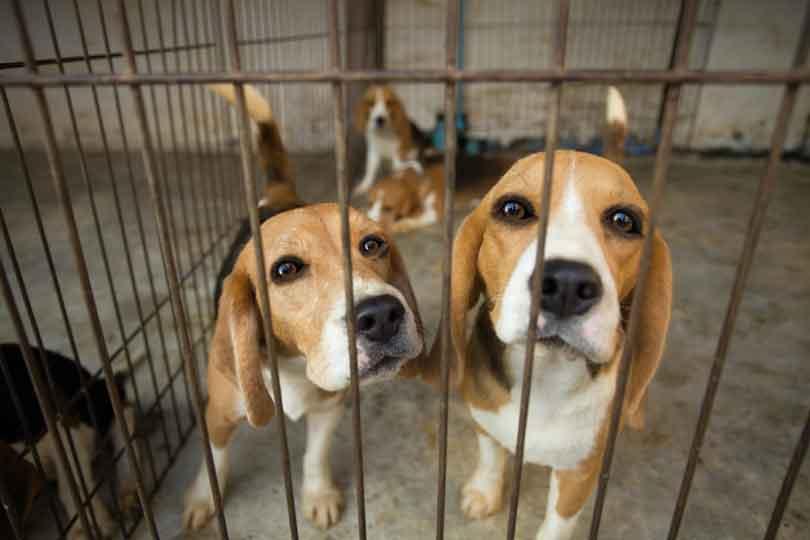
For advocates of animal research, the argument is therefore straightforward: if carefully controlled animal studies can prevent humans from being exposed to dangerous treatments, they can serve an important scientific and public health purpose.
There is also the argument that medical research is not conducted solely for the benefit of humans. Animal studies have contributed to veterinary medicine as well, helping researchers develop treatments and vaccines for diseases affecting animals themselves.
However, the scientific case is not without criticism.
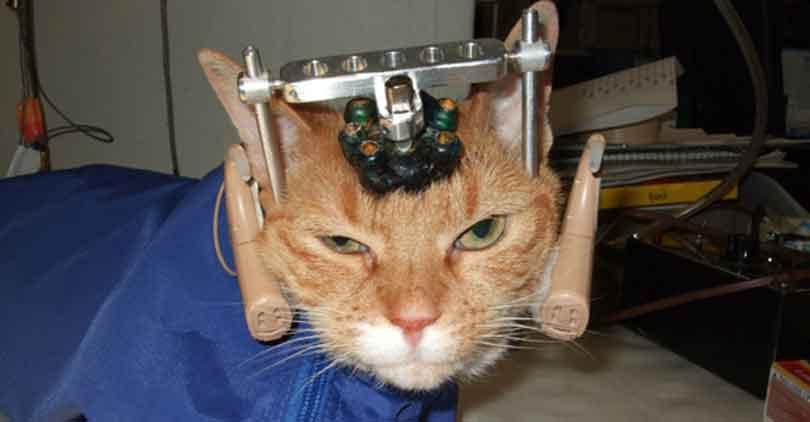
One major concern is that animals are not identical to humans. A drug that appears safe and effective in an animal may behave differently in the human body. Differences in genetics, physiology and metabolism can make it difficult to predict how a treatment will perform in people.
This raises an important question: if animal testing cannot guarantee that a treatment will work safely in humans, how much weight should be placed on it?
The ethical dilemma
The ethical argument against animal testing begins with a simple premise: animals can suffer.
Many animals used in research are sentient beings capable of experiencing pain, stress and fear. Depending on the nature of the experiment, they may be subjected to invasive procedures, disease models, confinement or eventual euthanasia.
Critics argue that the fact that humans have the intellectual capacity to conduct scientific research does not automatically give us the moral authority to use other living beings as experimental subjects.
The question becomes even more complicated when the research is conducted for purposes that are not directly related to saving lives. While there may be a stronger argument for research into life-threatening diseases, the ethical justification becomes less clear when animals are used for cosmetic products, unnecessary experiments or research that could potentially be conducted through alternative methods.
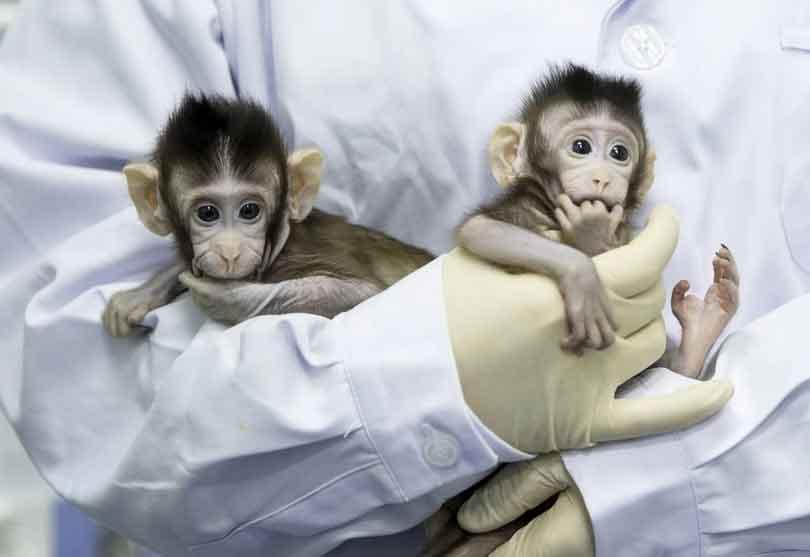
This is why the ethical debate often centres on necessity.
If there is no alternative to animal testing and the research could lead to a major medical breakthrough, some people may consider the use of animals morally defensible. But if a reliable alternative exists, continuing to use animals becomes much more difficult to justify.
The rise of alternatives
Scientific progress may eventually make this debate less dependent on a simple choice between animal welfare and medical advancement.
Researchers are increasingly exploring alternatives to traditional animal testing. These include human cell cultures, organoids, computer modelling, artificial intelligence and organs-on-chips. Such technologies can provide scientists with new ways to study human biology and disease without relying exclusively on animals.
Organoids, for example, are three-dimensional structures grown from human cells that can replicate certain characteristics of human organs. Organ-on-chip technology attempts to recreate aspects of human organs and biological processes in miniature laboratory systems.
Artificial intelligence and computational modelling are also developing rapidly, potentially allowing researchers to predict how certain substances may interact with the human body.
These technologies offer enormous promise. They may eventually provide results that are not only more ethical but also more relevant to human health.
However, alternatives are not yet capable of replacing every form of animal research. Biological systems are incredibly complex, and no single laboratory model can currently reproduce every interaction that takes place within a living organism.
Therefore, the transition away from animal testing is likely to be gradual rather than immediate.
The principle of the Three R’s
In countries and institutions where animal research is permitted, ethical frameworks often focus on the principle known as the Three Rs: replacement, reduction and refinement.
- Replacement means using non-animal methods wherever possible.
- Reduction means using the minimum number of animals necessary to obtain scientifically meaningful results.
- Refinement means improving research methods to minimise pain, suffering and distress.
The Three Rs provide a framework for balancing scientific research with animal welfare. Rather than treating animal testing as automatically acceptable or completely unacceptable, the approach asks researchers to constantly examine whether animals are genuinely necessary and whether their suffering can be reduced.
Yet, critics argue that these principles do not resolve the fundamental ethical issue. Even if suffering is minimised, animals are still being used for human purposes without their consent.
That is where the debate becomes philosophical.
Whose lives matter?
At the heart of the controversy is a broader question about how humans value life.
Human society generally recognises that animals are capable of feeling pain, yet we often treat different species differently depending on their perceived intelligence, usefulness or relationship with humans. A laboratory mouse may be viewed as a research subject, while a dog is regarded as a companion.
This inconsistency has led some philosophers and animal rights advocates to question whether species should determine the level of moral consideration an animal receives.
Supporters of medical research, meanwhile, argue that human life has a unique moral value and that society has a responsibility to protect human health. From this perspective, carefully regulated animal research may be justified when the potential benefits are significant and no suitable alternative exists.
Neither argument is entirely simple.
A person suffering from a life-threatening illness may understandably want scientists to explore every possible avenue for treatment. At the same time, recognising the value of human life does not necessarily require society to ignore animal suffering.
Perhaps the real challenge is to acknowledge both truths simultaneously.
A question of necessity, not convenience
The debate over animal testing should not be reduced to a simple choice between being "pro-science" or "pro-animal". Scientific progress and ethical responsibility are not necessarily opposing forces. The more important question is whether a particular experiment is genuinely necessary.
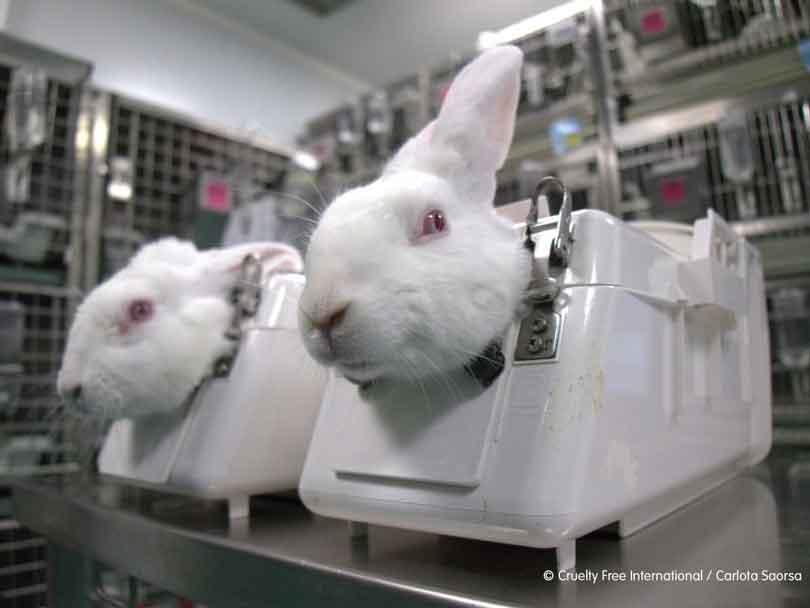
If researchers can achieve the same scientific outcome using human cells, computer modelling or another reliable method, there is a strong ethical argument for choosing the alternative. If no alternative exists, the potential medical benefits must be weighed carefully against the harm caused to the animals involved. This requires transparency, strict regulation and independent ethical oversight.
It also requires scientists to be honest about the limitations of animal research. Animal testing should not be treated as an automatic guarantee of human safety, nor should its limitations be ignored simply because it has been part of medical research for generations.
At the same time, society must be cautious about rejecting animal research entirely before adequate alternatives are available. Doing so without considering the possible consequences for patients could also raise ethical concerns.
After all, the goal of medical science is to reduce suffering. That includes the suffering of people living with disease, but it should also encourage us to minimise the suffering of animals wherever possible.
The future of medical research
The future may not be about choosing between animals and humans. It may be about developing better science that requires fewer animals.
As technology advances, researchers may increasingly rely on human-based models, artificial intelligence and sophisticated laboratory systems. These developments could eventually reduce the number of animals used in research while improving our understanding of human disease. Until then, the debate will continue.
Animal testing sits at an uncomfortable intersection between scientific progress and moral responsibility. It has contributed to medical discoveries that have transformed human lives, but its history also raises legitimate questions about the treatment of animals and the limits of scientific experimentation.
The answer, therefore, may not lie in declaring animal testing either an absolute ethical wrong or an unquestionable scientific necessity. Instead, perhaps the responsibility lies in demanding that every use of animals in medical research must meet a high standard of necessity, scientific value and ethical justification. The ultimate measure of scientific progress should not simply be how much humanity can discover. It should also be how responsibly we choose to make those discoveries.
If medical science is ultimately about saving lives and reducing suffering, then the pursuit of knowledge must also ask a difficult question: can we advance medicine while causing less harm to the beings that share our world? That is not a question science can answer alone. It is a question that demands ethics, compassion and a willingness to rethink what progress truly means.