The Death of the Third Place: Where Do We Go Just to Exist?
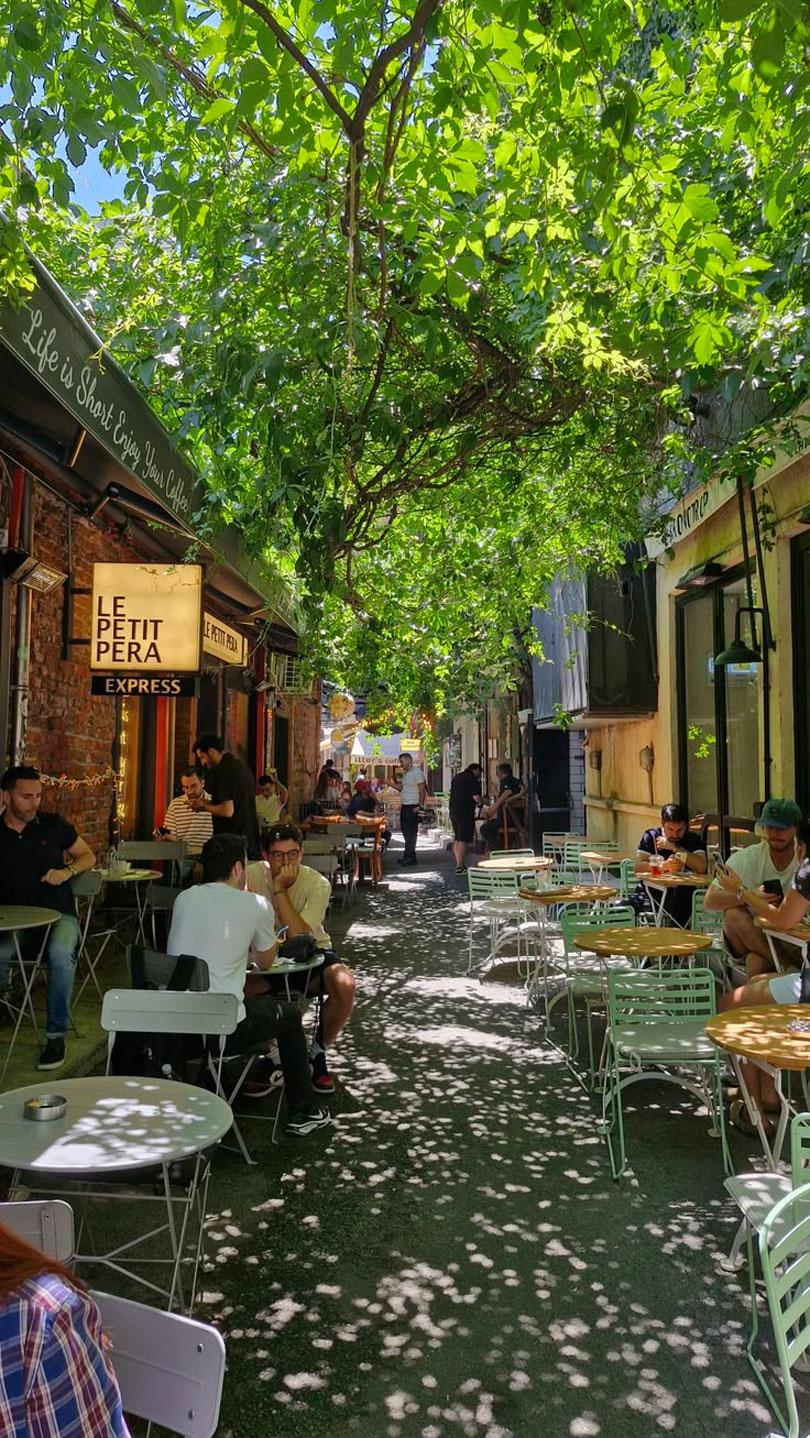
Why cafés, bookstores and public spaces matter more than ever in a world where simply spending time somewhere is becoming a luxury.
There was a time when meeting friends did not necessarily involve making a reservation, ordering an expensive coffee or planning an entire evening around an activity. People gathered at neighbourhood cafés, spent hours browsing bookstores, sat in public parks or simply found somewhere to talk. These spaces offered something that neither home nor work could provide: the freedom to exist without expectations. Today, that freedom feels increasingly difficult to find.
As cities grow busier, living costs rise and social interactions move online, the places where people once gathered casually are changing. Cafés have become workplaces, shopping malls have become weekend destinations, and even a simple outing can come with the expectation of spending money. What was once a spontaneous activity now often requires planning and a budget. This raises a question worth considering: where can we go when we do not want to work, shop or spend, but simply want to be?
The term third place was popularised by American sociologist Ray Oldenburg in his 1989 book The Great Good Place. He described third places as informal gathering spaces outside the two primary environments of everyday life: home, the first place, and work, the second. These could include cafés, libraries, parks, community centres, neighbourhood shops and other spaces where people could interact without the formalities associated with work or domestic responsibilities. What made these places important was not necessarily their appearance or the services they offered, but their ability to bring people together.
A third place was somewhere you could become a familiar face without needing an invitation. Conversations could happen naturally, friendships could develop unexpectedly, and people from different backgrounds could share the same environment. These spaces helped create a sense of belonging within communities. They provided opportunities for ordinary human interaction without requiring people to organise an event or spend a significant amount of money.
However, not every café or public venue automatically qualifies as a third place. A beautifully designed restaurant that requires customers to spend a considerable amount of money may offer an enjoyable experience, but it does not necessarily provide the accessibility and informality that Oldenburg considered essential. The distinction matters because the disappearance of third places is not simply about having fewer places to visit. It is about losing spaces where participation in community life does not depend on purchasing something.
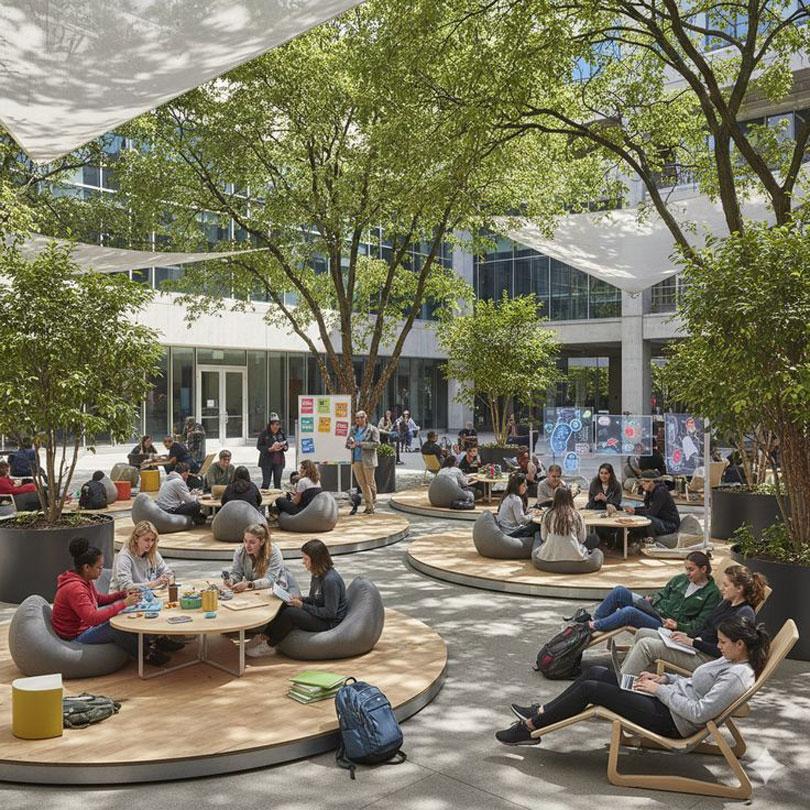
Think about the last time you met a friend. Perhaps you went for coffee, had lunch, watched a film or visited a shopping mall. While there is nothing wrong with these activities, they reveal how closely socialising has become connected to consumption. Even the simplest catch-up can involve transport expenses, food, drinks and other costs. For students, young professionals and anyone managing a limited budget, maintaining an active social life can become financially demanding.
The issue is not that cafés and restaurants charge for their services, as businesses have expenses, employees and operational responsibilities. The concern is that there are not always enough comfortable alternatives for people who want to spend time together without spending money. Public parks, libraries, walking paths and community spaces can help fill this gap, but their availability, accessibility and maintenance vary considerably. In a city like Colombo, shopping malls and cafés are popular meeting points partly because they offer convenience, shelter and places to sit.
Yet their commercial nature can make lingering without purchasing something feel uncomfortable. The result is a subtle shift in how we understand leisure. Instead of asking where we can spend time, we increasingly ask what we can afford to do. When socialising becomes closely tied to spending, even maintaining friendships can begin to feel like another financial responsibility.
Cafés remain among the most recognisable examples of modern third places, but their role has evolved. Walk into a popular coffee shop on a weekday and you may find customers working on laptops, attending virtual meetings, studying for examinations or completing assignments. For many people, cafés provide a welcome alternative to working from home, offering a change of scenery and an environment that can make solitary work feel less isolating. However, this transformation also reflects how the boundaries between work and leisure have become increasingly blurred.
A place once associated primarily with conversation and relaxation can now function as an extension of the workplace. Of course, people have studied, written and worked in cafés for generations. The difference today is the growing influence of remote work, digital devices and the expectation that almost any environment can become productive. Perhaps the problem is not that people work in cafés, but that we have become so accustomed to being productive that doing absolutely nothing can feel uncomfortable.
Technology has also changed how we connect with others, making communication easier and more immediate than ever before. We can message friends instantly, participate in group conversations and remain connected to people living thousands of kilometres away. Yet digital communication does not always replace the experience of being physically present with others. There is something different about recognising the same faces at a neighbourhood café, exchanging a few words with a bookstore owner or sitting in a park surrounded by people going about their day.
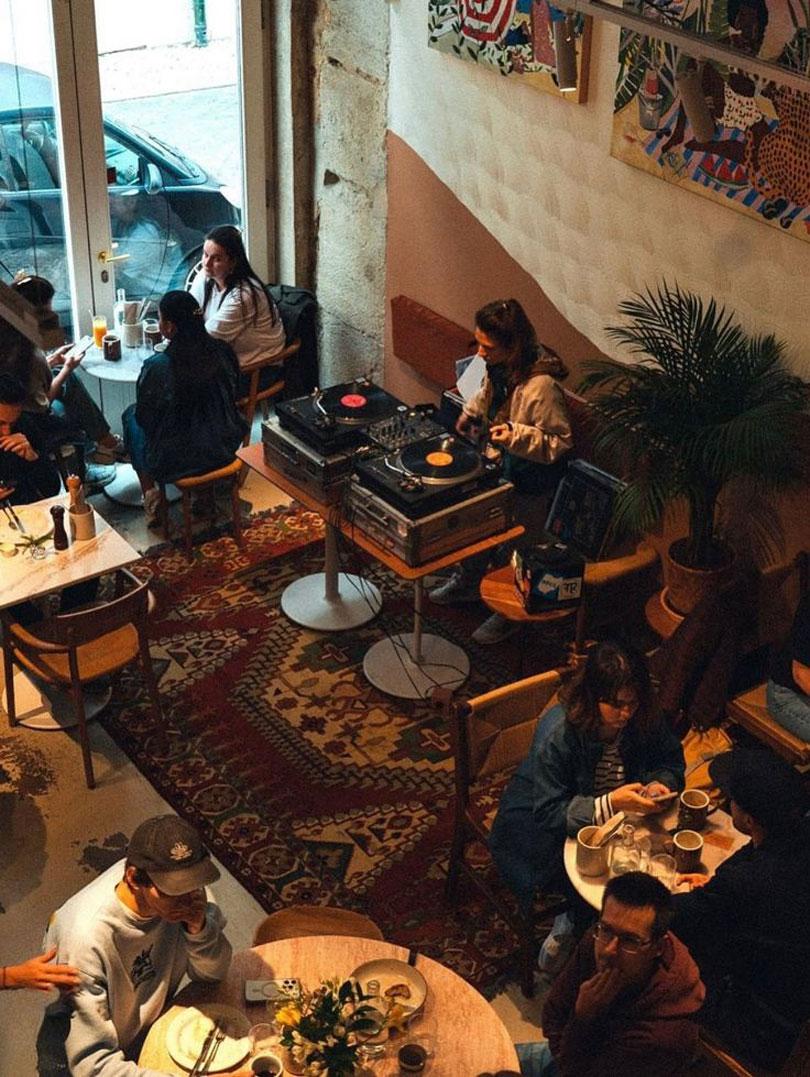
These seemingly insignificant interactions can contribute to a sense of familiarity and community that is difficult to recreate through a screen. Third places also allow friendships to develop without the pressure of formal social arrangements. Not every meaningful interaction begins with a planned meeting, and sometimes connection happens simply because people repeatedly share the same space. Without accessible gathering places, opportunities for these spontaneous interactions may become more limited.
The concern is particularly relevant in an age when loneliness and social isolation are increasingly discussed as public health issues. Although third places cannot solve loneliness on their own, they can create opportunities for connection that digital platforms cannot fully replicate. A good public space offers something that is difficult to measure financially: a sense of belonging. It allows people to participate in the life of a city without necessarily becoming customers.
For young people, these spaces can provide independence outside the family home, while older residents may find opportunities for conversation and companionship. For communities, they create shared environments where different generations and backgrounds can interact. This is why urban development should not be measured solely by the number of shopping complexes, luxury apartments or commercial establishments a city possesses. A truly liveable city also needs places where people can sit comfortably, read, walk, talk and spend time without feeling pressured to leave.
Libraries, accessible parks, shaded seating areas and community centres may not generate the same commercial attention as major developments, but their social value should not be underestimated. In Sri Lanka, where outdoor spaces can be affected by intense heat and seasonal rain, providing comfortable and accessible public facilities is particularly important. Creating such spaces is not simply about beautifying cities, but about making everyday life more welcoming and inclusive. Their value lies in giving people the freedom to participate in community life regardless of how much money they have.
Perhaps the most concerning aspect of the disappearing third place is what it suggests about modern life. We have become accustomed to assigning a purpose to almost everything we do, even when we are supposedly relaxing. We visit cafés to work, attend events to network, travel to create content and sometimes turn ordinary outings into opportunities for photographs and social media updates. Even relaxation can begin to feel like another task that must be planned, documented or justified.
Social media has made it easier to discover new places, but it can also encourage us to evaluate experiences according to how visually appealing or shareable they are. A quiet afternoon at a familiar park may not attract the same attention as a visit to a fashionable new café, yet it can be just as meaningful. The value of a place should not depend entirely on what we can purchase, accomplish or post about it. Sometimes, the most memorable conversations happen in the simplest surroundings, without photographs or elaborate plans.
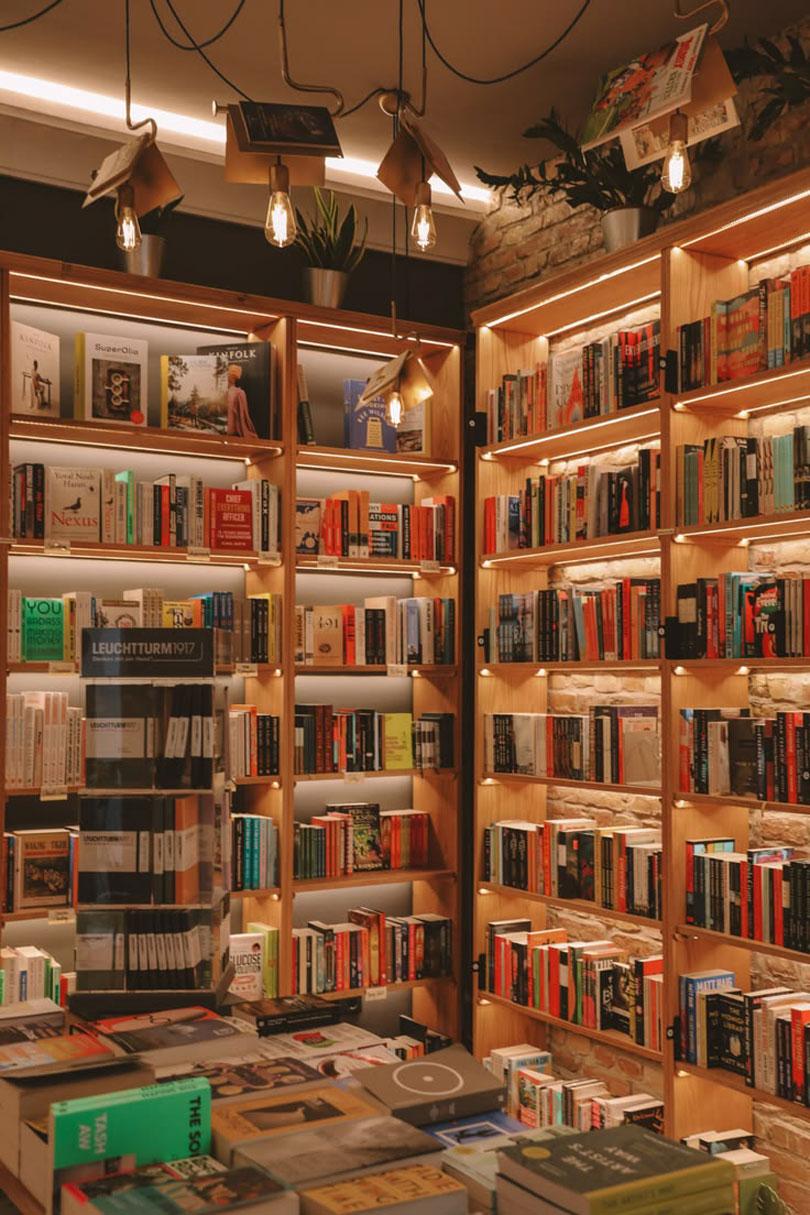
Of course, the idea that third places are disappearing does not mean they have vanished completely. Community gatherings, public libraries, religious and cultural spaces, local markets and neighbourhood parks continue to play important roles in everyday life. Some cafés and bookstores also make genuine efforts to create welcoming environments where regular customers develop lasting connections. The challenge is ensuring that these opportunities remain accessible to people from different financial and social backgrounds.
Cities need spaces that accommodate children, students, working adults, older people and those with disabilities, rather than catering only to those who can afford commercial leisure activities. Affordable public transport, safe pedestrian access, seating, shade and well-maintained facilities can all influence whether a place becomes somewhere people genuinely want to spend time. Protecting third places therefore requires more than nostalgia; it requires recognising their importance when planning the future of our communities. A city becomes more liveable not only through its buildings and businesses, but also through the everyday experiences it makes possible.
Ultimately, the conversation surrounding third places is about much more than cafés, bookstores or public parks. It is about the kind of society we are creating and whether people still have opportunities to connect without expectations. Not every moment needs to produce something, and not every outing needs to become an expense. Sometimes, sitting with a friend for hours, reading a book in a quiet corner or watching the world pass by is enough.
The future of third places depends partly on how cities are designed; how public spaces are maintained and whether communities have environments that welcome them without financial expectations. It also depends on whether we continue to recognise the importance of unstructured time and ordinary human connection. As our cities continue to develop, preserving spaces where people can gather freely should remain part of the conversation. Because ultimately, a city should offer more than places to work, shop and sleep; it should offer somewhere to belong, somewhere to connect and somewhere we can simply exist.