What Happens When Children Never Hear ’’No’’
By: Fazra Irfan
The call comes on a Tuesday afternoon. It's your child's teacher. Again. There's been another incident - hitting, shouting, refusing to listen. Your child is struggling in class, and the teacher's voice carries the weight of concern, perhaps even exhaustion. You hang up feeling defensive. Why can't they handle my child? Don't they understand how special they are? Maybe this school isn't the right fit. But here's what that teacher wishes they could say: “I'm not calling to blame you. I'm calling because I care about your child. And I'm watching them struggle with things that have nothing to do with academics; things that should have been learned long before they walked through my door.”
The Foundation Every Teacher Needs
Let us be clear about what teachers expect. They do not expect perfection. They do not expect children to arrive already reading or writing. That is their job to teach. What they do expect is a child who can manage the basics of being in a room with other human beings. A child who can sit through a meal without wandering away. Who can hear the word "NO" without falling apart. Who can wait their turn, share a toy, and accept that sometimes, things do not go their way. These are not academic skills. They are life skills. They are the foundational competencies upon which all future learning depends. Yet increasingly, educators report children arriving at school without these foundations. Children who have rarely been told ‘NO’. Children whose days lack rhythm or routine. Children who have been given everything they wanted, exactly when they wanted it, and now struggle to understand why the world will not do the same. The consequences are profound. Classrooms become difficult, not just for the teacher, but for every child in them. And most concerning of all, the child who struggles most is the very one we are trying to help.
The Hidden Cost of Never Hearing "NO"
It begins subtly. A toddler points to a toy at the store. You are exhausted. It is easier to buy it than to manage a meltdown. So, you do. A preschooler refuses dinner. You are drained from work. You make something else just to get through the evening. So, you do. A child fights bedtime. They cry, plead, stall. You have nothing left. You let them stay up. Just this once. Again. Each moment feels insignificant. Each decision feels like survival. And in the moment, it is. But children are not merely living in the moment. They are constructing a mental model of how the world operates. And when "NO" never sticks, here is what they learn: I am in charge. The world bends to me. Other people's needs do not matter. I do not have to wait. I do not have to try. I do not have to cope with disappointment because disappointment does not exist.
This is not a happy child. This is an anxious child. Because beneath the surface, they understand that someone should be in charge. And if the adults will not assume that role, they must attempt it themselves. Hence the tantrums. The testing. The relentless pushing against boundaries. They are not being difficult. They are searching for limits they were never given.
What Teachers Observe
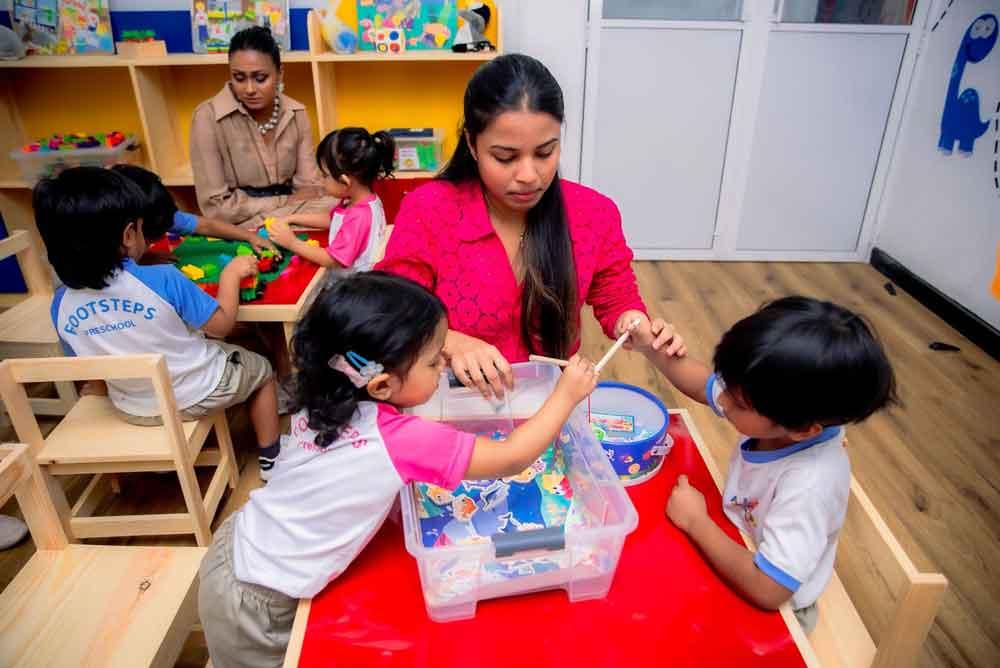
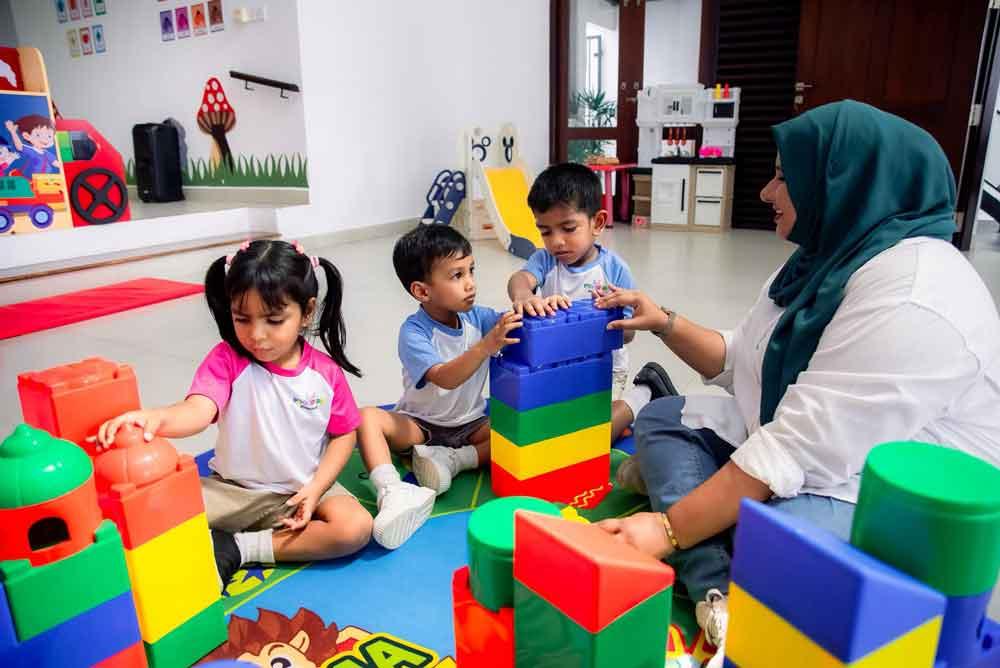
When such a child enters a classroom, the teacher witnesses the outcome of this dynamic. They see the child who cannot sit through story time because they have never been required to sit through anything. The child who grabs toys because no one has ever made them wait. The child who unravels at the mildest correction because no adult has ever expected them to follow a direction. Teachers are trained. They are patient. They are committed to the well-being of every child in their care. But they cannot do this work alone. They need children to arrive with certain foundational competencies in place. Not academic competencies, behavioural and emotional ones. The basic capacity to be in a group, to follow directions, to regulate feelings. When these foundations are absent, teachers must devote their energy to behaviour management rather than instruction. And the child? They fall further behind. Not in academics alone, but in every dimension of school readiness.
The Importance of Routine
Educators notice another pattern with striking consistency. The children who struggle most are frequently those with the least structure at home. Irregular mealtimes. Inconsistent bedtimes. Unclear expectations around behaviour. They arrive at school already dysregulated, already fatigued, already anxious. Why does this matter? Because routines are not punishment. They are safety. A child who eats at roughly the same time each day knows what to expect. A child who goes to bed consistently wakes ready to learn. A child who understands that certain behaviours carry certain consequences feels secure. Children without routines are children without guardrails. They are perpetually guessing, perpetually testing, perpetually anxious. And that anxiety manifests in classrooms as challenging behaviour. Teachers recognize this immediately. But they cannot remedy it alone.
The Paradox of Early Academics
Consider another irony of our current moment. We have become intensely focused on early academic achievement, sometimes at the expense of more fundamental competencies. We teach three-year-olds the alphabet but neglect to teach them how to sit through a meal. We purchase flashcards but overlook the importance of waiting, sharing, and listening. This approach is fundamentally backward. A child who knows all their letters but cannot sit still is not ready to read. A child who can count to twenty but cannot manage frustration is not ready for mathematics. The foundation of school success is not academic; it is behavioural and emotional. In our anxiety about children falling behind, we push the wrong skills at the wrong time. And in doing so, we inadvertently hold them back. So, the next time that call comes on a Tuesday afternoon, pause before you feel defensive. Listen to what the teacher is really saying. They are not judging you. They are reaching across the divide, asking you to stand beside them in the most important work there is: raising a human being who can live well in this world.