The Tragedy of the Commons
 The Tragedy of the Commons is an economic theory that explains how individuals acting in their own self-interest can unintentionally destroy a shared resource that everyone depends upon. The concept was popularized by ecologist Garrett Hardin in 1968 and continues to be highly relevant in discussions on environmental conservation and natural resource management.
According to this theory, when a resource is freely accessible to everyone, each individual has an incentive to maximize their personal benefit from it. Since the costs of overusing the resource are shared collectively while the immediate benefits are enjoyed individually, people are encouraged to exploit the resource as much as possible. When this behaviour is repeated by many individuals, the resource becomes depleted or even destroyed. Although each person believes they are making a rational decision, the combined effect of these decisions results in long term losses for society as a whole.
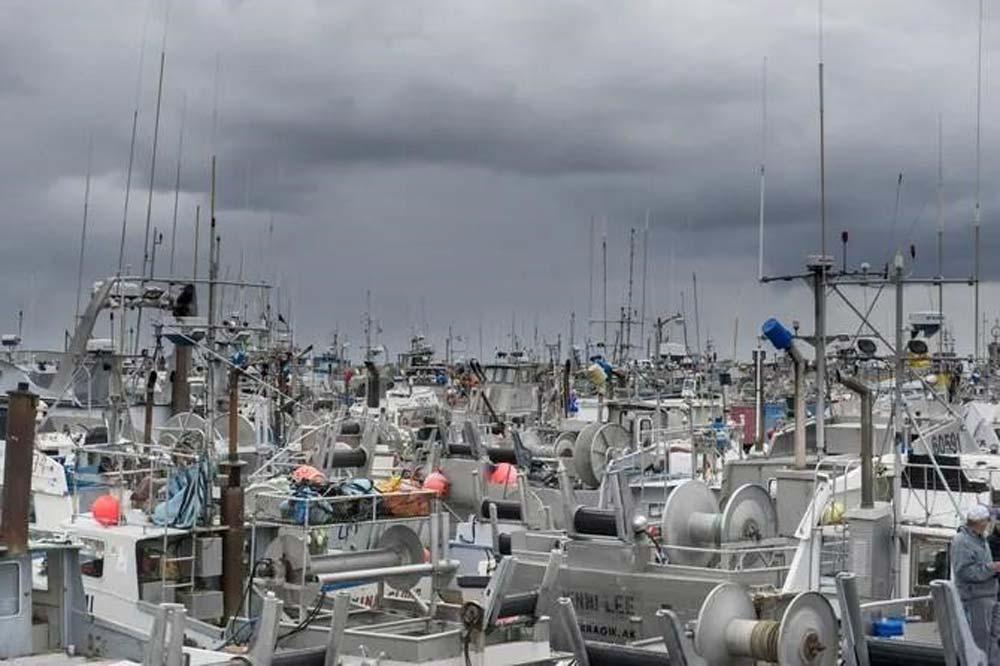
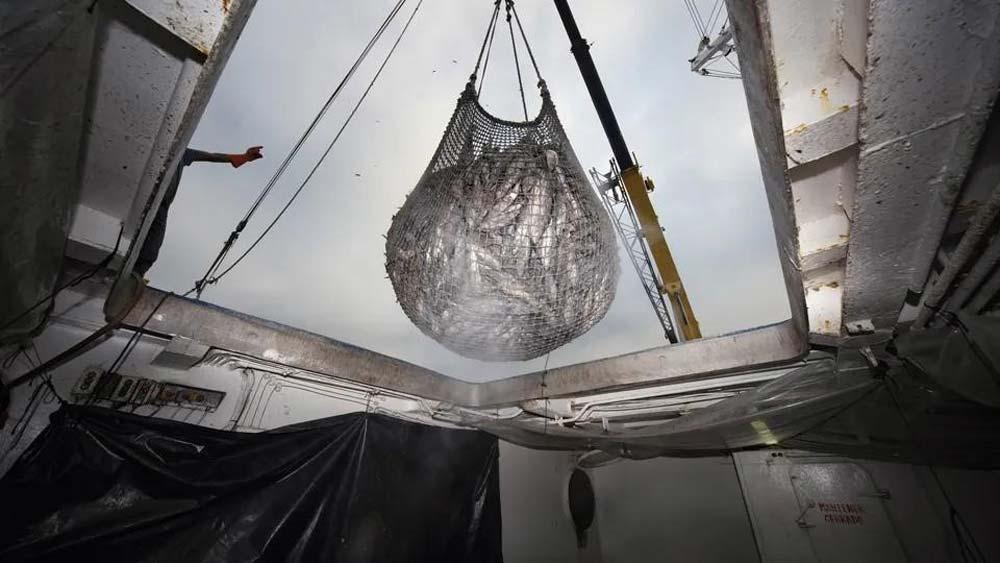
This theory is particularly significant in relation to marine ecosystems, which represent one of the largest shared commons in the world. Oceans provide food, employment, transportation, biodiversity, and countless ecosystem services that sustain human life. However, because fish stocks are shared resources, they are vulnerable to excessive exploitation. Fishers who face difficult economic conditions often prioritize short term financial survival over marine conservation. Their immediate objective is to maximize daily catches and earn higher incomes to support themselves and their families. While this behaviour may appear economically rational from an individual perspective, the cumulative impact of thousands of fishers following the same strategy places immense pressure on fish populations. If every fisher attempts to catch as many fish as possible without considering the needs of future generations, fish stocks eventually decline to levels from which they cannot recover. This creates a situation where everyone suffers because the very resource that supported their livelihoods has been exhausted.
Overfishing is one of the clearest examples of the Tragedy of the Commons in practice. Fish populations require sufficient time to reproduce and replenish naturally. When fish are harvested faster than they can reproduce, populations gradually decline. If this pattern continues over an extended period, commercially valuable species become increasingly scarce and marine ecosystems lose their ability to function effectively. Declining fish stocks not only threaten biodiversity but also jeopardize food security, employment, and economic stability for coastal communities around the world.
Government policies can sometimes unintentionally worsen this problem. Harmful fisheries subsidies that reduce operational costs encourage greater fishing effort than marine ecosystems can sustainably support. Subsidies for fuel reduce transportation expenses, while financial assistance for heavy fishing equipment and fleet expansion increases the ability of fishers to harvest larger quantities of fish in shorter periods of time. Although such subsidies are often introduced to improve economic opportunities for fishing communities, they may ultimately contribute to excessive fishing pressure and resource depletion. By artificially lowering production costs, governments unintentionally encourage fishing activities that exceed sustainable limits.
Recognizing the growing global crisis of overfishing, the World Trade Organization introduced the Agreement on Fisheries Subsidies. The Agreement on Fisheries Subsidies was incorporated into Annex 1A of the World Trade Organization legal framework with the objective of promoting sustainable fisheries management. The agreement seeks to prohibit subsidies that support illegal, unreported, and unregulated fishing, as well as subsidies that contribute to overfishing and fishing beyond sustainable limits. Through these measures, the agreement aims to reduce incentives that encourage excessive exploitation of marine resources while promoting international cooperation in fisheries governance. Although the agreement represents an important milestone in global environmental policy, its success ultimately depends on effective implementation, monitoring, and enforcement by member states. In countries such as Sri Lanka, questions remain regarding the effectiveness of enforcement mechanisms and the practical challenges associated with implementing international obligations at the national level.
 Sri Lanka, as an island nation located in the Indian Ocean, has historically depended on marine resources for food, employment, and economic development. Fishing has long been an essential livelihood for thousands of coastal families while seafood remains a fundamental component of the national diet. This close relationship between people and the sea has contributed significantly to the country's economy and cultural identity. However, growing dependence on fisheries has also increased pressure on marine ecosystems. The overexploitation of fish stocks in Sri Lanka cannot be attributed to a single cause. Instead, it results from the interaction of multiple economic, environmental, and institutional factors including expanding fishing capacity, financial incentives, inadequate fisheries management, and insufficient regulatory enforcement.
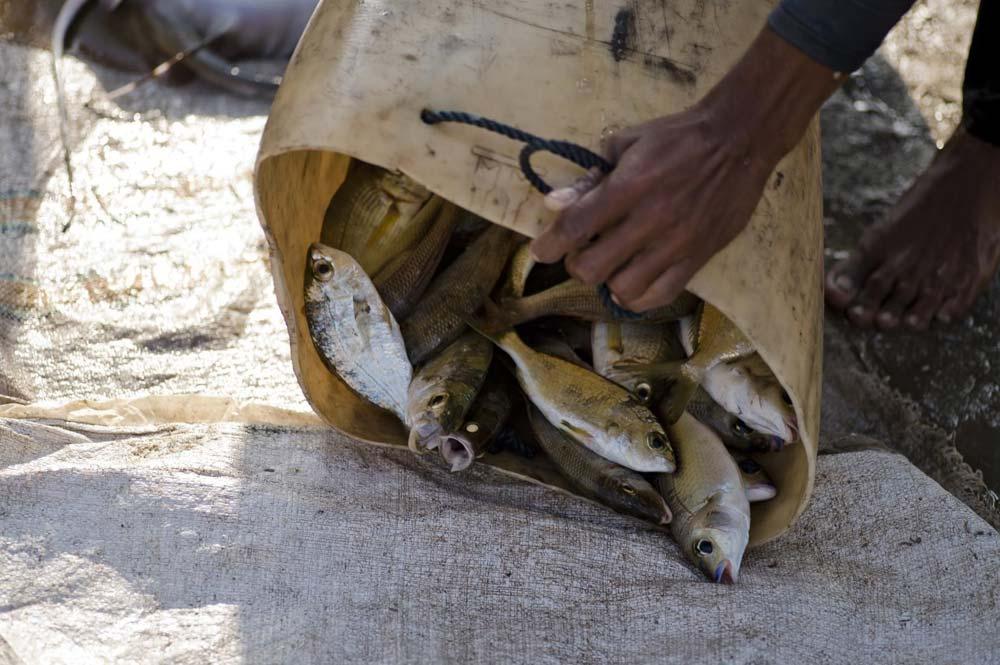
Fish consumption in Sri Lanka continues to remain high. Per capita fish consumption reached approximately 22.7 kilograms in 2023, highlighting the importance of seafood in ensuring national food security and nutritional wellbeing. High levels of fish consumption alone do not necessarily result in overfishing. The problem arises when increasing consumer demand is combined with population growth and an open access fishery where access to marine resources is insufficiently regulated. Under these conditions, rising demand increases the market value of fish, making larger catches financially attractive. Higher prices encourage greater fishing effort because fishers receive immediate financial rewards for catching more fish. As more individuals attempt to maximize their income, fishing pressure intensifies and fish populations continue to decline. This creates a vicious cycle in which economic necessity and market incentives encourage unsustainable exploitation of shared marine resources.
The widespread availability of destructive fishing equipment at relatively low prices has further intensified this problem. Affordable access to highly efficient fishing gear allows fishers to harvest larger quantities of fish with less effort. Unfortunately, many of these methods not only increase fishing intensity but also damage surrounding marine habitats. The use of destructive gear undermines the ecological balance of marine ecosystems by removing both targeted and non targeted species while simultaneously degrading the habitats upon which marine life depends. As fishing technology becomes increasingly efficient, the ability of fish populations to recover naturally becomes progressively more limited.
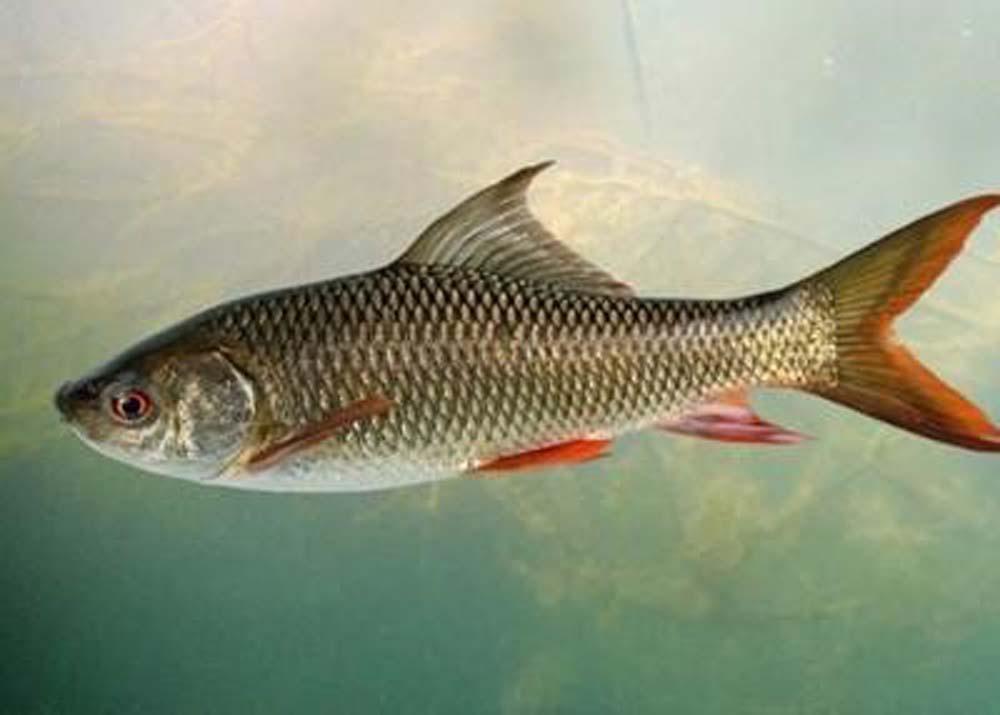
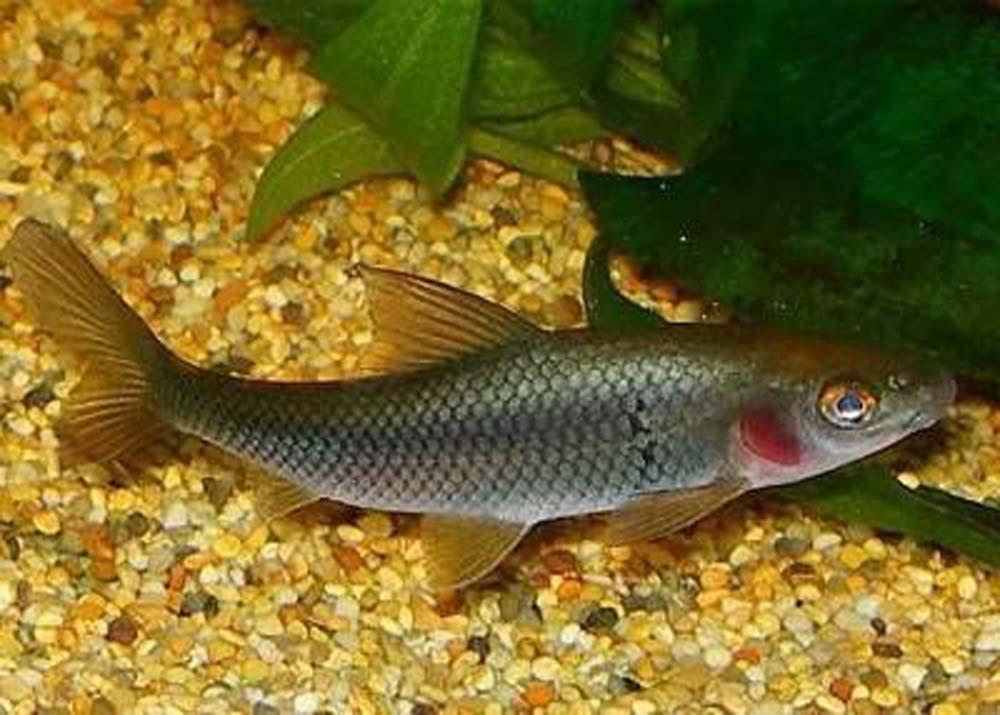
The consequences of overfishing are not confined solely to marine ecosystems. Freshwater fisheries throughout Sri Lanka also face growing threats from unsustainable harvesting practices and habitat degradation. Several freshwater fish species that are endemic to Sri Lanka have experienced significant population declines due to increasing human pressure.
Among these species are the Green Labeo, also known as the Mountain Labeo, and the Cherry Barb. These species exist naturally only within Sri Lanka and therefore hold considerable ecological and conservation value. Their declining populations demonstrate that unsustainable resource exploitation extends beyond coastal waters and threatens the country's unique freshwater biodiversity as well.
Overfishing has severe ecological consequences because it disrupts the delicate balance that exists within marine food webs. Every species occupies a particular ecological role, contributing to predator prey relationships and nutrient cycling within the ecosystem. When commercially important fish species are removed in excessive numbers, these ecological interactions become disrupted. Predator populations may decline due to reduced food availability, while prey species may increase uncontrollably in the absence of natural predators. Such imbalances can fundamentally alter ecosystem structure and reduce overall biodiversity. Vulnerable species become increasingly susceptible to local extinction, while ecosystem resilience declines in the face of environmental changes such as climate change and ocean warming.
The methods used to harvest fish often contribute significantly to environmental degradation. Highly destructive fishing practices including the use of dynamite and bottom trawling cause extensive physical damage to marine habitats. Dynamite fishing kills fish indiscriminately through underwater explosions while simultaneously destroying coral reef structures that have taken decades or even centuries to develop. Bottom trawling involves dragging heavy fishing nets across the seabed, causing widespread destruction to benthic habitats. These methods have frequently been compared to underwater bulldozers because of the extensive physical damage they inflict upon the marine environment.
The destructive impact of these fishing methods extends far beyond the removal of target species. Coral reefs and seagrass beds are among the most important marine habitats because they provide breeding grounds, nursery habitats, shelter, and feeding areas for countless marine organisms. Damage to these ecosystems reduces the ability of juvenile fish to survive and mature into reproductive adults. As a result, fish populations struggle to recover even when fishing pressure decreases. Habitat destruction therefore compounds the effects of overfishing by reducing both the abundance of marine life and the ecological conditions necessary for long term population recovery.
The Tragedy of the Commons becomes even more severe when legal and institutional systems fail to regulate resource use effectively. Strong environmental legislation is essential for preventing overexploitation because it establishes clear rules, responsibilities, and penalties that discourage illegal activities. However, laws that contain loopholes or weak enforcement mechanisms fail to provide sufficient deterrence against unsustainable fishing practices. When fishers believe that the likelihood of detection or punishment is low, illegal activities become economically attractive because the potential profits outweigh the perceived risks.
Several weaknesses remain within Sri Lanka's fisheries legislation. One notable example is the Regulation of Foreign Fishing Boats Act No. 59 of 1979. Although the legislation provides a legal framework for regulating foreign fishing activities, it does not clearly define prohibited fishing methods and equipment in sufficient detail. The absence of explicit provisions creates uncertainty regarding what practices are legally prohibited. Furthermore, there appears to be no comprehensive penalty structure specifically addressing the use of prohibited fishing gear.
Without clearly defined offences and penalties that impose meaningful financial and legal consequences, enforcement agencies may struggle to effectively prevent destructive fishing practices.
These legal shortcomings highlight the urgent need for comprehensive reforms within Sri Lanka's fisheries management framework. Existing legislation should be updated to reflect modern conservation challenges, emerging fishing technologies, and international best practices. Clear definitions of prohibited fishing methods should be accompanied by strict penalties that exceed the financial benefits gained through illegal fishing. Strengthening monitoring systems, increasing enforcement capacity, improving surveillance technologies, and enhancing cooperation among government agencies would further support effective implementation. Equally important is the promotion of public awareness and community participation in fisheries management so that local fishing communities become active partners in conservation rather than passive recipients of regulations.
Protecting Sri Lanka's marine resources can no longer be viewed as an environmental ideal alone. It has become an economic, social, and national necessity. Healthy fish stocks are essential for maintaining food security, supporting employment, preserving biodiversity, and sustaining the livelihoods of thousands of coastal families. Failure to protect marine ecosystems today will impose significant economic and environmental costs on future generations. The long term sustainability of fisheries depends upon balancing economic development with responsible resource management.
 Ultimately, the Tragedy of the Commons demonstrates that individual decisions, when made without regard for their cumulative impact, can collectively undermine the very resources upon which society depends. Sri Lanka's experience with overfishing illustrates the importance of effective governance, responsible fishing practices, strong legal frameworks, and international cooperation in preventing resource depletion. By shifting priorities away from short term economic gains and toward long term sustainability, the nation can safeguard its marine ecosystems while ensuring that future generations continue to benefit from the rich natural resources of the Indian Ocean. Sustainable fisheries management is not merely an environmental responsibility but a fundamental investment in the country's future prosperity, resilience, and food security.