THE SMELL OF FITNESS: THE HIDDEN COST OF SYNTHETIC ACTIVEWEAR


From polyester leggings to high-performance sportswear, the clothes designed to keep us fresh during exercise may be contributing to a rather unpleasant problem. But the issue goes beyond bad odour. It raises questions about synthetic fibres, chemical treatments, microplastic pollution and the environmental cost of our increasingly synthetic wardrobes.
 There is something rather ironic about activewear. We buy it to feel fresh, comfortable and confident while exercising. We expect it to wick away sweat, regulate body temperature, dry quickly and keep unpleasant smells at bay. Yet anyone who regularly wears sports leggings, polyester tops or synthetic workout clothes may have experienced a familiar problem: the garment smells clean when it comes out of the washing machine, but within minutes of putting it on, particularly during exercise, an unpleasant odour returns. Sometimes, the smell seems almost impossible to remove.
This is not necessarily a question of personal hygiene or washing habits. It has much to do with the materials from which modern activewear is made. The very synthetic fibres that have helped transform sportswear into a multi-billion-dollar industry may also be responsible for some of its less desirable characteristics.
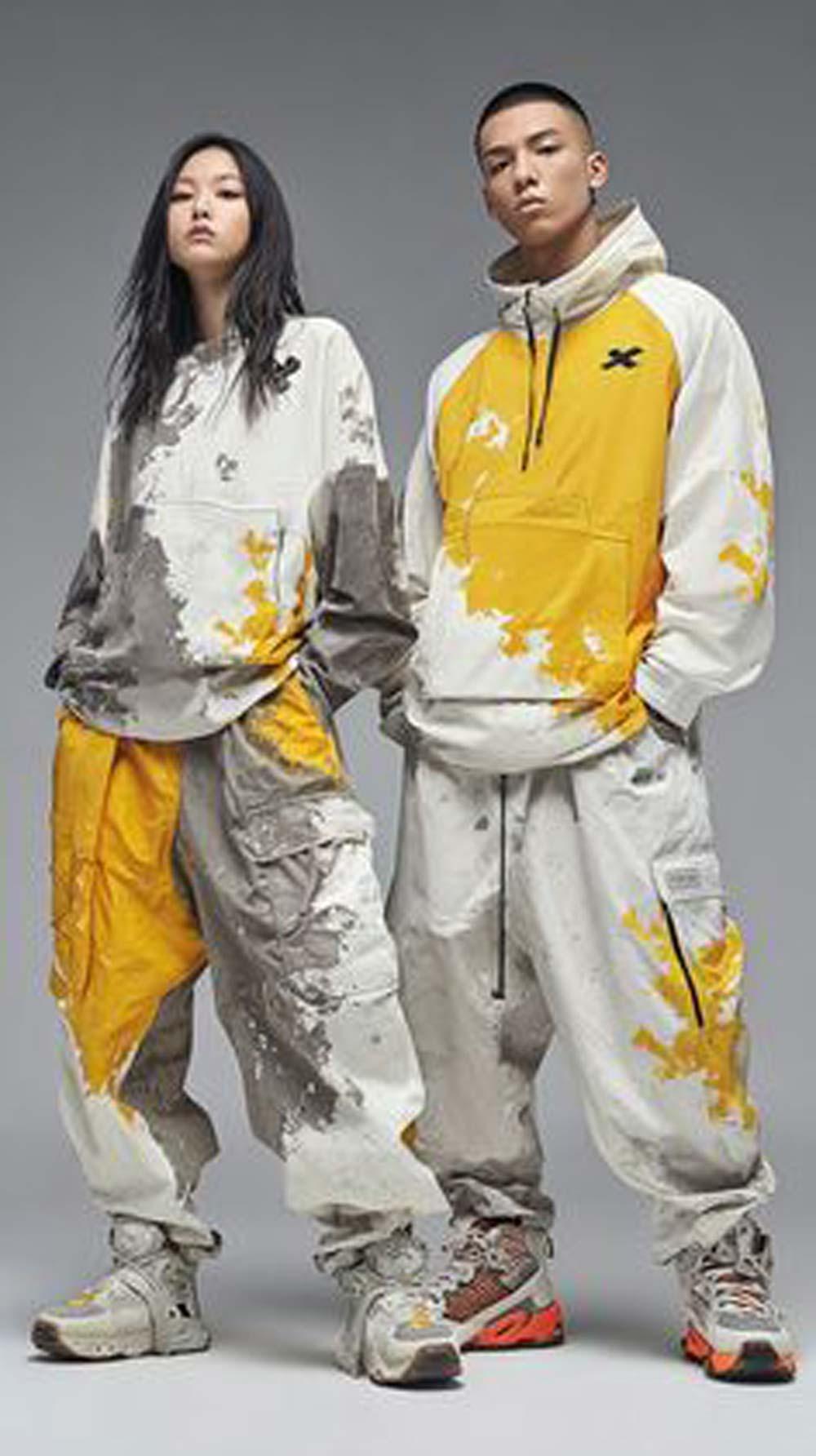
Over the past two decades, activewear has moved well beyond the gym. Leggings, sports bras, cycling shorts, technical tops and performance jackets have become everyday wardrobe staples. The global popularity of athleisure has blurred the boundaries between exercise clothing and ordinary fashion. We wear these garments to the supermarket, on flights, while working from home and sometimes throughout the day. The demand for stretch, lightweight construction, quick drying and affordability has encouraged brands to rely heavily on synthetic materials, particularly polyester, nylon and elastane.
Polyester, in particular, dominates modern sportswear. It is relatively inexpensive, durable, lightweight and capable of being engineered into fabrics that stretch, retain their shape and move moisture away from the skin. Nylon offers similar advantages, while elastane provides the stretch that makes leggings and fitted sportswear comfortable. From a performance and manufacturing perspective, these fibres are extremely useful. But their relationship with sweat and body odour is considerably more complicated.
To understand why synthetic activewear can develop persistent smells, we need to look at what happens when we sweat. Human sweat itself is largely odourless. The familiar smell associated with body odour develops when microorganisms on the skin break down substances in sweat and natural skin oils. During exercise, our bodies produce more sweat, while friction and warmth create conditions in which microorganisms can thrive.
Natural fibres such as cotton absorb moisture readily. Although cotton can become heavy and uncomfortable during exercise because it holds water and dries slowly, it has a different relationship with sweat and skin oils from many synthetic fibres. Polyester, on the other hand, is hydrophobic, meaning it does not readily absorb water. This property makes it useful for moisture-wicking fabrics because sweat can move along the fibre surface and evaporate relatively quickly.
However, there is another side to this characteristic. Polyester fibres can interact with and retain oily substances produced by our skin. These oils, known as sebum, are not easily removed by water alone. They can accumulate within the fabric structure, particularly in close-fitting garments worn repeatedly during intense exercise. Odour-producing compounds and microorganisms can become associated with this residue, allowing unpleasant smells to persist even after washing.
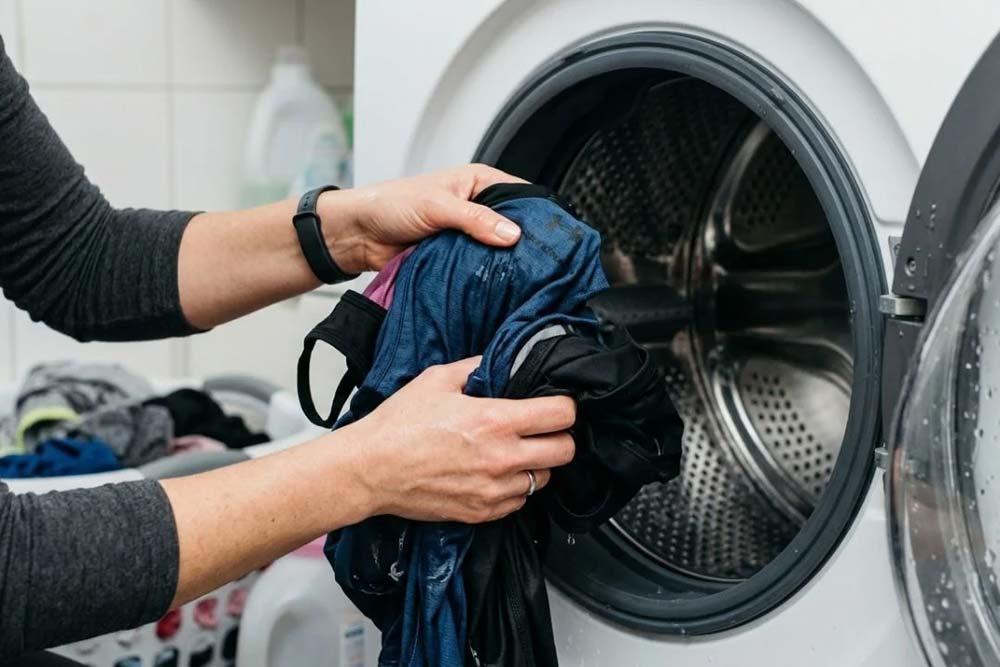
Research comparing different textile fibres has found that polyester tends to retain more odour than cotton after wear. The difference is particularly noticeable in garments exposed to perspiration. This helps explain why a cotton T-shirt may smell relatively neutral after a workout, while a polyester sports top can develop a strong, unpleasant smell despite being washed.
The problem is not simply that synthetic fabrics smell more. It is that they can become increasingly difficult to keep fresh over time. A garment may smell perfectly clean when dry, only for the odour to return as soon as it becomes warm and damp against the body. This is particularly frustrating with expensive technical sportswear, which is often marketed on the promise of freshness and performance.
The fashion industry has responded by developing antimicrobial and odour-control treatments. Some sportswear manufacturers incorporate silver-based technologies, zinc compounds or other antimicrobial finishes intended to reduce bacterial growth and control unpleasant smells. These treatments may help in certain circumstances, but they introduce another set of questions.
Antimicrobial finishes are not necessarily permanent. Their effectiveness can decline with repeated washing, depending on the technology used. Some treatments may release active substances into wastewater, raising concerns about their environmental impact and potential effects on aquatic organisms. The presence of an antibacterial treatment also does not mean that a garment is automatically hygienic or that it no longer needs washing.
There is another important issue that rarely receives enough attention when we discuss activewear: microplastic pollution.
Polyester, nylon and elastane are synthetic materials derived primarily from fossil fuels. They are essentially plastic fibres engineered into textile form. Every time synthetic garments are washed, tiny fibres can detach and enter wastewater. These are commonly referred to as microfibres, and many are classified as microplastics.
Wastewater treatment plants can capture a proportion of these fibres, but not all. Some eventually find their way into rivers, oceans and other environments. Microplastics have been detected across marine and freshwater ecosystems, as well as in soil and air. Their long-term environmental and health implications remain an active area of scientific research.
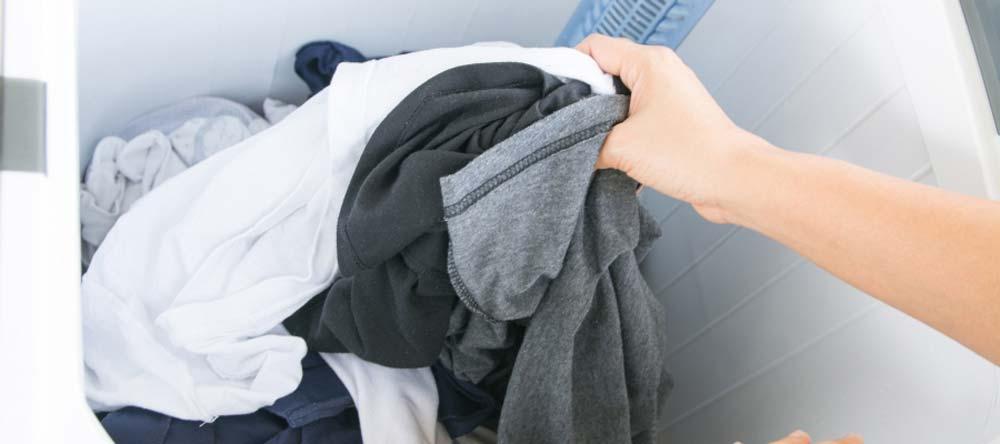
 The problem is particularly relevant to activewear because these garments are often washed frequently. A pair of leggings worn for a single workout may go straight into the laundry basket, and someone who exercises daily may wash several synthetic garments every week. Multiply this behaviour across millions of consumers and the cumulative impact becomes significant.
The issue also begins long before the washing machine. Polyester production depends heavily on fossil fuel extraction and energy-intensive industrial processes.
Manufacturing synthetic textiles involves chemical processing, dyeing and finishing, all of which can contribute to environmental pollution if not properly managed. At the end of their useful lives, many activewear garments are difficult to recycle because they combine several different fibres. A pair of leggings may contain polyester, nylon and elastane, alongside elastic components and other trims. Separating these materials for recycling is technically challenging and often economically unattractive.
This creates a familiar fashion industry problem: garments designed for performance and convenience can become difficult to manage responsibly once they are no longer wanted.
There is also a consumer culture dimension. Activewear has become one of the fastest-moving categories of contemporary fashion. New colours, seasonal collections, influencer collaborations and matching sets encourage consumers to buy more than they actually need. The promise of improved performance often becomes a marketing tool, even when the practical differences between one collection and another are relatively minor.
We are encouraged to believe that every workout requires a different outfit, that new fabrics will make us perform better and that specialized clothing is essential for an active lifestyle. Yet the environmental cost of producing, washing and eventually discarding these garments rarely features prominently in the marketing conversation.
None of this means that synthetic activewear should disappear entirely. Technical fabrics have legitimate benefits, particularly for high-intensity sports, outdoor activities and situations where moisture management, durability and freedom of movement matter. The challenge is to reconsider how much synthetic clothing we buy, how it is designed and how we care for it. So, what can we do differently?
First, choose garments according to actual need rather than marketing promises. Not every activity requires high-performance polyester. For low-impact exercise, walking, yoga and everyday wear, cotton, merino wool, hemp blends and other natural-fibre options may be suitable, depending on the garment construction and individual comfort. Merino wool, for example, has natural moisture-management and odour-resistance properties, although it requires appropriate care and is not necessarily suitable for everyone.
Second, pay attention to fabric composition. Read the labels rather than relying on descriptions such as breathable, eco-performance or sustainable technology. Look at the percentage of polyester, nylon and elastane in a garment. Where possible, choose simpler fibre compositions, which may be easier to manage at the end of their useful lives.
Third, change how we wash synthetic sportswear. Allow sweaty garments to air out rather than leaving them damp in a closed gym bag or laundry basket. Wash them according to care instructions, using an appropriate detergent and avoiding excessive fabric softener, which can leave residues on fibres and interfere with moisture management. Wash at the lowest temperature that provides adequate cleaning and avoid unnecessary tumble drying. For persistent odours, a detergent specifically formulated for sportswear may help. However, no detergent can compensate for permanently degraded or heavily contaminated fabric.
Fourth, consider microfibre-catching solutions. Special laundry bags and washing-machine filters can capture some fibres released during washing. They are not a complete solution, but they can reduce the amount entering wastewater. Washing full loads, using gentler cycles and avoiding unnecessary washing can also help reduce fibre shedding.
Finally, brands need to take greater responsibility. Instead of competing only on stretch, colour and moisture-wicking claims, manufacturers should invest in durable fabric construction, safer chemical treatments, better fibre choices and genuinely recyclable designs. They should also provide transparent information about fibre composition, manufacturing processes and the environmental performance of their products. Odour resistance should not become another excuse for adding poorly understood chemical treatments to garments. Perhaps the most important shift is to reconsider our relationship with activewear itself. Clothing designed to support an active lifestyle should not create an environmental burden that contradicts the idea of wellbeing. Being healthy is not simply about how many kilometres we run, how many calories we burn or how well our clothes perform during exercise. It should also include the wider environment in which we live. We have become very good at engineering fabrics to make us sweat comfortably. Perhaps it is time we became equally good at engineering a fashion system that does not leave a lasting environmental footprint. After all, the purpose of activewear is to help us feel better. It would be a shame if the clothes designed to support our wellbeing were making the world around us a little less healthy.