BUILDING BEYOND BORDERS: SHAKEEL BOOSO ON ENTREPRENEURSHIP, LEGACY AND GLOBAL OPPORTUNITIES
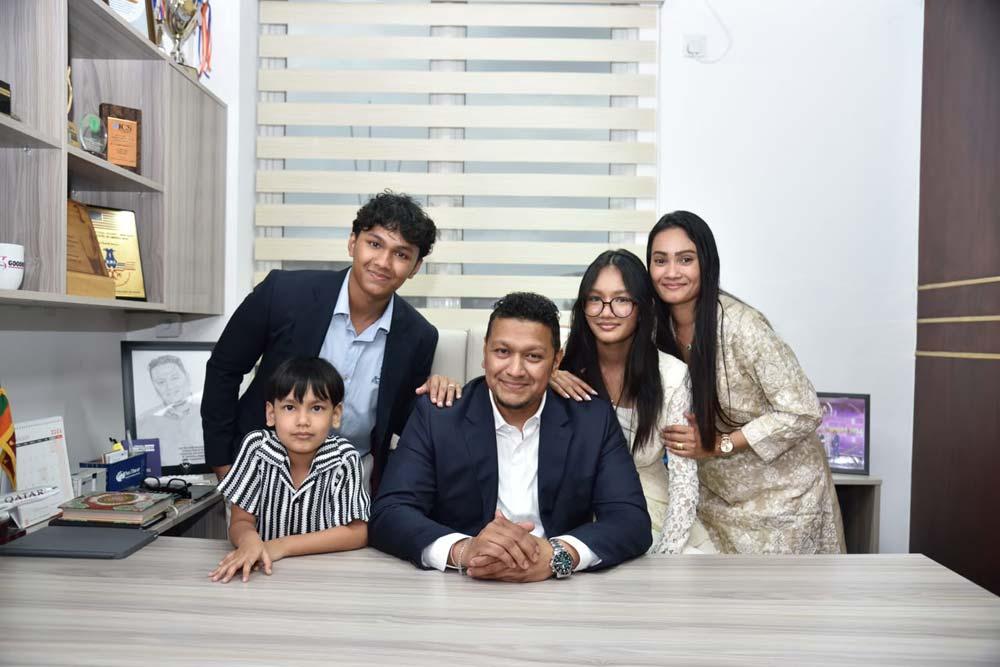
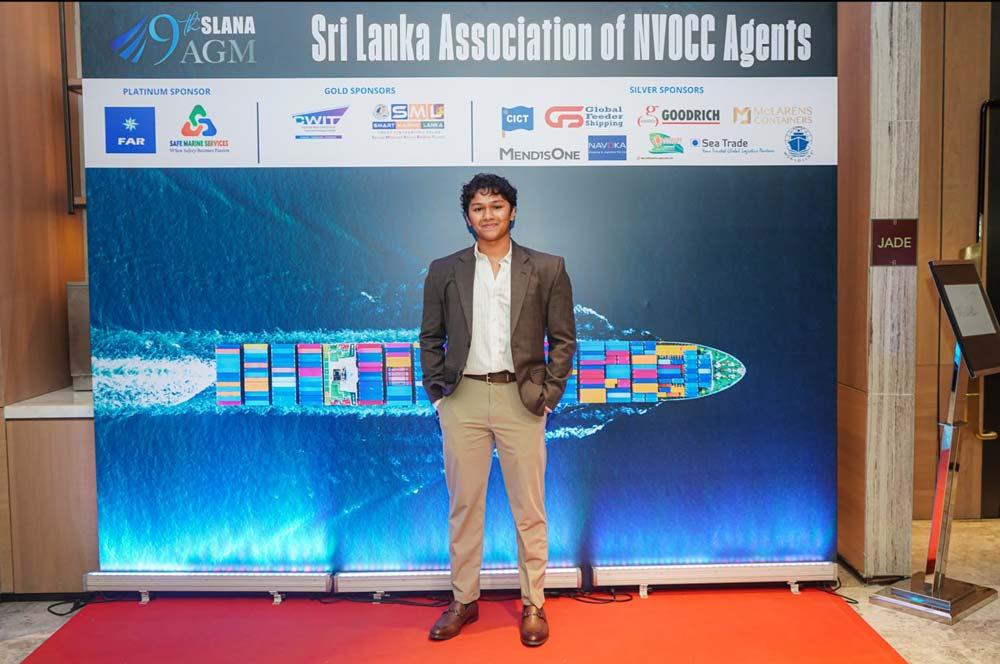
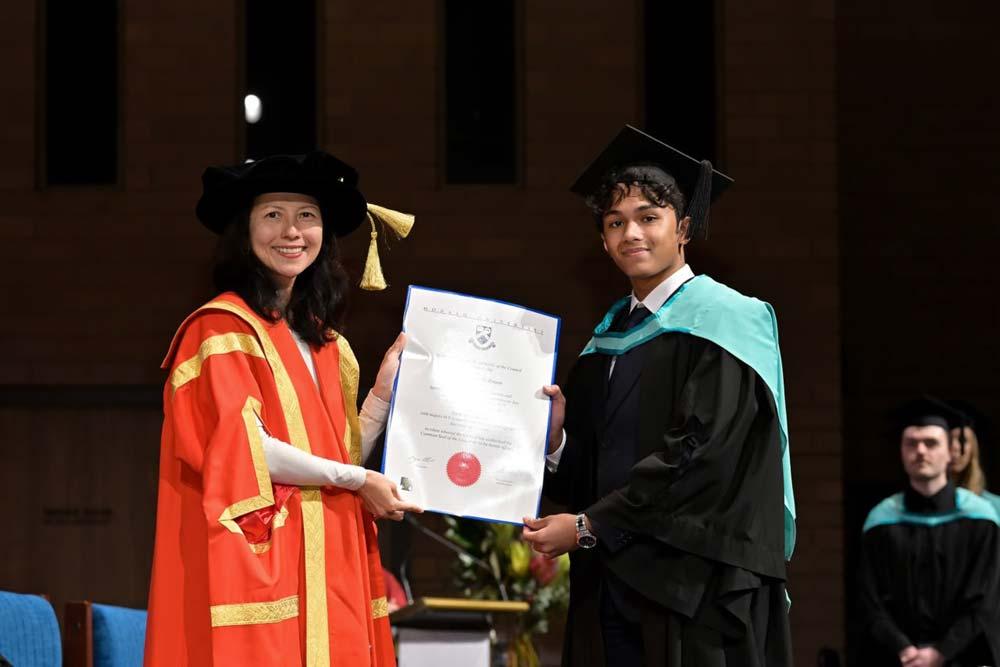
As a second-generation member of Sea Master Group, Shakeel Booso combines a strong family business legacy with a forward-thinking entrepreneurial vision. Holding a Bachelor of Business from Monash University, Australia, and nearing completion of his professional qualifications with the Institute of Chartered Shipbrokers, UK, he brings international exposure and specialised industry knowledge. Passionate about expanding beyond traditional business models, Shakeel aspires to become a multi-industry entrepreneur, creating opportunities across local and international markets. Recognising Sri Lanka’s strategic potential as a maritime and logistics hub, he advocates technological innovation, digitalisation and data-driven solutions to strengthen industry competitiveness.
Guided by research, calculated risks and continuous learning, Shakeel believes the next generation must build upon established foundations while embracing new ventures. He encourages aspiring entrepreneurs to think globally, remain resilient and pursue opportunities with confidence. For him, true success lies in creating lasting value, empowering others and building a meaningful legacy for future generations.
Growing up in a family with an established business legacy, how has being a second-generation member of Sea Master Group shaped your outlook on business, leadership and entrepreneurship?
Growing up, I had the opportunity to witness the growth of Sea Master Group firsthand. The business was at a different stage when I was younger, and as the years went by, I saw it evolve, expand and overcome various challenges. In many ways, my own journey of growing up coincided with the growth of the business, which gave me a unique perspective on what it takes to build something over time. It taught me that success does not happen overnight. It requires consistency, resilience, sacrifice and the ability to adapt to changing circumstances. Being part of a family business has also given me a deep appreciation for the responsibility that comes with carrying forward something that previous generations have worked hard to build. For me, the legacy is not simply about maintaining what already exists. It is about taking that foundation, creating new opportunities and ensuring that the business continues to grow and evolve for generations to come.
You pursued your higher education in Australia at Monash University. How did studying in an international environment influence your perspective on business and open you up to opportunities beyond Sri Lanka?
Studying at Monash University in Australia was a transformative experience for me. Being exposed to an international environment introduced me to ideas, business concepts, approaches and perspectives that I had not previously encountered in Sri Lanka. Interacting with people from different cultures and backgrounds broadened my way of thinking and helped me understand that there are many different ways to approach business, solve problems and identify opportunities. It encouraged me to think beyond what I was familiar with and look at things from a more global perspective.
That exposure also made me realise the importance of adaptability, networking and understanding different markets. It strengthened my ambition to explore international opportunities and reinforced my belief that there is significant potential for Sri Lankan businesses and entrepreneurs to establish themselves on a global stage.
Entering an established business comes with its own expectations and challenges. How have you worked towards establishing your own identity and contributing fresh ideas while building on the foundation laid by the previous generation?
I believe that being part of a family business gives you a foundation, but what you do with that foundation ultimately defines you. I have always wanted to contribute in a way that goes beyond simply being part of an established organisation. My focus has been on identifying new opportunities, exploring international ventures, developing business relationships and bringing fresh perspectives into the companies. I believe the next generation has a responsibility to challenge conventional thinking, when necessary, embrace new ideas and be willing to take calculated risks. At the same time, it is equally important to respect the experience and knowledge of the generation that came before us. My personal ambition is to build something that lasts for generations. I want to contribute towards creating businesses that have a meaningful impact, not only within Sri Lanka but internationally. Ultimately, my vision is to become a multi-industry entrepreneur, building and developing businesses that create value, generate opportunities and leave a lasting legacy.
Shipping and logistics play a crucial role in connecting economies. From your experience, what are some of the biggest opportunities and challenges facing Sri Lanka’s shipping and logistics industry today?
Sri Lanka's geographical location is one of its greatest strengths. Situated along some of the world's busiest shipping routes, the country has tremendous potential to strengthen its position as a maritime, logistics and trading hub connecting Asia, the Middle East, Africa and other international markets. I see significant opportunities for Sri Lanka in strengthening its position as a regional maritime and logistics hub, expanding international connectivity and developing its capabilities in freight forwarding, specialised cargo, vessel chartering and international trade. Given our strategic geographical location, there is considerable potential to connect regional markets and facilitate trade between Asia, the Middle East, Africa and other parts of the world. I believe the focus should be on developing our capabilities, attracting international business and positioning Sri Lanka as a competitive and reliable player in the global shipping and logistics industry. However, the industry also faces challenges, including global economic uncertainty, fluctuating freight rates, regional competition, regulatory complexities and the need for continuous investment in infrastructure, technology and skilled professionals. I believe Sri Lanka must focus on improving efficiency, developing specialised capabilities, maintaining policy consistency and leveraging its geographical advantage. If we can combine our strategic location with strong infrastructure, expertise and innovation, there is significant potential for the country to become an even more important player in global shipping and logistics.
You have expressed an interest in exploring emerging markets, international ventures and new industries. What drives you to look beyond established business models, and how do you identify opportunities worth pursuing?
I have always been interested in exploring new industries, understanding how different businesses operate and identifying opportunities that may not be immediately obvious. I believe there is immense potential in looking beyond established business models and being open to ideas that may come from entirely different sectors. What drives me is the possibility of building something new, solving a problem and creating value. I am particularly interested in international ventures because they allow businesses to connect markets, people, resources and opportunities across borders. When evaluating an opportunity, I look at the fundamentals: the market demand, the business model, the scalability, the risks involved and whether there is a genuine opportunity to create long-term value. I believe ambition is important, but it needs to be supported by research, practical understanding and calculated decision-making. My long-term aspiration is not to limit myself to one industry. I want to build businesses across multiple sectors and develop an entrepreneurial portfolio with an international presence.
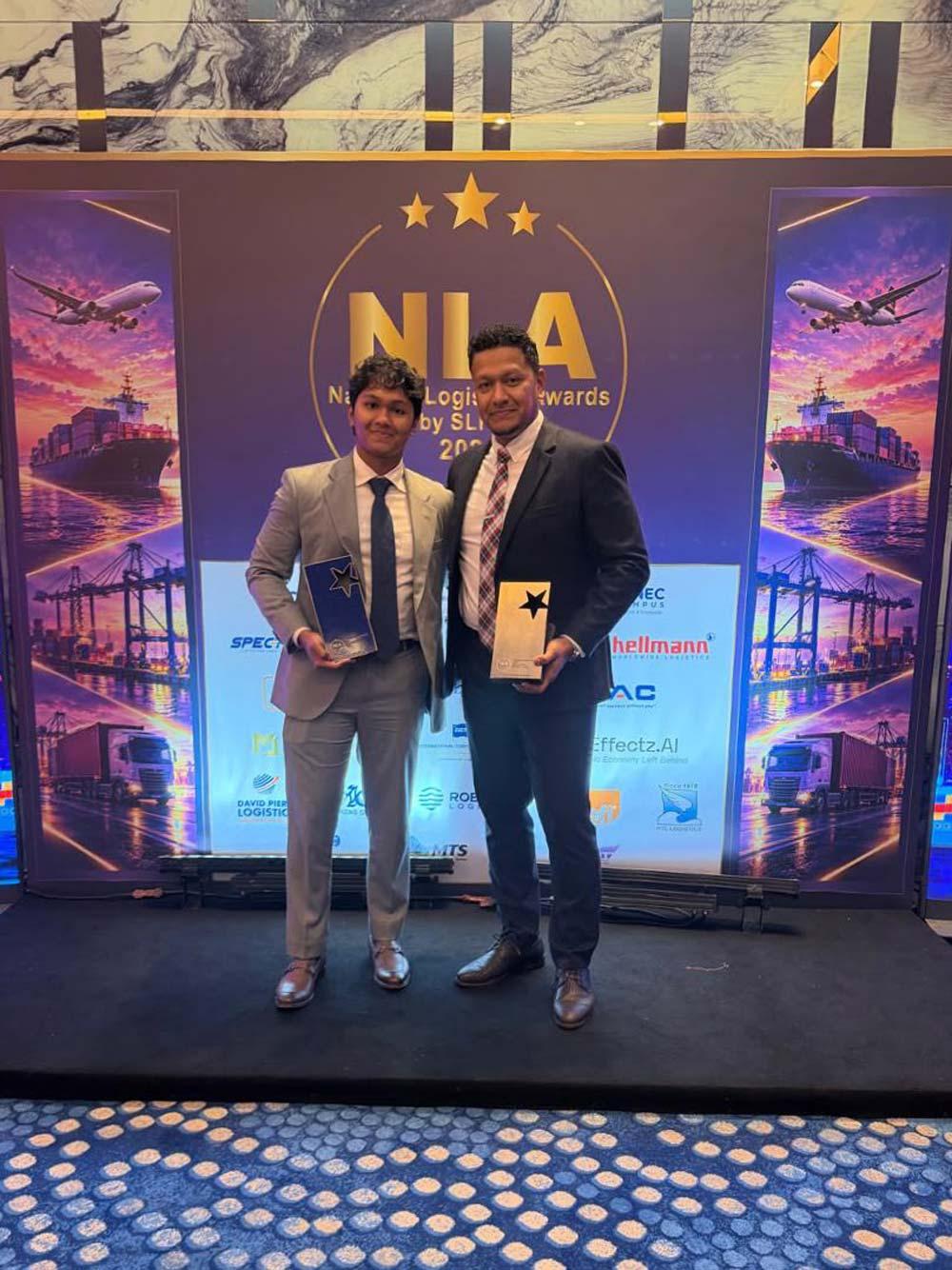
Traditional industries such as shipping and logistics are undergoing significant technological transformation. How do you see technology, digitalisation and innovation reshaping the industry, and how are businesses expected to adapt?
Technology is fundamentally transforming the shipping and logistics industry. Digitalisation is improving cargo visibility, documentation, communication, operational efficiency and decision-making throughout the supply chain. I believe the future of logistics will increasingly depend on the ability to provide customers with real-time information, transparent processes and integrated digital solutions. Artificial intelligence, automation, data analytics and digital platforms will continue to play an increasingly important role in how businesses manage cargo, optimise operations and respond to changing market conditions. However, technology should not be adopted simply for the sake of innovation. Businesses need to identify where it can genuinely improve efficiency, reduce costs, enhance customer experience and strengthen their competitive advantage. Ultimately, the companies that successfully combine technology with industry knowledge, operational expertise and strong customer relationships will be better positioned to adapt and remain competitive.
Entrepreneurship often involves uncertainty, calculated risks and difficult decisions. What has your professional journey taught you about taking risks, navigating setbacks and recognising the right opportunities?
My professional journey has taught me that uncertainty is an inherent part of business. You will rarely have complete information when making decisions, and not every opportunity will develop as expected. I believe taking risks is necessary for growth, but those risks need to be calculated. It is important to understand the potential downside, do your research, seek advice where necessary and make decisions based on sound judgement rather than simply excitement. I have also learnt that setbacks should not necessarily be viewed as failures. They are opportunities to reassess, learn and improve your approach. Resilience, patience and the willingness to adapt are particularly important in business.
I believe recognising the right opportunity is just as important as having the courage to pursue it. Sometimes the best decision is to move forward, and sometimes it is to wait, reassess or walk away. Developing that judgement comes through experience, learning and being willing to take responsibility for your decisions.
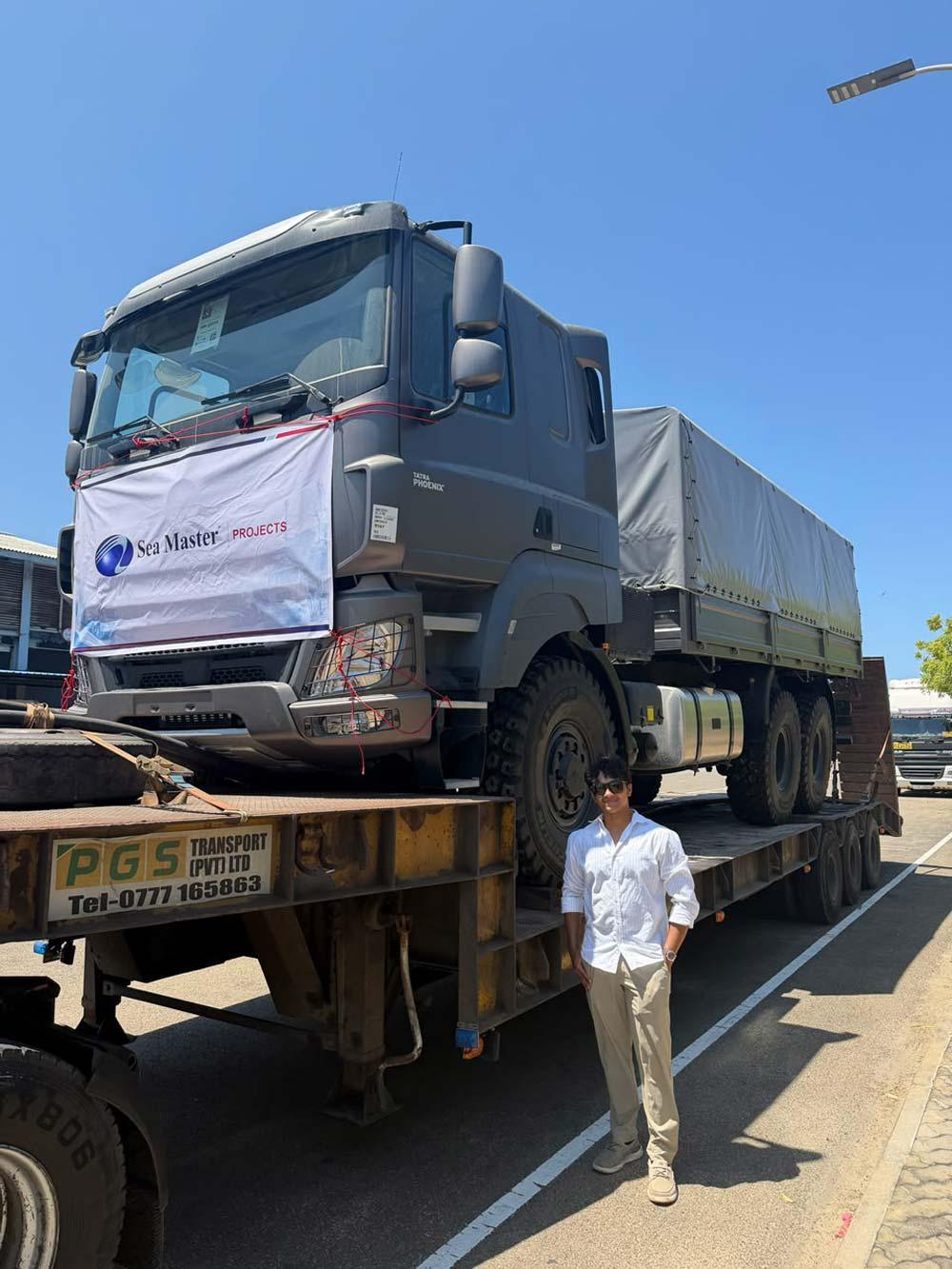
With your exposure to international markets and cross-border business, what do you believe Sri Lankan businesses need to do to become more competitive and establish a stronger presence in the global marketplace?
I believe Sri Lankan businesses need to develop a stronger global mindset and be more proactive in looking beyond the domestic market. We have talented people, established industries, valuable resources and significant entrepreneurial potential, but there is still considerable room for Sri Lankan businesses to expand internationally. To compete globally, businesses need to invest in quality, innovation, technology, branding, professional standards and the development of strong international relationships. It is also important to understand the markets we intend to enter, their regulatory environments, customer expectations and competitive landscape. Rather than simply entering international markets, businesses should aim to establish sustainable operations, develop long-term partnerships and create value through their products, services and expertise. I believe Sri Lanka has the potential to produce businesses and entrepreneurs with a truly international presence. Achieving this will require ambition, collaboration, adaptability and a willingness to think beyond traditional boundaries.