Sri Lanka Has a Pension System, But Who Is It Actually Built For?
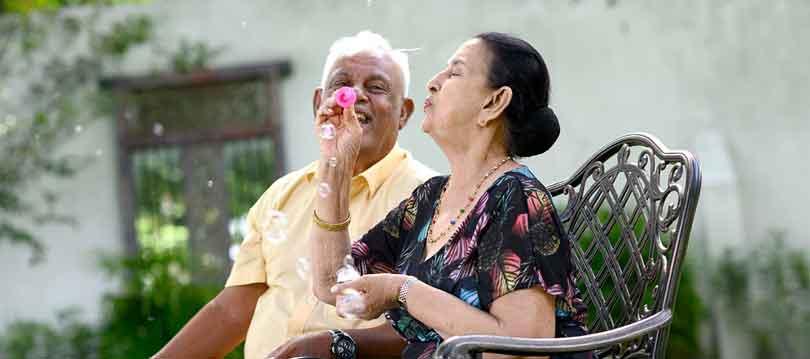
Sri Lanka is ageing faster than any country in South Asia. Two-thirds of its people are heading into old age with nothing waiting for them. Amidst this, Sri Lanka has roughly 700,000 public sector pensioners, and according to the Institute of Policy Studies of Sri Lanka, close to half of everything the state pays out in pensions goes to people already in the top twenty percent of earners before they ever stopped working. Meanwhile, sixty-seven percent of the workforce labours in informal or unstable employment, with no pension waiting for them at all. The clock on this is shorter than anyone debating it seems to realise: Sri Lanka already has the highest proportion of people over 60 in South Asia, and within roughly fifteen years, one in four Sri Lankans will be elderly. This is a question of who, among people working right now, gets to grow old without falling into poverty, and who does not.
The current reform debate is being conducted almost entirely in the language of solvency. Contribution rates. Replacement ratios. Actuarial sustainability. The Public Services Pensions scheme, non-contributory and funded straight out of general tax revenue, now carries the longest average payout period in South Asia, somewhere between twenty-one and twenty-six years per pensioner, and economists rightly call this fiscally unsustainable. All of that is true. None of it is the whole story and treating it as the whole story is exactly how this country keeps missing the actual emergency: the elderly here already have a higher poverty rate than any other age group, an inversion of what happens in wealthier nations, where retirement is usually the safest stretch of life. Only a third of people past retirement age currently receive any pension. The population over 65 is projected to double within fifteen years, and we are walking into that, eyes open, with a pension architecture that protects only the fifteen percent who happened to work for the state.
- Public Services Pension Scheme
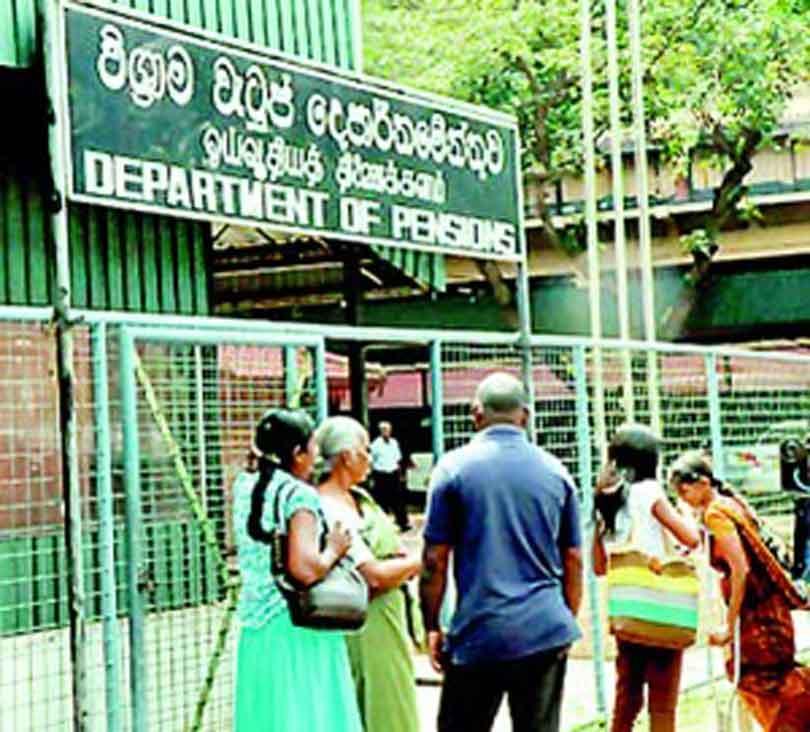
A government employee does not pay into the Public Services Pension scheme the way a private-sector worker pays into the EPF. The state simply pays, for life, drawn entirely from tax revenue, and continues paying a surviving spouse for years after the pensioner dies. The scheme covers public servants, about fifteen percent of the employed population, and was never designed to reach the other sixty-seven percent, because they were never the audience for it.
This is how the scheme was built, by a state that, for most of its post-independence history, treated public employment as the model relationship between citizen and government, and everything outside it as someone else's problem. The three-wheeler driver, the garment-sector worker, the small farmer, the domestic worker in Riyadh sending money home: none of them were ever inside the architecture. When their parents age, there is only family, stretched thinner every year by migration and a cost of living that has not forgiven anyone, and increasingly, nothing at all. Three out of four people over 65 here live with their children, simply because there is no other option, and that arrangement is itself starting to break as families shrink and more women enter paid work.
An IPS economist recently asked, in a paper on this exact crisis, whether the government should prioritise the pensions of its most stable employees over the broader social security needs of the country. That means that this pension scheme isn't really insurance against old age. It is insurance against having had the right job, and the right job, for seventy years, has overwhelmingly belonged to a particular tier of Sri Lankan society: urban enough, connected enough, credentialed enough to get into the public service in the first place.
It is worth sitting with what that asymmetry does to a family over time. Picture two households that looked roughly similar thirty years ago. In one, a parent spent a career as a clerk or teacher in state service. In the other, a parent drove a three-wheeler, worked a stall, or spent a decade in the Gulf sending remittances home. When the first parent retires, the household does not fall: a cheque keeps arriving every month for the rest of that parent's life and a surviving spouse's life after, and the household can absorb a medical bill, or grieve a death, without a financial cliff opening underneath it.
In the second household, the parent's earning capacity and the family's safety net are the same thing, so when one ends, so does the other. There is no cheque, only what the children can now provide, on top of what they were already providing, just as their own children start needing things too. This is the ordinary shape of old age for two out of every three Sri Lankan families, and within fifteen years, it will be the shape of old age for a quarter of the entire population at once.
- Parliamentary Pensions Act
In February, the NPP/JVP government, holding its two-thirds majority, repealed the forty-nine-year-old Parliamentary Pensions Act outright, ending lifetime pensions for MPs and widows after just five years in office, half the service period required of an ordinary state employee. Justice Minister Harsana Nanayakkara's line in parliament was blunt: given the quality of debate the public has watched, nobody believes these members deserve a pension. The vote was 154 to 2, over Sajith Premadasa's objection that legislators need pensions for security after office. It followed an earlier move stripping former presidents of state bungalows, vehicles, and security details, after Mahinda Rajapaksa's refusal to vacate a government residence became a national embarrassment. A government that removes an entrenched benefit from sitting legislators in a parliament it controls has done something most of its predecessors promised and never delivered. That is not nothing.
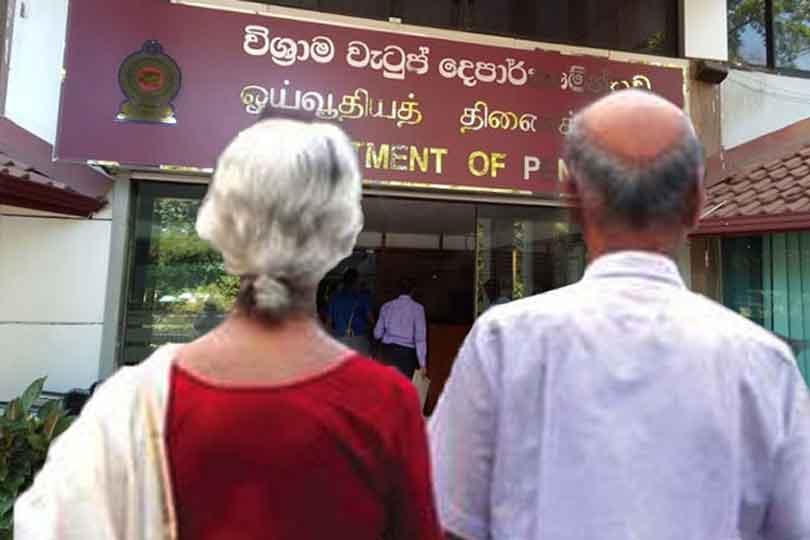
But the parliamentary pension was always the easier target. It covered a few hundred people who had become genuinely unsympathetic figures in the national imagination; nobody was going to defend Gotabaya Rajapaksa's pension entitlement on a talk show. The Public Services Pension scheme is a different order of problem. It covers 700,000 people, costs over a billion dollars a year, close to eight percent of recurrent government spending, and almost nobody wants to touch it, because the people drawing it are retired schoolteachers, postal clerks, army officers, nurses: the salaried lower-middle class that has historically formed the social and electoral base of the Sri Lankan left.
This is the actual tension at the heart of the moment, and it is being almost entirely ignored while the demographic clock keeps running. A government with a genuine equity mandate has shown it will spend political capital cutting privilege when the public face of it is unsympathetic. It has not been tested on whether it will spend that same capital when the face of the privilege is sympathetic. A retired teacher with thirty years of service is not a Rajapaksa. The 2003 attempt to introduce a contributory scheme was reversed within three years, not because the economics were wrong, but because clawing back a promised benefit from an organised, sympathetic constituency cost more than any government was prepared to pay. There is no evidence that calculus has changed, and every year it doesn't is a year closer to a much larger population of uncovered elderly with nowhere to go.
- Contributory Pension Fund
Every proposal on the table is framed as subtraction: shrink the scheme, make it more contributory, less generous. The Contributory Pension Fund being floated would have employees contribute eight percent of salary and the government another twelve, but only for new recruits, so the existing imbalance rides out for another thirty years and does nothing for the sixty-seven percent already ageing today, who will be over 60 well before any contributory scheme could mature.
Nobody serious is asking the other question: why this country built exactly one durable old-age guarantee, for the fifteen percent already most protected, while the social pension for informal workers is so thin it covers only half of those who qualify. Countries far poorer than Sri Lanka run modest universal pensions, non-contributory, paid to every citizen past a certain age regardless of occupation. Mauritius has done it since the 1950s; Nepal, Bolivia, Namibia, and Kosovo run versions now. A Sri Lankan costing exercise years ago found a universal pension for everyone over seventy could be funded by a half-point rise in VAT. It was never adopted, even as the country's own demographic data made the case more urgent every year. The reason is structural, not malicious: the people who design pension policy here almost always had parents inside the existing system. It is hard to see a gap in a floor you have never had to stand without, and that is the quiet mechanism by which privilege reproduces itself without anyone acting in bad faith.
- What is the Solution?
I am not going to pretend I can resolve this in a column. What I want to leave you with is the reframe, because it is the only honest way to read what is happening this year, and the only way to understand why this should alarm you rather than merely interest you. The pension reform debate is not a story about fiscal discipline catching up with an overgenerous state. It is a story about a seventy-year-old decision, never revisited, about which kind of work in this country counts as the kind the state protects into old age, and which does not. Government service counted. Teaching counted. The army counted. Three-wheeler driving did not. Garment sector labour did not. The work millions of Sri Lankan women do inside other people's houses, here and in Gulf households thousands of kilometres away, did not.
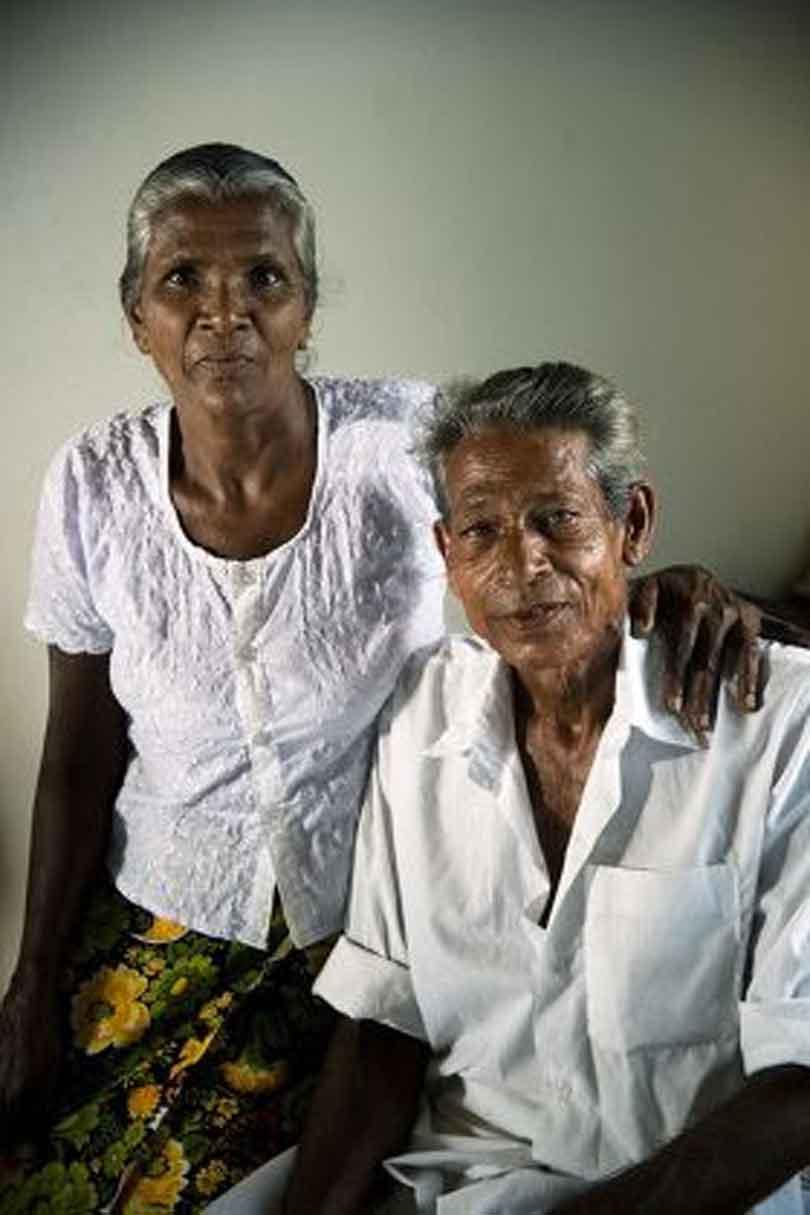
That decision was made when Sri Lanka had a young population and decades to fix the gap before it mattered. We no longer have decades. By the country's own demographic projections, we have well under fifteen years before a quarter of this nation is elderly, the majority uncovered by anything resembling a pension, leaning on family structures that are themselves shrinking, in an economy still working through the aftershocks of 2022. This is not a slow-moving policy question with room for another decade of study. It is closer to a fuse.
The current government has proven, with the Parliamentary Pensions Act, that it can take a real swing at entrenched privilege when the target is unpopular enough. The actual test of its equity mandate is not whether it can finish trimming a pension scheme for 700,000 people who are, for the most part, not villains. It is whether it can find the political will, before the demographic wave arrives rather than after, to extend even a modest version of that same security to the sixty-seven percent who have never had any version of it at all. A state running this kind of deficit cannot keep funding two separate categories of old age, one fully insured and one entirely improvised, without eventually being forced to choose. My worry is that the choice will arrive too late, framed once again as fiscal necessity, while the sixty-seven percent without any pension remain exactly where they have always been: outside the conversation, doing the arithmetic of old age alone, the way their parents did, except in far greater numbers and with far less family left standing around them to help. Until who never got protected is treated with the same urgency as who is currently overprotected, every reform on the table is really just a negotiation between the state and the people it already promised something to. Nobody at that table is speaking for the people it never promised anything at all, and the country is running out of time to start.