In Conversation with Boodee Keerthisena
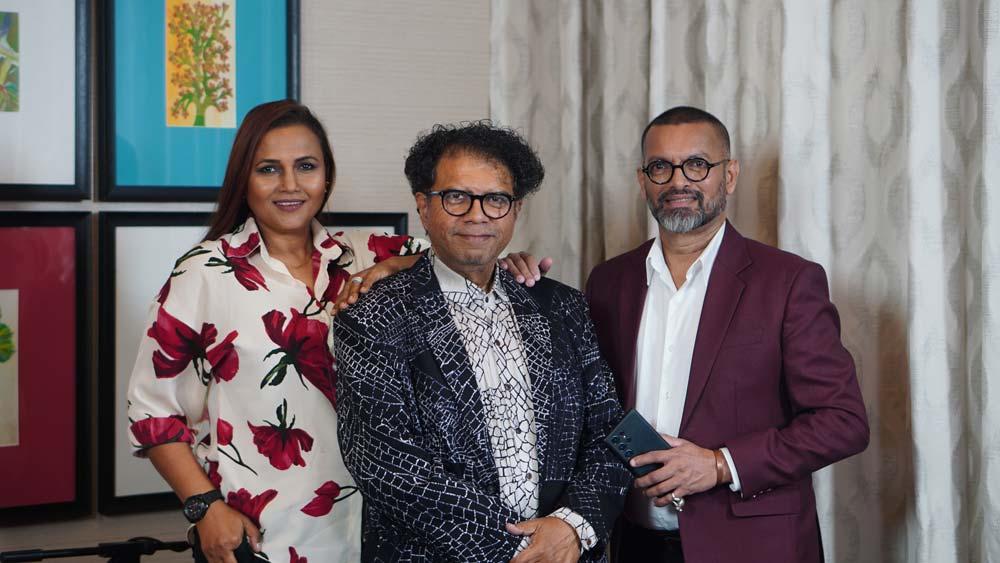
 Filmmaker, visual artist and creative visionary Boodee Keerthisena has spent decades pushing the boundaries of Sri Lankan cinema and visual storytelling. In this candid conversation with Kumar de Silva and Rozanne Diasz on The Fame Game, he reflects on his artistic upbringing, the mentors who shaped his journey, the making of some of his most memorable films, and why creativity has always been more about curiosity than convention.
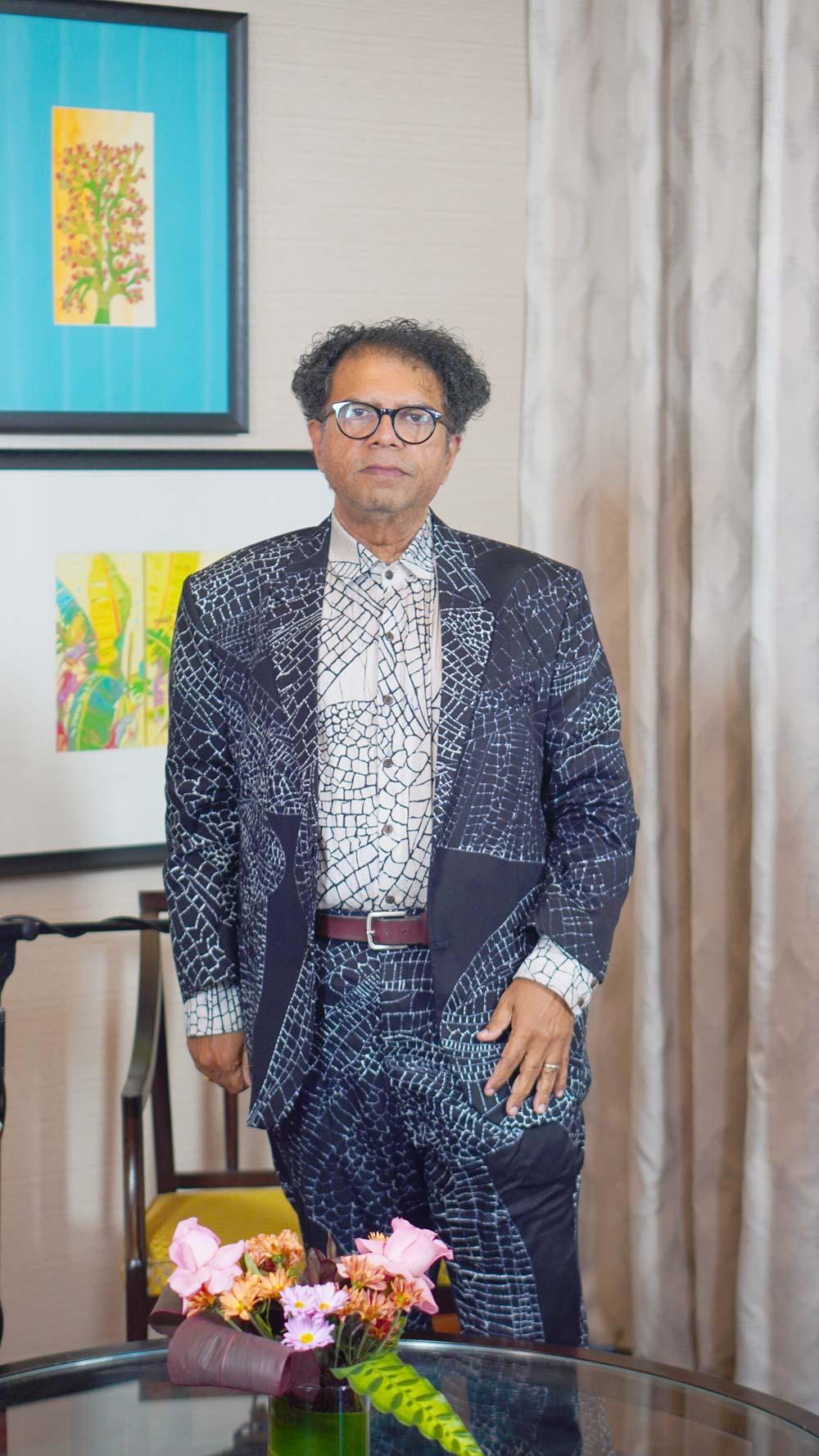 For those who know your work but not the man behind it, who is Boodee Keerthisena?
I see myself as someone who has been deeply influenced by my father Buddhi Keerthisena's work and by many artists from around the world. Every experience and every creative person I have encountered has contributed to who I am today. I do not believe I arrived here alone. My journey has been shaped by countless influences that inspired me to explore art in different forms.
How did the name "Boodee" come about?
My given name is Vishvanath Buddhika Keerthisena. During my time with a band, we needed a memorable name. Mangala Samaraweera, who was then one of the principal designers at Buddhi Batiks, suggested using "Boodee." Interestingly, only two people used to call me "Boo" at the time, and Mangala was one of them. He simply said, "Why don't we call you Boodee?" It sounded unique, so we named the band "Boodee and the Woozees." From then onwards, I adopted Boodee as my artistic identity, and it has remained with me ever since.
When did you first realize that creativity would become such an important part of your life?
Looking back, I think it was always there. Even as a child, my imagination constantly took over. I lived in two worlds simultaneously, one filled with fantasy and mythical heroes, and another shaped by war stories and historical events. Much of this imagination came from cinema. My father owned Darshana Cinema, a passion that had been passed down through generations. Through him, I was exposed to films from a very young age. Watching so many movies expanded my imagination and encouraged me to see stories everywhere. My father's own journey fascinated me. His family had deep roots in cinema and textiles. He worked as a film journalist before establishing Buddhi Batiks, combining creativity with entrepreneurship. Growing up in that environment meant art was not something distant, it was part of everyday life.
Your film Mille Soya became a landmark production. Was that your first major breakthrough?
Before Mille Soya, there was Sihina Deshayen, but Mille Soya certainly became a turning point. The visual atmosphere we created, the smoke, the lighting, the sepia tones and the emotional mood throughout the film.
The experience of making that film shaped me in many ways. It reinforced my belief that cinema is not simply about telling a story; it is about creating an emotional experience that stays with people long after they leave the theatre.
You studied filmmaking in New York. How did that opportunity come about?
Initially, I wanted to study in either Italy or France. When I discussed it with Mangala Samaraweera, he gave me a completely different perspective. He said, "If you're interested in David Bowie and Andy Warhol, why not go to New York? That's where they are." That single suggestion changed my life.
Would it be fair to say that Mangala Samaraweera was one of the biggest influences in your life?
Without question. My father introduced me to wonderful music from around the world, but Mangala expanded my artistic horizons even further. He encouraged me to appreciate creativity without limitations. Another remarkable influence was Senaka de Silva. His visual imagination was extraordinary. His knowledge was immense, and being around him taught me to think differently about art. I was fortunate to spend time with remarkable creative minds. Those experiences were an education in themselves.
Do you think Sri Lanka has forgotten to recognise the people who inspired today's artists?
Sometimes, yes. One thing I admired in the West was that artists openly acknowledged those who influenced them. They understood that creativity is never created in isolation. Every artist builds on the work of those who came before. Whether it is filmmakers, painters, designers or musicians, we owe a great deal to the people who inspired us. Recognizing them does not diminish our own achievements, it enriches them.
What, in your opinion, has prevented Sri Lanka's English-language film industry from achieving the same level of success as India's?
One major reason is the diaspora. India has a vast English-speaking population living all over the world. That naturally creates a larger audience for English-language films. Sri Lanka's situation is different. Although we've produced excellent English-language films over the years, the audience has always been much smaller. Films like ‘It's a Matter of Time’ produced by Preethiraj Weeraratne, were ahead of their time and demonstrated what Sri Lankan filmmakers could achieve. Unfortunately, that momentum was not sustained. It's not necessarily a question of talent. Sometimes it is simply about the size of the audience and the opportunities available.
Many people associate your work with cinema, but you've also worked in fashion, music and television. How did those experiences shape you?
Every experience contributed to my creative journey. I became involved in batik and fashion through my father and through people like Mangala Samaraweera.
I designed clothing for musicians and jazz performers, experimented with screen printing and even worked on some of Mangala's early fashion collections. Fashion shows during that period were unlike anything audiences had seen before. They were collaborative productions involving designers, choreographers, musicians and visual artists. Music naturally became another part of my life, followed by television commercials. My first commercial was for Bata, and over time I developed a style that was different from what viewers were accustomed to. People often joked that I was "the man who shook the camera" because I used movement, changing focus and a more cinematic style in television advertising. At the time, those techniques were considered unusual in Sri Lanka. Every project became another opportunity to experiment and learn something new.
One of your television concepts was eventually copied. How did you deal with that experience?
It was disappointing. I had created a programme called Bakannila, and after considerable effort I realised that another programme had adopted a very similar concept. Ironically, I first saw it being broadcast on my own birthday in 2000. Naturally, I was upset because a great deal of thought and creativity had gone into developing the programme. I even contacted people involved because I felt my work had not been respected. However, over time I realized that ideas often inspire other ideas. Although it was difficult at the time, I continued focusing on creating new work rather than dwelling on what had happened. Eventually Bakannila found another platform, and audiences were still able to experience it.
If you were to make Mille Soya today, would you approach it differently?
I don't think I would remake. Every film belongs to its own time, and I prefer allowing those stories to remain where they were created. If I were making a film today, it would naturally reflect today's audience, technology and way of thinking. Rather than revisiting an old film, I would rather create something entirely new. What made Mille Soya memorable was not just the story. It was the emotion people connected with and the music that became part of the film's identity. Those are things that cannot simply be recreated years later.
Speaking of Mille Soya, the music became incredibly popular. How did those songs find their way into the film?
It happened quite naturally. We were searching for the right songs for the film when I met members of the band Jayashri. While listening to their music, one particular song immediately stood out to me. I felt it perfectly matched the atmosphere we were trying to create. When I played it for the cast, everyone responded positively. From there we worked closely with the costume designers and production team to build visuals that complemented the music. The audience embraced those songs in a remarkable way. Sometimes people would remember the songs before they remembered scenes from the film. That showed us how powerful music can be in cinema.
Another memorable song was Salli Pokuru, which also became very popular. It was satisfying to see how both the film and its soundtrack remained with audiences long after its release.
Sangeetha Weeraratne played an unforgettable role in Mille Soya. How did she become part of the film?
It's an interesting story because she was not originally the person we had in mind for the role.
Due to unexpected circumstances, we had to look for another actress. Around that time, Sangeetha contacted me herself after hearing about the project. At first, I assumed she might not be interested in going through an audition because she was already one of Sri Lanka's biggest stars. Nevertheless, I told her that everyone would have to audition. Without hesitation, she simply asked, "Where and when?" That response impressed me enormously. She approached the role with complete professionalism despite her success. It changed many preconceived ideas I had about established actors. That willingness to earn the role rather than expect it demonstrated exactly why she has remained respected throughout her career.
Your work often reflects imagination and experimentation. Do those qualities continue at home with your family?
My wife is a very grounded person, and I think that balance has been very important in my life.
While I tend to think creatively and imaginatively, she brings a sense of stability and simplicity to our family. I feel fortunate to have someone who keeps life balanced. Our daughters have already begun exploring their own interests. My eldest enjoys painting and has developed impressive artistic skills. My younger daughter loves editing videos and creating content for her own online platforms. I don't want to pressure either of them into following my path. Every individual must discover their own interests and talents.

Scan the QR code above and watch the video interview
Throughout the conversation, Boodee Keerthisena returned repeatedly to one central idea: creativity is never created in isolation. Whether discussing his childhood imagination, his education in New York, the making of Mille Soya, or his hopes for future generations, Boodee's reflections reveal an artist driven less by fame than by curiosity. Rather than searching for definitive answers through art, he sees creativity as a lifelong journey of exploration, collaboration and enjoyment, one that continues to evolve with every new project.