An Archive Beneath the Ribs: Where Feeling Becomes Evidence
Nichol Fernando
I read a line once that made me pause: “We romanticized the wrong organ. The stomach is more emotional than the heart.”
At first, it sounded like one of those thoughts made to be admired for a moment and then forgotten. The kind of sentence you save, send to someone, and eventually lose beneath hundreds of other posts. But the longer I sat with it, the more it began to feel true.
For centuries, the heart has received all the poetry. We offer it to people we love. We draw it in the corners of notebooks. We blame it for choosing the wrong person and describe it as broken when they leave. The heart has become the official home of every feeling we cannot explain.
Meanwhile, the stomach has been quietly feeling everything first.
Think about the last time you received a message you had been dreading. Before your mind could understand the words, something inside you dropped. It was not quite pain and not quite fear. It was the strange sensation of missing a step in the dark, as though the floor inside your body had suddenly disappeared.
You did not feel it in your heart.
You felt it beneath your ribs.
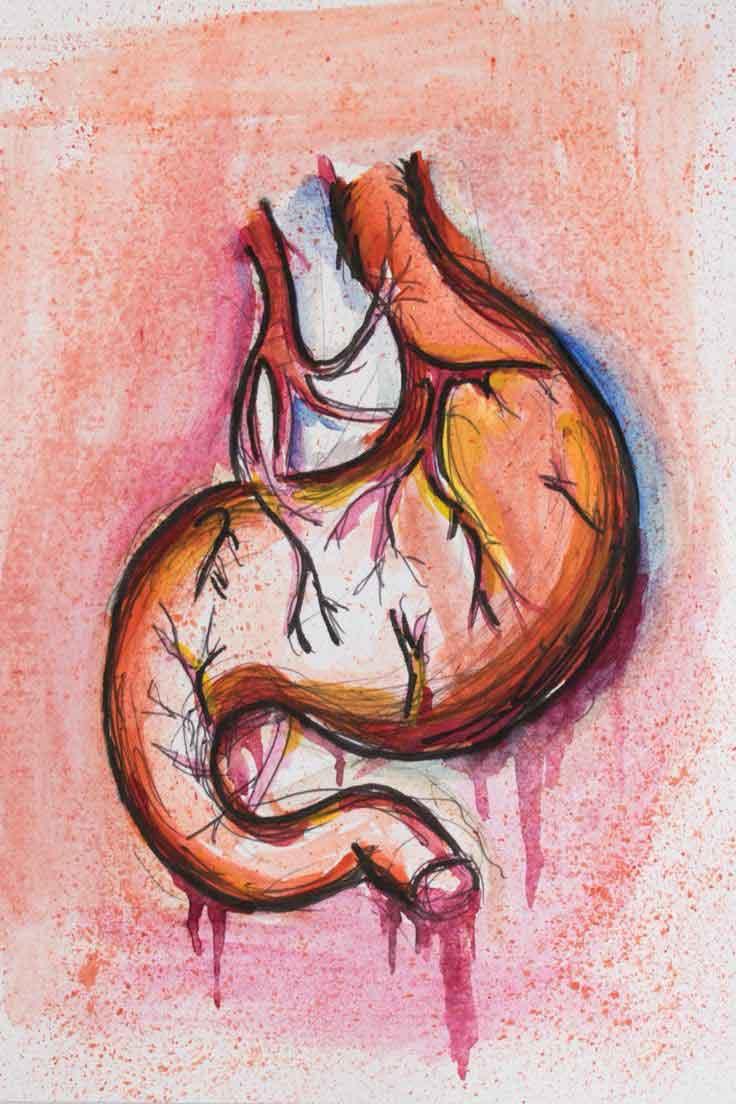
The stomach does not wait for an explanation. It reacts before we have found the correct emotion to name. It knows that something is wrong before the mind has gathered enough evidence. It tightens at a change in someone’s voice, turns at an unfamiliar silence and sinks when a familiar name appears on a screen at the wrong time.
The heart may eventually become the symbol of the story, but the stomach is often where the story begins.
Love lives there too.
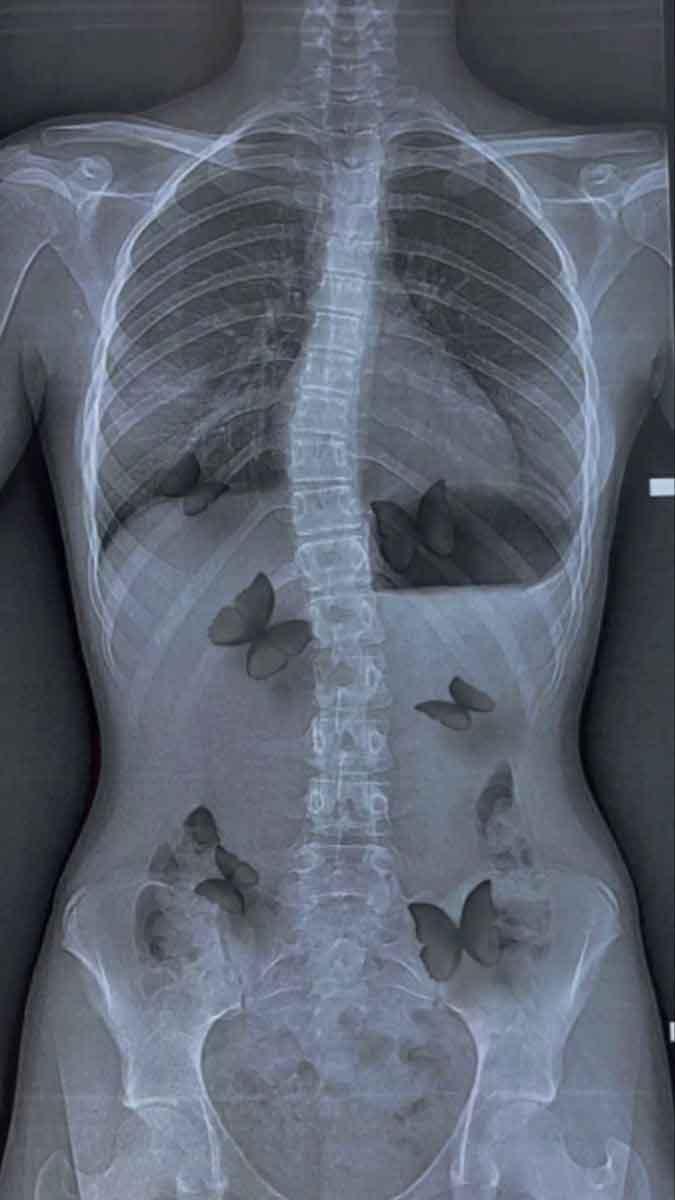
It arrives as butterflies before a first date, although “butterflies” has always seemed too gentle a word for it. Sometimes it feels more like an entire sky taking flight inside you. You check your reflection again, reread old messages and pretend that you are not nervous. Then the person walks into the room, and your stomach reacts as if it has recognised them before the rest of you has.
Chemistry is often described as something invisible, yet the stomach makes it physical. A glance becomes warmth. A touch becomes a sudden lightness. The possibility of being loved becomes something that flutters, twists and expands inside the body.
Perhaps that is why falling in love and feeling afraid can seem so similar. Both disturb the stomach. Both take away our appetite. Both make us feel slightly unsteady, as if the body understands that caring for someone is also giving them the power to hurt us.
Joy and dread live strangely close to one another there.
The same flutter appears before good news and bad news. It comes before opening an important email, stepping onto a stage, boarding a flight or saying something that may change a relationship forever. The stomach does not always distinguish between excitement and terror. To it, both mean the same thing: something important is about to happen.
The heart is poetic because it is easy to idealise. Its beat is steady, dramatic and measurable. It sounds like certainty. The stomach is less graceful. It growls, turns, aches and refuses food. It embarrasses us with its honesty.
Maybe that is what makes it more emotional.
The heart can continue beating while we pretend, we are fine. The stomach rarely cooperates with the performance.
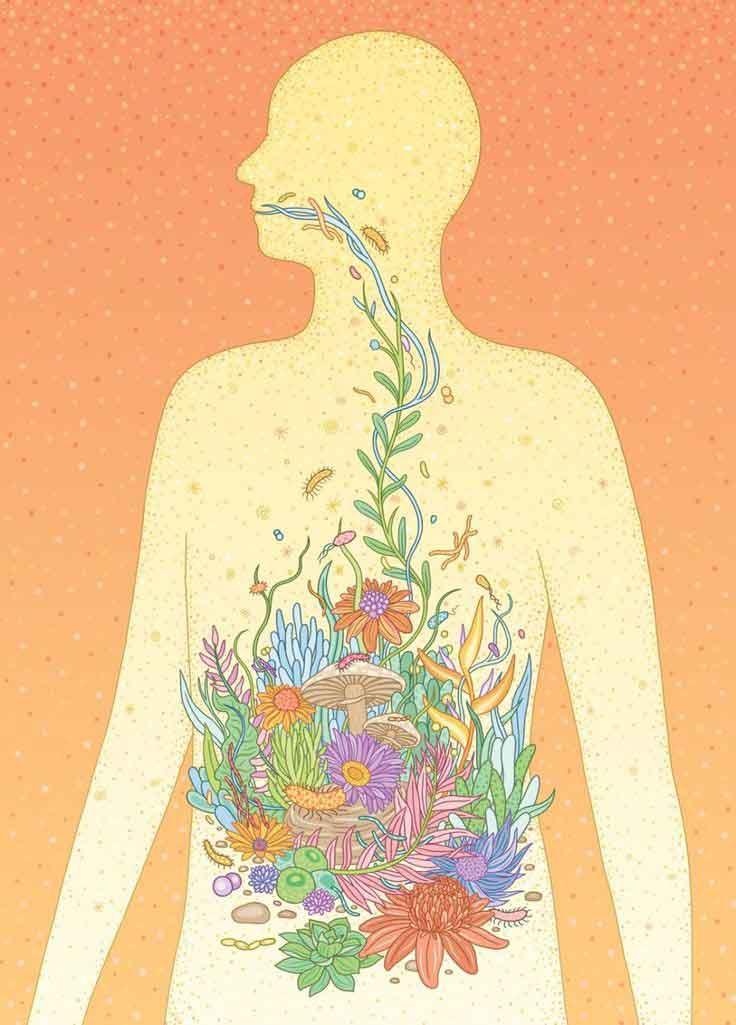
When grief enters a person’s life, one of the first things it takes is hunger. Food loses its taste. Meals become tasks. Someone places a plate in front of you, and although you know your body needs it, your stomach closes like a fist.
Nobody says, “My heart has lost its appetite.”
They say, “I cannot eat.”
Grief empties the stomach while somehow making it feel unbearably full. It fills it with absence, with all the words that were never spoken and all the ordinary routines that no longer know where to go. A chair becomes empty. A phone stays silent. The world continues behaving normally, but the body knows that something essential is missing.
Heartbreak is similar. Despite its name, it rarely feels like a clean break in the chest. It is a hollow sensation in the stomach. It is the dropped elevator feeling that arrives before your brain finishes reading the final sentence. It is waking up the next morning and remembering, then feeling the loss happen all over again somewhere deep inside you.
The heart receives the metaphor, but the stomach carries the consequence.
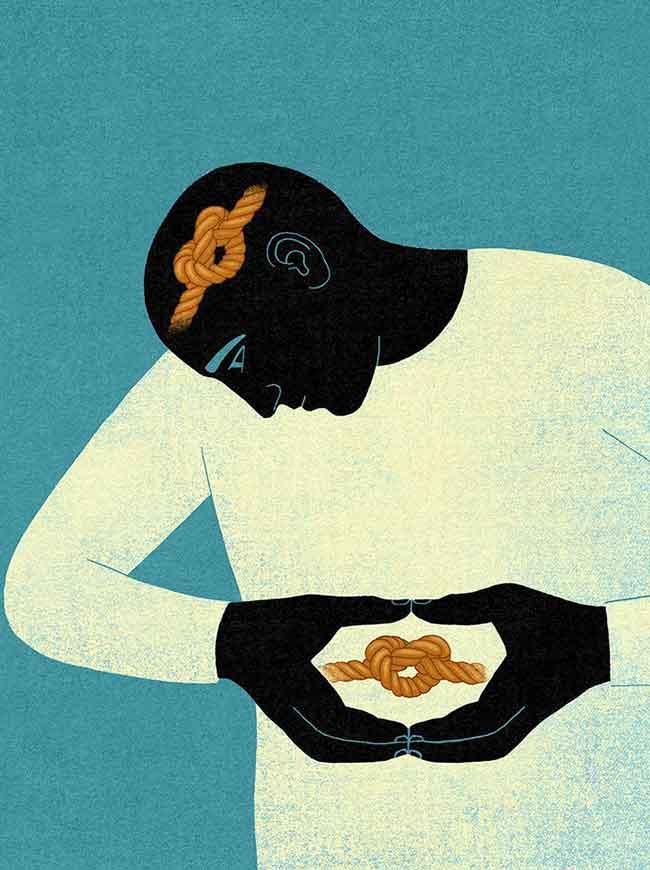
Anxiety also makes a home there. It appears before difficult conversations and follows us into unfamiliar rooms. It curls itself into knots before interviews, examinations and phone calls. Sometimes the mind insists there is nothing to fear, while the stomach remains unconvinced.
We often say, “I have a gut feeling,” when we know something without being able to explain how. Maybe the stomach is where the body stores all the details the conscious mind overlooks: a pause that lasted too long, a smile that did not reach someone’s eyes, an answer that sounded almost right.
The stomach notices the space between what is said and what is meant.
Of course, a feeling in the gut is not always the truth. Fear can disguise itself as intuition, and old wounds can make safe situations feel dangerous. But even when the stomach is mistaken about the present, it is usually revealing something real about the past. It remembers what the mind tries to rationalise. It responds not only to what is happening, but to everything that has happened before.
Perhaps the stomach is not simply emotional. Perhaps it is a kind of archive.
It keeps the nervousness of every room where we felt unwelcome. It remembers the meals we could not finish after bad news and the laughter that made our sides ache. It carries first dates, final conversations, exam results, airport goodbyes and unexpected reunions. It stores love not as an idea, but as a sensation.
The heart turns emotion into a symbol.
The stomach turns it into evidence.
Still, we continue giving the heart all the credit. We promise to love people with all of it. We place it in songs, letters and vows. We break it, guard it, follow it and wear it on our sleeves.
Perhaps we chose the heart because it makes emotion sound beautiful. The stomach makes emotion sound human.
It reminds us that feeling deeply is not always graceful. Sometimes love is nausea before honesty. Sometimes longing is an untouched plate. Sometimes fear is a knot that refuses to loosen. Sometimes happiness is laughing so hard that your stomach hurts. Our strongest emotions do not simply pass through our thoughts. They interrupt our bodies.
Maybe we never needed to replace the heart entirely. It can keep its poems and red paper shapes. But perhaps the stomach deserves a little romance too.
After all, the heart may beat for someone, but the stomach is where we feel their arrival. It is where we sense them leaving. It is where love flutters before it has a name and where loss settles after every word has been said.
We spent centuries writing love songs to the heart.
All this time, the stomach had been listening and feeling every word.