Why We Romanticise Sadness Online
By Noeli Jesudas
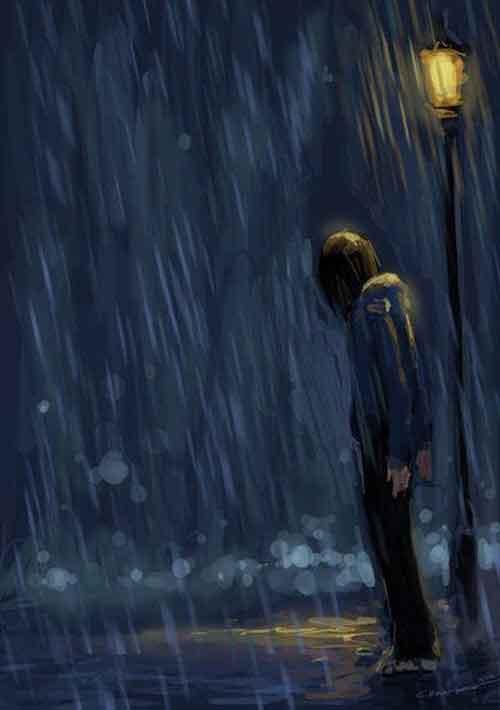
Somewhere between late night scrolling and carefully curated posts, sadness stopped being something we quietly dealt with and became something we shared, shaped, and sometimes even… styled. It is no longer just a feeling. It is an aesthetic, a caption, a playlist, a soft filter over a dimly lit room. And the strange part is, we all understand it. We see a blurry photo, a vague caption about feeling lost, maybe a cigarette in hand or rain against a window, and we do not question it. We feel it, or at least we think we do.
There is something oddly comforting about how sadness exists online now. It feels safe. Controlled. You can express it without fully exposing yourself. A single post can say “I am not okay” without actually having to explain why. And people respond. They like it, they relate to it, they save it. In a world where happiness often feels performative and exhausting, sadness feels more honest, even if it is packaged.
Part of this comes from how we have learned to communicate online. We rarely say things directly anymore. Instead, we hint, we imply, we leave pieces for people to interpret. Sadness fits perfectly into this language. It is vague enough to be universal but specific enough to feel personal. A caption like “some days just feel heavier” could belong to anyone, and that is exactly why it works. It allows people to project their own feelings onto it, turning one person’s emotion into something collective.
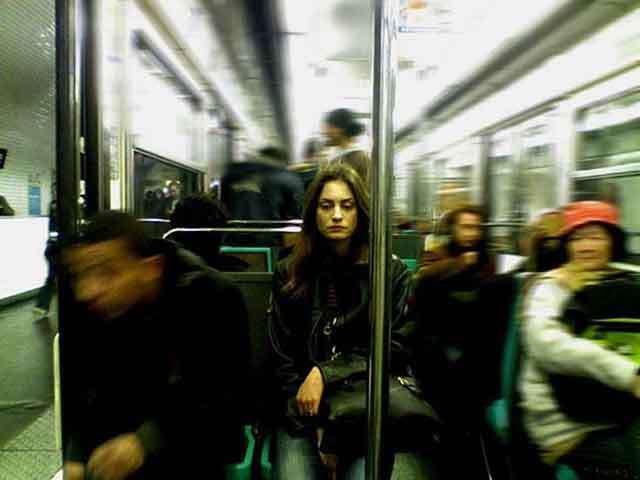
But there is also an aesthetic element to it that cannot be ignored. Sadness online often looks beautiful. It is soft lighting, slow music, poetic words. It is never the messy, uncomfortable reality of crying uncontrollably or feeling completely lost. It is the edited version. The version that makes pain look almost peaceful. And that is where the line starts to blur. When sadness is constantly presented in a visually appealing way, it becomes something people are drawn to, not something they want to escape.
This is not entirely new. Art, music, and literature have always romanticised sadness in some form. Sad songs tend to stay with us longer. Emotional movies leave a deeper impact. There is something about vulnerability and pain that feels more real than forced happiness. But social media has amplified this in a way that is constant and accessible. You do not have to seek it out anymore. It finds you. Every scroll becomes a mix of people living their best lives and people quietly falling apart in aesthetically pleasing ways.
And maybe that contrast is exactly why sadness stands out. Happiness online often feels loud, too polished, and sometimes unrealistic. Perfect trips, perfect relationships, perfect lives. It can feel distant, even unattainable. Sadness, on the other hand, feels closer to home. It feels achievable in a strange way. It reminds people that behind all the perfection, there are cracks. And that reassurance can be comforting.
There is also an element of validation that comes with expressing sadness online. When someone posts something vulnerable and receives attention for it, it creates a sense of being seen. Even if the interaction is just a few likes or a short message, it still feels like acknowledgment. For many people, especially those who struggle to open up in real life, this can feel easier. It is less confrontational, less immediate, and easier to control.
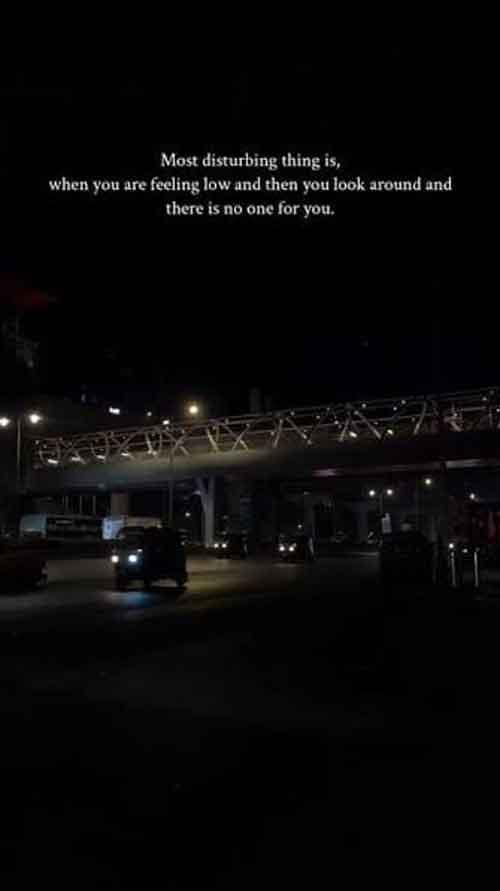
But over time, this can turn into something more complicated. When sadness consistently gets attention, it can start to feel like the only way to be noticed. Not consciously, but subtly. People may begin to lean into that version of themselves more because it is the one that resonates. And slowly, sadness becomes part of their online identity. Not just something they feel, but something they present.
There is also the question of relatability. Sadness connects people in a way that happiness sometimes does not. It creates a shared experience. When someone posts about feeling lost or overwhelmed, it opens the door for others to say “me too.” And in that moment, there is a sense of connection that feels genuine. It is not about impressing anyone. It is about being understood.
But the problem is that this shared sadness can sometimes become an echo chamber. When people are constantly exposed to content that reflects their lowest moments, it can reinforce those feelings instead of helping them move through them. It normalises being stuck. It makes it feel like everyone is struggling all the time, which can be both comforting and heavy at the same time.
Another layer to this is how we have started to associate depth with sadness. There is this unspoken idea that being sad makes you more thoughtful, more artistic, more real. And while there is truth in the fact that difficult emotions can lead to deeper reflection, it also creates a hierarchy where happiness is seen as shallow and sadness is seen as meaningful. This can make people feel like their pain gives them value, which I think is a dangerous idea to internalise.
At the same time, it is important to acknowledge that not all expressions of sadness online are performative. For many people, it is a genuine outlet. A way to cope, to release, to feel less alone. Dismissing it entirely would ignore the fact that for some, it is one of the few spaces where they feel comfortable being vulnerable. The issue is not the expression itself, but how it is shaped and consumed.
We are living in a time where emotions are constantly being translated into content. Every feeling has the potential to be shared, interpreted, and engaged with. And sadness, with its depth and universality, fits perfectly into this system. It is complex enough to feel real, but flexible enough to be curated.
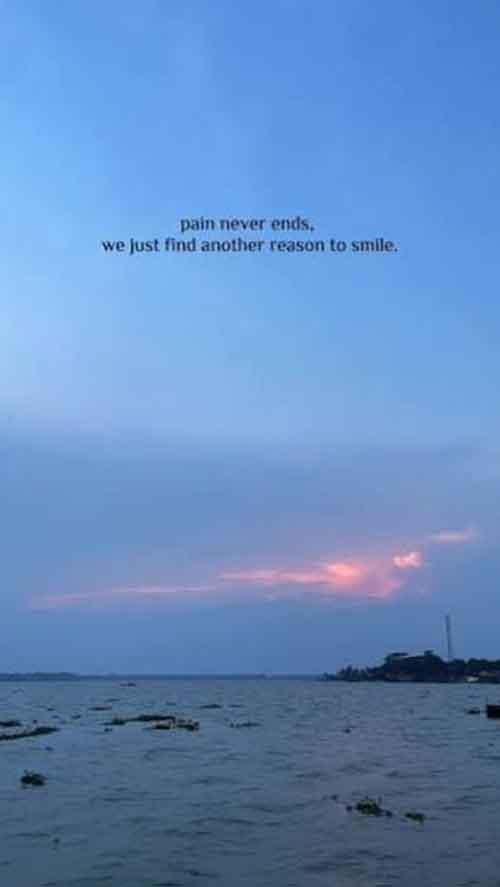
Maybe the real question is not why we romanticise sadness, but why we feel the need to present it in a certain way. Why it is easier to post a poetic caption than to have an honest conversation. Why we are more comfortable being understood by strangers than being vulnerable with people in our own lives.
Because at its core, sadness is not aesthetic. It is uncomfortable, unpredictable, and often difficult to explain. The version we see online is only a fraction of it. A filtered, simplified version that makes it easier to consume.
And maybe that is where the problem lies. When we start confusing the aesthetic of sadness with the reality of it, we risk losing touch with what it actually feels like. We risk turning something deeply human into something performative.
Still, it is not entirely negative. The fact that people are more open about their emotions, even in this curated way, is a shift from a time when everything had to be hidden. There is value in that. There is value in knowing that you are not the only one who feels a certain way.
But there is also value in recognising when something is being shaped for an audience. In understanding that not everything we see reflects the full picture. In remembering that real healing may not seem the same for everyone, it may not always look poetic or shareable. Sadness does not need to be beautiful to be valid. It does not need a caption or a filter to be real. And maybe the more we understand that, the less we will feel the need to romanticise it.
Because at the end of the day, sadness is not something to be curated. It is something to be felt, processed, and eventually, moved through. And that part rarely makes it to the feed.