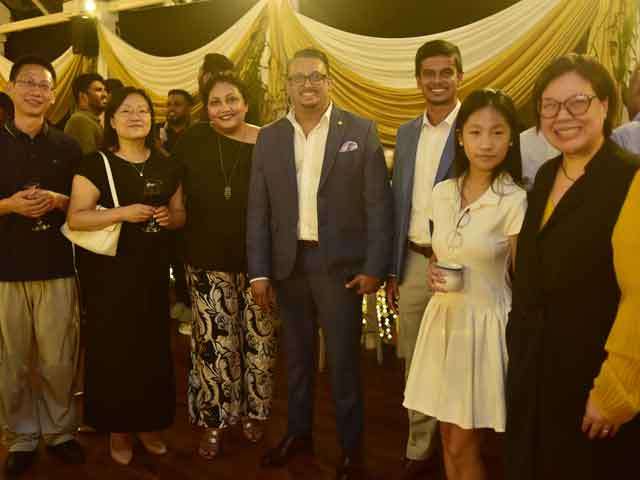
CURIOSITY, DISCIPLINE AND BALANCE: HOW SACHIN UNAMBOOWE BUILT SUCCESS ON HIS OWN TERMS
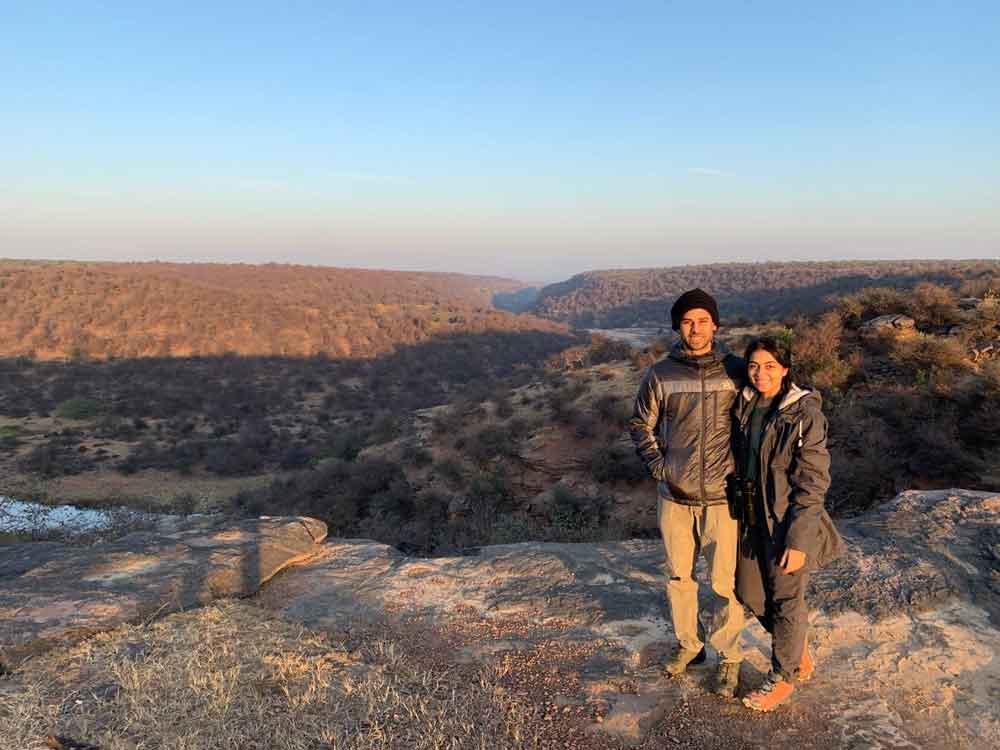
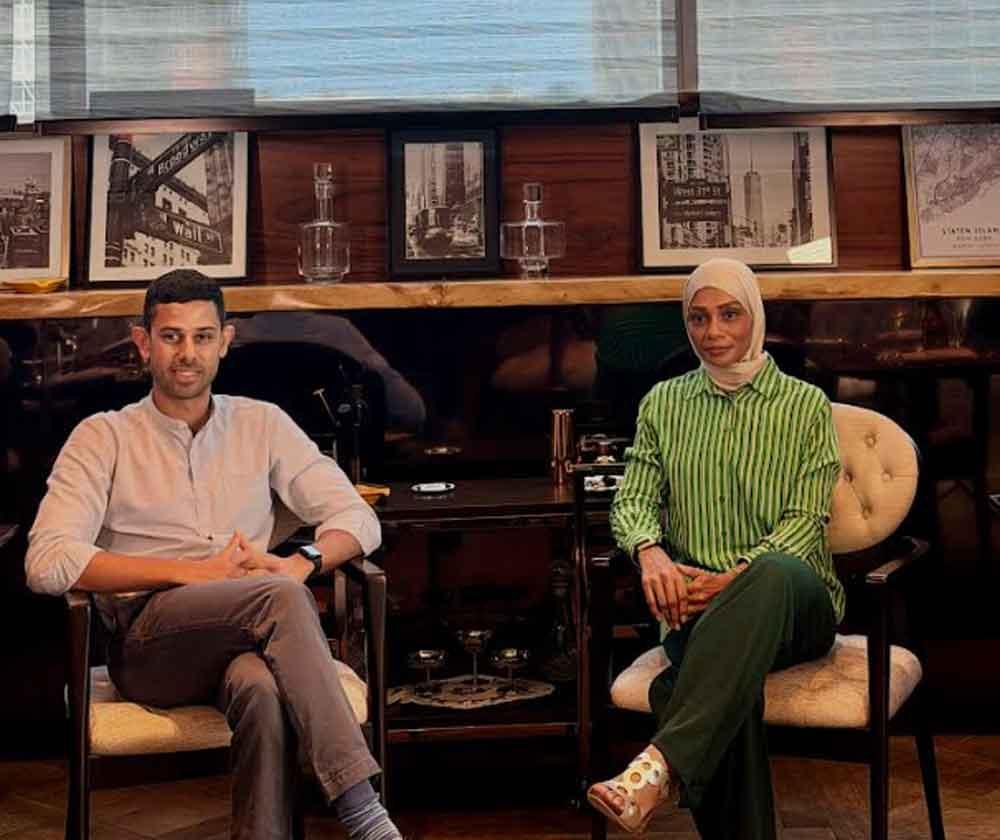
At just 32 years old, Sachin Unamboowe has already established himself as Assistant Vice President and Head of Sales at Capital Alliance, one of Sri Lanka's leading investment firms. While many might assume his path to leadership followed a carefully planned trajectory, the reality is far more interesting. Before entering the world of finance, he worked as a safari naturalist, explored a passion for wildlife conservation, studied Economics and International Relations while completing a minor in Anthropology, travelled extensively and developed a lifelong commitment to health and fitness after undergoing open heart surgery as a teenager. What makes Sachin's story compelling is not simply his professional success but the mindset behind it. Rather than chasing titles or following a rigid career plan, he has consistently followed his curiosity, allowing each experience to shape the next. Along the way he has learned that discipline often matters more than talent, that good health is the foundation for every ambition, and that success should be defined by personal values rather than society's expectations. In this conversation, Sachin reflects on the lessons that have shaped his life, the influence of his parents, the importance of continuous learning and why the next generation should stop worrying about having everything figured out.
Q: At just 32 years old, you are already Assistant Vice President and Head of Sales at Capital Alliance. Before finance, you worked as a safari naturalist, studied Economics, International Relations and Anthropology, and considered a career in wildlife conservation. Looking back now, do all those different versions of yourself finally make sense?
They do now, although they certainly did not at the time. Looking back, I can see how each experience contributed something valuable, but none of it felt like a master plan while I was living through it. I was simply following whatever genuinely interested me at that point in my life. Wildlife fascinated me, so I pursued it. Later I became deeply interested in economics and politics. Anthropology followed because I found people and cultures incredibly interesting. None of those decisions were driven by career titles or long-term strategies. They were driven by curiosity. If someone had asked me fifteen years ago whether I would one day work in capital markets, I probably would have laughed. It was never part of the plan. Yet every experience taught me something that I still use today. Working as a safari naturalist taught me observation and patience. University exposed me to different perspectives and ways of thinking. Returning to Sri Lanka introduced me to a financial industry that I now genuinely enjoy contributing to. Looking back, those experiences connect in ways I could never have predicted.
Q: Many young people feel enormous pressure to have their lives completely planned by their twenties. Do you think that expectation is unrealistic?
Absolutely. One of the biggest misconceptions young people have is believing they need to know exactly what they want to do for the rest of their lives before they have had enough experiences to truly understand themselves.
Our interests naturally evolve. At one stage I wanted to dedicate my career to wildlife conservation. Later economics became my biggest passion. Today finance is central to my career, but I also invest a great deal of time in travel, fitness and continuous learning. People should give themselves permission to grow. What excites you at twenty may not be what inspires you at thirty, and that is perfectly normal. As long as you continue learning and remain genuinely engaged in what you are doing, those experiences usually come together in ways you only recognise later. Careers often make much more sense in hindsight than they do while you are living them.
Q: Your parents both built successful careers. What lessons did you learn simply by watching them?
I have always believed that children learn far more from observation than instruction. Parents can tell you what to do, but ultimately you become what you consistently see. My father built a successful corporate career while still making time for photography, wildlife and travel. He showed me that professional success does not have to come at the expense of the things you genuinely enjoy. My mother demonstrated something equally valuable. She built her own career while raising a family and remained remarkably disciplined throughout decades of work before retiring recently. Neither of them ever sat me down and delivered lectures about ambition or success. Instead, I watched how they lived. From my father I learned that balance is possible. From my mother I learned the value of consistency and discipline. Those lessons became part of how I approach my own life.
Q: You studied Economics, International Relations and Anthropology. At first glance they seem like very different subjects. How have they influenced your work today?
It happened quite naturally. When I first went to university in the United States, I intended to study wildlife conservation. As I explored the curriculum, I realised it was not quite the right fit for me. Economics and politics had always interested me, so I changed direction. Along the way I started taking Anthropology classes because I found them fascinating and eventually completed a minor. Today I realise how connected those subjects actually are. People often think finance is purely about numbers, but markets are driven by human behaviour. Investment decisions are influenced by emotion, culture, confidence and uncertainty. Anthropology taught me to understand people. Economics helped me understand systems. International Relations helped me understand how the world functions. Together they provide a much broader perspective than any one subject could have on its own.
Q: Health appears to be a fundamental part of your life rather than simply a hobby. Where did that mindset come from?
Health gradually became part of my identity. Having open heart surgery as a teenager certainly made me more aware of looking after myself, but it is not the only reason fitness became so important. Watching my father prioritise exercise consistently also had a major influence. Today, I never negotiate with myself about training. I have made a commitment that I will always protect that one hour every morning. The benefits go far beyond physical fitness. Better sleep, improved concentration, higher energy levels, clearer decision making and greater patience all come from taking care of yourself. Exercise is no longer something I try to fit into my schedule. It is simply part of my routine.
The best way I can describe it is that going to the gym feels no different from brushing my teeth. It is just something I do.
Q: You work closely with entrepreneurs, investors and business leaders. Is there one quality that consistently separates the most successful people?
Without question, discipline. Intelligence is important and I work with incredibly talented people every day, but intelligence alone is rarely enough. The people who consistently perform well are those who show up every day, manage their time effectively, continue learning and take care of themselves. Today knowledge has become far more accessible than ever before. Anyone with determination can access world class educational resources, online courses and artificial intelligence tools. That means knowledge itself is no longer the biggest advantage. Discipline has become the real competitive edge. If someone is disciplined enough to dedicate time to learning and improving every day, they can become exceptionally good at almost anything. Consistency matters more than occasional brilliance.
Q: You have said you do not believe people are simply too busy to exercise. Why do you feel so strongly about that?
Because I think it usually comes down to priorities rather than time. People often say they cannot find one hour to exercise, yet many of those same people spend several hours scrolling through social media every day. That is not intended as criticism. It is simply an observation. There are so many ways to stay active today. Running, cycling, walking, CrossFit, golf, padel, strength training or simply being more active during the day. There is no perfect exercise routine. The important thing is building movement into your lifestyle before health problems force you to do it later. Preventing illness will always be easier than trying to recover from it.
Q: Finance is a demanding industry. How do you maintain balance while continuing to perform at a high level?
For me, balance is intentional. I know that I perform better professionally when I am looking after myself personally. That means protecting time for exercise, spending time outdoors whenever possible, travelling, reading and continuing to learn outside my profession. Success should never become so consuming that you lose the things that make life enjoyable. Ironically, maintaining balance often makes you better at your job because you return with more energy, better perspective and a healthier mindset. I have seen too many people sacrifice everything for work only to realise later that they neglected their health, relationships or happiness along the way. That is never a trade-off I want to make.
Q: Finally, if one young person reads this interview while trying to build a meaningful career, what would you want them to remember?
The first thing I would encourage them to do is define success for themselves. Success looks different for everyone. For one person it may mean leading a company. For another it may mean building a business, travelling the world, achieving financial independence or raising a happy family. The important thing is not allowing society to define success on your behalf. Alongside that, I would encourage people to protect their health and remain curious. Never stop learning. Never become afraid of changing direction if your interests evolve.
Most importantly, understand that you do not need every answer immediately. If you know what genuinely makes you happy, stay physically healthy and continue developing yourself every day, you give yourself the best possible chance of building a fulfilling life. Everything else has a way of falling into place. Success is rarely the result of one defining decision. More often, it is built through small, consistent choices repeated over many years. Curiosity keeps you learning. Discipline keeps you moving forward. Good health gives you the energy to pursue every opportunity that comes your way. When those three qualities come together, success becomes less about reaching a destination and more about building a life that reflects who you truly are.