Built to Inspire: Sanjaya Fernando on Why Talent Opens Doors, but Discipline Keeps You in the Room
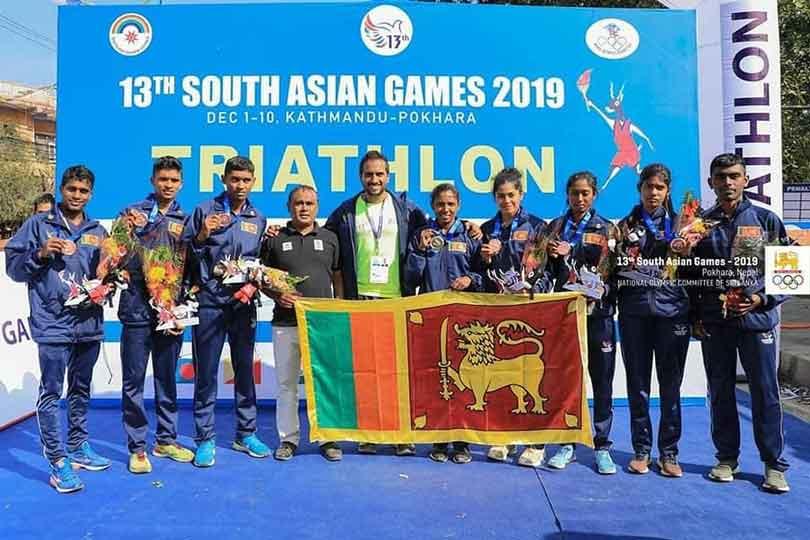
 Success is often viewed through the lens of titles, medals, promotions, and achievements. Yet behind every accomplishment lies a series of small decisions, repeated actions, and moments of discipline that rarely make headlines. For Sanjaya Fernando, those moments began at the age of four when his father first introduced him to swimming. What followed was a journey that would see him become a national water polo player, National Women's Water Polo Coach, Sri Lanka's National Triathlon and Duathlon Coach, a corporate leader with over 24 years of experience, an entrepreneur, and the recipient of numerous leadership accolades.
Today, as Group Finance Director of Vintage Teas Ceylon and Founder of StratusFind, Sanjaya continues to balance leadership in both the corporate and sporting arenas. Yet what stands out most is not the number of roles he has held, but the mindset that has allowed him to succeed across all of them. In this edition of Raise the Bar's Built to Inspire series, Sanjaya reflects on coaching, leadership, discipline, accountability, and why action must always come before motivation.
Q: Sport has been a significant part of your life from a very young age. How did that journey begin?
My father took me to St. Joseph's College swimming pool when I was four years old to learn swimming. That was my first introduction to sport. When I entered Royal College, swimming naturally progressed into water polo. As I became more involved in the sport, I found myself increasingly interested in what happened beyond the game itself. I was fascinated by how coaches-built teams, created discipline, managed personalities, and brought individuals together around a common objective. Watching coaches and senior players lead teams sparked my curiosity. That curiosity eventually led me towards coaching.
Q: You began coaching at just seventeen years old. How did that happen?
One of the coaches connected to Royal College asked me to conduct a training session for St. Bridget's Convent while I was still a student myself. At seventeen, I walked onto a pool deck and coached an Under-19 team. That experience taught me something important. Coaching wasn't simply about discipline or giving instructions. It was about understanding people, helping them improve, and bringing out their potential. What began as a one-day opportunity eventually evolved into a coaching journey that would span nearly two decades.
Q: Many people talk about talent. You've often spoken about discipline. Why is that distinction important?
Talent opens doors. Discipline keeps you in the room. Talent may create opportunities, but discipline determines whether you are able to sustain them. I could have coached one session at seventeen and never coached again. What allowed me to continue was a commitment to learning, improving, and constantly developing myself.
I pursued qualifications, learned from experienced coaches, listened to athletes, and remained curious. Even today, I believe learning never stops. Sometimes I learn from colleagues. Sometimes I learn from athletes. Sometimes I learn from my daughter. The moment you believe you know everything is the moment you stop growing.
Q: You were building a corporate career, pursuing qualifications, coaching athletes, and raising a family. How did you manage it all?
It comes down to priorities and being fully present. I don't believe in wearing multiple hats at the same time. When I'm coaching, I'm focused on coaching. When I'm leading a business, I'm focused on that responsibility. When I'm with family, they receive my attention. People often become overwhelmed because they are trying to do everything simultaneously. Planning is important. If you prepare properly, you can focus completely on the task in front of you without compromising everything else.
Q: You told me you woke up at 2:30 a.m. before this interview. Where does that level of discipline come from?
I don't necessarily view it as discipline. I view it as responsibility. If I commit to something, I want to show up prepared and give it my best effort. That mindset started early. As a goalkeeper, I wasn't always the tallest or most physically gifted athlete. I had to compensate through effort. If others trained for an hour, I trained for two. If others stopped, I stayed longer. I cycled to training to build strength and looked for every possible way to improve. Hard work became a way of closing the gap.
Q: Was there a point where you realized education and qualifications were equally important?
Absolutely. Early in my career, I underestimated qualifications. I believed experience alone would be enough. I learned that lesson the hard way when some of my juniors became my bosses. That forced me to reassess my thinking. Rather than becoming frustrated, I went back to studying. Every time I encountered a qualification I lacked; I worked towards obtaining it. It took me longer than most people because I was balancing multiple responsibilities, but I remained consistent. That experience taught me humility. Growth often begins when you're willing to acknowledge what you don't know.
Q: How has sport shaped your leadership style in the corporate world?
Sport taught me accountability. As a goalkeeper, if you make a mistake, everyone sees it. You are the final line of defense. As a triathlete, there is nowhere to hide. Your preparation and performance are entirely your responsibility. As a coach, you learn how to empower people, delegate responsibilities, and build trust. One of the greatest lessons I learned through goalkeeping was the importance of remaining calm under pressure. No matter what chaos is happening around you, panic doesn't solve problems. Calmness allows you to make better decisions. That lesson applies just as much in the boardroom as it does in sport.
Q: How did you transition from water polo into triathlon?
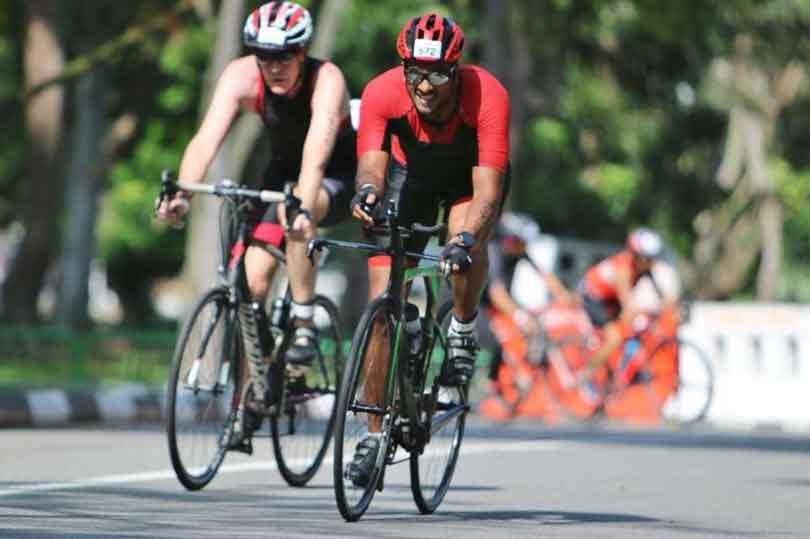
After stepping away from water polo coaching in 2016, I was looking for a new challenge. A group of friends had become interested in triathlon and Ironman events. Their enthusiasm sparked my curiosity, and I began training. In 2018, I competed at the Singapore International Triathlon and finished 12th among 468 international athletes. However, that race also became a turning point. I suffered a severe heat stroke and woke up in hospital with no memory of the final 1.2 kilometers of the race. That experience forced me to reflect on my future. Instead of continuing to pursue personal athletic ambitions, I decided to focus on coaching and helping others reach their potential.
Q: How did you become Sri Lanka's National Triathlon Coach?
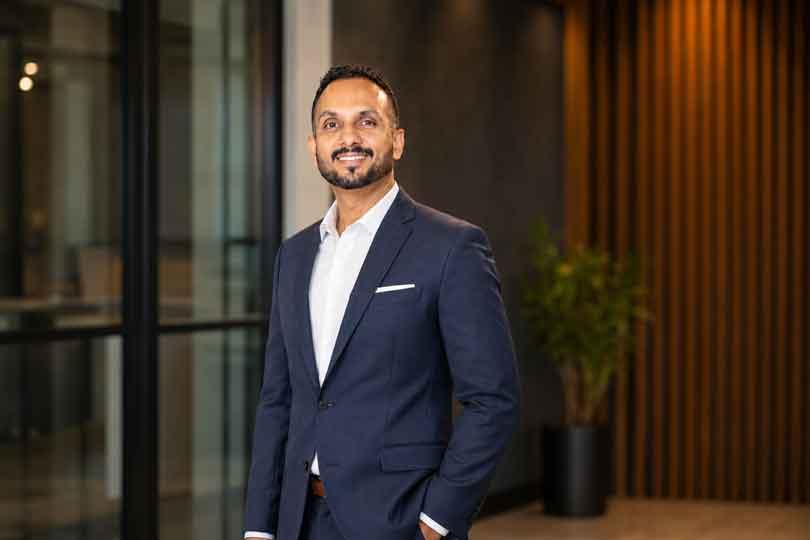
After Singapore, I committed myself to becoming properly qualified. I completed my World Triathlon Level 1 certification and was then offered a scholarship to Korea to pursue the Level 2 certification. Typically, coaches wait several years before progressing to Level 2, but I was fortunate to receive that opportunity after just one year. When I returned to Sri Lanka in 2019, the federation was searching for a coach for the South Asian Games. At that point, I was the only coach in the country with a Level 2 certification. People often ask whether luck played a role. Of course it did. But luck alone is never enough. Opportunity may present itself, but preparation determines whether you're ready when it arrives.
Q: You also faced criticism leading up to the South Asian Games. How did you deal with that?
When I was appointed National Coach, I sent my assistant coach ahead to Nepal with the athletes to begin climatize and preparations while I remained in Sri Lanka due to professional commitments. From a coaching perspective, it made complete sense. The athletes were receiving the support they needed, and we were communicating constantly. However, there was criticism. People questioned why the national coach was still in Sri Lanka while the athletes were already training overseas. Leadership is not always about making popular decisions. It's about making the right decisions. Rather than responding to criticism, we focused on preparation. The result was Sri Lanka's first-ever South Asian Games gold medal in triathlon, along with three bronze medals from a six-member contingent. That experience reinforced an important lesson. You cannot control opinions. You can control preparation. Eventually, results speak louder than criticism.
Q: You've coached elite athletes. How important is mindset in achieving success?
Mindset is everything. A coach can provide guidance, strategy, and structure, but the athlete must ultimately develop the desire to win. You need to be able to picture yourself succeeding before you achieve it. The coach helps create the pathway, but the athlete must walk it. That hunger, belief, and willingness to endure discomfort are essential ingredients in high performance.
Q: Do you believe motivation comes before action?
No. I believe action comes first. Many people wait for motivation before they begin. In reality, motivation is often the result of taking action. Towards the end of 2025, I wasn't happy with where I was physically. I had become undisciplined with my nutrition and training. The first thing wasn't motivation. The first thing was realization. I realized something needed to change.
Then came action. I became disciplined with my nutrition, sleep, hydration, and training. As I started seeing results, confidence grew. That confidence created momentum, and that momentum eventually became motivation. Most people stop at the realization stage. They know something needs to change, but they wait.
My belief is simple:
- Action creates momentum.
- Momentum builds confidence.
- Confidence creates motivation.
Q: What have you learned about health, performance, and long-term success?
I've learned that there is no universal formula. I've experimented with different approaches to nutrition, fasting, training, recovery, and weight management over the years. What I've realized is that performance begins with self-awareness. You need to understand your body, your recovery needs, your energy levels, and your goals. Health is not simply about training hard. It's about creating a lifestyle that supports long-term performance. The people who sustain success over time are usually the people who learn to listen to their bodies, adapt when necessary, and remain consistent.
Q: Looking back on everything you've achieved, what principle has guided you most?
Consistency. People often focus on the outcome, a medal, a promotion, a qualification, a title. What they don't see are the thousands of small decisions that happened beforehand. Success is rarely one defining moment. It's a series of actions repeated consistently over time. Whether it's sport, leadership, education, business, or personal growth, the principles remain the same. Talent may open the door. Discipline keeps you in the room. And consistency determines how far you go once you're inside.
Closing Thoughts
Sanjaya Fernando's journey is not simply a story about coaching athletes, leading businesses, or collecting achievements. It is a reminder that success is rarely built on extraordinary moments alone. It is built through accountability when no one is watching. Through preparation when opportunities have not yet arrived. Through learning when others stop growing. Through action when motivation is absent. In a world increasingly focused on shortcuts, his story serves as a powerful reminder that long-term success is still built the same way it always has been: one disciplined decision at a time.