What Fashion Month Told Us
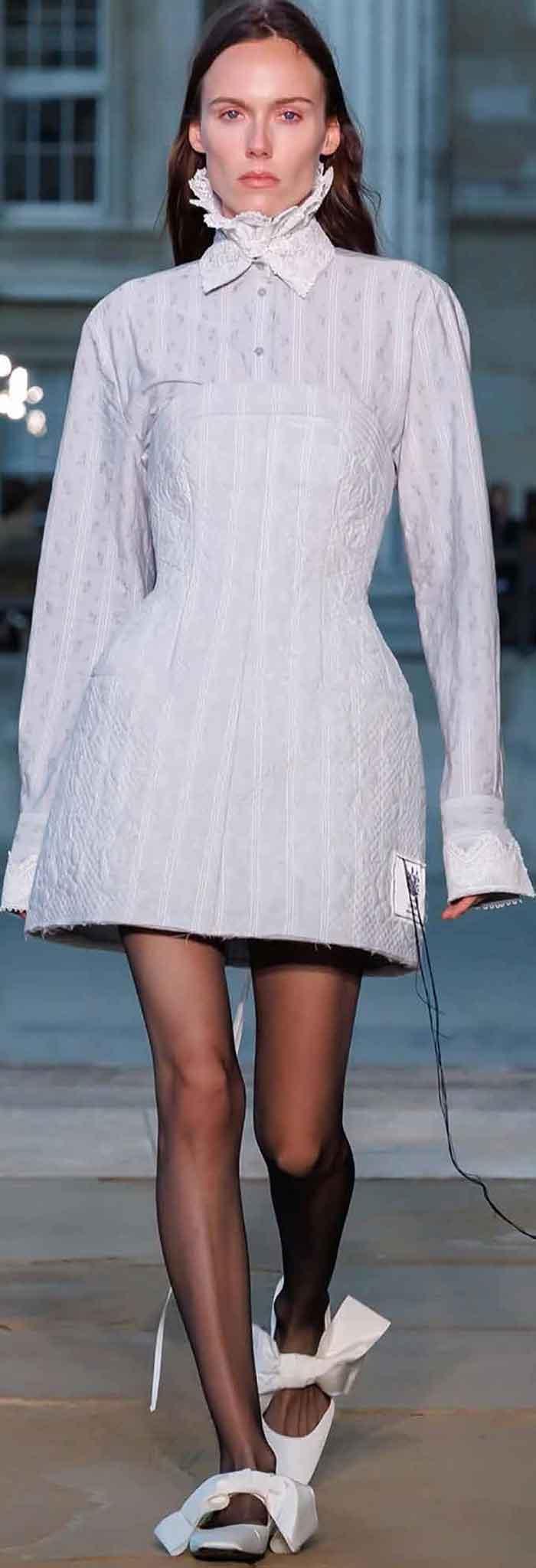
Erdem
FASHION ROOM BY ANJNA KAUR
 With the February fashion month now behind us, the industry has begun to piece together the visual language that will shape the upcoming season. From New York to London and Milan, designers presented collections that revealed a noticeable shift in mood. Structure, texture and expressive detail emerged as defining elements on the runways. While each fashion capital maintains its own distinctive identity and creative energy, several recurring themes appeared across the shows, offering a clear sense of the design directions influencing fashion right now.
Among the most prominent of these was a renewed emphasis on sculptural tailoring. Across all three cities, silhouettes appeared sharper and more architectural than in recent seasons. After several years dominated by relaxed shapes and casual dressing, the return to precise structure suggests a broader move toward clothing that feels more deliberate and thoughtfully constructed.
In New York, tailoring took on a bold and experimental character. At the show by Marc Jacobs, proportion became a central design tool. Pencil skirts were cut with striking precision, hugging the body while maintaining a strong and defined shape. Jackets and dresses followed similar principles, emphasising clean lines and structured forms that created a sense of visual drama. The silhouettes felt carefully engineered, demonstrating the designer’s continued interest in proportion and theatrical presentation. The result was a collection that felt confident, graphic and intentionally sculptural.
London designers approached tailoring with a sense of modern strength. Strong shoulders and sharply cut outerwear appeared across several collections, creating silhouettes that projected both authority and elegance. Structured coats and jackets were paired with sleek trousers and narrow skirts, producing looks that felt polished and contemporary. The emphasis on shoulders in particular added a striking dimension to many garments, reflecting London’s long-standing tradition of blending classic tailoring with progressive design ideas.
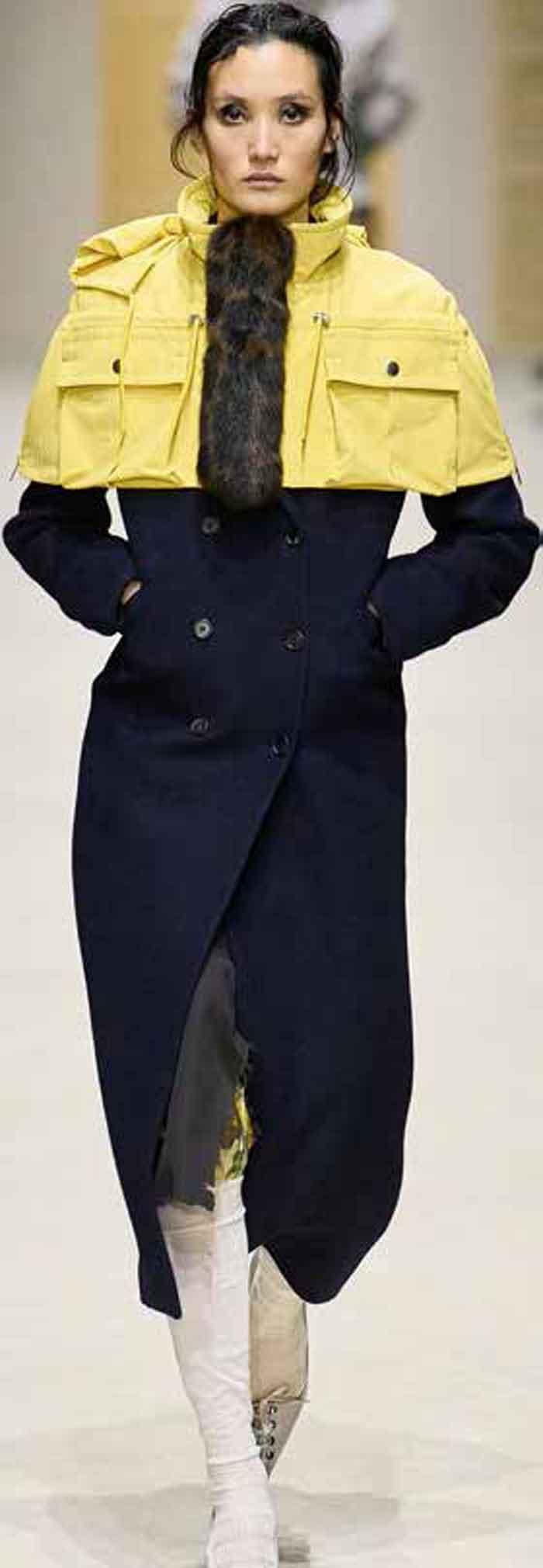
In Milan, tailoring was expressed through a more refined and subtle lens. At Prada, coats and dresses featured thoughtful structural details that revealed a quiet but sophisticated approach to design. Seams, folds and panelling were used to shape garments in ways that created architectural form while preserving elegance. The pieces maintained a classic sensibility while incorporating modern elements that felt fresh and intelligent. This balance between tradition and innovation has long been central to the house’s identity and was clearly visible in the collection.
Taken together, these collections signal a broader shift in the mood of fashion. The industry appears to be moving away from ultra relaxed dressing and toward clothing that feels more intentional and sculptural. Structure is no longer associated solely with formality. Instead, it is being used as a creative tool to explore shape, proportion and craftsmanship. The renewed focus on tailoring also reflects a growing interest in pieces that feel enduring and carefully constructed. Designers seem increasingly interested in garments that highlight the artistry of fashion design while remaining wearable and relevant. If the February runways are any indication, the coming season will be defined by silhouettes that command attention through form and precision, reaffirming the enduring power of thoughtful tailoring.
The Reinvention of Heritage Prints
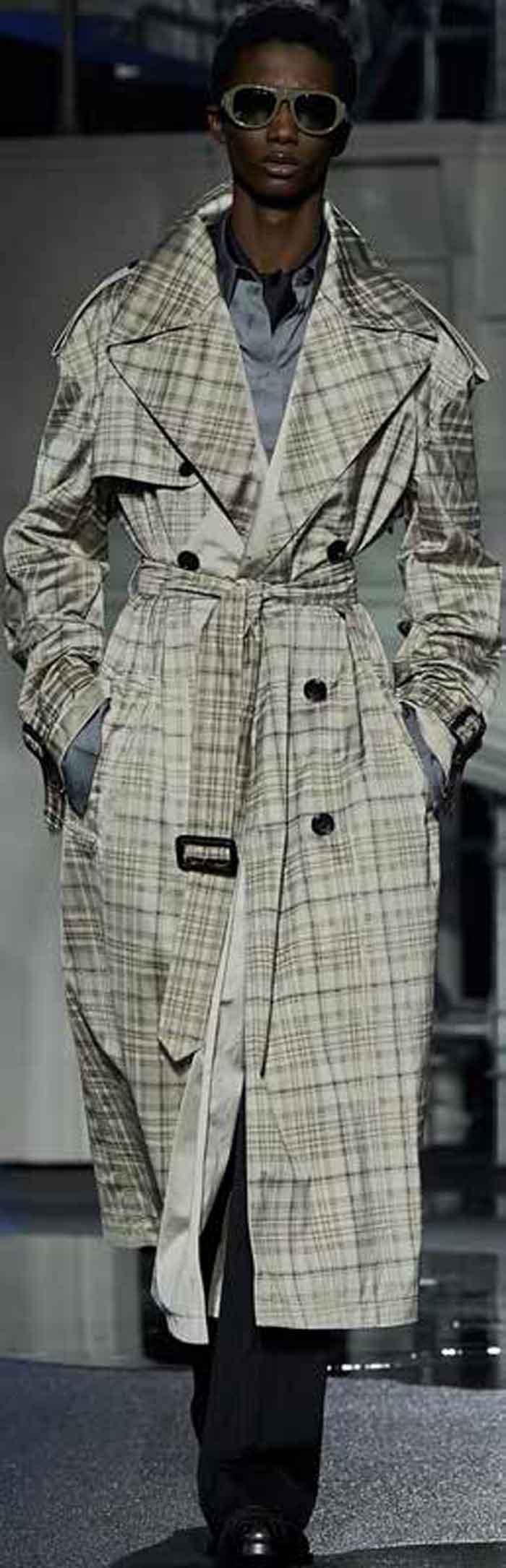
Prints made a notable return during the February shows, particularly those rooted in fashion heritage. Across the runways, designers revisited traditional patterns and reinterpreted them for a modern audience, demonstrating how historic motifs can evolve within contemporary design. In London, Burberry placed heritage prints at the centre of its collection. Classic British patterns such as tartan and checks appeared throughout the runway, reimagined through updated silhouettes and styling. Rather than simply repeating archival designs, the collection presented these familiar motifs in a way that felt current and refined. Structured coats, tailored pieces and layered looks allowed the patterns to stand out while still maintaining the brand’s longstanding identity rooted in British tradition.
Elsewhere during fashion month, designers also explored the expressive potential of print. Bold plaids appeared across several collections, often layered or combined to create visual depth and contrast. Some designers introduced subtle animal inspired motifs, while others experimented with graphic pattern combinations that brought energy and movement to their garments. The revival of prints suggests a growing interest in clothing that feels visually distinctive, and character driven. Pattern is no longer used merely as decoration. Instead, it has become an essential part of a collection’s storytelling, helping define mood, identity and creative direction on the runway.
Romanticism Returns
While structure dominated many collections, romantic detailing also emerged as a key theme. At Erdem in London, brocades, lace and ribboned gowns introduced a sense of historical romance, blending delicate craftsmanship with modern silhouettes. Across the runways, designers embraced softer fabrics, flowing shapes and intricate embellishments, creating a contrast to the season’s sharper tailoring.
Texture and Dimension
Texture also played a significant role this season. In Milan, Missoni continued its signature exploration of knitwear, presenting richly patterned fabrics and shimmering pieces woven with metallic thread. Across London and New York, collections incorporated velvet, embellishment and layered fabrics that added depth and movement to otherwise minimal silhouettes. These tactile elements suggest fashion is moving toward pieces that feel expressive and visually dynamic.
Fashion’s Confident New Direction
If there is one clear message to emerge from New York, London and Milan this season, it is a renewed sense of confidence. Across the fashion capitals, designers signalled a shift away from the era of restraint and quiet minimalism that has defined much of recent fashion. In its place came collections that embraced personality, texture and expressive design, suggesting a mood that feels both optimistic and creatively energised. Throughout the shows, clothing appeared more deliberate and visually striking. Silhouettes were sharper, materials richer and details more pronounced. Designers seemed less interested in understatement and more focused on garments that communicate identity and presence. The result was fashion that feels expressive rather than restrained, with an emphasis on individuality and bold creative direction.
In Milan, Prada demonstrated this shift through refined yet intelligent tailoring, presenting garments that balanced classic elegance with contemporary structure. The collection reflected a quiet confidence, where subtle design decisions shaped silhouettes in thoughtful and modern ways. Meanwhile in London, Burberry revisited its heritage patterns, presenting tartan and check prints in updated silhouettes that felt modern and dynamic. By reinterpreting these traditional motifs through contemporary styling, the brand reinforced its historic identity while embracing a more forward looking aesthetic. Taken together, the collections presented across the three cities point toward a season defined by bold ideas and strong visual language. Fashion appears ready to celebrate individuality once again, with designers embracing creativity and character. If the February runways are any indication, the coming year in fashion will be vibrant, expressive and far from understated.
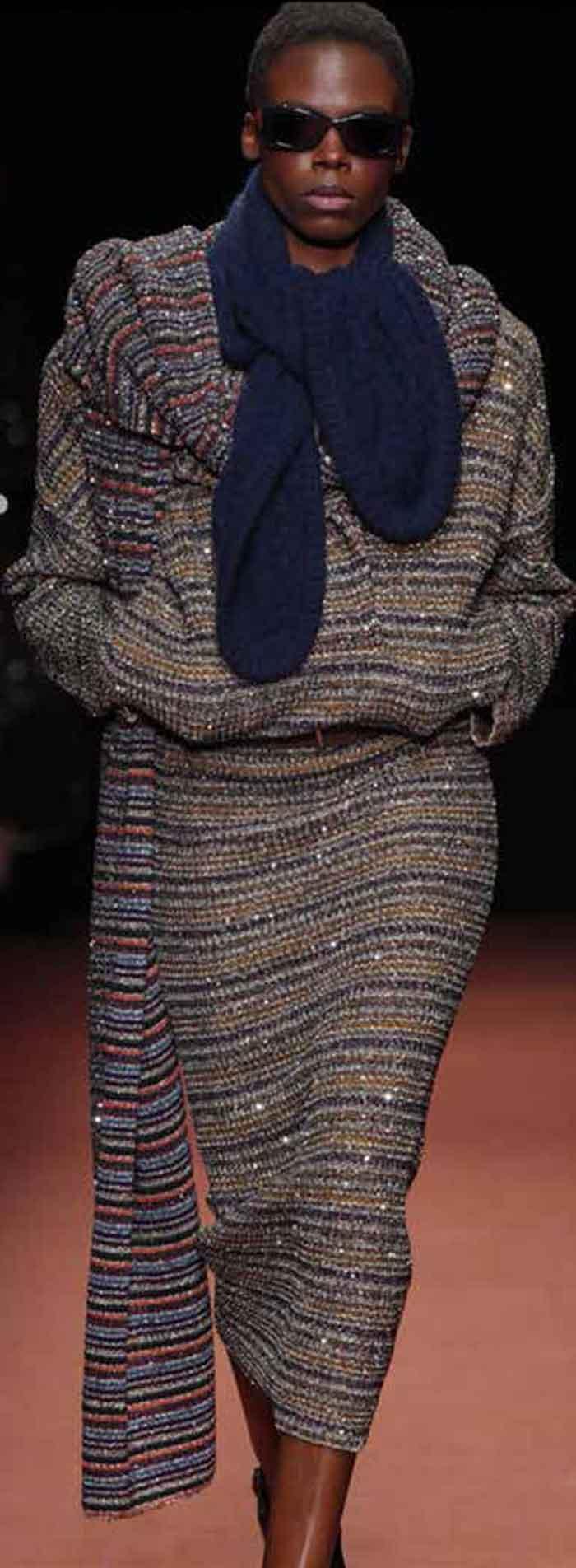
Missoni
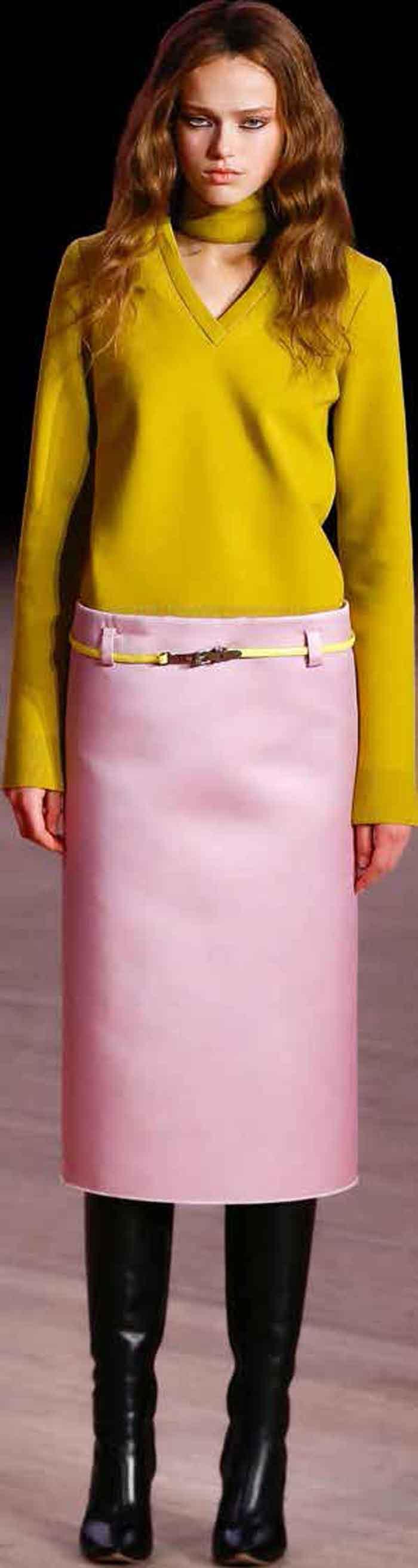
Marc Jacobs
Prada
Burberry