The Friendship Recession: Why It’s Harder Than Ever to Make Real Friends
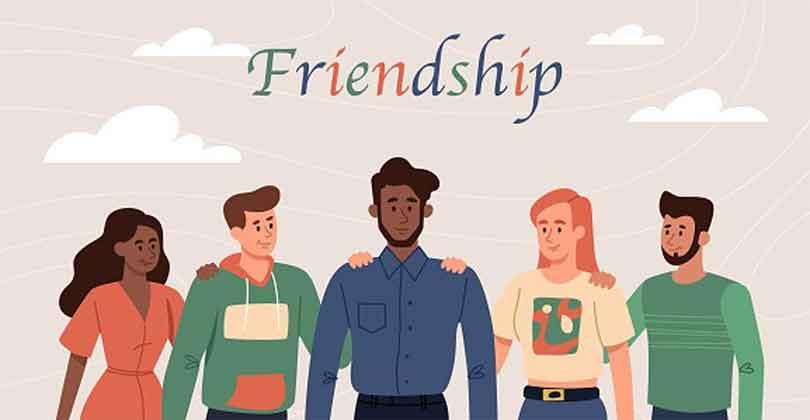
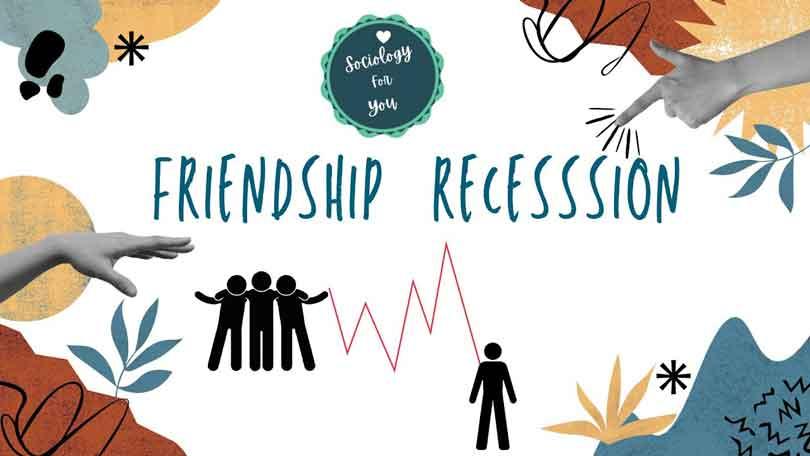
There was a time when making friends felt effortless. You met people in classrooms, at tuition classes, in your neighborhood, at university orientation, or even standing in line somewhere. Conversations happened naturally. Plans were spontaneous. Friendships grew without overthinking. But somewhere along the way, something shifted. Today, many young adults quietly admit the same thing: making real friends feels harder than ever. Not social media friends. Not people you occasionally reply to. Real friends. The kind you can call at 2 a.m. The kind who knows what you’re going through without a long explanation. Some are calling it a “friendship recession” and it’s hitting young people the hardest.
Connected, But Somehow Alone
We are living in the most digitally connected era in history. We have group chats, Instagram stories, Snapchat streaks, online gaming communities, and endless ways to message someone instantly. Yet loneliness is rising globally. The World Health Organization has repeatedly warned that social isolation is becoming a serious public health concern, especially among younger generations. It sounds contradictory, how can we be constantly connected and still feel alone? The answer may lie in the difference between access and depth. Scrolling through updates and reacting with emojis is not the same as sitting across from someone and having a real conversation. Online interaction often gives the illusion of closeness without the emotional safety that true friendship requires. You can know what someone ate for dinner and still not know how they’re actually feeling.
The Comparison Trap
Social media also creates a subtle pressure. Everyone seems to be part of a tight-knit group. Birthday surprises look cinematic. Friend groups travel together, match outfits, celebrate every milestone. When you’re at home on a Friday night, scrolling through that highlight reel can make you question your own social life.
- “Am I the only one who feels left out?”
That silent comparison can stop people from reaching out. Instead of sending a message, they assume everyone else is already busy or already has their circle. The truth? Many of those people are feeling the same way.
Busyness Is the New Normal
Another major factor is lifestyle pressure. Young adults today are balancing studies, career ambitions, side hustles, financial stress, and family expectations. Free time is limited, and friendships require time. In school, you saw your friends every day without planning it. As adults, maintaining friendships takes intention. You have to schedule the call. Plan the meetup. Send the first message.
If nobody does, weeks quietly turn into months. It’s not always a dramatic fallout. Sometimes friendships simply fade because life becomes overwhelming.
Moving Away From Community
Modern life is more mobile than ever. People move cities for university, relocate for work, or migrate abroad chasing opportunities. While growth and independence are exciting, they often come at a cost distance from support systems. Being the “new person” in a new environment can feel isolating. Making friends outside structured spaces like school can feel intimidating. There’s no built-in icebreaker. You start to realize how much effort real connection actually takes.
Fear of Rejection
There’s also a vulnerability factor. As we grow older, rejection feels heavier. If someone doesn’t reply, it can feel personal. If plans get cancelled, it can feel like you’re not a priority. In your twenties and thirties, people are more protective of their time and energy. They are also more cautious about who they let into their inner circle. Ironically, while dating apps have normalized looking for romantic connections, openly saying “I’m looking for new friends” still feels awkward to many. But the need for connection hasn’t disappeared.
The Health Impact No One Talks About
Loneliness isn’t just emotional it affects the body too. Long-term isolation can increase stress levels, disrupt sleep, and impact mental well-being. Persistent loneliness has been linked to anxiety, depression, and lower overall life satisfaction. The American Psychological Association has highlighted how strong social connections play a major role in emotional resilience and stress management. In simple terms: friendships are not just “nice to have.” They are essential.
So, What’s the Solution?
The answer may not be dramatic. It might be small and intentional.
- Sending that message first.
- Joining a class or hobby group.
- Saying yes to an invitation, even when it feels easier to stay home.
- Limiting passive scrolling that fuels comparison.
- Being honest about feeling lonely instead of pretending everything is fine.
Friendship today may require more courage than before. It may require vulnerability. It may require effort. But it’s still possible. And perhaps the biggest realization of all is this: if you feel like you’re struggling to make real friends, you are not alone. In a world full of followers, likes, and group chats, what many young adults are truly searching for is something far simpler one genuine connection, built on presence, trust, and showing up. Because trends change. Platforms evolve. Algorithms update. But the human need for friendship remains the same.