Deborah Dissanayake: Navigating Leadership in Logistics with Passion and Resilience
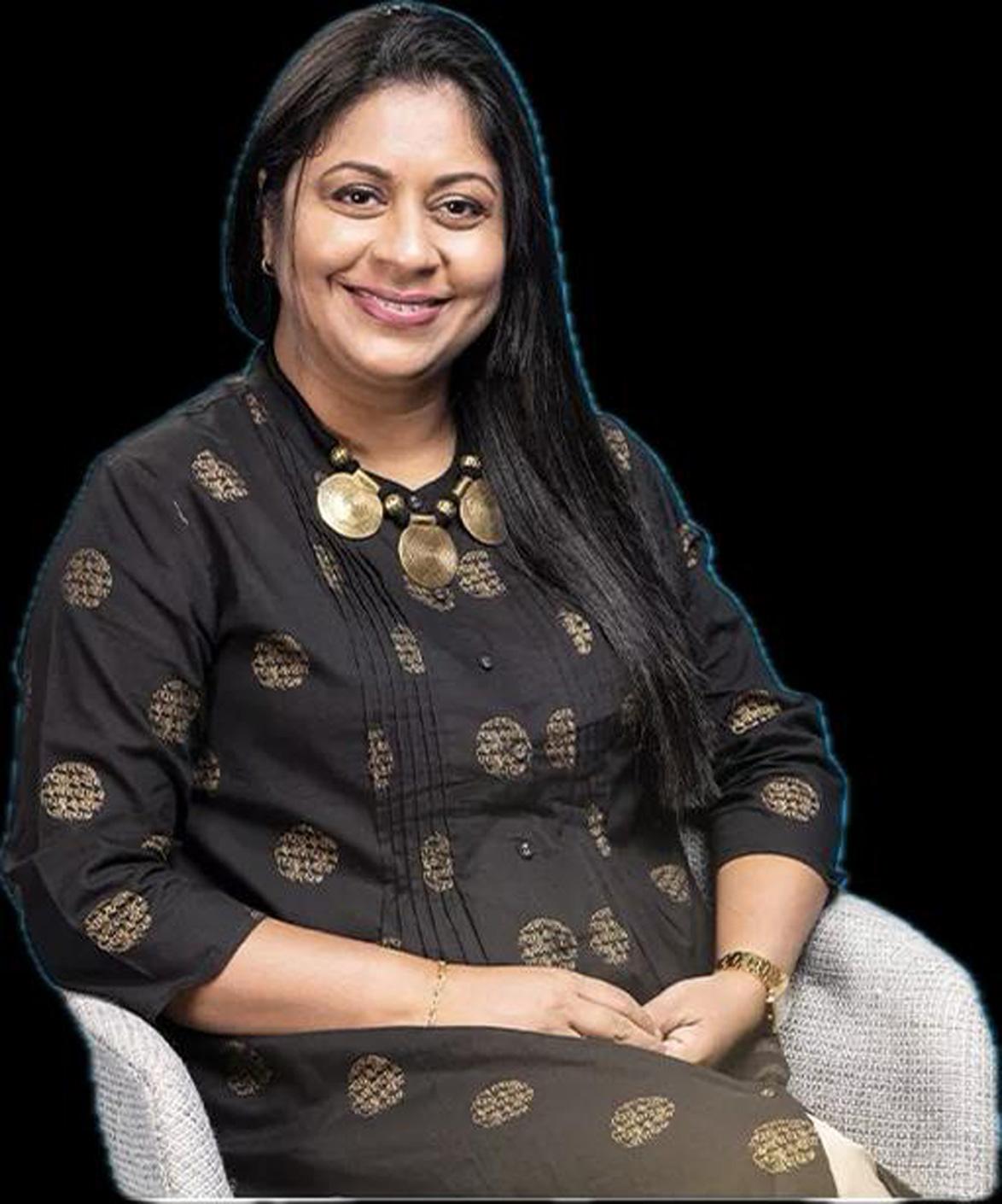

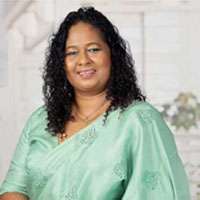
For more than twenty-five years, Deborah “Debbie” Dissanayake has built an impressive career in an industry that was once widely considered male dominated. Today, she serves as the General Manager for Sales and Customer Service at Expolanka Freight Pvt Ltd, playing a key role in shaping sales strategies, strengthening global partnerships, and driving innovation within the company. Her journey into logistics, however, was not carefully planned. What began almost by chance after completing her Advanced Level examinations gradually evolved into a lifelong career built on passion, determination, and continuous growth. Over the years, Debbie has navigated leadership challenges, international responsibilities, and the evolving dynamics of global logistics while balancing personal commitments and embracing new opportunities. In this conversation, she reflects on her journey, the lessons she has learned along the way, and her advice for the next generation of women aspiring to build careers in logistics and global trade.
Your journey in the freight and logistics industry spans over twenty-five years. What first inspired you to enter this field, and what kept you motivated to stay and grow in it?
To be honest, I did not initially plan to enter the logistics industry. At the time, it had limited exposure and was largely considered a male dominated field. After completing my Advanced Levels, I enrolled in an MBA programme at the Open University of Sri Jayewardenepura in 1999. A classmate who worked at a logistics company encouraged me to apply for a job. I was reluctant at first, but she prepared my CV and submitted it. I was soon called for an interview, selected immediately, and asked to start the next day. Over time, I developed a genuine passion for the industry, which has kept me motivated throughout my career.
Logistics and freight forwarding have traditionally been male dominated sectors. What challenges did you face as a woman entering and rising in this industry, and how did you overcome them?
When I entered the industry in 1999, it was indeed largely male dominated and there was limited exposure to the sector. Interestingly, during my early years I did not strongly feel a gender barrier within the workplace. Men and women generally worked together in harmony. However, when I reflect on those years now, I realize that one important lesson I learned very early was the importance of maintaining confidence and resilience. As a woman, it was important to keep my head high and avoid showing weakness when facing challenges. Developing that mindset helped me handle obstacles and maintain professionalism in difficult situations. While the industry has evolved significantly since then, I cannot say that gender bias has completely disappeared even today. However, with greater awareness, education, and leadership opportunities, women now have far more space to prove their capabilities and make meaningful contributions in the field.
Today you hold a senior leadership role and have contributed significantly to sales strategy, innovation, and international partnerships. What would you say has been the most defining moment in your professional journey?
For me, every situation can become a defining moment depending on how you address it. If a challenge is handled inappropriately or without proper strategy, it can create significant problems. One particular moment that stands out in my career was when I was asked to take over the sales team. Before that point, my work had been largely focused on strategic development, and I was operating in a relatively comfortable environment where I could independently achieve my targets and goals. Leading the sales team was a completely different experience. It required me to step into a leadership role that demanded strong direction, discipline, and the ability to motivate others. As a woman leading a large sales function, it was particularly important to demonstrate professionalism, confidence, and effective decision making. Looking back, I believe that transition was a crucial stage in my career development. It pushed me out of my comfort zone and helped me grow into a stronger leader.
You are currently managing key functions remotely from Australia while consulting for the company. How has working across borders shaped your leadership perspective and approach to business?
Working remotely from Australia has actually become an opportunity rather than a challenge. I have always believed that every situation can be turned into something positive if you approach it with the right mindset. Distance and time zones may appear to be obstacles, but they can be managed with commitment and proper planning. For example, I often work extended hours in order to accommodate the time difference and remain closely connected with my team and responsibilities. Commitment is the key factor. When you remain committed to your work and responsibilities, you naturally find ways to bridge any gaps that may arise. Technology has also made it much easier to collaborate across borders, making remote leadership more practical than ever before. Ultimately, working internationally has strengthened my adaptability and broadened my perspective on global business operations.
As a woman with a demanding career, how have you balanced the responsibilities of marriage and professional leadership?
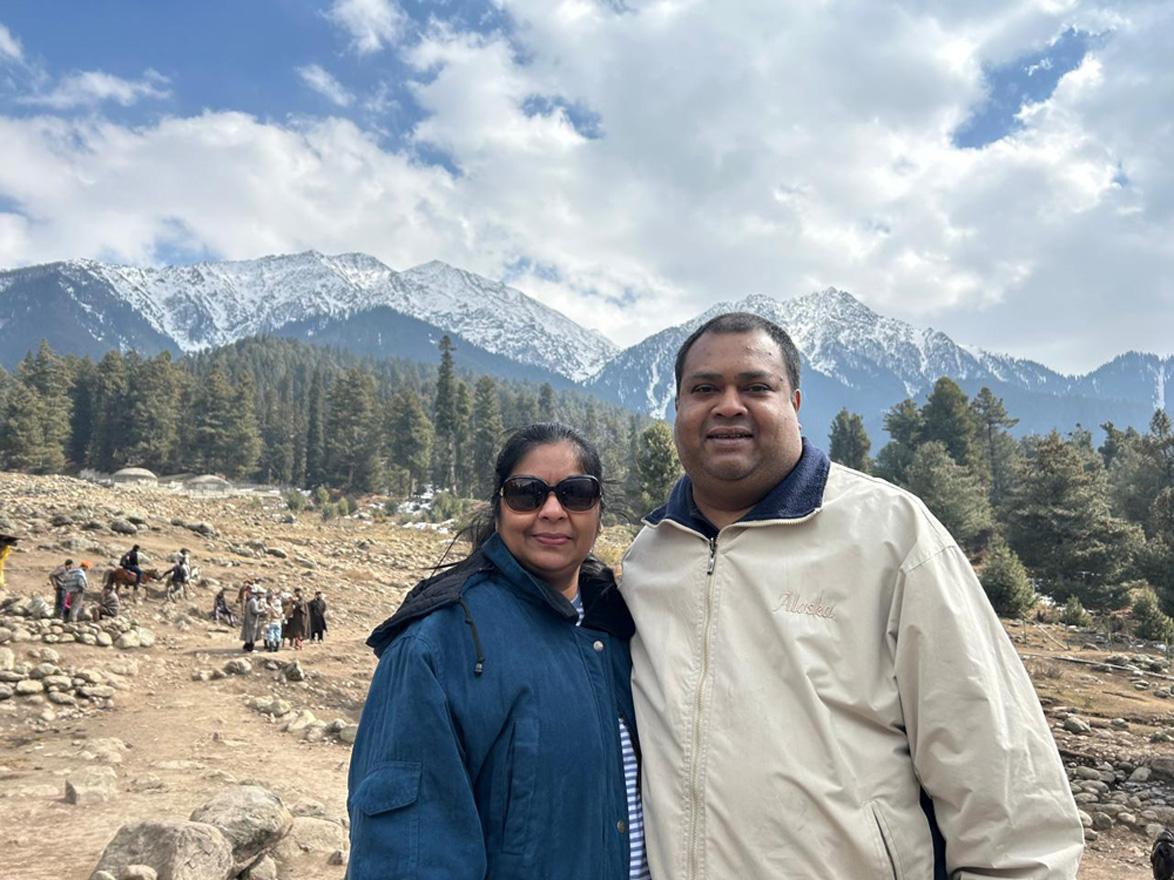
I have been fortunate to receive a great deal of support from my husband, who has always admired and supported my professional journey. He has witnessed my growth from the early stages of my career and understands the dedication required to progress in this industry. Interestingly, through observing my work over the years, he has become quite knowledgeable about logistics himself. In fact, I sometimes joke that he has become a better logistician than I am. We do not have children, which has given us the flexibility to travel together during my official work trips. In fact, I have never travelled alone on business trips so far. That said, balancing personal and professional life is not always easy. There are times when I realize that the balance is not perfect, and I have to consciously remind myself to pause. My passion and commitment to work are strong, but learning to press the pause button occasionally helps me maintain a healthier balance.
Many young women worry that pursuing ambitious careers may affect their family life. From your experience, what message would you share with women who aspire to grow professionally while nurturing a fulfilling family life?
It is important to acknowledge that ambitious careers can have an impact on family life. However, this does not mean that the two cannot coexist successfully. The key is communication and understanding between partners. Both individuals should clearly understand the nature of each other’s careers and the responsibilities involved. Open discussions, proper prioritization, and shared responsibilities at home are essential. Having a support system also makes a significant difference, especially for families with children. When responsibilities are shared and managed together, it becomes much easier to balance professional ambitions with family commitments. Women should not see career ambition as a barrier to family life. Instead, they should approach the challenges with a positive mindset and focus on finding solutions rather than dwelling on difficulties. Women are incredibly resilient, and with the right support systems they can achieve both personal and professional fulfilment.
As a leader, how important is it to create a respectful and inclusive workplace where all genders can work together with equality and dignity?
Creating a respectful and inclusive workplace is extremely important. Such an environment does not develop automatically; it requires deliberate effort and commitment from leadership. The responsibility begins with top management. When leaders actively promote a culture of equality, respect, and professionalism, it sets the tone for the entire organization. Employees are more likely to adopt these values when they see them consistently demonstrated by senior leadership. However, building an inclusive culture is not a one-time effort. It must be a continuous process that involves awareness, communication, and reinforcement of values across the organization. When done correctly, it creates a workplace where everyone feels respected and empowered to contribute.
Beyond your professional life, you enjoy exploring cultures and adventurous experiences around the world. How have these experiences shaped your perspective on leadership and life?
Travel and cultural exploration have had a significant influence on both my personal and professional outlook. When visiting different countries, I often observe various aspects of business culture such as discipline, innovation, customer service, and operational efficiency. These observations inspire new ideas that I can apply in my own professional environment. On a personal level, travel has taught me an important lesson about time. Life is short, and we should not postpone experiences that bring us joy and fulfilment. I feel fortunate to have had the opportunity to explore many parts of the world earlier in life. In fact, my travel bucket list is almost complete, with only a few destinations remaining. One important principle I have learned along the way is that moderation is essential in everything we do. Balance is the key to enjoying both life and work.
Having spent decades in the logistics and supply chain industry, how do you view the growing presence of women in this sector?
The presence of women in logistics and supply chain management has grown significantly over the years, and it is encouraging to see this progress. Many professional associations, industry organizations, and forums are now actively promoting gender diversity and creating platforms for women to develop their careers within the industry. These initiatives have helped increase awareness and opportunities for women in logistics. Another important development is the growth of specialized education and training programmes related to supply chain management and logistics. These educational pathways provide young professionals with the knowledge and skills required to enter the industry with confidence. Overall, the industry today offers far more opportunities for women than it did when I first began my career.
Looking ahead, what advice would you give to young women who wish to build a strong career in logistics, supply chain management, and global trade?
My first piece of advice would be to adjust expectations about career progression. Many young professionals today expect to climb the career ladder very quickly. While ambition is important, unrealistic expectations can sometimes damage long term career growth. It is essential to first become strong and knowledgeable in your current role. Develop a deep understanding of your work and continuously expand your capabilities beyond the boundaries of your job description. Building a successful career also requires passion, honesty, and commitment. When you consistently add value to your organization and perform your responsibilities with integrity, you naturally build your own professional brand. Ultimately, success in this industry comes from dedication, continuous learning, and the willingness to grow beyond your comfort zone.