Avantika Bakshi: Building Global Connections Through Music, Culture and Community.
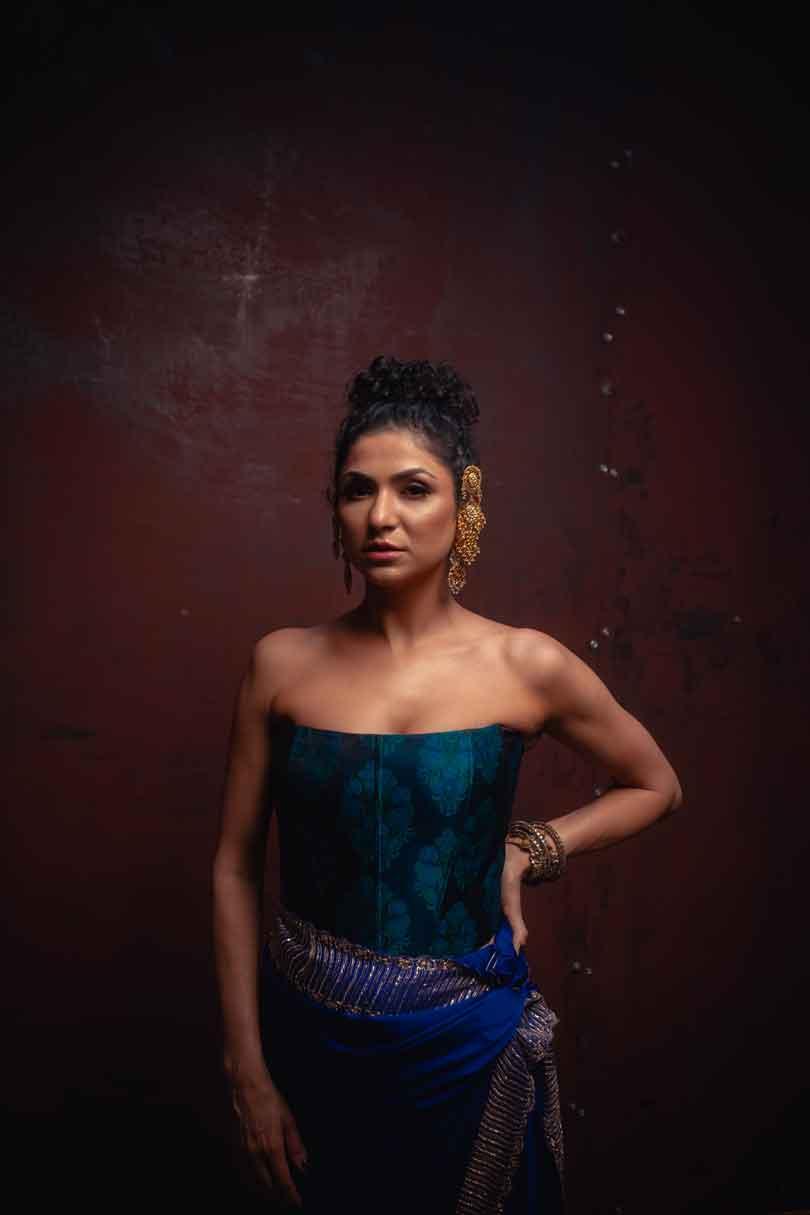
 Few artists embody the intersection of music, culture, entrepreneurship and spirituality as naturally as Avantika Bakshi. Over the past decade, the Indian DJ, producer, vocalist and cultural curator has carved out a distinctive space within the global electronic music landscape, blending house music with influences drawn from Indian classical traditions, Afro rhythms, Latin grooves and sounds gathered from her travels around the world. What makes her story particularly compelling is that it extends far beyond music. From growing up in an entrepreneurial household in India to becoming one of the country's pioneering female electronic music artists, Bakshi has consistently challenged convention while remaining deeply connected to her roots. Today, she performs internationally, speaks on global platforms, builds communities through initiatives such as ADBC Live and Avantika & Amigos, and advocates for greater representation within the industry. In this conversation, she reflects on the experiences, influences and philosophies that have shaped her journey and her vision for the future.
You were born in India. Can you tell us a little about your childhood and the environment you grew up in?
I often describe my childhood as wonderfully chaotic. Our home was always alive with energy. We had dogs, rabbits, turtles, birds and all sorts of animals, so there was never a quiet moment. Combined with the fact that my father lived in a household with my mother, my two sisters and me, there was always conversation, laughter and movement. Yet beneath all that activity was a strong sense of purpose. My parents are self-made entrepreneurs who built a successful business across North and East India at a time when entrepreneurship was far more difficult than it is today. They faced uncertainty, setbacks and countless challenges, but they approached everything with determination and faith. What they gave me was not just encouragement. They gave me an example. I grew up watching people who believed deeply in hard work, resilience and the importance of trusting yourself even when circumstances seem impossible. Looking back, I think that is probably the greatest gift they ever gave me. Every major decision I have made in life has been influenced by those lessons.
Was music a big part of your upbringing, or was it something you discovered later in life?
Music was present from the very beginning. My parents had an incredible record collection filled with artists such as Elvis Presley, The Beatles, The Eagles, Dire Straits, Marvin Gaye, Bruce Springsteen and Madonna. Alongside those records were iconic Bollywood soundtracks that became the soundtrack of our family life. At the same time, I was formally studying Indian classical vocal music at Gandharv Mahavidyalaya in Delhi. I was also singing in my school choir, so music was constantly surrounding me from different directions. As I grew older, another influence emerged. I became fascinated by rock music and eventually fronted my school band for several years. We performed everything from Evanescence and Rage Against the Machine to original compositions. Those experiences were incredibly formative because they taught me how to perform, how to communicate with an audience and how to trust myself on stage. Later, when I attended Babson College in Boston, I was exposed to global club culture for the first time. Suddenly I was discovering house music, Latin sounds, Middle Eastern influences and genres from around the world.
At the same time, I was producing large cultural events on campus. Looking back, those parallel experiences were crucial because they brought together my interests in music, community and cultural expression. Today, when people ask me what shaped my sound, I often say that house music is the pulse, but everything else is what makes it uniquely mine. My background in Indian classical music, choir, rock bands and global dance culture all continue to influence the way I create and perform.
Do you remember the moment when you realised music could become more than just a hobby?
I studied business because I genuinely love entrepreneurship. I enjoy building ideas, creating systems and bringing concepts to life. However, there was always a part of me that knew music was more than an interest. What became clear over time was that I did not have to choose one path over the other. Business and music have never felt contradictory to me. Business school taught me how to think strategically, manage risk and transform creative ideas into sustainable ventures. Music gave me purpose and creative fulfilment. Eventually I realised that my goal was not simply to perform. I wanted to build something larger than myself. I wanted to create experiences, communities and platforms that could have a lasting impact. Once I understood that, everything started to make sense.
Did you receive formal musical training, or are you largely self-taught?
My foundation is very structured. I studied Indian classical vocal music for six to seven years at Gandharv Mahavidyalaya in New Delhi while also singing daily as part of my school choir. One of the people who had a profound impact on me was my choir teacher, Sandra Banerjee. She embodied independence, creativity and fearlessness. She encouraged us to express ourselves fully while maintaining discipline and commitment to our craft. The self-taught aspect of my journey came later. Through my experiences in rock bands, I learned how to collaborate, write songs, perform live and develop my own voice. Those years were invaluable because they allowed me to move beyond technical training and discover who I was as an artist.
How did your education shape your creative path? Were you always drawn to the arts?
I cannot remember a time when I was not drawn to creative expression. Whether it was music, dance or visual art, creativity always felt natural to me. I trained in Bharatanatyam during my early years, which taught me discipline, rhythm and storytelling. But education for me was never confined to classrooms. It also came from travelling, visiting museums, attending art fairs and immersing myself in creative environments. Over time, what began as curiosity evolved into a conscious practice. Today, I engage with creativity in many forms. Sometimes that means creating music. Sometimes it means collecting art. Sometimes it means curating experiences that bring together artists, audiences and communities.
Your connection to art seems to go beyond practice. Is there a deeper personal or spiritual root to it?
Very much so. My grandmother's experience during the Partition of India shaped our family's relationship with spirituality in a profound way. After enduring displacement and loss, she turned to Indian philosophy and scripture, particularly the Bhagavad Gita, as a source of grounding and meaning. My mother carried those teachings forward.

As a child, I attended Gita classes, and for more than a decade I have continued studying the text with Swami Prabhudananda. That education has influenced how I experience the world. Creativity, for me, is not simply about expression. It is about perception. It is about developing the ability to observe, feel and understand life more deeply. Music often manifests visually for me. I hear sounds and associate them with colours, textures and emotions. Spiritual study helped me understand that sensitivity and taught me how to channel it productively. For me, music and spirituality are not separate. They are different pathways leading toward the same destination, which is deeper connection and awareness.
When did you first start experimenting with music production and electronic sound?
My first experiments with music production began during college around 2007. At the time, I was curious about how music was actually made. I had spent years singing, performing and studying music, but production felt like an entirely different universe. It was technical, complex and, in many ways, intimidating. The real turning point came in 2014 when I attended Dubspot in New York City. Getting there was not easy. I had to research programmes, find funding and convince my family that this was a worthwhile pursuit. Looking back, that process was as important as the education itself because it taught me commitment. When you work hard to create an opportunity, you show up differently. The moment I entered that environment, something clicked. I realised this was not simply an interest or hobby. It was something I wanted to dedicate myself to seriously. Being surrounded by people who lived and breathed electronic music expanded my perspective. It showed me that music production could become both a profession and a lifelong creative practice.
How did you first step into the world of DJing and electronic music?
The fascination started long before I ever touched a set of decks. As a teenager in Delhi, I would occasionally sneak out to attend underground parties, private gatherings and events taking place in unusual locations. There was something incredibly captivating about watching a DJ control the energy of an entire room. It felt like a form of magic. I remember spending time at venues such as Agni at The Park Hotel and being completely mesmerised by what was happening. Music had the power to transform strangers into a collective experience. Everyone was connected by rhythm, movement and emotion. One memory that stayed with me for years was seeing an Indian DJ perform at an abandoned railway station in Florence. The image was unforgettable. It showed me how music could interact with architecture, history and atmosphere to create something extraordinary. Later, Boston introduced me to a more sophisticated club culture, while New York deepened my understanding of what electronic music could be. Places like Output in Brooklyn had a huge impact on me because the focus was entirely on the music. There were no distractions. The dance floor was sacred. Around the same period, artists such as Disclosure and Kaytranada opened up new creative possibilities in my mind. Their work showed me how electronic music could be innovative, soulful and deeply emotional at the same time.
What were some of the biggest challenges you faced as a woman entering the DJ industry?
When I entered the industry in 2014, there were very few female DJs in India. The ecosystem was still developing, and there was very little representation. There was no roadmap, no obvious mentor and very few examples of women building long term careers in electronic music. Safety was always a consideration. Late nights, travel and unfamiliar environments required constant awareness and preparation.
Beyond the professional challenges, there were also cultural realities to navigate. In many Indian families, identity is closely tied to family and community. You are not simply viewed as an individual pursuing your own ambitions. You are also someone's daughter, sister or granddaughter. Trying to explain why I wanted to spend my nights performing at clubs and underground events was not always easy. At the time, it was outside traditional expectations. There was certainly pressure to conform. There were expectations about how women should present themselves and what kind of music they should play. However, I always felt very clear about who I was and what I loved. House music was my passion, and I never felt compelled to compromise that. I believe clarity is one of the most powerful tools an artist can possess. When you know who you are, external noise becomes much easier to ignore.
Your music is often described as evolutionary electronic. How would you define your sound?
The phrase evolutionary electronic resonates with me because it reflects how I approach creativity. I do not believe in standing still. At the heart of everything I do is house music. That pulse remains constant. Around it, however, are countless influences collected through travel, experience and cultural exchange. I draw inspiration from Afro rhythms, Indian melodies, tribal textures, Latin grooves and Middle Eastern sounds. Every place I visit leaves an imprint on my creative process. I am also highly responsive to context. A sunrise set beside the ocean requires a different emotional language from a late-night club performance. The environment influences the music just as much as the music influences the environment. Over the years, I have increasingly incorporated live vocals into my sets. Singing allows me to create a deeper emotional connection with audiences and transforms the performance into something more immersive. For me, evolutionary electronic is not a genre. It is simply the natural result of absorbing different cultures, experiences and emotions throughout life and allowing them to find expression through music.
Do your travels influence the sounds and textures you incorporate into your music?
Absolutely. I am extremely sensitive to my surroundings. I notice sounds, scents, colours, landscapes and energy wherever I go. Travel heightens that awareness because every destination offers a completely different sensory experience. Local sounds often find their way into my memory. Whether it is Sri Lankan baila, Italian opera, the call of birds at sunrise or the rhythm of traffic in a city, everything becomes part of my creative vocabulary. What interests me most, however, is emotion. I am fascinated by nostalgia, memory and the moments that stay with us long after they have passed. Through music, I try to recreate those feelings. I want people to dance, but I also want them to remember. I want them to reconnect with something meaningful inside themselves.

You perform regularly in Sri Lanka. What is it about the Sri Lankan audience or music scene that resonates with you?
As a solo female traveller, feeling safe is incredibly important, and Sri Lanka has always given me that sense of comfort and security. There is a calmness to the island that I find deeply appealing. The people possess a unique combination of gentleness and strength. There is warmth, openness and authenticity in the way people connect with one another. I also feel a strong cultural affinity between India and Sri Lanka. There are shared traditions, shared histories and spiritual connections that create an immediate sense of familiarity. Another important factor is the ocean. I have always felt deeply connected to water.
It represents a powerful feminine energy for me. There is something healing, transformative and humbling about being near the sea. Sri Lanka combines all of those elements. It feels both inspiring and grounding at the same time.
Can you share a memorable performance or moment from one of your shows in Sri Lanka?
There have been many memorable moments, but a few stand out. One was New Year's Eve 2025 when ADBC Live brought together four female artists for Avantika & Amigos. Seeing more than 1,500 people from around the world gathered along the coast was incredibly special. There was a sense of celebration, empowerment and community that felt genuinely unique. Another unforgettable experience was hosting my first ecstatic dance session at Senses in Midigama. The level of openness, vulnerability and connection in that room was remarkable. It reminded me that music can be a powerful vehicle for healing and transformation. On a personal level, recording a DJ set at Mirissa Beach was also deeply meaningful. I wore the same blue saree that I had worn during my debut at EXIT Festival in Serbia. At the time of that performance, I was struggling with a serious neck injury and was unable to fully enjoy the experience. Wearing that saree again in Sri Lanka while feeling healthy, present and grateful felt like a full circle moment.
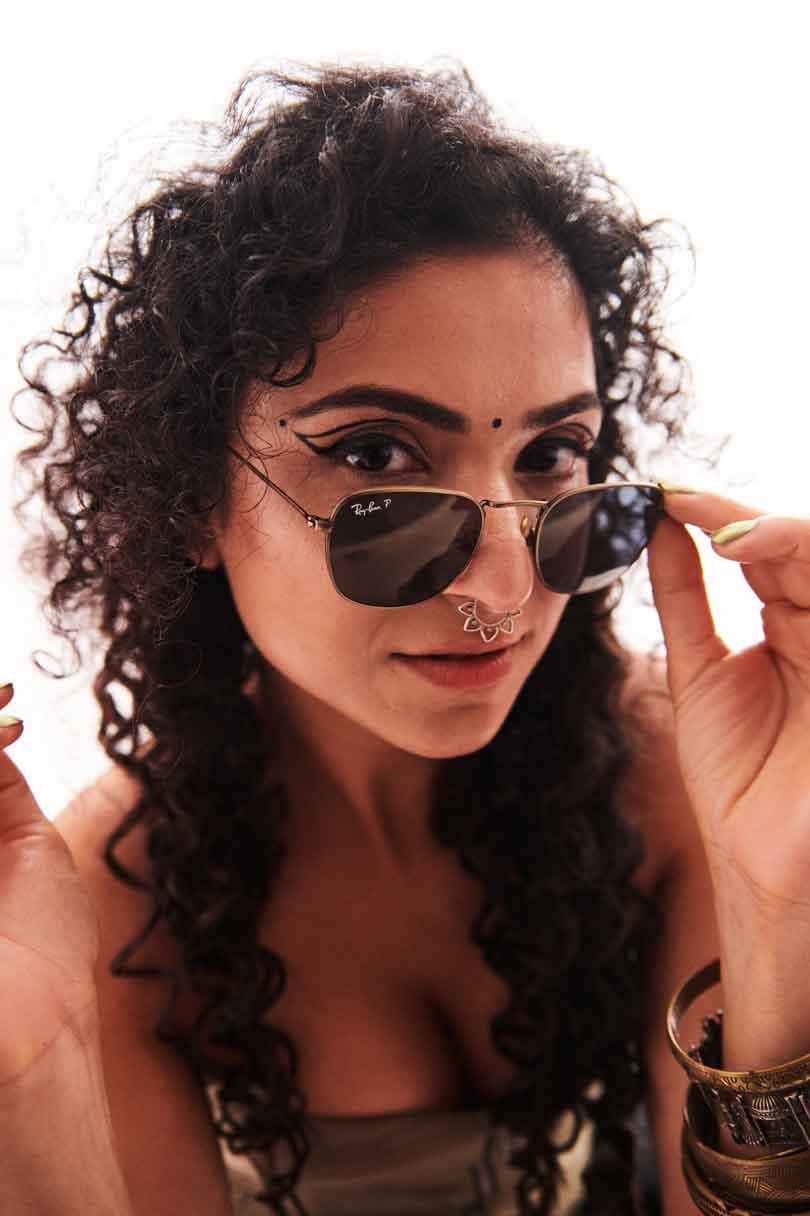
How has the global electronic music industry changed since you first started performing?
The transformation has been extraordinary. When I began, opportunities were limited, and access was difficult. The infrastructure was still developing, particularly in regions outside Europe and North America. Today, the industry is experiencing tremendous growth. Technology has democratised access to music, allowing artists to create, distribute and promote their work more easily than ever before. However, increased access also means increased competition. Standing out requires more than technical ability. It requires authenticity, identity and a clear artistic vision. One of the most encouraging developments is the growing recognition of voices from previously underrepresented regions. I recently had the opportunity to participate in discussions at the International Music Summit in Ibiza, representing South Asia and the Global South. That invitation would have been unlikely a decade ago. The fact that such conversations are happening now reflects a broader shift within the industry. There is increasing recognition that creativity thrives when diverse perspectives are included.
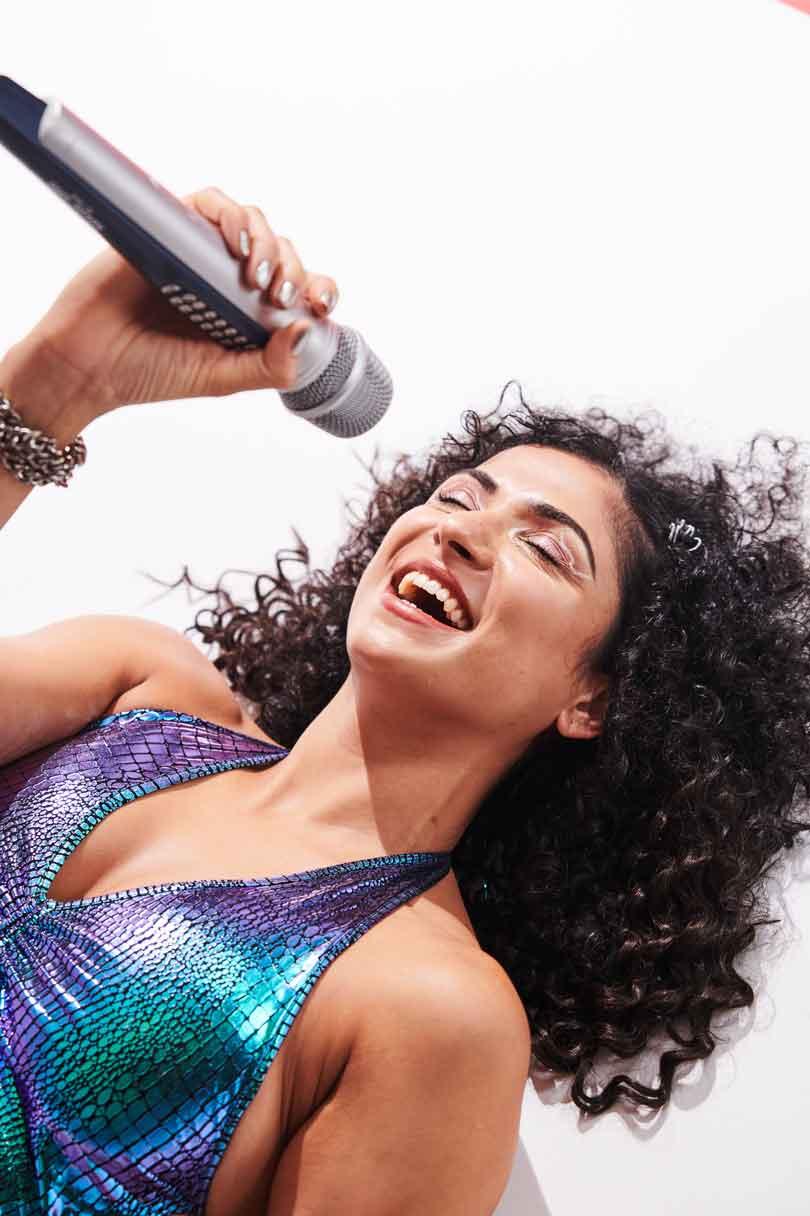
From starting out in India to now performing internationally and speaking at platforms such as the International Music Summit, how do you view your journey today?
Looking back, it feels like a natural progression, although it certainly did not feel that way while I was living it. Much of my journey involved moving forward without a clear blueprint. There were very few examples of women pursuing this path in India when I began. Many decisions had to be made based on instinct, conviction and faith. Being invited to participate in platforms such as the International Music Summit is something I value deeply because these are spaces where important conversations about the future of music are taking place. For me, representation is about more than visibility. It carries responsibility. I want to contribute perspectives shaped by my experiences in India and help create opportunities for artists from regions that have historically received less attention. If my journey can help make the path a little easier for the next generation, then that is something I am incredibly proud of.
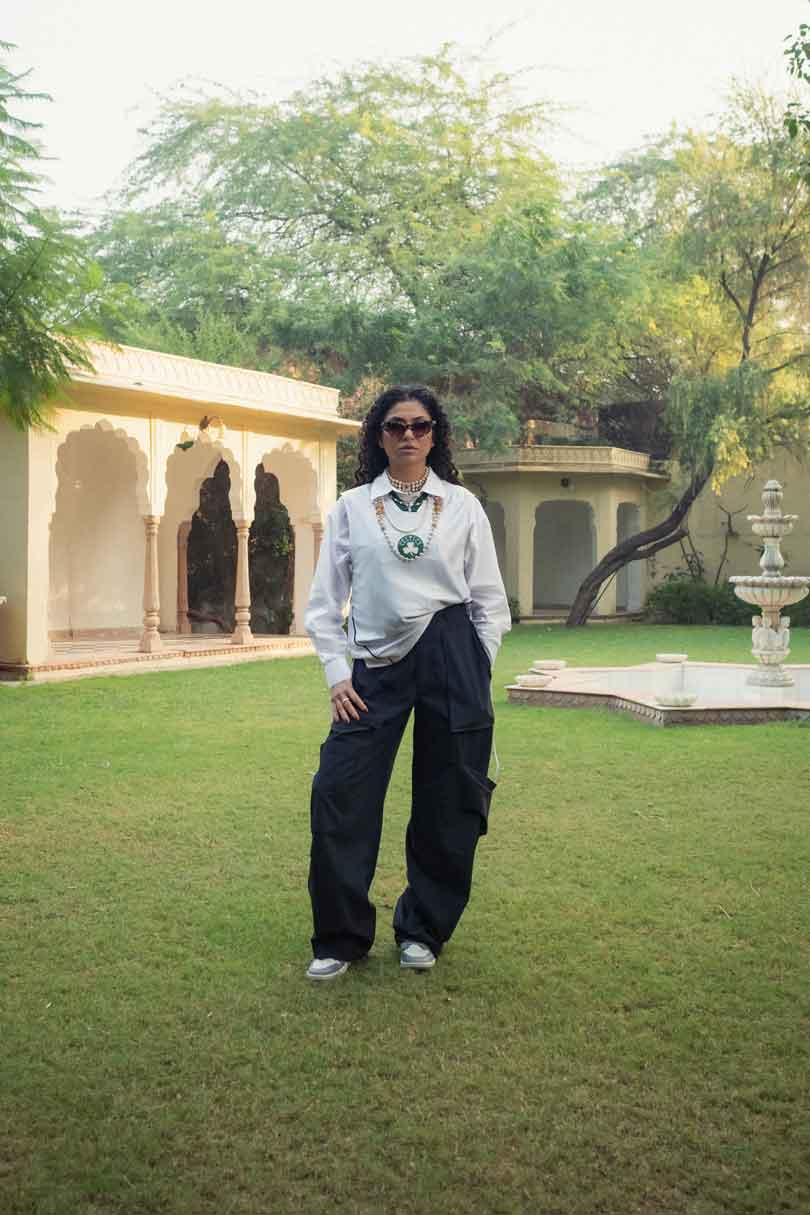
You've built ADBC Live as a platform beyond your own music. What is the vision behind it, and what can we expect from it in the future?
ADBC Live was born from a desire to create something bigger than a single performance or artist. At its core, it is a platform dedicated to artist management, curation, community building and meaningful experiences. I wanted to create spaces where music could intersect with wellness, culture, hospitality and storytelling. One of the guiding principles behind ADBC Live is collaboration. Too often, creative industries become transactional. I wanted to build ecosystems that feel supportive, inclusive and community driven. Supporting emerging talent is also an important part of the mission, particularly women. There is still significant work to be done when it comes to access, mentorship and opportunity. Looking ahead, we are focused on expanding internationally, developing more immersive experiences and continuing to create environments that bring people together in meaningful ways.
Looking five or ten years ahead, what would you most like to achieve as an artist?
More than anything, I want to create work that helps people connect with something deeper. I want my music to move people emotionally, spiritually and humanly. I want it to create moments of connection, reflection and joy. I also want to continue building spaces where people feel safe, welcomed and inspired. Spaces where music, culture, hospitality, fashion, food and storytelling come together to create meaningful experiences. A significant part of my vision involves supporting women. I would love to see more women leading within this industry and to play an active role in creating opportunities for them to do so. Ultimately, I hope to contribute to a world that feels more connected, compassionate and joyful. If my work can help create even a small part of that, I will consider it a success.