Perhaps It’s Not Time to Cut the Cord Yet: The Wired Headphone Epidemic
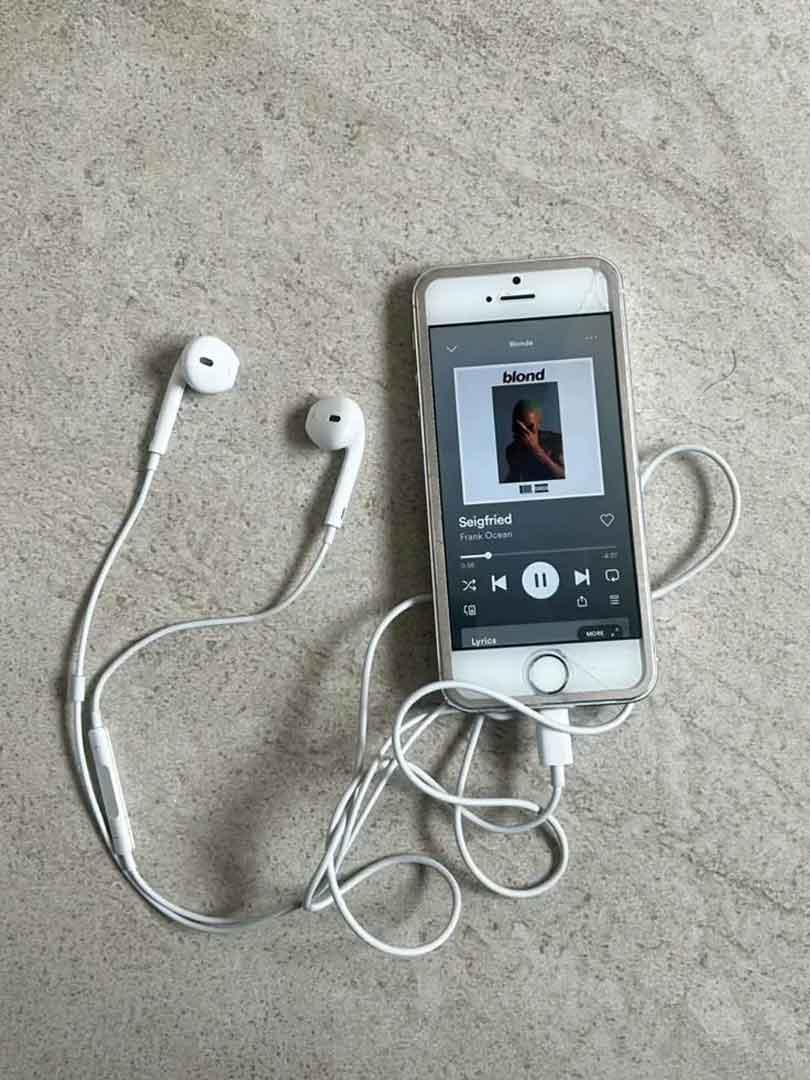
You begin to notice them everywhere.
On the bus. In coffee shops. At the gym. Walking across the road with one hand holding a phone and the other untangling a wire that somehow tied itself into three knots inside an empty pocket.
For years, wired headphones looked like something we had left behind. They belonged to old phones, school bags and a time when listening to music meant being physically attached to whatever was playing it. Then wireless headphones arrived, and the cord disappeared. Technology had moved forward, and we were expected to move with it.
For a while, we did.
We stopped untangling wires and started charging cases. We stopped plugging in and started pairing. We traded one small inconvenience for a collection of newer ones, but because they looked more modern, we called it progress.
Then, quietly, the wire returned.
At first, it seemed like another passing trend. Famous faces wore wired earphones in photographs. Fashion pages treated the dangling cord like an accessory. Soon, more people followed. What had once looked outdated became deliberate. What once suggested that you could not afford the newest thing now suggested that perhaps you did not care to own it.
That is the strange thing about trends. They rarely return exactly as they were. They come back carrying new meaning.
Wired headphones have not returned simply because people suddenly remembered that they existed. They have returned because, in a world obsessed with becoming more advanced, simplicity has started to feel almost luxurious.
There is something comforting about an object that does not ask much from you. Wired headphones do not need to be charged before leaving the house. They do not announce that their battery is dying halfway through your favourite song. They do not refuse to connect for reasons known only to themselves. You plug them in and they work.
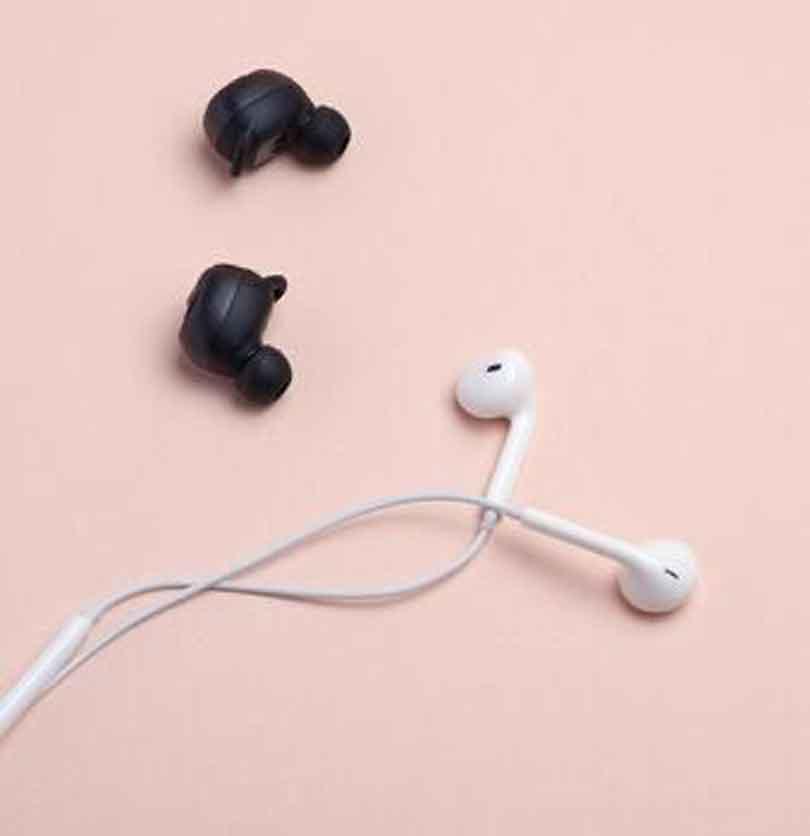
That should not feel revolutionary.
Yet somehow, it does.
Most of our technology promises to make life easier, but ease has become strangely demanding. There is always something to update, recharge, sync, accept or replace. Objects that were once complete now seem to arrive already waiting to become outdated. We own devices designed to save our time, then spend our time maintaining them.
Wired headphones interrupt that cycle in a very small way. They do not pretend to be intelligent. They do not learn our habits or speak to our other devices. They have no desire to understand us. They only carry sound from one place to another.
Maybe that is enough.
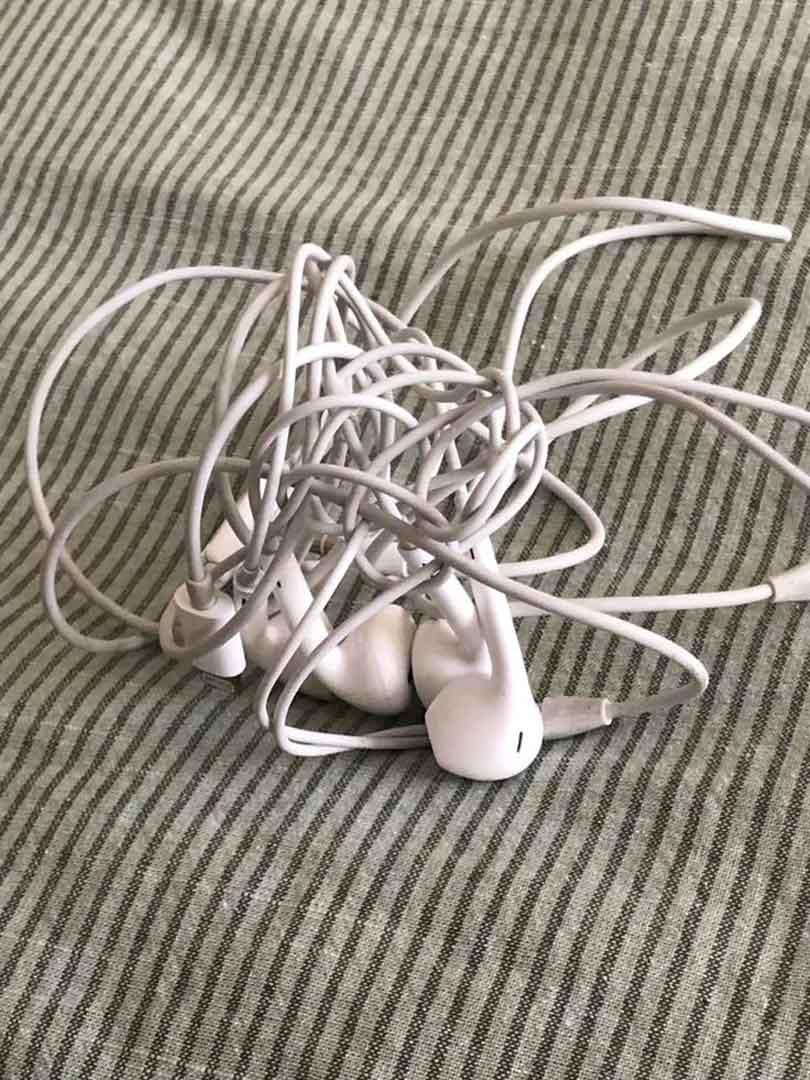
Of course, the wire itself is not peaceful. It catches on door handles and gets trapped beneath bags. It can pull an earphone from your ear with a violence that feels oddly personal. It creates knots while untouched, as if it has a private life inside your pocket.

Still, its problems are visible. When the wire is tangled, you can see the knot. When it is unplugged, you can plug it back in. There is comfort in understanding what has gone wrong.
Perhaps this is why wired headphones belong so naturally to the wider return of older, more physical things. People are taking photographs they cannot immediately edit. They are buying music they can hold. They are writing in notebooks instead of opening another app. They are returning to objects that ask them to slow down, even if only for a moment.
This does not mean everyone secretly wants to live in the past. Nostalgia is rarely a genuine desire to go backwards. Most of the time, it is a longing for how something once made us feel.
We do not miss slow technology because it was better in every way. We miss using something without being watched, measured or interrupted. We miss objects with one purpose. We miss owning things that did not constantly remind us of a newer version.
The wired headphone carries a little of that memory.
The cord makes listening feel strangely physical. You can trace the music from your ears to the device in your hand. The connection is not hidden. It hangs in front of you, slightly messy and impossible to ignore. In a world where almost everything moves invisibly through the air, the wire becomes proof that two things are connected.
It also tells the people around you something. Headphones have always created a private world in public, but wired ones make the boundary visible. It shows that you are listening without requiring you to explain what you are listening to.
For some, the appeal is practical. They are cheaper, difficult to lose one at a time and never need to be charged. For others, they simply look good. However, beneath the price and the aesthetic, there seems to be something quieter happening.
People are tired of being impressed.
We have seen technology become smaller, faster and smarter so many times that improvement no longer feels surprising. A new feature appears, everyone talks about it, and soon it becomes another ordinary expectation. We are told that convenience will free us, yet every new convenience seems to create another thing we must remember to charge.
Choosing wired headphones can therefore feel like a tiny refusal. Not a dramatic rejection of modern life, but a decision not to replace something simply because the world has labelled it old.
There is a certain confidence in that choice. It says that usefulness does not expire when fashion moves on. It says that not everything must become invisible, wireless or intelligent to remain valuable. Sometimes, the simplest version of something survives because it was never truly broken.
Even when nostalgia becomes an aesthetic, it can still reveal what people are missing.
Maybe the wired headphone epidemic is not really about sound quality, price or fashion.
Maybe it is about wanting technology to feel like a tool again instead of a relationship. Something we use without maintaining, updating or thinking about. Something that does not ask us to create an account, remember a password or surrender another small piece of our attention.
Maybe it is about wanting to see the connection.
There are so many invisible things controlling modern life: signals, systems, algorithms and expectations. We trust them because we have no real choice, even when we do not fully understand them. A wire is different. It is simple enough to follow from one end to the other.
Perhaps that is what makes it comforting.
Wired headphones will not return us to a slower world. They will not cure our dependence on technology or rescue us from the pressure to keep up. They are still connected to the same phones, playing the same songs, while the same notifications wait behind the screen.
But they offer a small reminder that moving forward does not always require leaving everything behind.
The future told us to cut the cord.
For some reason, we missed having something to hold on to.