The Cost of More: What Our Consumption Crisis Is Really Telling Us
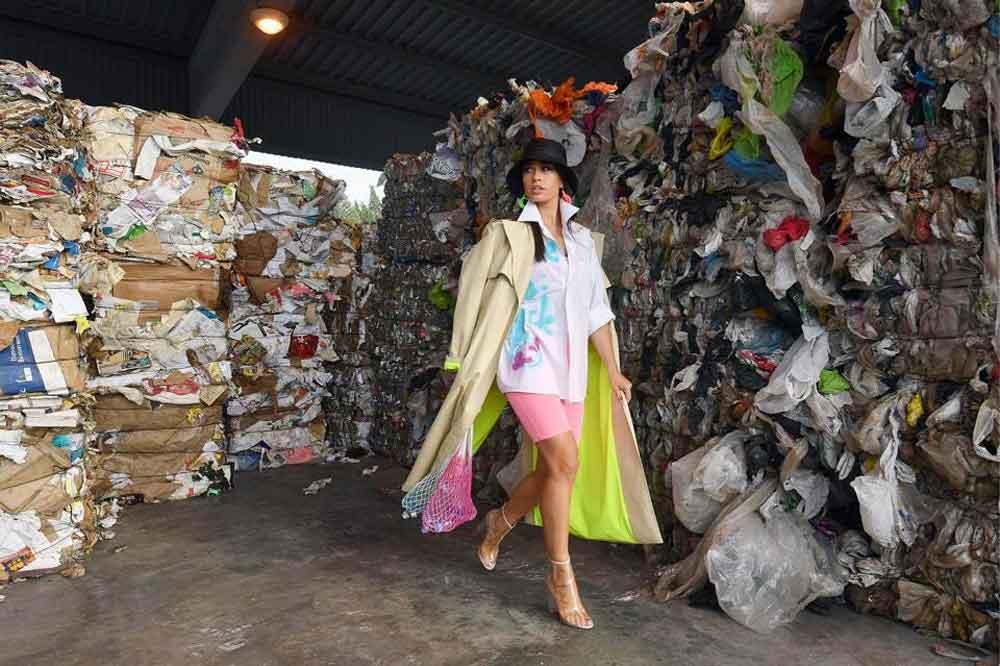
BEYOND THE SEAMS BY SHRI AMARASINGHE
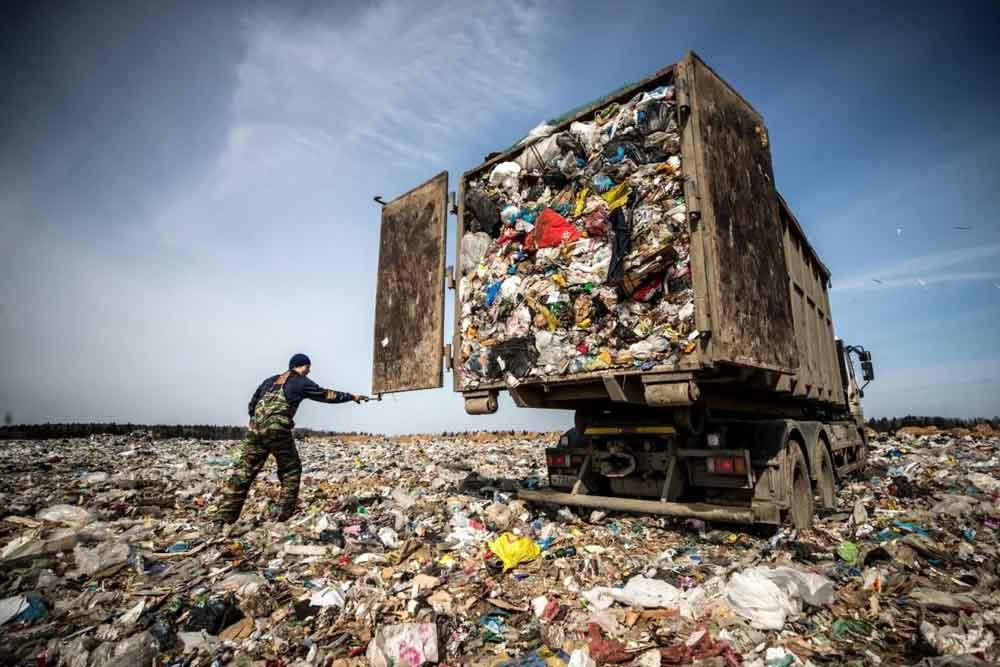
From 2016 to 2021, humanity consumed more than 75% of what it used across the entire 20th century. It is a statistic that stops you mid-scroll, not because it is shocking in isolation, but because it quietly confirms what many of us already feel: we are living in an age of excess that no longer makes sense. The image that accompanies this claim is equally telling. A landfill stretches across the frame, overflowing with discarded materials, while birds circle above, scavenging through layers of what was once new, desirable, and necessary. It is not just waste; it is a visual record of human behaviour, of choices made, systems built, and priorities misplaced.
The Acceleration of Consumption
This is not simply about how much we consume. It is about how quickly we move through things, how easily we discard them, and how disconnected we have become from the lifecycle of what we use. The 20th century introduced mass production, giving us scale, efficiency, and access. Goods that were once considered luxuries became widely available, and entire industries were built around speed and affordability. But the 21st century has taken this further, into acceleration. What used to be seasonal is now weekly, what used to be owned is now replaced, and what used to be repaired is now discarded. Consumption is no longer tied to need; it is tied to novelty. Technology, global supply chains, and digital marketing have created a system where the time between desire and purchase is almost nonexistent. You see it, you want it, you buy it, and increasingly, you forget it just as quickly. The statistic, 75% in just five years, is not just about growth; it reflects a shift in behaviour. We are not simply consuming more because there are more people. We are consuming more because each individual is consuming at a faster rate.
Social Media, Fast Fashion & the Culture of More
If acceleration is the engine, then social media is the amplifier. Platforms built on constant visibility have reshaped how we engage with fashion and consumption. Trends no longer emerge, they explode. A look seen in the morning can become a global demand by evening. Fast fashion thrives in this environment. Brands respond in real time, producing collections at unprecedented speed to meet digital demand. The result is a culture where repetition feels outdated, and newness becomes a form of social currency. Outfits are no longer worn; they are “content.” Value is no longer measured in longevity, but in how well something performs online. This creates an unspoken pressure to constantly refresh, to keep up, to be seen in something different. And in that cycle, clothing, and increasingly all consumer goods, lose their meaning. They become temporary, transactional, and easily replaceable. Overconsumption is no longer just a byproduct of the system. It is being actively driven by it.
The Illusion of “Affordable”
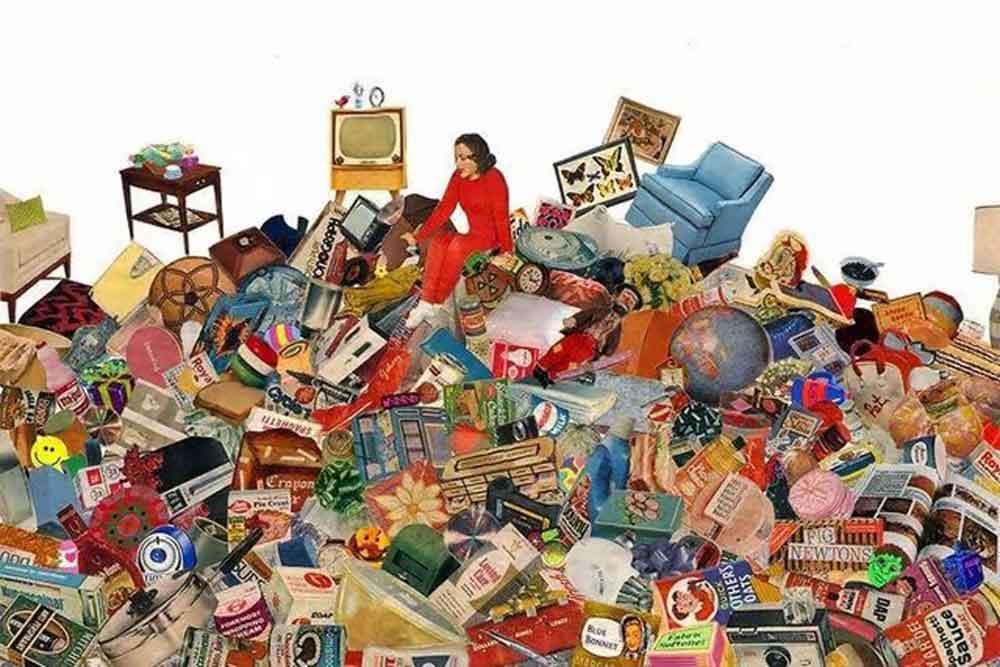
At the heart of this system lies the idea of affordability. Fast fashion, disposable products, and rapid delivery are all designed to feel accessible. But nothing is truly cheap. The cost is simply moved elsewhere. It is carried by the environment, through polluted waterways, overflowing landfills, and rising emissions. It is carried by communities, where traditional industries decline in the face of mass-produced alternatives. And it is carried by workers, whose labour is often undervalued to sustain the illusion of low prices. Today, this illusion has taken on a new form, frictionless spending. With the rise of “buy now, pay later” systems and the ability to split payments into three or four installments, consumption feels even easier, almost invisible. The psychological barrier to purchase is lowered. What once required pause and consideration now feels effortless. But this convenience comes at a cost. It encourages people to buy things they do not necessarily need, because the immediate financial impact feels smaller. A purchase is no longer experienced as a full cost, but as a fraction, making it easier to justify, repeat, and forget. Over time, this shifts consumption from intentional to impulsive. We are no longer just buying more; we are buying without fully feeling the weight of what we are buying.
Disconnection from Origin
One of the most significant consequences of modern consumption is the loss of connection. We no longer know where things come from. We do not see the hands that made them, the materials that shaped them, or the time that went into them. Products arrive packaged, branded, and ready to use, but stripped of their story. Without that connection, it becomes easier to discard. When something has no visible origin, it has no perceived value beyond its immediate use. It becomes replaceable, forgettable, and ultimately disposable. This is particularly evident in industries like fashion and homeware, where craft traditions once played a central role. Handwoven textiles, artisanal techniques, and locally sourced materials are increasingly overshadowed by fast, uniform production. And yet, those traditions carry something that mass production cannot replicate, depth, meaning, and longevity.
Waste Is Designed
It is easy to look at a landfill and see it as the end of a process, but waste is not an accident. It is a system. Products are designed for short lifespans, materials are chosen for cost rather than durability, and supply chains prioritize speed over sustainability. In this system, waste is inevitable. From packaging that cannot be recycled to garments that lose shape after a few washes, the lifecycle of many products is intentionally brief. And when multiplied across billions of purchases, the result is what we see, mountains of waste that continue to grow.
The Psychological Cost
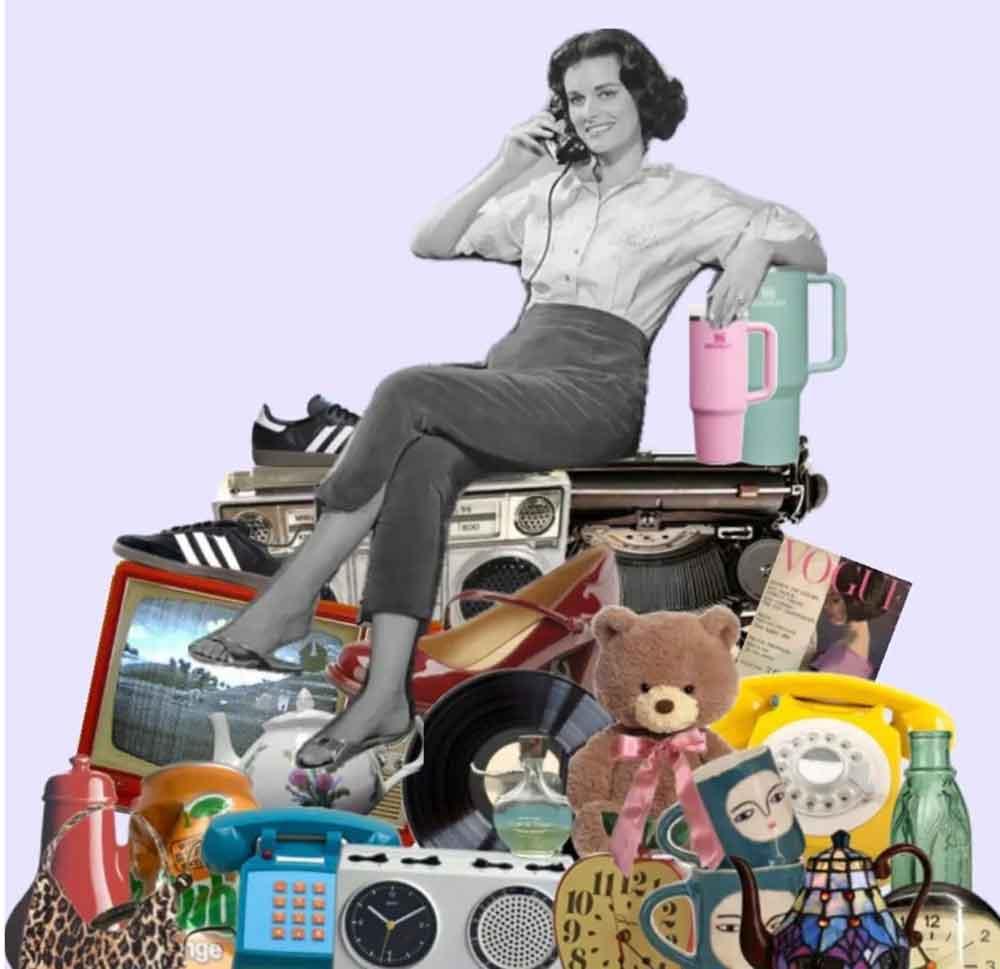
Beyond environmental and economic consequences, overconsumption is quietly shaping our mental health. In a culture that constantly encourages more, more buying, more owning, more upgrading, we are rarely given the space to feel content. Instead, we are placed in a cycle of comparison and dissatisfaction. Social media amplifies this, presenting curated lifestyles that subtly suggest we are always one purchase away from becoming a better version of ourselves. But that feeling is fleeting. The dopamine hit of buying something new fades quickly, often replaced by guilt, clutter, or financial stress. Over time, this creates mental fatigue, a constant low-level pressure to keep up, to acquire, to not fall behind. Ironically, the more we consume, the less fulfilled we often feel. True satisfaction does not come from accumulation, but from meaning, connection, and intention, things that cannot be bought in installments.
From Consumption to Curation
What if the question was not “How much can I buy?” but “What is worth owning?” Curation is not about restriction; it is about intention. It is about choosing fewer things but choosing them better. It is about understanding the origin of what we buy, appreciating the process behind it, and valuing its longevity. In fashion, this might mean investing in pieces that are made to last, garments that can be worn in multiple ways across seasons and over time. In homeware, it might mean selecting objects that carry craftsmanship, items that add depth and story to a space rather than simply filling it.
The Role of Transparency
As consumers become more aware, there is a growing demand for transparency. People want to know where products come from, how they are made, and what impact they have. Digital product passports, traceability systems, and storytelling platforms are beginning to bridge the gap between product and origin. They allow consumers to see beyond the surface and understand the journey of what they are buying. Transparency does not just inform; it reconnects, and that connection can influence behaviour in powerful ways.
A Return to Craft
In contrast to the speed of modern consumption, craft offers a different rhythm. It is slower, more deliberate, and deeply rooted in tradition. Handwoven textiles, natural dyes, and artisanal techniques are not just aesthetic choices; they represent a different way of thinking, one that values process, skill, and time. In Sri Lanka, traditions like Dumbara weaving or batik are not just crafts; they are forms of cultural expression passed down through generations. When we support these practices, we are not just buying a product; we are preserving knowledge, sustaining communities, and participating in a more meaningful exchange.
Rethinking Progress
For decades, progress has been measured in growth, more production, more consumption, more expansion. But this statistic challenges that idea. If we can consume 75% of a century’s worth of resources in just five years, what does that say about the sustainability of our current model? True progress may not lie in doing more. It may lie in doing better, in designing systems that prioritise longevity over speed, creating products that are meant to be kept rather than replaced, and building economies that value people and the planet alongside profit.
The Way Forward
The scale of the problem can feel overwhelming, but change does not have to happen all at once. It begins with awareness, with questioning our habits, and with making small, intentional choices. Buying less but better, supporting brands that prioritise transparency and ethics, repairing instead of replacing, and choosing materials designed to last, these actions may seem small individually, but collectively they can shift demand and influence the system.
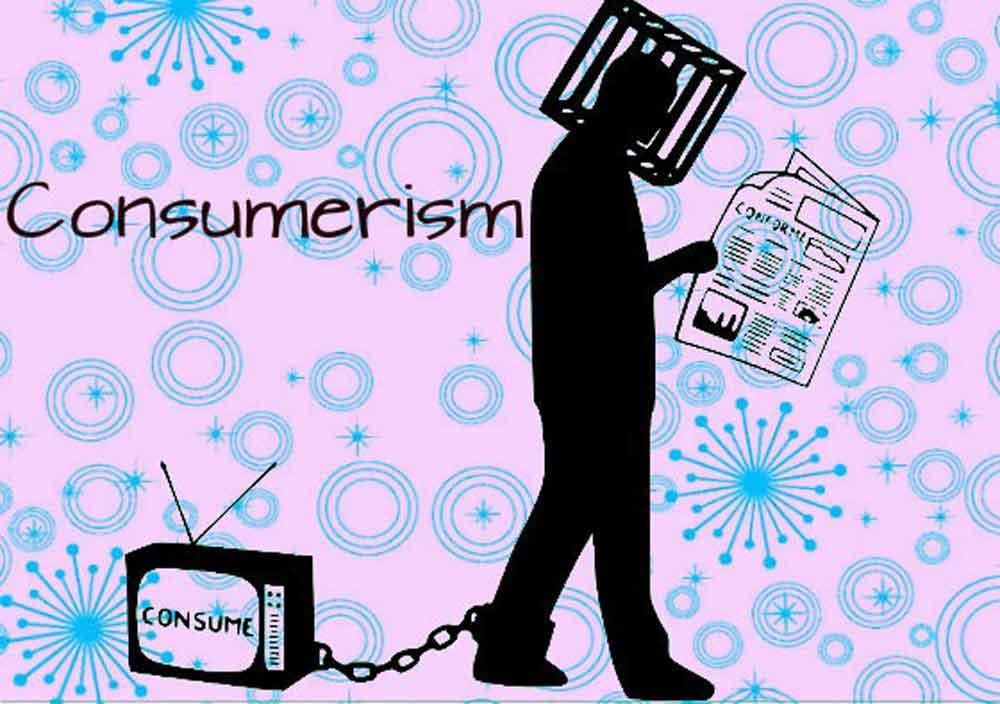
Consumption is not inherently negative. It is a part of how we live, create, and express ourselves. The issue is not that we consume, but how we consume. When we move from unconscious consumption to intentional curation, from disconnection to awareness, and from speed to meaning, we begin to change the narrative. Because in the end, what we choose to value shapes the world we live in. And perhaps the most important shift we can make is to see beyond the price tag and recognise the true cost, and the true value, of what we bring into our lives.