In Conversation with Rochelle Tissera Fashion Designer | Founder, RT
By: Yashmitha Sritheran
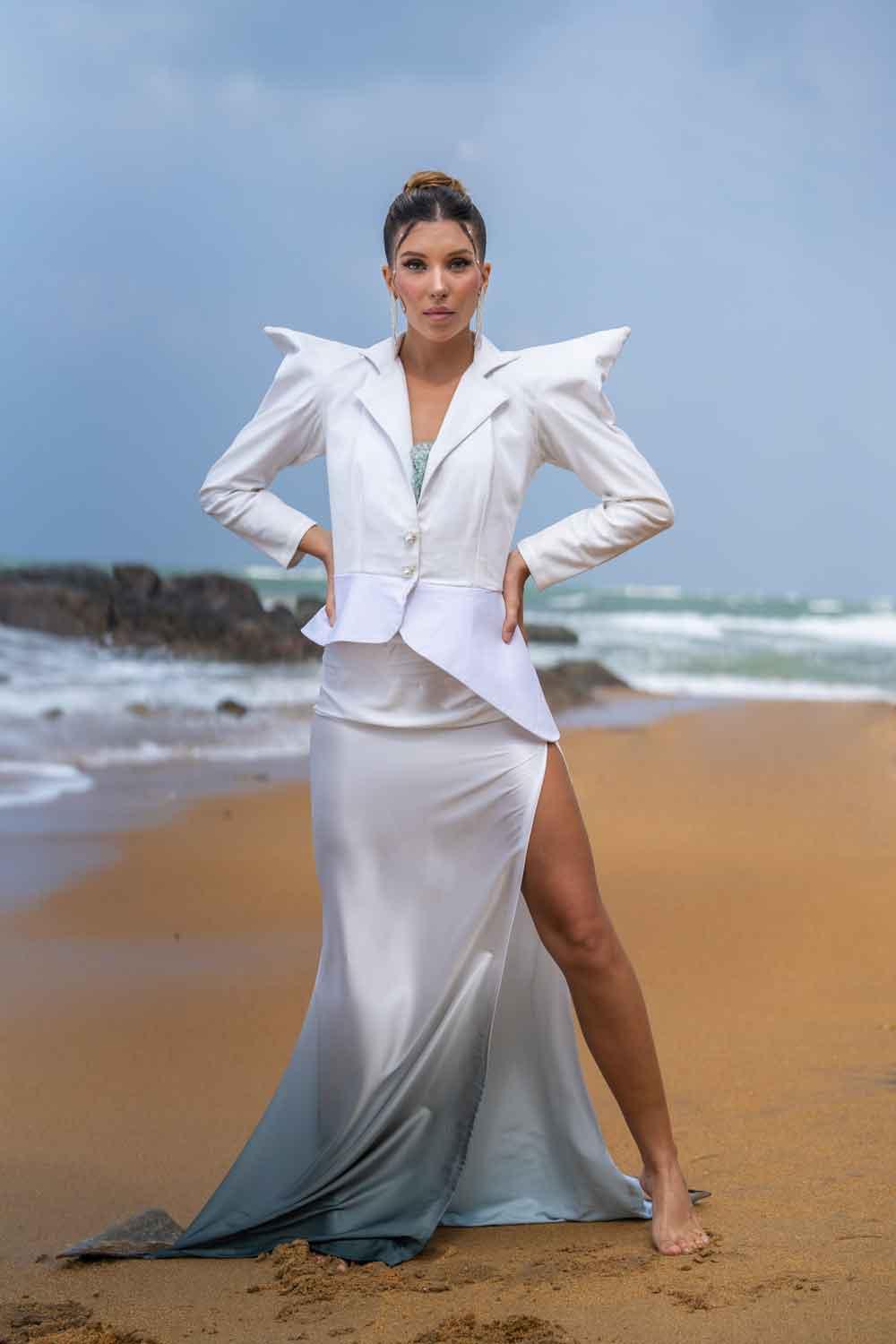
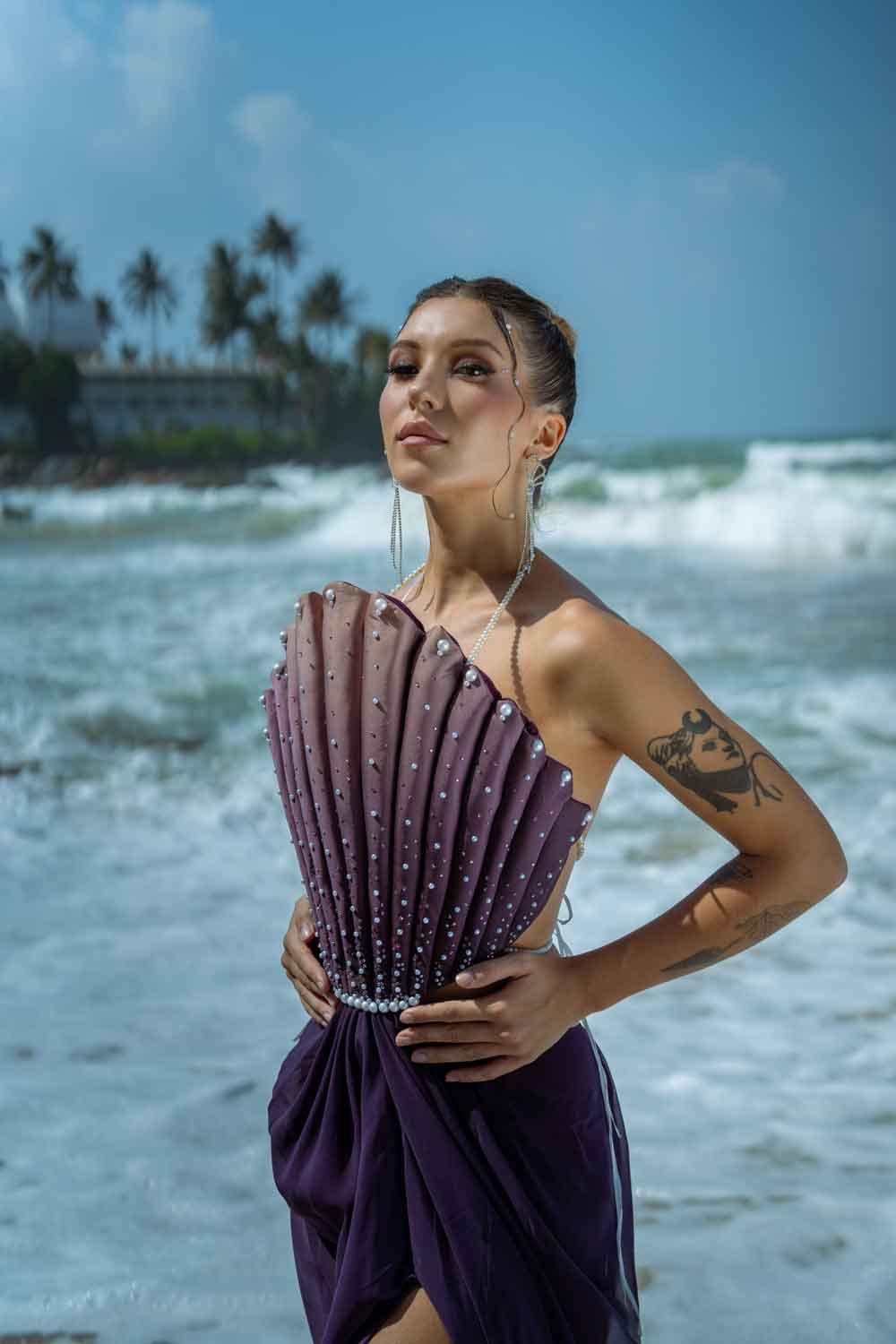
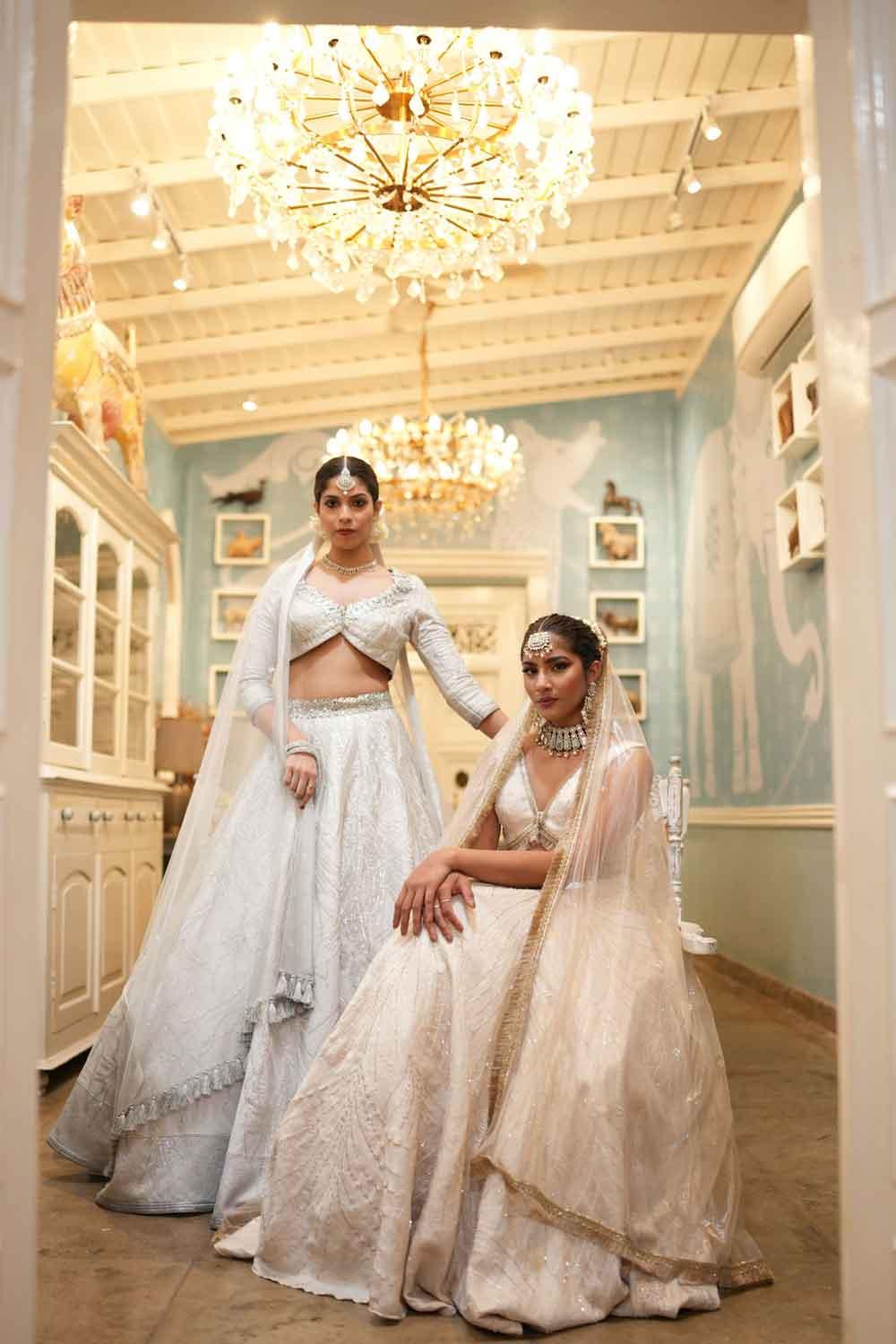
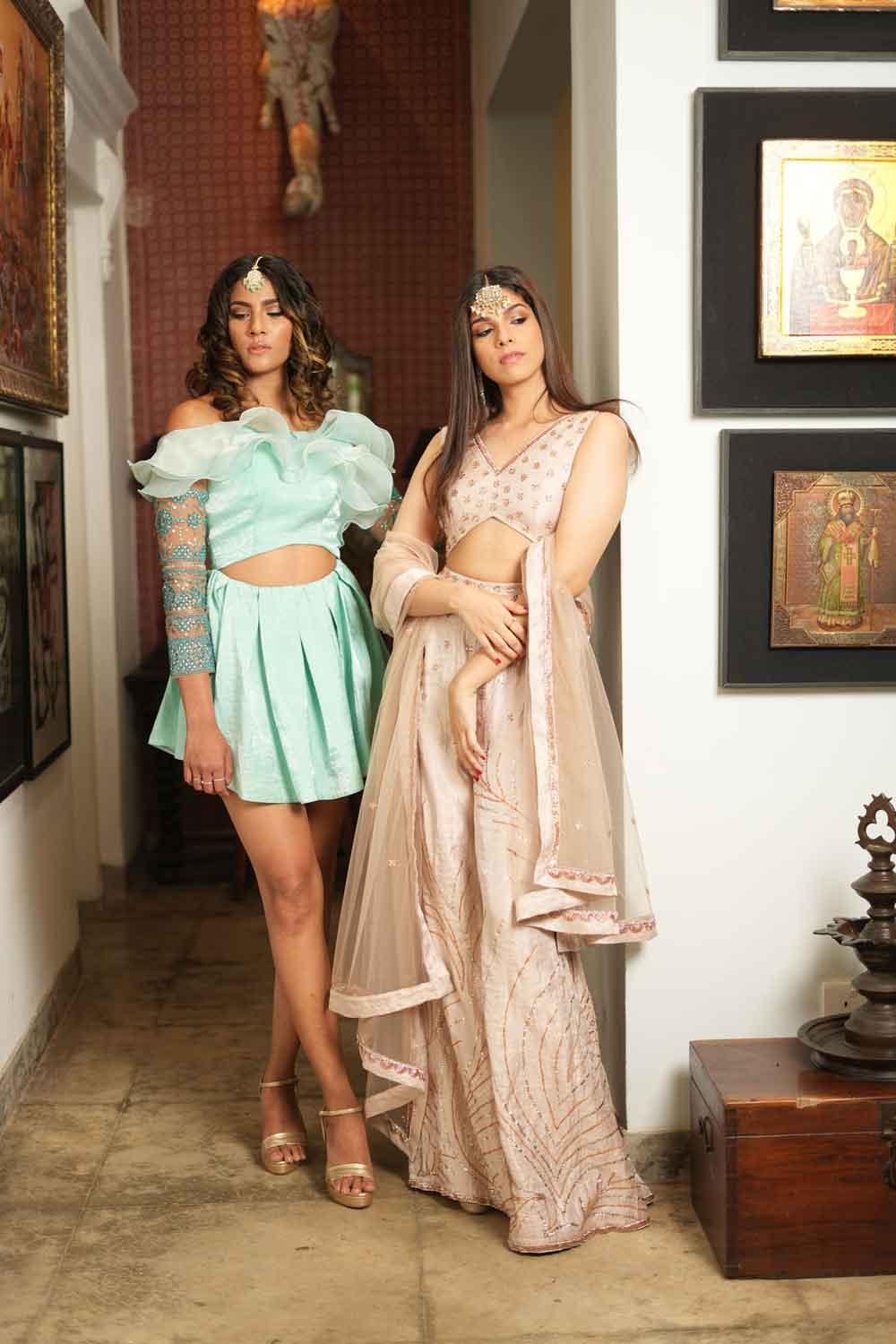
 Rochelle Tissera is a Sri Lankan fashion and bridal designer and Founder of the label RT. Her journey into fashion was shaped early by her father’s apparel business, which gave her an inside view of garment construction, craftsmanship, and the discipline required to build a brand from the ground up. She later pursued fashion design studies in Australia and the United Kingdom, followed by a Master’s in Business Management, which helped her balance creativity with strong business thinking. In 2022, she launched RT, a luxury bridal and bespoke label known for its structural silhouettes, refined detailing, and emotionally driven design philosophy. In this conversation, I spoke with Rochelle about her creative journey, the realities of building a fashion brand, the evolution of modern bridal wear, and how she balances artistry with business. Here’s our conversation.
Q: Every designer has a story behind how they found their calling. Looking back, what were the defining moments that led you to build a career in fashion and bridal design, and how did those experiences shape the designer you are today?
Growing up, fashion wasn’t just an industry I observed from the outside; it was the backdrop of my childhood. Seeing my father build and run an apparel company gave me an early, behind-the-scenes appreciation for the craftsmanship, the chaos, and the sheer mechanics of clothing construction. However, my turning point came when I left to study fashion design in Australia and the UK. Immersing myself in two entirely different cultural design hubs forced me to find my own voice. The defining moment was realizing I didn’t just want to create clothing that looked beautiful on a rack; I wanted to create garments that carried emotional weight. Transitioning into bridal and bespoke wear felt like a natural evolution. It allowed me to fuse high-fashion technical construction with deep, personal storytelling.
Q: Starting a creative business often requires a leap of faith. What challenges and uncertainties did you face in the early stages of your journey, and what kept you moving forward despite them?
Launching RT in 2022 was an incredible leap of faith, despite my background. The early stages were a test of resilience during a time when the country was recovering from an economic crisis and the COVID-19 pandemic. We were navigating a highly volatile global market, supply chain disruptions, and the challenge of establishing a distinct brand identity in a crowded luxury landscape. The uncertainty of whether my specific aesthetic would resonate locally and internationally was always there. What kept me moving forward was a blend of creative conviction and rigorous business training. My Master’s in Business Management taught me to look at challenges as operational puzzles rather than creative roadblocks. Knowing I had the structural foundation to support my creative vision gave me the confidence to push through the quiet months and stay focused on execution.
 Q: When you compare the Rochelle Tissera brand of today with the vision you had when you first started, what has changed the most, and what values have remained constant throughout the journey?
When I launched RT in 2022, the vision was raw and ambitious. Since then, having released several collections, the brand has matured significantly. What has changed the most is our refinement of fit and the sophistication of our textile manipulation. We’ve grown to understand the nuances of how our garments move and live in real-world moments. However, our core values have remained entirely untouched. From day one, the brand has stood for structural integrity and a global design perspective. We refuse to cut corners, a discipline I inherited from my father’s manufacturing background and one that remains the bedrock of RT today.
Q: Your designs become part of some of the most significant moments in a person’s life. How do you approach the creative process to ensure each piece feels deeply personal while still reflecting your signature style?
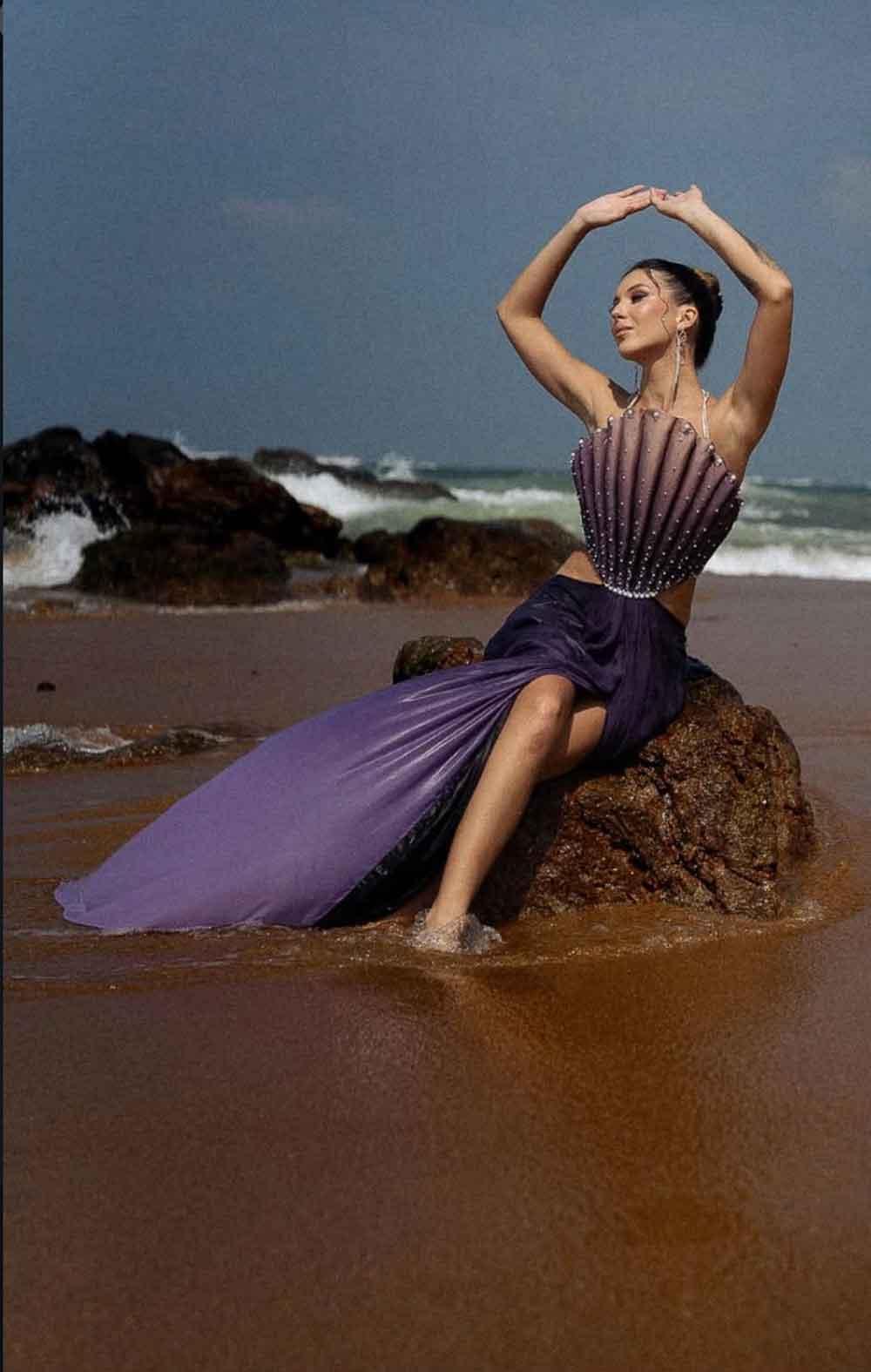
The creative process for a bespoke or bridal piece is a delicate balance between the brand’s DNA and the client’s individuality. My signature style leans toward sophisticated, clean, intricate, and structurally sound silhouettes with a global edge. To ensure a piece feels deeply personal, I treat the client’s story as the concept for the design. I infuse subtle, hidden details, perhaps a specific drape they love, a meaningful texture, or an unexpected structural element, into the garment. The goal is for the final piece to look unmistakably like an RT creation but feel so entirely “them” that they couldn’t imagine anyone else wearing it.
Q: Fashion is constantly evolving, yet bridal wear often carries strong cultural and emotional significance. How do you balance innovation with tradition when creating your collections and custom pieces?
Bridal wear is beautifully complex because it carries centuries of cultural and emotional weight, yet fashion demands forward movement. I approach this balance by keeping the foundation traditional and the execution innovative. For instance, I might respect a traditional silhouette or colour palette, but innovate through the choice of contemporary fabric, a minimalist structural detail, or modular elements that allow a bride to transform her look from ceremony to reception. Tradition provides the emotional anchor, while innovation provides the modern relevance that today’s women crave.
Q: When you begin designing for a client, what is the most important thing you try to understand about them before putting your ideas onto paper, and why?
The most important thing I try to understand before putting pencil to paper is the client’s unspoken energy and confidence levels. I don’t just ask what silhouette they like; I observe how they move, how they carry themselves, and I ask how they want to feel on that specific day. A sketch can be technically perfect, but if it doesn’t align with the client’s posture, personality, and internal confidence, the dress will wear them instead of them wearing the dress. Understanding their comfort zone, and how far they are willing to elegantly step out of it, is key to a successful design.
Q: The bridal fashion landscape has changed significantly over the past decade. What are some of the biggest shifts you’ve observed in the way modern brides approach their wedding attire and personal style?
The past decade has seen a massive shift toward individuality. Brides are no longer checking off a traditional wardrobe checklist just to please family or adhere to rigid societal expectations. Modern brides approach their wedding attire with a high-fashion mindset. They want versatility, comfort, and a touch of traditional flair that is not overpowering. We are seeing a huge rise in cleaner, more architectural lines, tailored pantsuits, modular gowns with detachable elements, and a strong preference for second looks that allow them to celebrate freely. It’s an incredibly exciting time to be a designer because the modern bride is daring.
Q: With social media influencing fashion choices more than ever, do you feel it has empowered individuality, or has it created pressure for brides to follow trends rather than express themselves authentically?
Social media is a double-edged sword. On one hand, it has democratized inspiration; brides have access to global fashion movements, avant-garde designers, and diverse styling ideas at their fingertips, which can empower highly individual choices. On the other hand, platforms like Instagram and TikTok create an intense visual echo chamber, generating immense pressure to achieve a “Pinterest-perfect” aesthetic. This often leads to brides chasing fleeting trends that don’t actually reflect who they are. My job in the atelier is often to help clients filter out the digital noise and reconnect with what makes them feel genuinely beautiful in real life.
 Q: Running a successful fashion label requires both creativity and strong business skills. How do you balance artistic expression with the practical realities of running and growing a brand?
This is where my dual background completely shapes how I operate. My design education in Australia fuels my creative hunger, but my Master’s in Business Management in the UK acts as the guardrails. I view creativity and business not as opposing forces, but as partners. A beautiful collection that cannot be priced correctly, sourced sustainably, or produced efficiently is a failure of business. Conversely, a perfectly optimized supply chain with a dry, uninspired collection is a failure of art. I give myself strict boundaries: total creative freedom during the initial sketching and conceptualizing phases, followed by an analytical transition to stress-test designs against production realities, margins, and market demand before they enter production.
Q: Building a successful fashion label requires trust and consistency. What strategies have been most important in establishing strong relationships with clients and maintaining the reputation of your brand?
In the luxury segment, consistency is your currency. You cannot build a reputable brand on a single good collection; it requires an unwavering standard across every touchpoint. For RT, our strategy is rooted in transparent communication, exceptional after-care, and an absolute obsession with fit and finish. We treat every client consultation as a high-end relationship-building experience. When a client realizes that the internal structure of a garment matches the beauty of its exterior, trust is established. Delivering exactly what was promised, on time, with flawless execution is what maintains our reputation.
Q: For young designers and aspiring entrepreneurs who hope to build a name for themselves in the fashion industry, what advice would you offer based on your own experiences and lessons learned along the way?
My advice is to recognize that talent is only half the equation. The fashion industry is often romanticized, but it is a business of margins, logistics, and long hours.
- Learn the operational side: If you don’t understand cash flow, production pipelines, or garment construction, partner with someone who does or invest in educating yourself.
- Protect your unique point of view: Trends fade quickly; your distinct design voice is your only true competitive advantage.
- Be patient with your growth: Building a legacy brand takes time. Treat every collection as a learning experience, listen to your market, and ensure your operational foundation is strong enough to support your creative vision.
126/7G, Allen Avenue, Dehiwala, Sri Lanka
info@rochelletissera.com
Instagram: @rochelletissera
Facebook: @rochelletisseraofficial