Mossad: The Shadowy Power Behind Israel’s Global Intelligence Operations

Few intelligence organisations in the world evoke as much fascination, fear and controversy as Mossad. Known formally as the Institute for Intelligence and Special Operations, Mossad is Israel’s primary foreign intelligence service and one of the most renowned espionage agencies in modern history. Since its creation in 1949, Mossad has operated largely in secrecy, carrying out covert operations across the globe while gathering intelligence vital to Israel’s national security.
For supporters, Mossad represents a remarkable intelligence organisation that has protected Israel from threats in a hostile region. For critics, it is an agency that has repeatedly pushed the boundaries of international law through targeted killings, kidnappings and covert sabotage. The truth lies somewhere within this complex landscape of espionage, geopolitics and national survival. Understanding Mossad requires examining its origins, its operational philosophy and some of the most dramatic missions attributed to it.
The Birth of Israel’s Intelligence Network
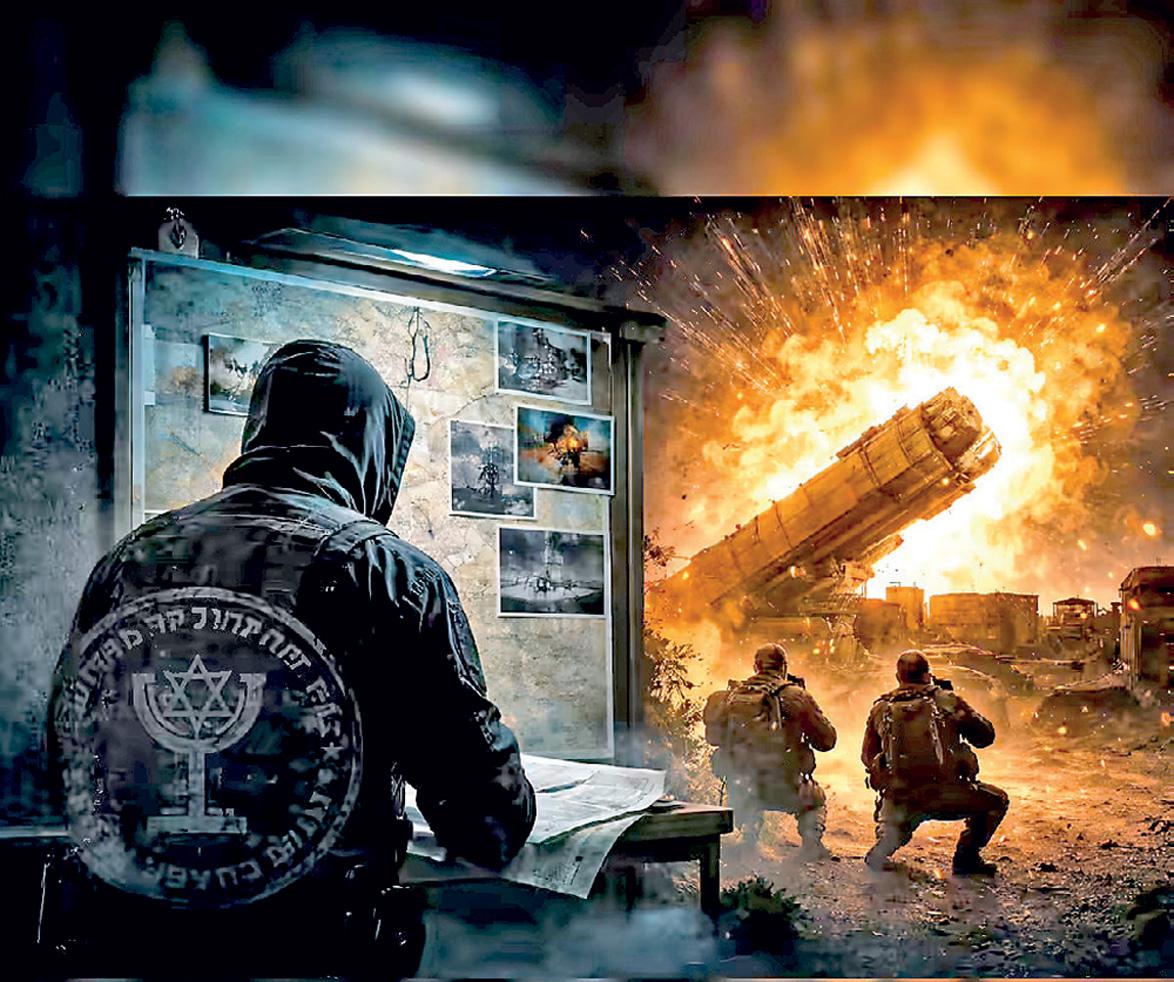
Mossad was established shortly after the creation of the State of Israel in 1948. The country was immediately confronted with existential security challenges, including wars with neighbouring states and the presence of militant groups determined to destroy it. Israel’s leadership quickly realised that intelligence would be critical for survival. Mossad was created to coordinate intelligence collection abroad and conduct special operations beyond Israel’s borders. Unlike Israel’s domestic security agency Shin Bet or military intelligence branch Aman, Mossad’s mandate was international. Operating under the authority of the Israeli Prime Minister, Mossad became responsible for gathering intelligence on foreign governments and organisations, recruiting informants, conducting covert operations and protecting Jewish communities worldwide. From the beginning the agency developed a reputation for boldness. Israel’s small size and limited resources meant that intelligence operations often relied on creativity and human networks rather than large bureaucratic systems.
|
|

The Capture of Adolf Eichmann
One of Mossad’s earliest and most famous missions involved the capture of Nazi war criminal Adolf Eichmann in 1960. Eichmann had been one of the key organisers of the Holocaust, overseeing the deportation of millions of Jews to extermination camps during the Second World War. After the war he escaped Europe and lived in Argentina under a false identity. Israeli intelligence eventually discovered his location in Buenos Aires. Mossad agents travelled to Argentina and spent weeks confirming his identity through surveillance. Once certain they had found their target, the agents carried out a daring operation. Eichmann was seized as he stepped off a bus on his way home from work. The agents held him in a safe house before secretly transporting him out of Argentina on an Israeli aircraft. The mission stunned the world. Eichmann was taken to Israel where he stood trial in Jerusalem for crimes against humanity. The trial became one of the most significant legal proceedings of the twentieth century and ended with Eichmann’s execution in 1962. While the operation was celebrated in Israel and among Holocaust survivors, it also sparked a diplomatic crisis. Argentina accused Israel of violating its sovereignty by abducting a man on its territory. The dispute reached the United Nations, highlighting the tension between justice and international law.
|
|

Retaliation After the Munich Massacre
Another defining chapter in Mossad’s history followed the tragic events of the Munich massacre during the 1972 Olympic Games in Germany. Eleven Israeli athletes were taken hostage and murdered by militants from the Palestinian group Black September. The attack shocked the world and deeply traumatised Israel. In response, the Israeli government authorised a secret campaign to track down those believed responsible for organising the massacre. Mossad agents pursued suspects across Europe and the Middle East in a series of covert operations sometimes referred to as Operation Wrath of God. Several individuals linked to militant networks were assassinated over the following years. The campaign sent a clear message that attacks on Israeli citizens would be answered wherever the perpetrators were found. However, the operation also revealed the dangers of covert retaliation. In 1973 Mossad agents mistakenly killed a Moroccan waiter in the Norwegian town of Lillehammer, believing him to be a militant leader. The error triggered a major international scandal and led to the arrest of several Mossad operatives by Norwegian authorities. The Lillehammer affair remains one of Mossad’s most significant operational failures.
|
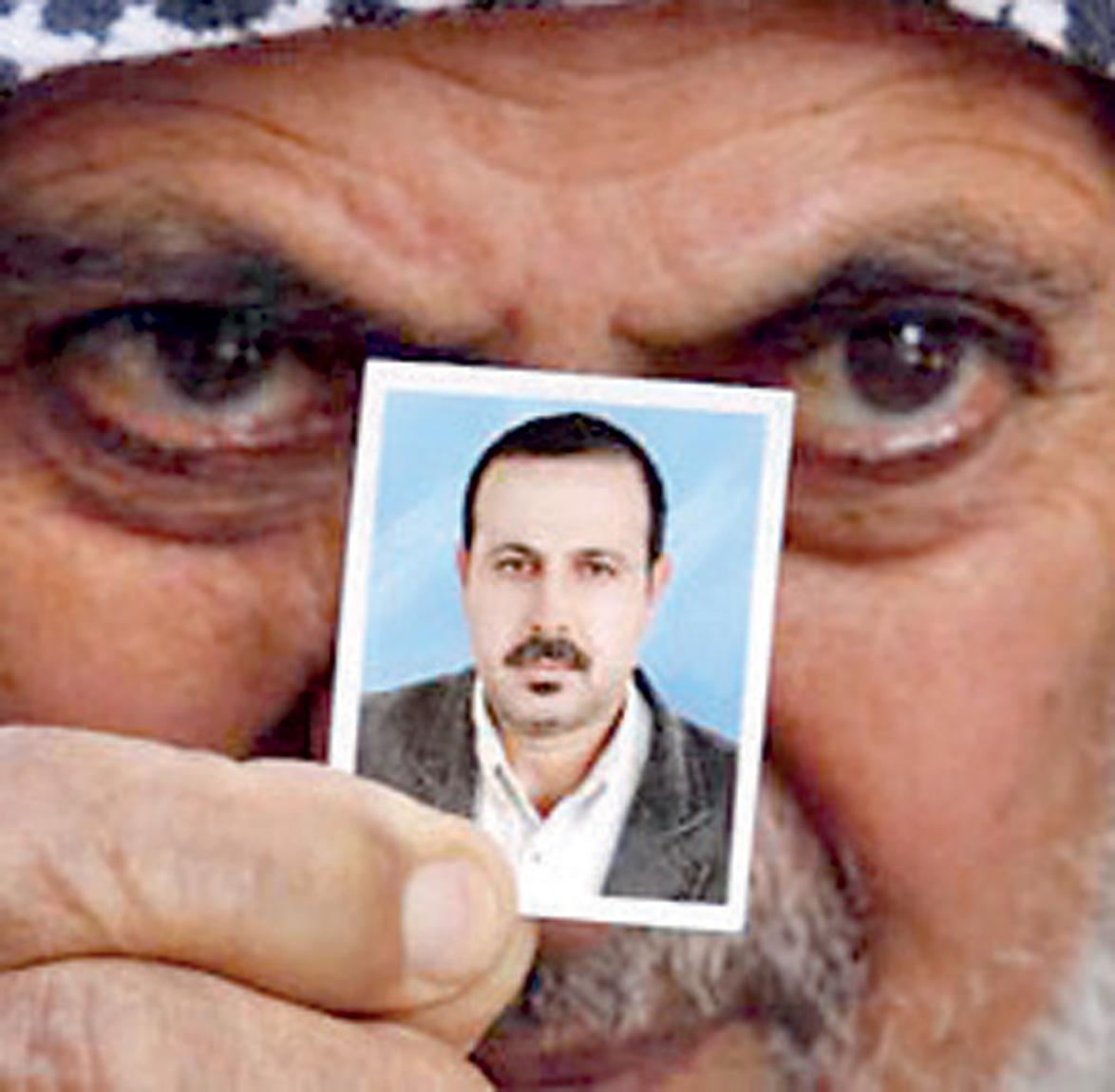
Mahmoud al-Mabhouh |
The Dubai Assassination
In 2010 another dramatic episode unfolded in the United Arab Emirates with the killing of Hamas figure Mahmoud al-Mabhouh in Dubai. Al Mabhouh was believed by Israel to be involved in arms smuggling operations supplying weapons to militant groups. He was found dead in his hotel room shortly after arriving in Dubai. Dubai authorities released extensive surveillance footage showing a group of suspects following him through airports and hotel corridors. The individuals used disguises, wigs and multiple passports. Investigators concluded that a highly organised team had entered the country to assassinate Mabhouh. Many governments and analysts attributed the operation to Mossad, although Israel never officially confirmed involvement. The controversy centred on the alleged use of forged passports from several Western countries including the United Kingdom, Ireland and Australia. Governments protested strongly and expelled Israeli diplomats, illustrating how covert intelligence operations can quickly escalate into diplomatic crises.
|
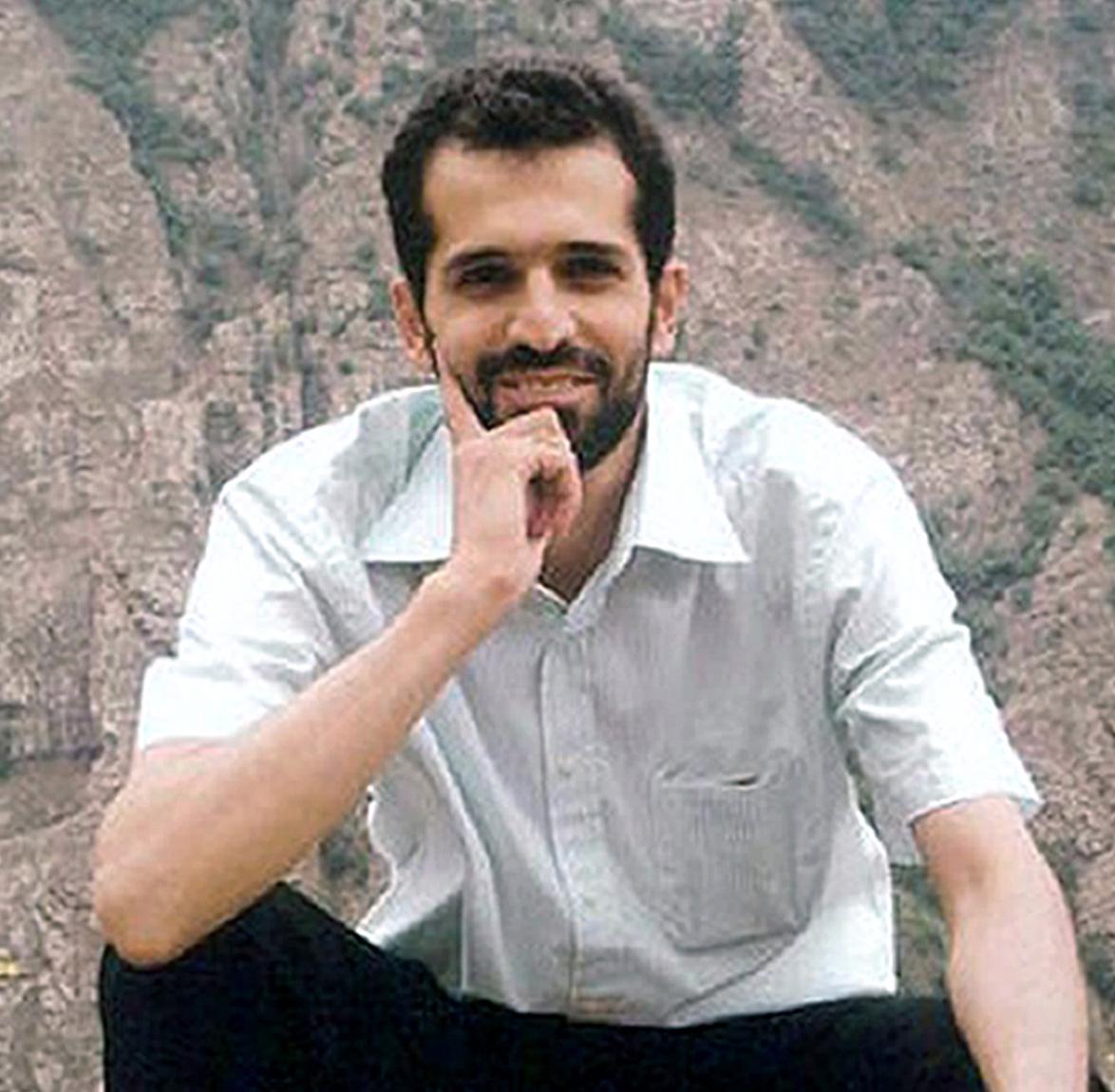
Mostafa Ahmadi Roshan |
The Shadow War with Iran
In recent decades Mossad has been widely associated with a covert campaign aimed at slowing Iran’s nuclear programme. Several Iranian scientists connected to nuclear research were assassinated in Tehran between 2010 and 2012. One of the most prominent victims was Mostafa Ahmadi Roshan, who was killed when attackers attached a magnetic bomb to his car. Iran accused Israel of orchestrating the killings. Israeli officials did not publicly confirm responsibility but have repeatedly warned that they will not allow Iran to acquire nuclear weapons. In addition to assassinations, cyber sabotage has also played a role in this shadow conflict. The discovery of the Stuxnet computer worm in 2010 revealed a sophisticated cyberattack that damaged Iranian nuclear centrifuge. Many analysts believe the operation involved cooperation between Israeli and American intelligence services. The campaign highlighted how intelligence warfare is evolving beyond traditional espionage into cyber operations capable of causing physical damage to infrastructure.
The Philosophy Behind Mossad
Mossad’s reputation for bold operations reflects Israel’s broader security doctrine. Since its creation the country has faced repeated wars and ongoing threats from militant organisations. Israeli leaders have therefore emphasised the importance of proactive intelligence. The philosophy often associated with Mossad is that threats must be confronted before they materialise. This has led to a strategy that prioritises pre-emptive action and global intelligence reach. Mossad agents operate in many countries gathering information and cultivating networks of sources who provide critical insights into potential threats. The agency also works closely with intelligence partners around the world. Cooperation with allied services allows Israel to share information about terrorism, weapons trafficking and regional conflicts.
Controversy and Legal Debate
Despite its successes, Mossad remains one of the most controversial intelligence organisations in the world. Critics argue that targeted assassinations and covert operations inside foreign countries violate international law. Legal scholars often point to the principle of state sovereignty, which prohibits one country from conducting operations on the territory of another without permission. Kidnappings and extrajudicial killings are also widely debated under international legal frameworks. Supporters of Mossad counter that intelligence agencies everywhere operate in legal grey areas. They argue that preventing terrorism and protecting national security sometimes requires extraordinary measures. This debate reflects a broader reality of modern intelligence work. Espionage has always existed in the shadows between legality and secrecy.
The Mystique of Mossad
Part of Mossad’s enduring fascination comes from the secrecy surrounding its activities. Many of its missions remain classified for decades. Others are revealed only through memoirs, investigative journalism or declassified documents. This secrecy has contributed to the agency’s almost mythical reputation. Books, films and television series have portrayed Mossad agents as elite operatives capable of carrying out daring missions anywhere in the world. Yet behind the dramatic stories lies a complex organisation filled with analysts, linguists, cyber specialists and intelligence officers whose work rarely attracts attention.
Intelligence in the Modern Era
Today Mossad continues to adapt to a rapidly changing intelligence landscape. Cyber warfare, satellite surveillance and artificial intelligence have transformed how information is gathered and analysed. The agency has expanded its technological capabilities while maintaining its traditional focus on human intelligence. Recruitment of informants and deep undercover operations remain central to its strategy. As geopolitical tensions evolve in the Middle East and beyond, Mossad will likely remain a central player in Israel’s national security apparatus. Operating largely out of public view, the agency continues to shape events in ways that are rarely visible but often profoundly significant. Its history reveals not only the power of intelligence but also the complex ethical questions that arise when nations pursue security in the shadows.