Children Need Families Not Orphanages! The 21 Year Fight of Lynn Stanier
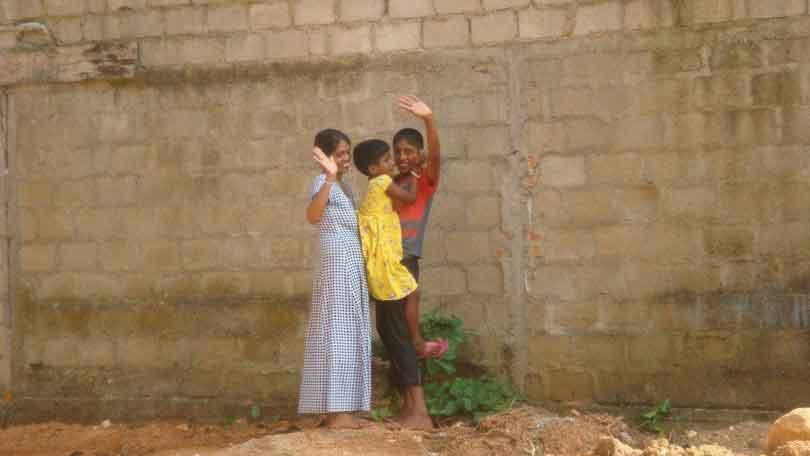
LYNN STANIER
She describes herself simply as a mother from the United Kingdom. Yet over the past 21 years, Lynn Stanier has become one of the most influential voices advocating for an end to child institutionalisation in Sri Lanka. As Founder and CEO of Their Future Today, a child protection charity working across Sri Lanka, she has dedicated more than two decades to reuniting children with families, preventing unnecessary separation and building alternatives to orphanages. A British humanitarian, she also serves as Director of the International Foster Care Organisation, helping to connect global expertise with local reform. Her work has been recognised at the highest levels. She was awarded an MBE for services to vulnerable children and received Sri Lanka’s Deshabandu national honour, one of the country’s most respected civilian awards. Yet for Lynn, the most meaningful recognition is quieter. It is the moment a child returns home. It is a mother who no longer has to choose between feeding her family and keeping her child.
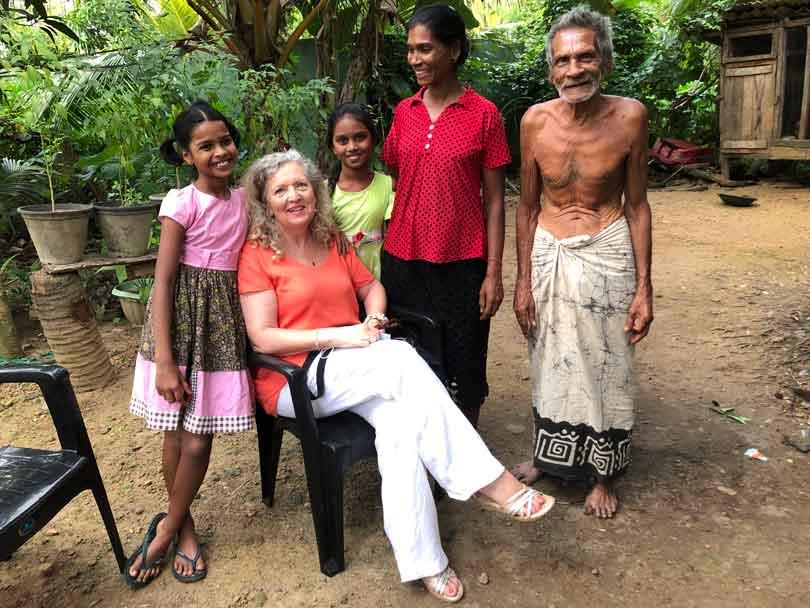
Before this chapter of her life, Lynn was a travel entrepreneur. Her career changed course in 2004 when she volunteered in an orphanage in Sri Lanka following the devastating Asian tsunami. What she encountered there would redefine her purpose. Among the babies in that institution was a child who rarely cried. Lynn noticed the silence. Babies who cry and are comforted learn that the world responds. Babies whose cries go unanswered eventually stop calling out. In that silence, Lynn made what she describes as a silent promise to one infant. She would find her mother. She would bring her home. She did. Today, that same young woman works as a classroom assistant at Mercury Holidays TFT International Preschool. It is a full circle story of reunion, dignity and belonging. But Lynn’s mission did not end with one child. It expanded into a national campaign to ensure that children in Sri Lanka grow up in families, not institutions.
THE TURNING POINT IN 2004
In the aftermath of the 2004 tsunami, global attention focused on Sri Lanka. International aid flowed into the country. Orphanages filled rapidly with children believed to have lost their parents. When Lynn began volunteering in one of these institutions, she expected to care for orphans. Instead, she uncovered a deeply troubling truth. Around 90% of the children living in institutions were not orphans. They had at least one living parent. Many had both. They were there because of poverty. Parents struggling to survive had been persuaded that an orphanage could provide food, education and safety that they could not. Some were promised schooling. Others were told their children would have better futures. What few understood was the emotional cost of separation. Lynn witnessed rooms lined with cots and toddlers who had learned not to cry. She realised that children were being separated not by death, but by deprivation. Poverty was being treated as a reason to remove children from families rather than a problem to solve within communities. The greatest injustice, she often says, is not poverty. It is the deprivation of love. From that moment, her focus shifted. Charity alone would not solve the problem. Donating to institutions would not address the root cause. The real solution lay in strengthening families so that children never had to leave home in the first place. She made a personal commitment to bring children back to their families and to introduce foster care to Sri Lanka, a system that at the time was largely unfamiliar in the country.
THEIR FUTURE TODAY
Over two decades, Their Future Today has supported thousands of children and families across Sri Lanka. The organisation works on both prevention and reunification. It provides schoolbooks, meals and educational support to families at risk of separation. It operates early learning preschools, including one established within an orphanage to support young children during a transition period and another in a rural community to provide free early childhood education and daycare. These services allow parents to work while their children learn and develop in safe environments.
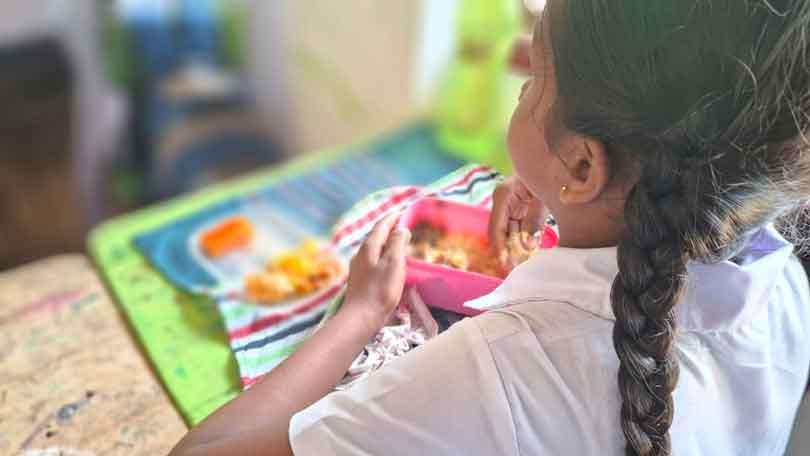
Their Future Today has helped reunite children with their families and prevented countless others from entering institutions in the first place. It has trained probation officers and childcare professionals in family-based care principles and supported care leavers to become care leaders, giving young adults who grew up in institutions a voice in shaping reform. Despite this progress, the challenge remains urgent. Around 8,000 children still live in institutions in Sri Lanka. Globally, more than five million children grow up in institutional care. Research consistently shows that even well-resourced institutions cannot replace the developmental, emotional and psychological benefits of family life.
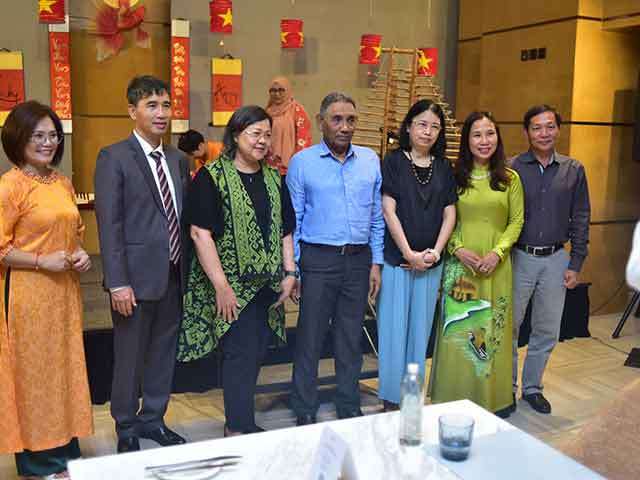
A major turning point came at the United Nations Compound in Colombo, where Sri Lanka became the first country in South Asia to sign its intent to a Global Charter to End Institutionalisation. The Charter was launched by United Kingdom Deputy Prime Minister David Lammy and signed by the Minister of Women and Child Affairs, Saroja Paulraj. UNICEF and the Department of Childcare Services are now working toward the development of a national foster care system.
For Lynn, this was a moment she had waited 21 years to witness. What once felt like a distant aspiration has become a national commitment, supported by a new and dynamic government placing children at the centre of policy. Their Future Today has been invited to help design the transition plan from institutional care to family-based alternatives. After two decades of knocking on closed doors, the locks are beginning to turn.
CHILDREN BELONG IN FAMILIES NOT ORPHANAGES
The core message of Lynn’s advocacy is clear. Poverty is the root cause of around 90 percent of child institutionalisation in Sri Lanka. Institutions are not the solution to poverty. They are an expensive and often harmful response to economic hardship. Prevention is both more humane and more cost effective. It includes free daycare and early childhood education so parents can work. It requires community support systems that identify families in crisis before separation occurs. It demands financial strengthening programmes that address immediate needs while building long term stability. Family care is safer. It reduces the risk of abuse and neglect that can occur in overcrowded institutions. It is more cost effective for governments. Most importantly, it supports healthy brain development, emotional attachment and a child’s sense of identity.
CHILDREN NEED FAMILIES, NOT ORPHANAGES.
Foster care is a vital alternative when children cannot safely remain with their biological parents. It provides temporary, family-based care within a regulated and supported system. In Sri Lanka, foster care has historically been rare. That is now beginning to change.
THE FOSTER CARE PILOT AND WHAT HAPPENS NEXT
The first pilot foster care programme is set to launch in the Southern Province. Probation officers and community leaders are being trained to identify, assess and support foster families. Safeguarding standards are being developed. Monitoring systems are being strengthened to ensure accountability and child safety. A national rollout is planned, with international partnerships forming to provide technical support and share best practice. Sri Lanka is now positioned as a regional leader in care reform. This marks a significant shift in narrative. It moves from charity to system reform. From funding buildings to strengthening families. From rescuing children to preventing separation.
Their Future Today is calling on individuals and families who may be interested in becoming foster carers to come forward. Expressions of interest can be sent to: Info@theirfuturetoday.org Building a foster care system requires not only policy change but community participation.
WHY THIS STORY MATTERS NOW
The story of Lynn Stanier and Their Future Today is not simply a personal journey. It is a powerful example of how sustained grassroots advocacy can influence national policy. Rising poverty increases the risk of child separation. Economic crises push families to breaking point. Without preventive systems in place, institutions once again become the default response. At the same time, there is growing global momentum toward deinstitutionalisation. Evidence has shifted international consensus firmly toward family-based care. Sri Lanka’s commitment places it at the forefront of reform in South Asia.
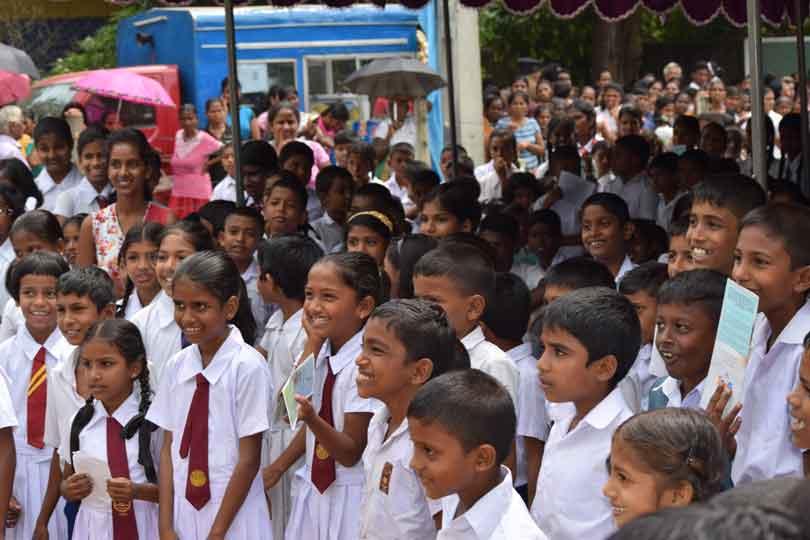
It is also a rare example of long-term cooperation between the United Kingdom and Sri Lanka on child protection, rooted not in short term aid but in partnership and shared responsibility. For Lynn, the work is far from finished. Thousands of children remain inside institutions, waiting. Policy change must translate into practical implementation. Families need support. Foster carers need training. Communities need awareness.
Yet there is hope. More than two decades ago, a British mother walked into an orphanage and noticed a silent baby. She made a promise. That promise has grown into a movement. For thousands of children denied the fundamental right to love and belonging, this is not just policy. It is the possibility of going home.