What Led to the 1979 Iranian Revolution?
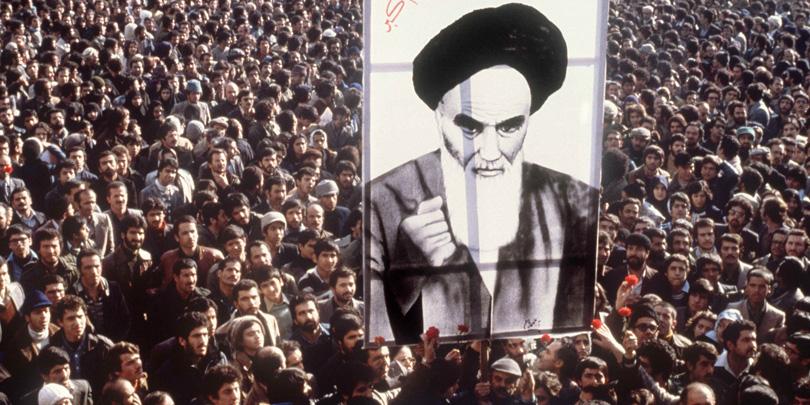
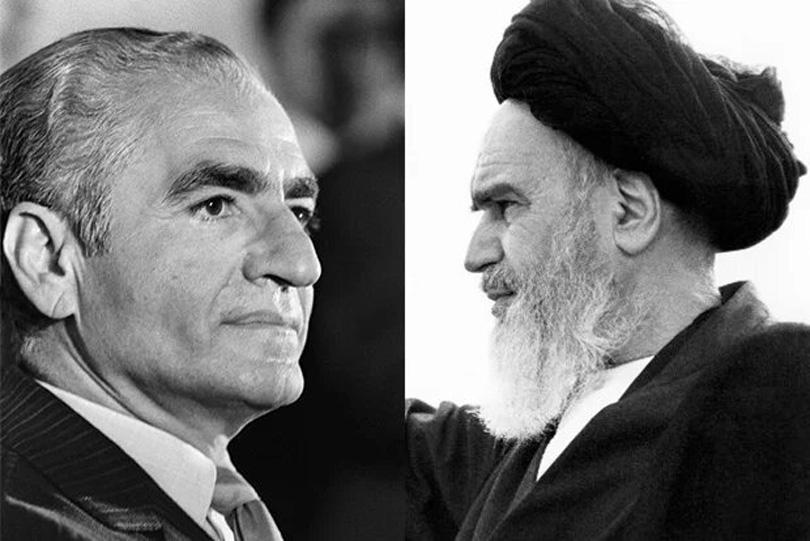
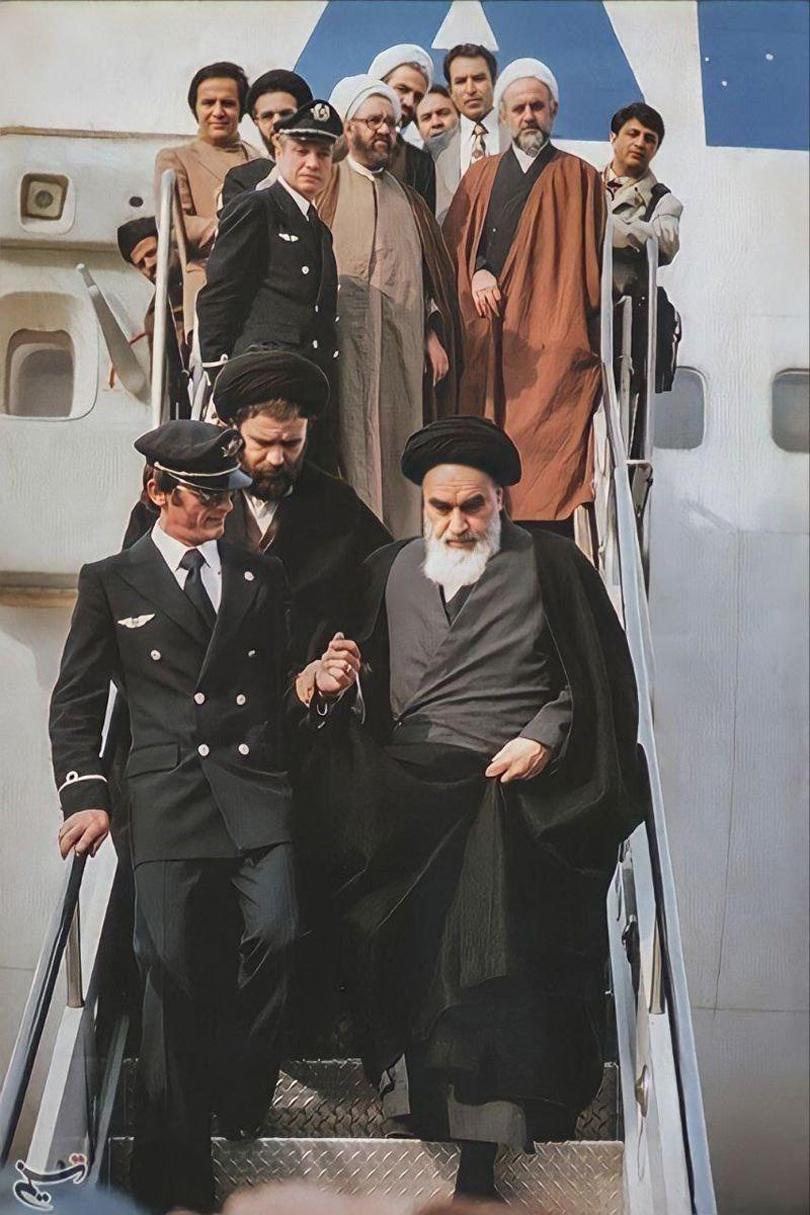
On the morning of February 1, 1979, millions flooded the streets of Tehran in a moment that would permanently alter the course of global politics. They had gathered to welcome back a man who had spent 15 years in exile, Ruhollah Khomeini. His return marked not just the fall of a western-backed monarch, but the collapse of an entire political order. Within ten days, the centuries-old institution of monarchy in Iran dismantled, replaced by an Islamic Republic with Khomeini in control. At the center of this upheaval stood another figure, Mohammad Reza Shah Pahlavi, a ruler once seen as a modernizing force, was then widely viewed as an autocrat propped up by foreign powers. The revolution that overthrew him was not a sudden eruption, but the culmination of decades of political repression, economic inequality, cultural tension, and deep resentment toward external interference. The 1979 Iranian Revolution instituted a massive political, social and cultural realignment for the nation of 38 million, with repercussions around the region and the world that continue to play out today.
A Legacy of Foreign Influence and National Humiliation
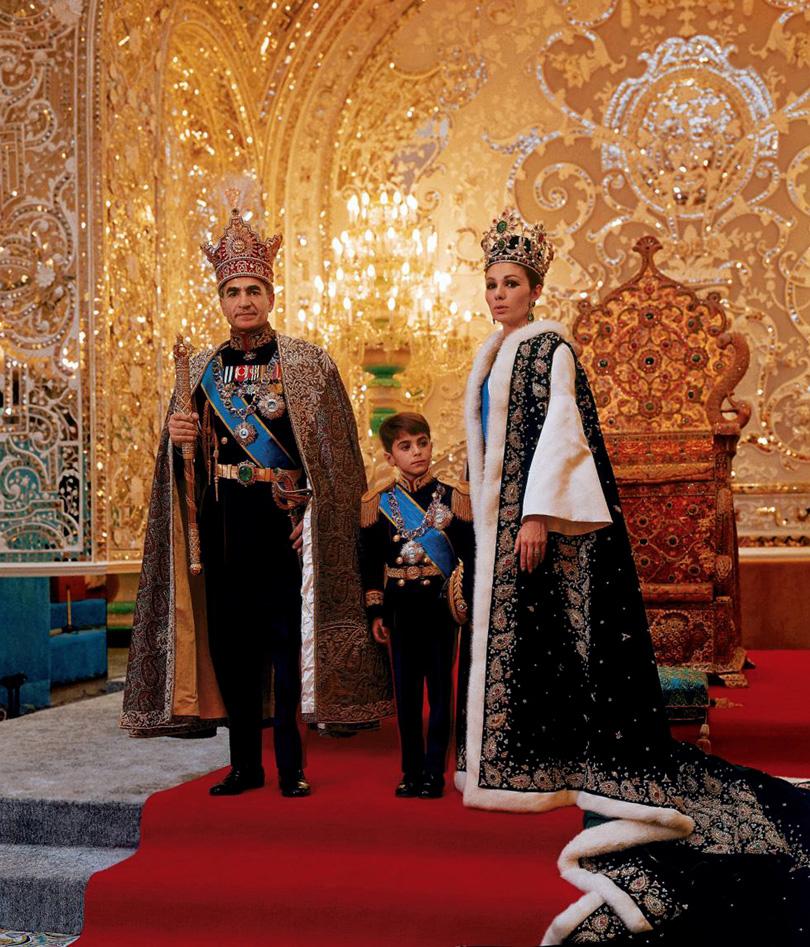
Although the 1979 revolution grew out of widespread popular dissatisfaction with the shah’s policies and repressive rule, many of the grievances it sought to address extended much further, to British, Russian and U.S. moves for influence in Iran from the 19th century through the Cold War. To grasp the intensity of public anger in 1979, one must go back much further to a long history of foreign intervention in Iran’s affairs. These powers exerted control over Iran’s economy, politics, and natural resources, often at the expense of its sovereignty. This pattern reached a turning point in the 1953 Iranian coup d’état. In that year, the democratically elected Prime Minister Mohammad Mossadegh, who had nationalized Iran’s oil industry, was overthrown in a coup orchestrated by the United States and the United Kingdom. The coup restored the Shah to power and marked the beginning of a new era of authoritarian rule backed by Western interests. For many Iranians, this event became a symbol of betrayal and a clear indication that their political destiny could be manipulated by foreign powers. It planted seeds of resentment that would grow over the next two decades, eventually feeding into revolutionary fervor.
The Shah’s Modernization: Progress Without Participation
In 1963, the Shah launched an ambitious reform program known as the White Revolution. Its goals were transformative: land redistribution, industrial expansion, infrastructure development, and increased rights for women, including suffrage. On paper, the reforms appeared progressive. Iran experienced rapid economic growth, rising literacy rates, and urban expansion. Yet beneath this apparent success lay deep structural problems. The benefits of modernization were unevenly distributed. Wealth accumulated among elites, while rural populations were displaced by land reforms that often failed to provide sustainable livelihoods. Many migrated to cities, only to face unemployment, poor living conditions, and cultural alienation. Moreover, modernization was imposed from above, with little regard for public participation. Traditional structures particularly religious institutions were sidelined. For many Iranians, the reforms felt less like progress and more like forced Westernization, eroding cultural and religious identity.
Authoritarian Rule and the Machinery of Repression
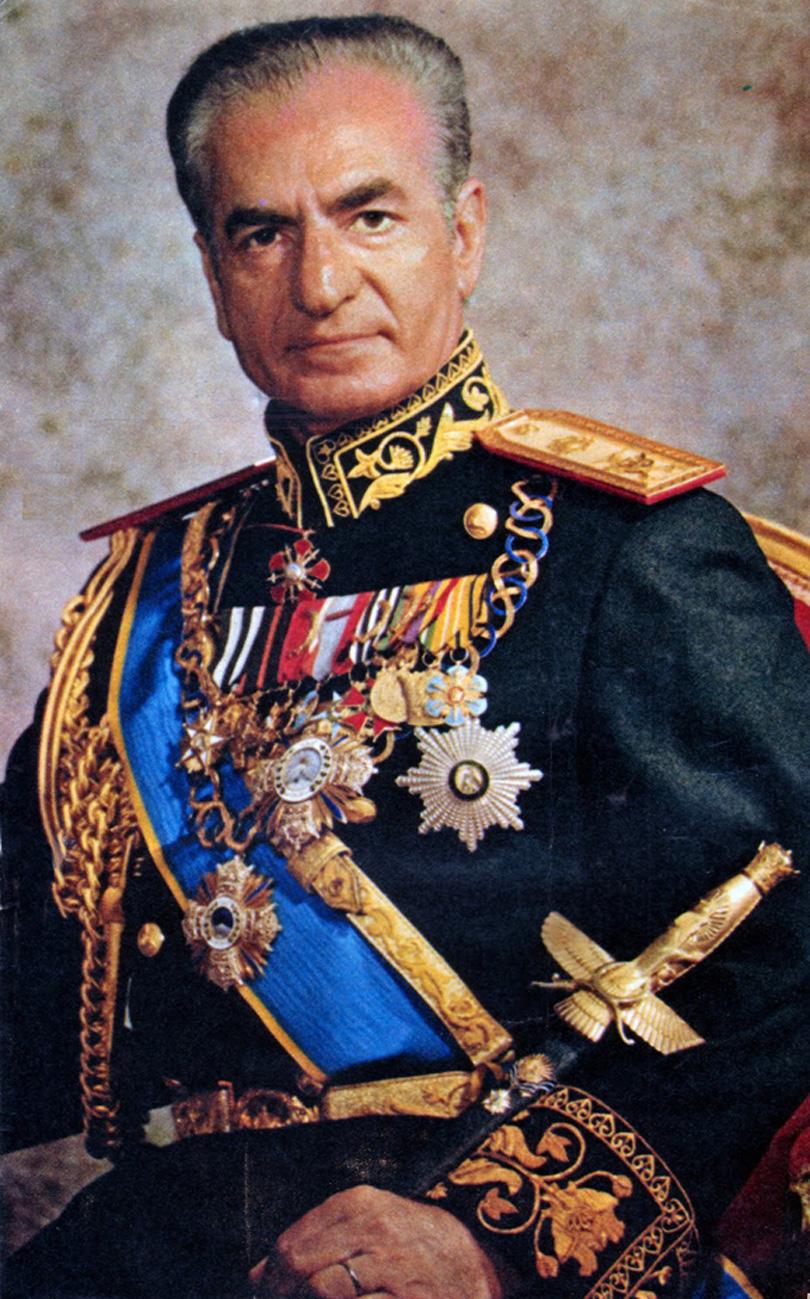
While pursuing modernization, the Shah also consolidated political power. Iran under his rule became increasingly authoritarian. Political opposition was suppressed, parties were marginalized or banned, and dissent was met with severe consequences. Central to this system of control was the secret police, SAVAK. Known for surveillance, censorship, imprisonment, and torture, SAVAK became a symbol of fear and oppression. Intellectuals, students, clerics, and activists were all targets. This repression created a paradox while the regime projected an image of progress and stability, it simultaneously silenced the very voices that could have contributed to meaningful reform. As a result, dissatisfaction did not disappear, it intensified, driven underground until it eventually erupted.
The Rise of Religious Opposition
Among the most influential critics of the Shah was Ruhollah Khomeini, a Shiʿi cleric based in the holy city of Qom. Khomeini opposed the Shah’s policies not only on political grounds but also on religious and cultural ones. He condemned the regime’s alignment with Western powers, particularly the United States, and criticized what he saw as the erosion of Islamic values. In 1964, after publicly denouncing the Shah, Khomeini was exiled. Yet exile did not silence him. From Iraq and later France, he continued to communicate with his followers in Iran. His speeches, recorded on tapes and smuggled into the country, circulated widely, especially among the urban poor and religious communities. Khomeini’s message resonated because it offered something that other opposition movements lacked a unifying ideology. While secular groups were fragmented, Khomeini framed resistance in terms of religion, identity, and justice concepts deeply rooted in Iranian society.
Economic Crisis and Social Discontent
By the 1970s, Iran’s economic model began to show signs of strain. Despite high oil revenues, inflation surged, and the cost of living increased dramatically. Government spending on ambitious projects often led to inefficiencies and corruption. At the same time, global economic instability and fluctuations in oil demand exposed the vulnerabilities of an economy heavily dependent on a single resource. For ordinary Iranians, economic hardship became increasingly visible. This economic frustration intersected with political and cultural grievances, creating a volatile environment. Students, workers, merchants, and clerics groups with very different interests found common ground in their opposition to the Shah.
1978 - The Year of Escalation
The revolution gained momentum in 1978, beginning with protests in the city of Qom. These demonstrations were sparked by a newspaper article that insulted Khomeini, but they quickly evolved into broader expressions of discontent. What followed was a cycle of protest and repression. Demonstrations were met with violence, leading to deaths that were commemorated in accordance with Shiʿi mourning traditions. Each commemoration sparked new protests, creating a self-perpetuating cycle of unrest.
Key moments intensified the crisis. In August 1978, a fire at a cinema in Abadan killed over 400 people. Though responsibility for the attack remains disputed, many blamed the regime, further eroding its legitimacy. In September, troops opened fire on protesters in Tehran during what became known as “Black Friday.” The use of lethal force against civilians shocked the nation and galvanized opposition. Strikes spread across the country, including in the vital oil sector. By October, a nationwide general strike had paralyzed the economy. The Shah’s authority was rapidly collapsing.
The Fall of the Shah
In a last attempt to regain control, the Shah appointed a military government and promised reforms. But it was too late. Trust in his leadership had eroded beyond repair. On January 16, 1979, the Shah left Iran, officially for medical treatment. In reality, it marked the end of his rule. Two weeks later, Khomeini returned to a triumphant reception. Within days, the military declared neutrality, effectively sealing the fate of the monarchy. On February 11, the revolutionary forces took control.
From Revolution to Islamic Republic
Initially, many revolutionaries envisioned a pluralistic political system. Secularists, leftists, and moderates believed they would play a role in shaping the new Iran. However, Khomeini and his allies quickly moved to consolidate power. In April 1979, a referendum established Iran as an Islamic Republic. The new political system was based on the principle of velayat-e faqih, the guardianship of the Islamic jurist placing ultimate authority in the hands of religious leadership. Over time, opposition groups were sidelined, suppressed, or eliminated. The revolution that had united diverse factions ultimately gave rise to a clerical state dominated by conservative forces.
Global Repercussions
The revolution’s impact extended far beyond Iran’s borders. Later in 1979, radical students seized the U.S. Embassy in Tehran, triggering the Iran hostage crisis. Dozens of American diplomats were held captive for 444 days, marking a dramatic rupture in U.S.-Iran relations. The crisis reinforced the revolution’s anti-Western identity and elevated Iran’s global profile as a defiant, revolutionary state. In 1980, Saddam Hussein launched an invasion of Iran, initiating the Iran-Iraq War. The conflict lasted eight years, causing immense human and economic loss. Yet it also served to unify Iranians against an external threat, strengthening the new regime.
A Revolution of Contradictions
The Iranian Revolution remains one of the most complex political transformations of the 20th century. It was driven by demands for justice, independence, and dignity. It united disparate groups under a common cause. Yet its outcome replaced one form of authoritarianism with another. The revolution also revealed a deeper tension within Iranian society, a struggle between tradition and modernity, religion and secularism, autonomy and global influence. These tensions did not disappear in 1979; they continue to shape Iran’s political and social landscape today.
Why the Revolution Still Matters
More than four decades later, the legacy of the Iranian Revolution continues to reverberate across the Middle East and beyond. It reshaped regional geopolitics, redefined the role of religion in governance, and challenged the global order. At its core, the revolution was about more than the fall of a king. It was about identity who controls it, who defines it, and how far a nation is willing to go to reclaim it. The story of 1979 is not just Iran’s story. It is a reminder that modernization without inclusion breeds resistance, that foreign intervention can leave lasting scars, and that revolutions, once unleashed, rarely unfold as their architects intend.