In Conversation with Dilrukshi Kurukulasuriya Chief Human Resources Officer, Diesel and Motor Engineering PLC
 Before I speak of titles, accolades, or corporate milestones, there is something deeply personal and quietly powerful about this conversation. Some journeys feel destined long before we recognize them as such, and for me, this interview carries the weight of legacy in the most literal sense. Dilrukshi Kurukulasuriya and I share more than admiration across generations; we were shaped by the same alma mater, Hillwood College Kandy and we both served as Head Prefects, guided by the same values and the same call to service. Dilrukshi Kurukulasuriya’s journey stands as a reminder that legacy is never accidental; it is cultivated with intention, strengthened through resilience, and carried forward by women who dare to lead with integrity. She is an Attorney-at-Law, alumna of Sri Lanka Law College, she brings together legal acumen, business intelligence, and deep human insight. With over nineteen years of experience and a seat on the Group Management Committee of DIMO PLC, she has been instrumental in shaping ethical corporate ecosystems, strengthening organizational culture, developing high-impact teams, and enhancing shareholder value through transformative HR interventions. Her excellence has earned international and local recognition including being named among the Top50 Professional and Career Women by Women in Management, Sri Lanka in 2017, and one of the Top 100 Global HR Minds in 2018. In this Legacy Builders feature, we explore her journey, her philosophy of leadership, her resilience in the face of doubt, and the enduring impact she hopes to leave on people, workplaces, and society.
1. What do you believe is the single most important leadership trait in today’s world?
For me, without hesitation, it is consistent integrity because in real organisational life, leaders are tested far more often than people realise. I emphasise consistent because integrity that appears only when it is convenient is not leadership; it is performance. Leadership is tested in everyday moments: who gets promoted, how mistakes are handled, whether rules are bent for “high performers,” and whether an organisation chooses the easy path or the right one. Over the years, I’ve learned that people don’t expect leaders to be perfect. But they do expect them to be predictable in their values. When integrity is consistent, people trust decisions even when they don’t like the outcome. That trust becomes the glue that holds organisations together, especially during uncertainty. Consistent integrity also allows leadership to scale. When values are clear, leaders don’t need micromanagement. They make the right calls even when you’re not in the room. That is when leadership truly multiplies.
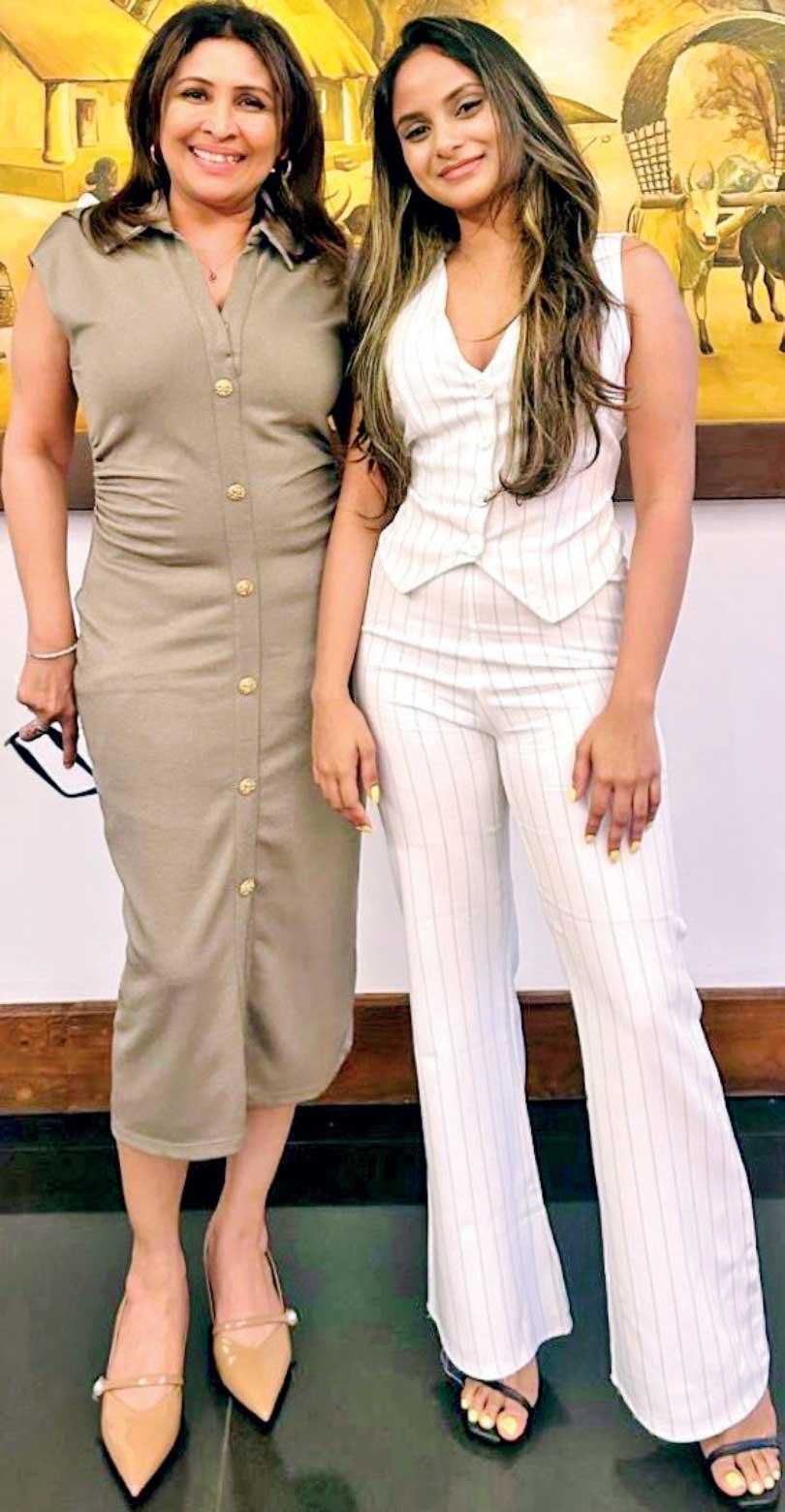
2. You began your career in Law before transitioning into Human Resources. What motivated that shift, and how has your legal background shaped your leadership style?
Law gave me discipline, structure, and a deep respect for fairness and due process. But over time, I realised that while Law helps interpret rules, my real interest was in shaping behaviour how decisions are made, how power is exercised, and how people are treated when the pressure is on. Human Resources gave me that space. It allowed me to influence leadership quality, organisational culture, and long-term sustainability not just outcomes, but consequences. My legal background continues to influence how I lead. I am rigorous about governance, clear about accountability, and uncomfortable with ambiguity that hides unfairness. At the same time, working closely with people taught me empathy, balance, and context. That blend legal rigour with human understanding has stayed with me well beyond HR. It shapes how I contribute today as a corporate leader and board member, where decisions must make commercial sense and still stand up ethically.
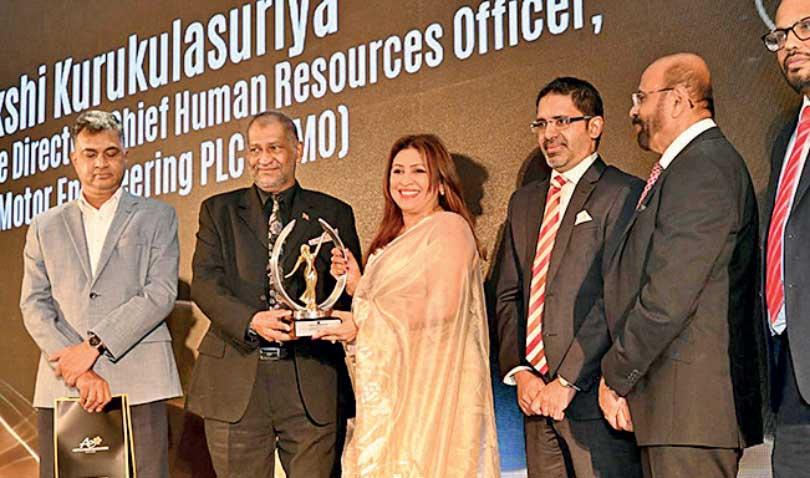
3. Looking back on your journey from Hillwood College to the main board of DIMO, what moments most shaped your confidence and ambition?
My leadership journey didn’t begin in boardrooms; it began very early in life. At Hillwood College, I was exposed to meritocracy and values-based leadership. Doing the right thing mattered, even when it wasn’t the easiest option. I was recognised not just for results, but for character and that shaped my confidence deeply. At home, as the eldest of five siblings, responsibility was never optional. At school, I was a class monitor from my early years and later served as Head Girl / School Captain in 1989. Leadership wasn’t a title it was expectation and service. I juggled studies with drama, speech, and other activities, learning early that excellence requires discipline and choice. Looking back, I genuinely believe my leadership character was formed in those years. The confidence to speak up, to take difficult decisions, and to stand by them didn’t suddenly appear in corporate life it was already there. Those early experiences quietly taught me that leadership is something you practise long before anyone formally gives it to you.
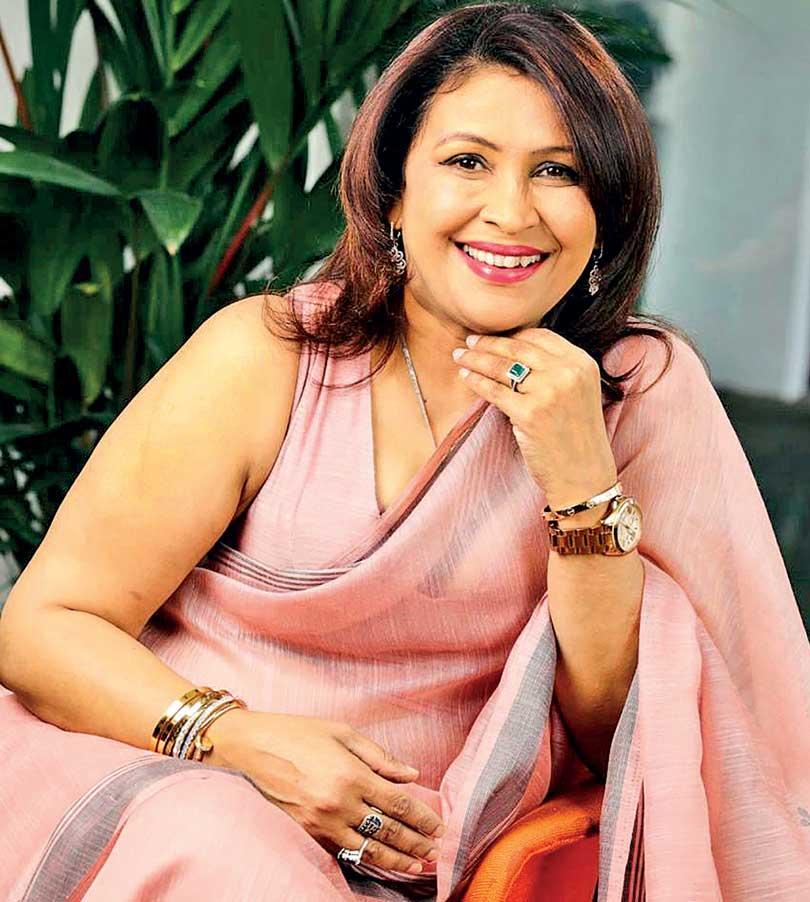
4. As a working mother who has achieved a remarkable work-life balance, what principles or systems have helped you manage both career and family successfully?
This has never been easy. What helped me was accepting that balance is not fixed. At different stages of life, priorities change. There were times when my children needed more of me, and times when work demanded intense focus. I allowed myself to prioritise without guilt. I also learned early that you cannot do everything alone. I used support systems whenever needed family, professional help, and trusted people because trying to be “superwoman” helps no one. What mattered to me was intention. I did not want to succeed in one role by failing completely in another. That awareness guided my choices, even when they were uncomfortable.
5. You’ve played a key role in building ethical ecosystems within organisations. Why do you believe ethics and culture are central to sustainable business success?
Because strategy may win markets, but culture decides longevity. Very early in my career, I introduced strong Values and Ethical Guidelines not as compliance documents, but as behavioural anchors. I believed then, and still believe now, that organisations must be clear not only about what they aim to achieve, but about how they choose to achieve it. At DIMO, values were embedded into leadership expectations, performance conversations, and decision-making. There were moments when walking away from short-term gains wasn’t popular, but it protected trust, reputation, and people in the long run. That clarity builds value-based leaders. It also protects organisations from ethical erosion long before risks become visible. In my experience, ethics don’t slow businesses down; they strengthen them.

6. How do you keep teams motivated and aligned during conflict, resistance, or uncertainty, especially in high-pressure environments?
Alignment begins with clarity and safety, and it reduces stress. We aligned people through a shared vision, strong values, and clearly defined KPIs, so teams always understood what truly mattered. At the same time, we worked deliberately to create a culture that was psychologically, physically, and socially safe. When people feel safe to speak honestly and challenge respectfully, resistance reduces. Motivation increases when people feel respected, heard, and treated fairly especially during uncertainty. When you operate in high pressure environments, fear does not sustain performance. Only Trust does.
7. Given the disproportionate pressure women continue to face in the workplace, what transformation is most urgently needed for women in leadership over the next decade?
I feel that women need to stop trying to live up to impossible standards. You cannot be everything to everyone, all the time. Leadership requires partnership, delegation, and the courage to challenge social norms not silently conform to them. Women must learn that it is acceptable to ask for support and to train dependents to be independent, even partially. At the same time, organisations must move beyond tokenism and design leadership models that genuinely reflect the realities women navigate. Real progress will come when women are allowed to lead as they are not as exhausted versions of unrealistic expectations of leaders or corporates or their families.
8. Being named among the Top 100 Global HR Minds is a major achievement. What did that recognition mean to you personally?
For me recognition is meaningful, and I appreciate it. But it has never been my end goal. I’ve learned that recognition feels good for a day or two but impact stays with you for life. What matters more to me is the leaders developed, the systems built, and the organisations strengthened. Over time, my work has expanded well beyond traditional HR into business leadership, governance, education, and capability building across functions. Awards may acknowledge a moment. Impact builds a legacy.
9. You are known for your warmth, charm, and ability to connect with people. How do you maintain authenticity while holding positions of authority?
For me, authority is given to carry responsibility, not to change who I am. The qualities I bring authenticity, warmth, connection are strengths. Leadership is not about power, it is about understanding people and understanding oneself. That comes from experience, emotional intelligence as much as technical competence. I’ve never believed that authority requires distance. Respect grows when people know you are real, fair, and consistent.
10. Where do you see yourself in ten years from now, and what legacy do you hope your leadership leaves behind?
In the years ahead, I see myself contributing at a broader level as a board member, corporate leader, mentor, and institution builder. The legacy I hope to leave is simple but meaningful. Proof that leadership grounded in integrity, discipline, and empathy can deliver strong business results and that it is possible to rise beyond roles and titles while lifting others along the way.
11. When you think of the word “legacy,” what does it mean to you personally?
Legacy is not about being remembered. It is about what continues to work long after you have stepped aside. It is the leaders who make principled decisions independently. The systems that outlast personalities. The courage that becomes normal. That is the legacy I care about.
12. If you could offer one powerful message to young women aspiring to leadership, what would it be?
Do not wait to be perfect and chosen to Lead but be prepared to take opportunities. Build your competence build your character not to fit in but to make a real change so that many others can believe its possible for them too.