The Secret to Good Handwriting Isn’t a Pencil. It’s a Playground.
 When you see a child struggling to write, gripping the pencil awkwardly, letters tilting off the page; the solution seems obvious, doesn't it? More practice. More worksheets. More time sitting still. But what if that’s exactly the wrong approach?
Handwriting is sold to us as a quiet, seated skill. Something born from diligence and neatness. But look closer, and you’ll see the truth: writing is a full-body act. That neat row of letters doesn’t start with the fingers. It starts in the shoulders. In the core. In the confident, stable body of a child who has pushed, pulled, climbed, and swung their way to being ready. We’ve got it backwards. We focus on the tip of the pencil when we should be focusing on the foundation of the body. Fine motor control does not develop in isolation. The hand cannot do what the body cannot support. A wobbly core leads to wobbly letters. Weak shoulders mean a tired, shaky grip.
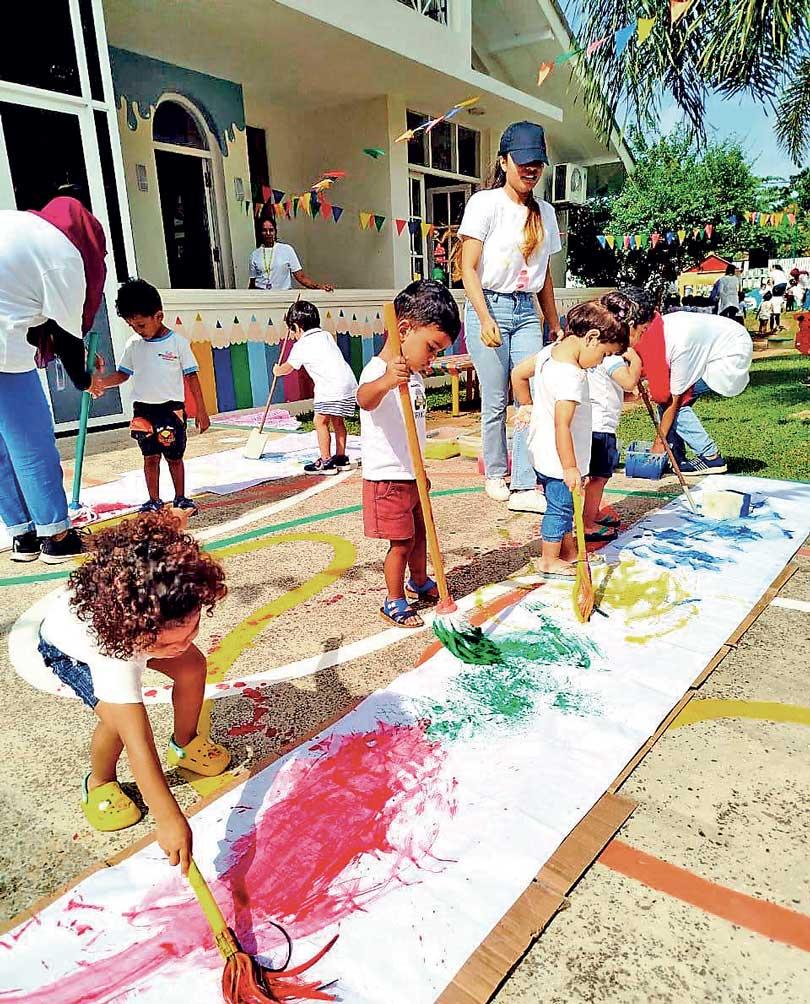
Before a child can control a pencil, they need to control their world through movement. That’s why the answer to messy handwriting is almost never “more practice at the table.” It’s more time on the monkey bars, developing shoulder stability. It’s digging in the sandpit, building hand strength. It’s pushing a heavy cart or pulling a friend in a wagon, learning how to brace and move. It’s climbing a tree, which demands coordination, balance, and a fearless trust in one's own body. These aren’t just games. They are the essential pre-writing curriculum.
When we skip these steps and rush children to tables before their bodies are ready - we aren’t teaching them to write. We are teaching them frustration. We are associating this vital skill with strain and failure. The pencil becomes an enemy, the page a field of defeat. So, what does this mean for us? It means we must defend the right to move. It means seeing the rough-and-tumble, the messy, the loud, and the active not as distractions from learning, but as its very engine.
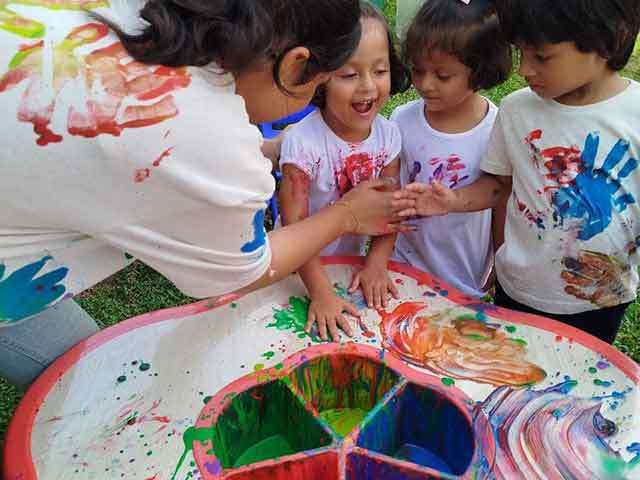
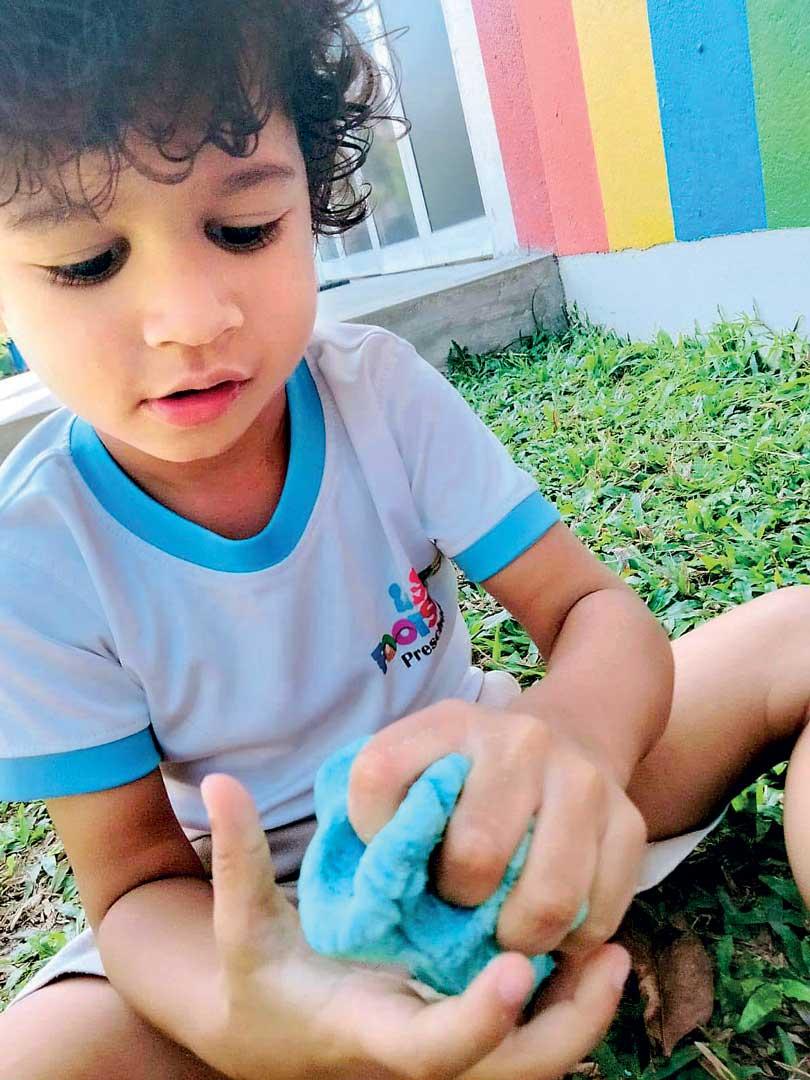
At home, it might look like prioritizing the park over an extra tutoring worksheet. It might mean play-dough, Lego, and helping to knead bread dough before ever picking up a pencil. It’s understanding that building a fortress with couch cushions is as important for school readiness as knowing the alphabet. In early childhood spaces, it means designing environments where movement is not an afterthought, but the heart of the day. It means having teachers who know that a child struggling to write might just need a trip to the obstacle course, not another letter-tracing sheet. The message is simple, yet revolutionary. Strong foundations first; writing follows.
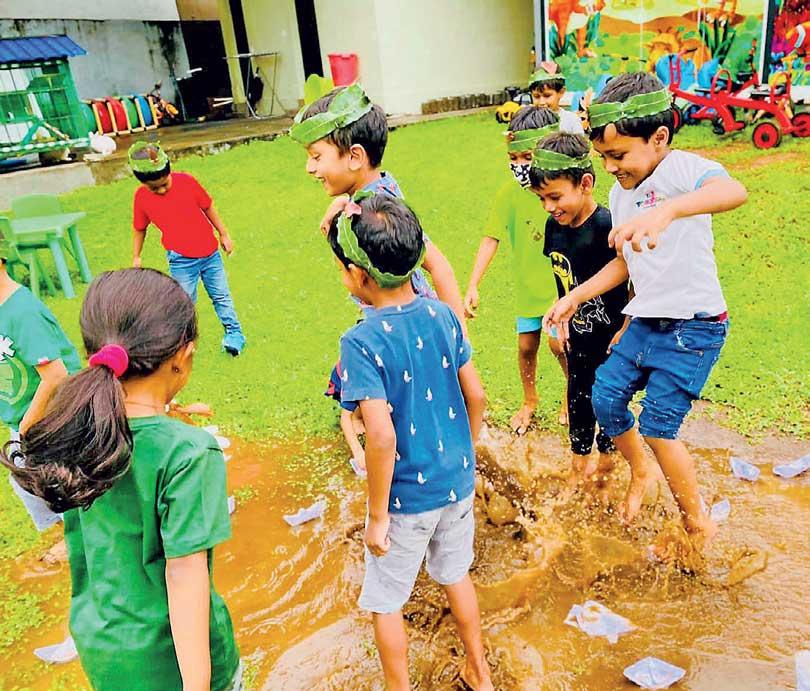
We must stop asking, “why can’t my child write neatly?” and start asking, “has my child’s body been prepared to write?” The path to better handwriting doesn’t lead to a desk. It leads outdoors. It leads to the swing set, the climbing frame, the muddy patch at the back of the garden. It’s built with every push, every pull, every confident joyful leap. The letters will come. But first, they need a body that is strong, stable, and ready. Let’s build that foundation; one climb, one swing, one glorious movement at a time.