Illuminating the Path from Awareness to Hope In Conversation with Amila Attygalle, Deputy Chairperson, Sri Lanka Cancer Society
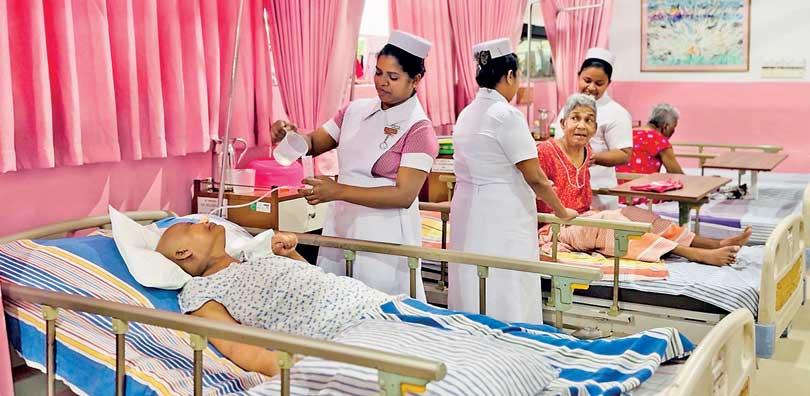
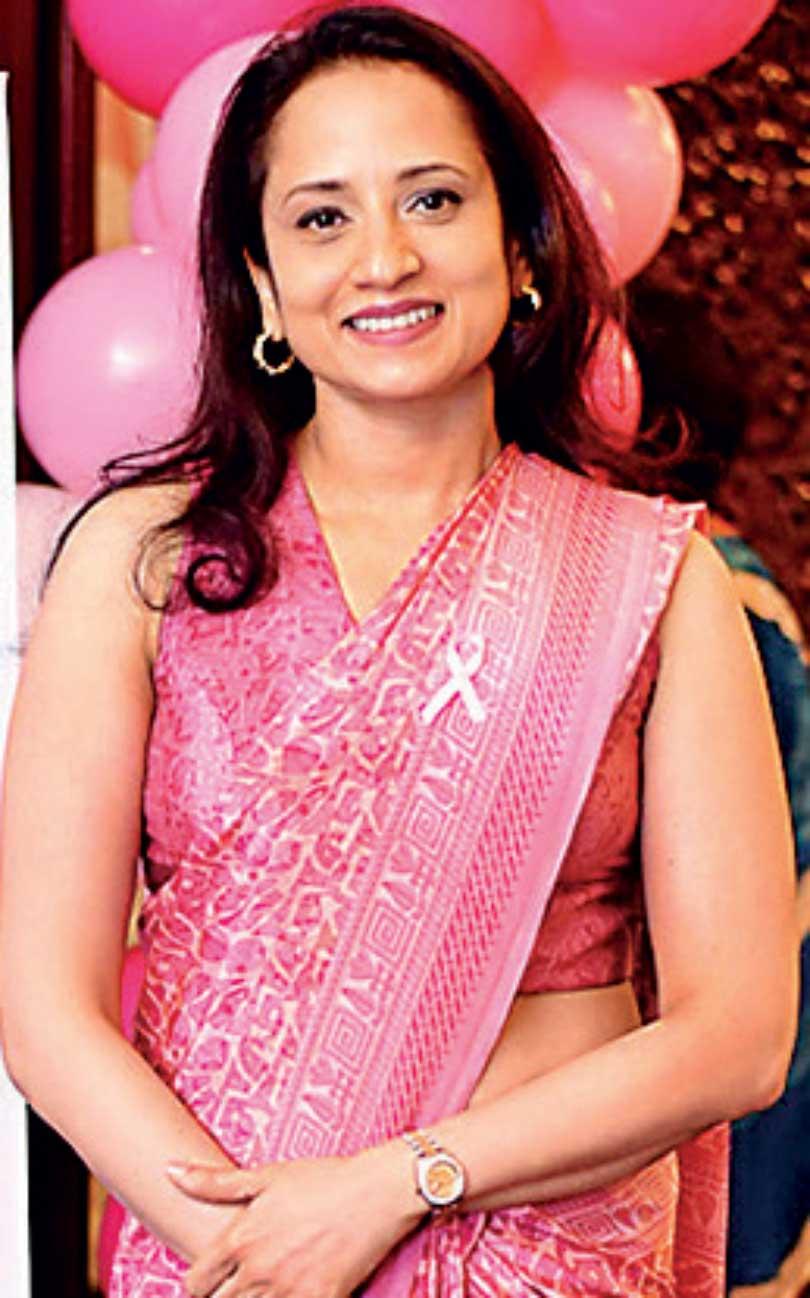
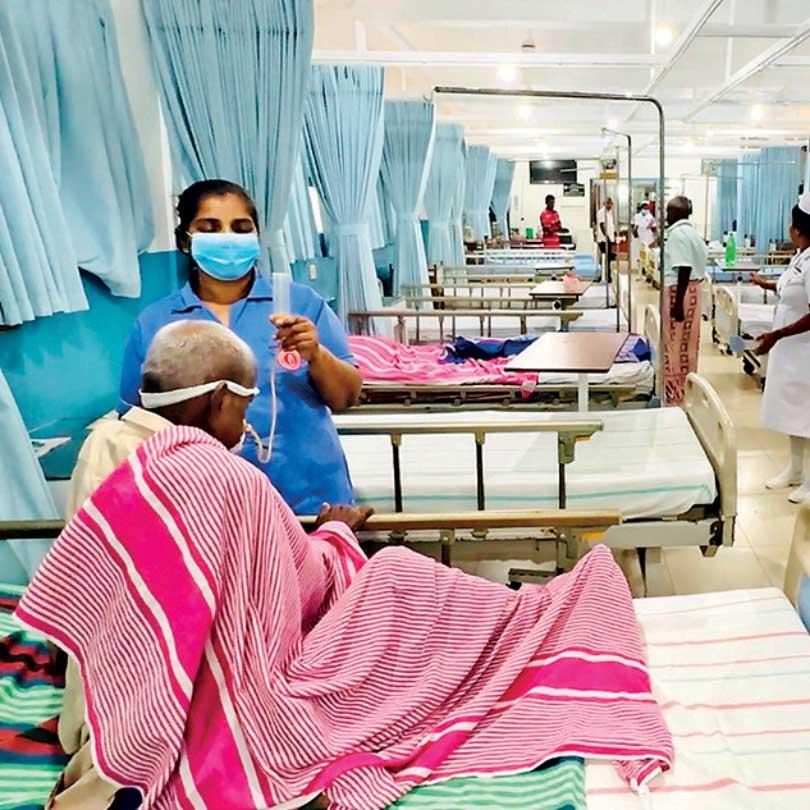
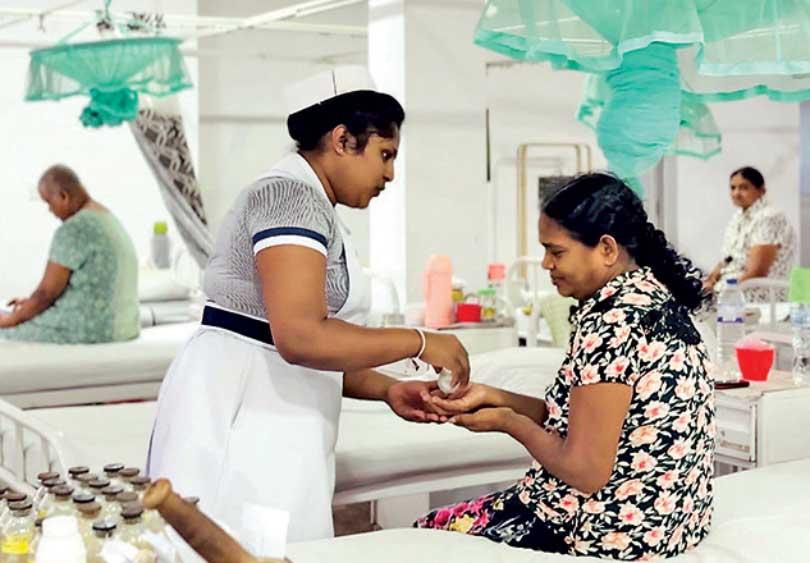
 For nearly eight decades, the Sri Lanka Cancer Society has quietly stood alongside those confronting one of life’s most profound challenges. Since 1948, it has grown from a modest care provider into a national beacon of hope, awareness, and unwavering compassion. Its impact is not measured in headlines or statistics, but in the intimate moments it shapes: a patient guided gently through treatment, a family reassured that their loved one will not face their final days alone, a rural community learning, perhaps for the first time, the life-saving importance of early detection. Within the walls of its hospice and transit homes, care is tangible and deeply human. Patients receive not only medical attention but dignity, comfort, and emotional support. Families witness the quiet kindness extended to those most vulnerable, a reminder that even in the shadow of illness, life’s final chapters can be met with respect and grace. Beyond these walls, the Society’s volunteers, youth ambassadors, and educators carry awareness into schools, factories, and villages, challenging stigma, spreading knowledge, and inspiring action where it is needed most. As we approach World Cancer Day on February 4th, we spoke with Amila Attygalle, Deputy Chairperson of the Sri Lanka Cancer Society. In her words, beyond the programmes, the outreach, and the advocacy, there exists a singular truth: at the heart of it all is compassion, and it is this that turns care into hope.
1. In nearly 80 years of service since 1948, the Sri Lanka Cancer Society has evolved from a care provider to a national awareness leader. What key philosophies have guided this transformation, and how do you see the Society’s role in Sri Lanka’s future of cancer prevention and care?
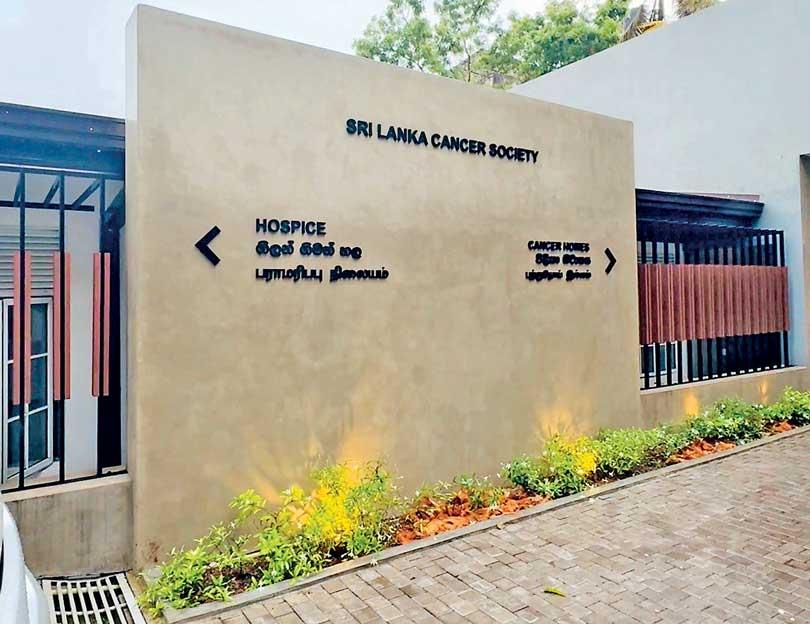
The guiding philosophy of the Sri Lanka Cancer Society has always been rooted in our mission: the provision of care and solace to needy cancer patients, while equally working towards increasing awareness of cancer. This dual focus has shaped our evolution over nearly eight decades. As a non-profit organization, we offer our services free of charge and rely on public donations and goodwill. Our work reflects our mission and spans a wide range of initiatives, including the operation of a transit home and hospice, which are advantageously situated adjacent to the Apeksha Hospital, for patients in need, nationwide awareness programmes, the maintenance of a vital drug fund, and rehabilitation support for cancer survivors. I firmly believe the Society plays a pivotal role in both prevention and care. Prevention remains the most cost-effective and sustainable strategy, particularly for low- and middle-income communities, and our Public Education Team continues to work tirelessly across the country. At the same time, we remain committed to providing compassionate, high-quality care to every patient who seeks our support.
2. As we mark World Cancer Awareness Day on 4th February, what core message about prevention, early detection, and community engagement do you believe the public most urgently needs to hear now?
The most urgent message is the importance of regular cancer screening; understanding when to be screened, how often, and where these services are available. Early detection can save lives, particularly for cancers such as breast, cervical, and lung cancer, which can often be identified through relatively simple screening methods. Increasing public awareness and encouraging timely screening must remain a national priority.
3. Shantha Sevana was Sri Lanka’s first dedicated hospice for terminally ill cancer patients. Could you share a story or observation that best captures how dignity and compassion transform a patient’s final chapter?
Families of patients at Shantha Sevana frequently share how reassured they feel knowing their loved ones are receiving a level of care they are unable to provide at home. While many of our patients come from underprivileged backgrounds, we also care for individuals with financial means who lack access to proper palliative care at home. What stands out most is the atmosphere of dignity, respect, and kindness. Pain and symptoms of the patients are managed with great sensitivity, and they receive continuous emotional support. Each individual is valued and cared for with compassion until the very end, ensuring their final chapter is lived with comfort and dignity.
4. The Bandaranaike Memorial Cancer Homes provide transit accommodation for patients undergoing treatment. How has this facility changed the treatment journey for rural or under-resourced patients, and what improvements are you hoping to introduce next?
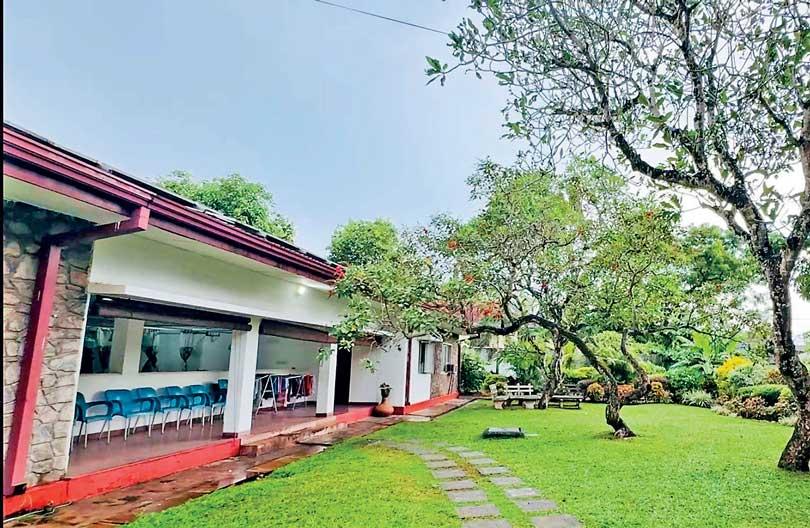
The transit home has significantly transformed the treatment journey for patients from rural and under-resourced communities. Patients are taken to and from hospital appointments, provided with nutritious meals, and receive nursing care, allowing them to focus on recovery rather than logistical challenges. We have recently renovated the facility to enhance both its aesthetic appeal and quality of care. Moving forward, we hope to introduce structured emotional-support initiatives such as guided meditation programmes, aimed at promoting calm, reflection, and psychological well-being during treatment.
5. The Society’s Relief & Rehabilitation programmes support patients beyond hospital treatment. Beyond financial aid, what psychological or vocational approaches do you prioritize to help survivors rebuild their lives with dignity?
Our approach is highly individualized. With donor support, we assist patients in rebuilding their lives through vocational and educational assistance. A few examples include providing sewing machines for female entrepreneurs, computers for university students, toilet renovations, and other home improvements. Each case is assessed individually, based on need and the availability of funding.
A particularly vital component of our rehabilitation work is the Drug Fund, which provides opportunities to patients to purchase costly life-saving medications unavailable at the Apeksha Hospital pharmacy. This fund plays a crucial role in supporting patients beyond hospital treatment and truly embodies the depth of care and compassion the Society strives to provide.
6. Education programmes reach villages, factories, schools, and institutions. How do you measure the effectiveness of these campaigns, and where do you see gaps still needing urgent attention?
Measuring effectiveness, particularly in rural communities, remains challenging. However, we have observed encouraging outcomes in factory-based breast cancer awareness programmes, where follow-up by HR departments has led to early detection of breast lumps among employees. One of the most significant gaps we continue to face is social stigma. Despite awareness efforts, many individuals hesitate to follow up on screenings or medical check-ups due to stigma surrounding cancers such as breast and cervical cancer. Addressing these cultural barriers requires sustained community engagement and education.
7. Long-standing partnerships such as with the private sector play a role in sustainability. What would an ideal collaboration look like between the Cancer Society, corporate partners, and government stakeholders to scale nationwide prevention and early detection?
An ideal collaboration would be a structured, long-term partnership where each stakeholder contributes its strengths. The Cancer Society brings community trust, outreach expertise, and grassroots engagement; the private sector can offer financial support, innovation, and workplace-based screening initiatives; and government stakeholders provide policy backing, infrastructure, and nationwide reach. Together, these partnerships could enable large-scale screening programmes, standardized referral systems, and sustained awareness campaigns that reach even the most remote communities, ensuring prevention and early detection are accessible to all.
8. Advocacy often begins with grassroots awareness but must reach policymakers. How is the Society engaging with health authorities to influence national cancer screening, reporting systems, and public health strategies?
The Society works closely with the National Cancer Control Programme and actively advocates for key public health priorities, including tobacco control, HPV vaccination, environmental pollution control, and the promotion of healthy lifestyles. Through collaboration and consistent advocacy, we aim to strengthen national cancer prevention and control strategies.
9. As an associate member of the Union for International Cancer Control (UICC), how does this global network enhance your programmes locally; from best practices to funding opportunities?
While we do not receive direct funding from the UICC, the network provides valuable access to global knowledge, best practices, and innovative ideas. These insights help us continuously refine and strengthen our local awareness programmes and align them with international standards.
10. Beyond physical treatment, emotional resilience is crucial. How does the Society integrate counselling, community support, or caregiver education into its patient care continuum?
Emotional support is an integral part of our care model. Patients receive continuous emotional reassurance through our hospice and transit home services, where staff and volunteers are trained to provide compassionate, patient-centered care. Families and caregivers are also supported through guidance and education, helping them better understand the emotional and physical needs of their loved ones. Where possible, we facilitate counselling and peer support, recognizing that emotional resilience is essential to holistic healing.
11. To build a prevention-driven future, what role do youth, volunteers, and community leaders play, and how can more people meaningfully get involved beyond financial donations?
Youth, volunteers, and community leaders are essential ambassadors for prevention. They help challenge stigma, spread accurate information, and encourage early screening within their own communities. Beyond financial contributions, individuals can support our work by volunteering, organizing awareness activities, advocating for healthy lifestyles, and serving as trusted voices who inspire behavioural change at the grassroots level.
12. On this World Cancer Awareness Day, after years of service, what has been the most profound lesson cancer has taught you about humanity, resilience, and hope?
Through my experiences, I have witnessed extraordinary resilience and perseverance by cancer survivors. Time and again, I have seen how hope, strengthened by the unwavering support of family, friends, and organizations such as the Sri Lanka Cancer Society, can lead to remarkable outcomes. We strive to make the patients feel that they are never alone in this fight and that the Sri Lanka Cancer Society stands beside them every step of the way. Above all, these experiences have reaffirmed my belief that with compassion, community support, and sustained care, hope can prevail even in the face of cancer.