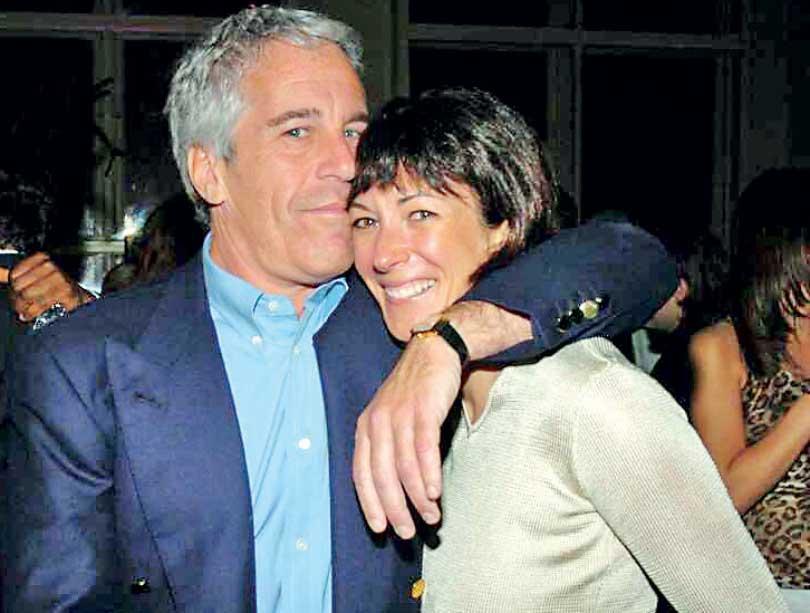
Jeffrey Epstein and Ghislaine Maxwell

Bill Gates

Prince Andrew
The department characterized this as bringing total production to nearly 3.5 million pages of documents, although critics argue this represents only about half of potentially responsive material identified internally. The disclosure represents one of the largest single releases of law enforcement material in modern history and has rapidly become a global headline story. It has also sparked fierce controversy, vehement protests from survivors and lawyers, accusations of official cover-ups, political warfare on Capitol Hill, and renewed scrutiny of powerful figures named in the documents. The current standoff highlights the competing imperatives of public transparency, victim privacy, historical accountability, and political narrative control.
Why the Files Were Released and What the Law Required
The ‘Epstein Files Transparency Act’ was signed into law on the 19th of November 2025 and mandated the disclosure of all unclassified records, communications, investigative materials, images, and videos related to the investigations and prosecutions of Jeffrey Epstein and his associate Ghislaine Maxwell. The statute gave the Justice Department 30 days to publish these materials in a searchable and downloadable format, and required inclusion of references to individuals, including government officials and others associated with Epstein’s criminal enterprises. Epstein, a financier who cultivated a network of wealthy, elite connections, had been convicted in 2008 of soliciting a minor for prostitution and later faced federal sex trafficking charges in New York. He died in federal custody in 2019 while awaiting trial on additional conspiracy and trafficking counts. Maxwell was convicted in 2021 for her role in facilitating Epstein’s abuse network and is serving a 20-year sentence. In response to public pressure and political momentum, lawmakers passed the transparency act to force the release of files long sought by survivors, journalists, and activists who argued that government institutions had for years protected powerful individuals and minimized accountability.
The Document Release and Its Contents
Deputy Attorney General Todd Blanche announced the 30th of January release, asserting that the department had met its obligations under the law. The published materials derive from multiple sources, including court records from Florida and New York cases, FBI investigative files, emails, photos from Epstein’s properties and travel, and other law enforcement repositories. The Justice Department detailed that it employed a review and redaction process involving hundreds of attorneys and reviewers to try to balance legal requirements, victim privacy protections, and the statutory mandate for transparency. Global reporting highlights that the newly released tranche includes communications and documents mentioning former political advisers, corporate figures, billionaires, entertainers, and prominent public officials.
Investigative outlets have described materials that contain references to individuals from both the United States and abroad, including UK, Europe and the Middle East, fuelling international attention and scrutiny. The files also reportedly contain references to flight logs, travel documents, and other records associated with Epstein’s private jets and movements over years of operations. Journalistic analysis suggests some materials may shed light on the extent and nature of Epstein’s social and business networks, but the mere presence of names or emails does not equate to allegations of criminal conduct. Many individuals identified in the documents have denied any wrongdoing, and no new criminal indictments have yet emerged directly from the release.
Backlash Over Victim Privacy and Redaction Failures
The most explosive backlash to the file release has come from survivors and their legal representatives. Lawyers for alleged Epstein victims have urged federal judges to order an immediate takedown of the Justice Department’s Epstein files website, characterizing the situation as an “unfolding emergency” due to widespread failures to properly redact identifying information. They argue that the department’s redaction protocols were inadequate, leaving victims and witnesses exposed to public identification, harassment, and potential harm. A review by The Wall Street Journal found that at least 43 victims’ names appeared unredacted in documents, including numerous minors and people who had never publicly identified themselves. Some files reportedly included personally identifiable information such as home addresses. Lawyers for survivors have said they provided the Justice Department with lists of names to be redacted in advance, yet errors persisted, forcing victims to comb through millions of pages to flag issues manually. Victims have reportedly faced online harassment following exposure of their identities. Former prosecutors, activists, and commentators have criticized the release as an example of systemic incompetence and negligence. Some advocacy groups argue that the Justice Department undermined the very privacy protections the transparency law was intended to respect, inadvertently retraumatizing survivors by exposing their identities to public view.
Political Firestorm and Accusations of Cover-Up
Beyond privacy concerns, lawmakers on both sides of the aisle have accused the Justice Department of failing to fully comply with the Epstein transparency law. Critics point out that internal reviewers identified approximately six million potentially responsive pages, but only about 3.5 million were released. Opponents of the administration’s approach, including Democrats and some Republicans, have described this as a partial, belated, and insufficient release that could amount to obstruction of the law’s intent. They have accused the Department of Justice of withholding critical interviews, FBI victim statements, and other key materials. The political furor has split along and across party lines, with some lawmakers calling for independent oversight of future releases, judicial intervention, and greater accountability for decisions about redactions and withholding. House and Senate committee hearings have been proposed to scrutinize the Justice Department’s review process, allocation of redaction resources, and compliance with statutory deadlines.
International Repercussions and High-Profile Figures
The Epstein files’ release has also reverberated beyond the United States. Reporting from European, Asian, and Middle Eastern news outlets highlights references to individuals from influential circles in multiple countries, prompting questions about the extent of Epstein’s global connections. Specific attention has been drawn to communications involving British figures, including former Duke of York, Prince Andrew, whose correspondence with Epstein, revealed in the files, has reignited calls for cooperation with U.S. investigators. Those named have denied wrongdoing, but the disclosures have intensified public debate about elite accountability. In some cases, materials have been interpreted, and misinterpreted, by analysts and social media commentators as evidence of hidden “client lists” or blackmail schemes. While the Justice Department and investigators have consistently denied that the files contain a formal list of blackmail targets, the persistence of such narratives underscores the powerful appetite for definitive revelations and the political and cultural context that amplifies speculation.
Survivors, Advocates and the Demand for Reform
Survivors of Jeffrey Epstein and their advocates argue that the government’s handling of the Epstein files exposes deeper systemic failures in the criminal justice system. They say the current disclosure process has prioritised volume over care, failing to properly balance public transparency with the protection of victims’ privacy. Many survivors have used the release to call for reforms in how sexual abuse cases are investigated, prosecuted, and documented, particularly when powerful individuals are involved. They stress that transparency should be a catalyst for structural change, not a symbolic document dump. The saga remains unresolved. Legal challenges over redactions and takedown requests continue, while lawmakers consider whether transparency laws need tightening. Critics say key records remain inaccessible and that official claims of full compliance are incomplete. Survivor advocates are pressing for judicial oversight, independent review, and stronger safeguards to prevent further harm. As political disputes, media scrutiny, and public debate persist, the Epstein files have become a contested archive that will shape discussions on power, accountability, and justice for years to come.
Notable Names
Presence in records does not constitute proof of wrongdoing, and no criminal charges have been brought against any of the individuals listed here.
Bill Gates
Bill Gates’ name appears in Epstein related files and reporting primarily through meeting records and emails showing multiple interactions after Epstein’s 2008 conviction. In 2023, The Wall Street Journal reported that Epstein had threatened to expose an alleged past extramarital relationship involving Gates and suggested Gates had contracted a sexually transmitted disease. Gates has strongly denied the allegation, calling Epstein’s claims an attempt at blackmail and intimidation. There is no evidence Gates committed any crime, and no accusation links him to Epstein’s abuse of minors. Gates has publicly said his association with Epstein was a serious error of judgment.
Bill Clinton
Bill Clinton’s name appears in flight logs and witness statements released through court records and investigative files. Clinton has acknowledged knowing Epstein socially but has stated he never visited Epstein’s private island and had no knowledge of Epstein’s criminal activities. No allegation in the files accuses Clinton of sexual misconduct, and he has never been charged in connection with Epstein.
Elon Musk
Elon Musk appears in correspondence and contact references within Epstein related materials. Musk has publicly denied having any substantive relationship with Epstein and stated he declined invitations to meet him. After renewed attention in 2026, Musk dismissed claims linking him to Epstein as false and misleading. No allegations of wrongdoing have been made against him.
Prince Andrew
Prince Andrew remains the most legally scrutinised figure associated with Jeffrey Epstein. He has consistently denied allegations of sexual abuse made by Virginia Giuffre but reached a civil settlement with her in 2022 without admitting liability. Epstein related files include correspondence, photographs, and witness references that place Andrew within Epstein’s close social circle. Furthermore, newly released material from the Epstein files included photographs that have attracted renewed international attention. The images appear to show Prince Andrew crouched or on all fours over a fully clothed, unidentified woman lying on the floor. The photographs are undated and were part of the approximately 3.5 million pages of documents released by the United States Department of Justice. In the images, Andrew is seen leaning over the woman in an interior setting that some reports suggest resembles Jeffrey Epstein’s Manhattan townhouse, whilst some suggest it to be Buckingham Palace, although no verified context, explanation, or timestamp has been provided. Prince Andrew has not faced criminal charges in connection with Epstein.
Sarah Ferguson
Recent releases include emails attributed to Sarah Ferguson, the former Duchess of York, that have drawn fresh public attention and criticism. Previously reporting had focused on Ferguson’s financial ties with Epstein, including his assistance in covering her debts and her earlier statements portraying the association as a serious error of judgment. However, the newly disclosed correspondence contains two particularly notable elements that have emerged in global media coverage. First, an email dated March 2010 that is widely reported to have been sent by Ferguson to Epstein includes a crude reference to her daughter, Princess Eugenie. In that message Ferguson apparently wrote that she was, “just waiting for Eugenie to come back from a shagging weekend,” referring to Princess Eugenie’s travel at the time. This remark has been described by commentators as vulgar and inappropriate and has sparked discussion about her judgment in private communications with Epstein. This message was written when Eugenie was about 19 or 20 years old and has not been linked to any allegation of misconduct by Princess Eugenie herself. The attention surrounding this comment relates to the tone and context of the correspondence, not to any criminal claim about her daughter. Another email attributed to Ferguson in September 2011 reportedly congratulated Epstein on the birth of a “baby boy” that she had heard about from then-husband Prince Andrew. The message suggests she was expressing friendship and congratulations despite Epstein’s conviction for sex offences at that time. The claim that Epstein had a secret child remains unverified and is part of broader controversies arising from the documents; there is no confirmed evidence that Epstein fathered children.
President Donald Trump
President Donald Trump knew Epstein socially in the 1990s. He later stated he cut ties with him and has denied any knowledge of Epstein’s crimes. No allegations have been sustained.
Prime Minister Narendra Modi
Prime Minister Narendra Modi’s name surfaced in global media coverage after speculation online suggested possible links to Epstein through international forums and conferences. India’s government swiftly dismissed any implication as baseless. Prime Minister Modi has never been accused of misconduct, and no evidence places him in Epstein’s social or travel networks. Indian officials described the claims as misinformation amplified by social media rather than supported by documents.