Indeewari Amuwatte
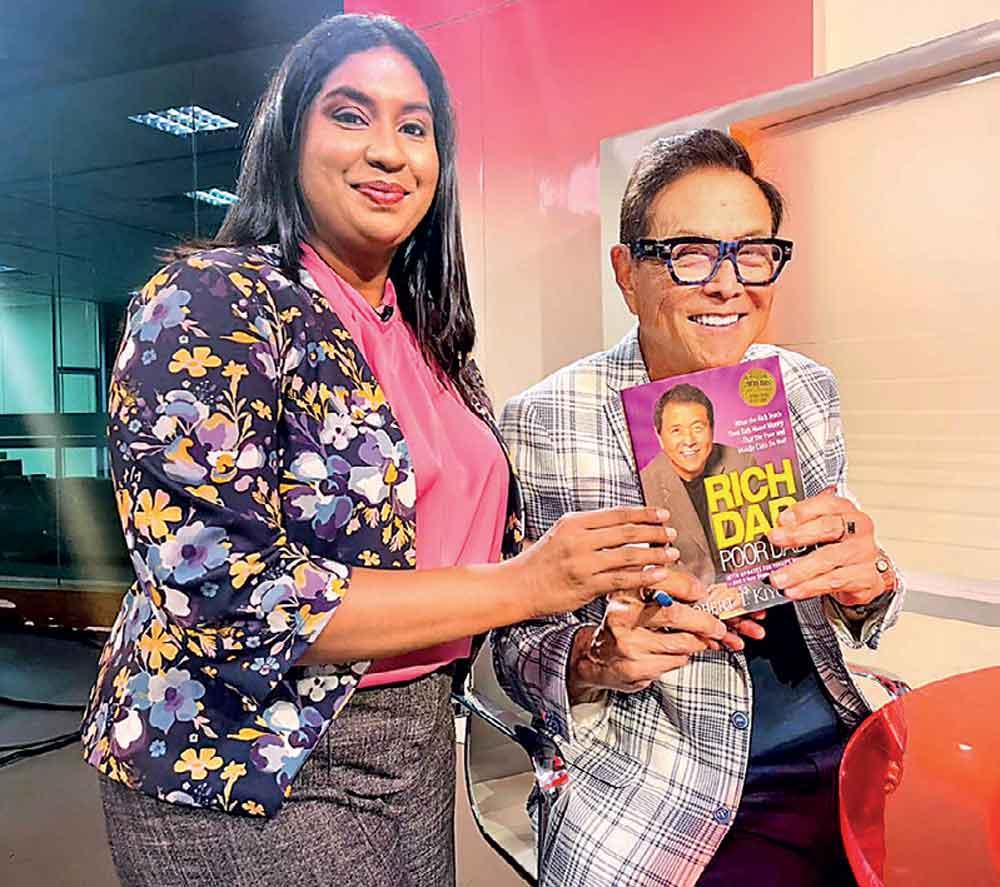
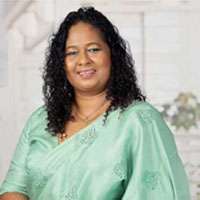
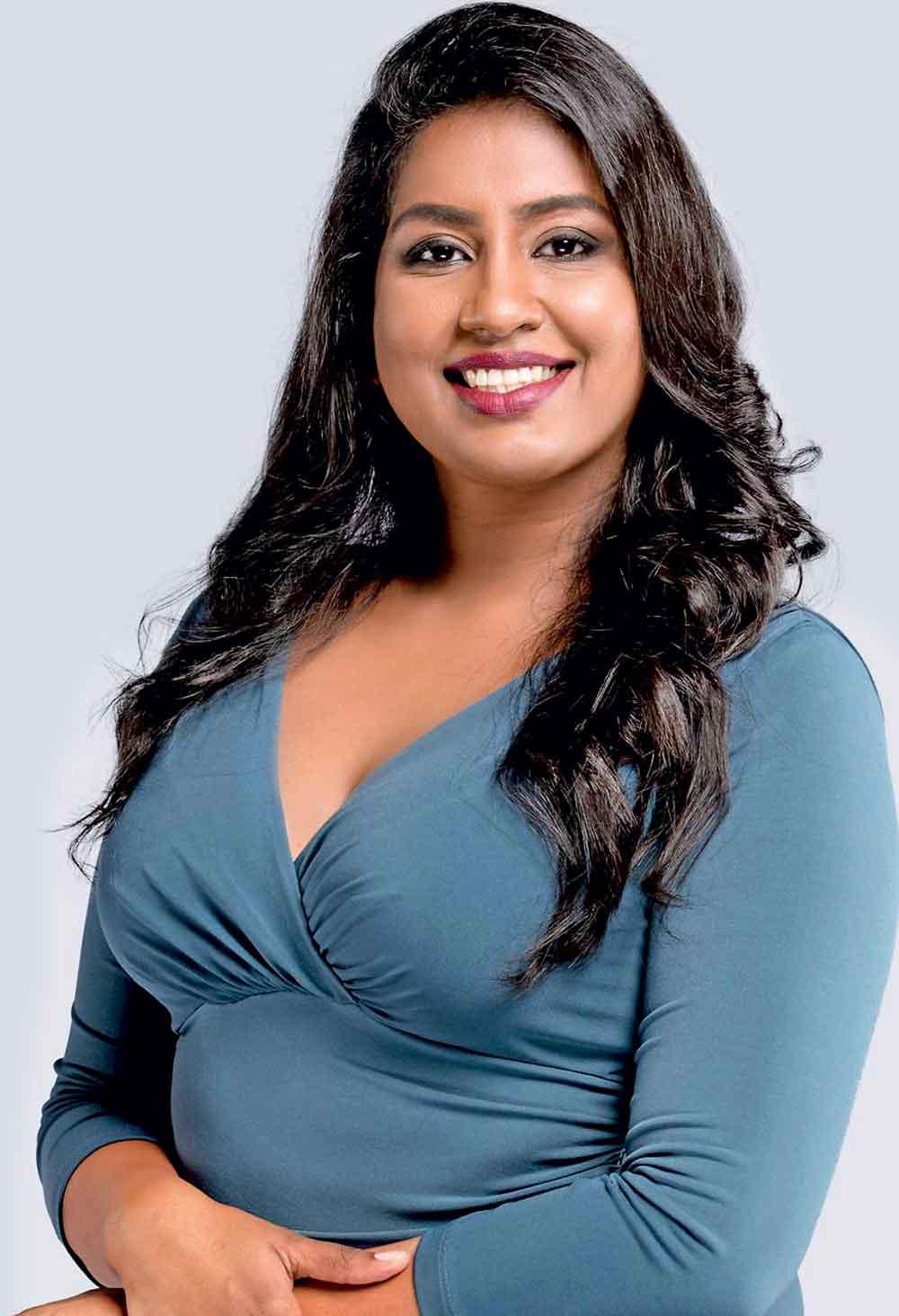
 Indeewari Amuwatte is one of Sri Lanka’s most respected and influential voices in journalism. In 2026, she marks 20 years in the profession; a milestone that reflects not just longevity, but a career built on credibility, courage, and consistency. Over two decades, she has reported through some of the country’s most defining moments; the aftermath of the tsunami, the post-war transition, the Easter Sunday attacks, the COVID-19 pandemic, the economic crisis, and an era of escalating climate-related disasters. Across newsrooms, crisis zones, and global platforms advocating ethical journalism, Indeewari has remained steadfast in her belief that journalism, when done right, can help societies move forward. Known for her editorial integrity and calm authority in moments of national uncertainty, she represents a generation of journalists who view the profession not as performance, but as public service. In this reflective conversation, she looks back on defining lessons, leadership, and the responsibility of shaping public discourse in fractured times.
Q 2026 marks 20 years in journalism for you. What has been the most defining moment of your career so far?
I don’t think my career can be reduced to a single defining moment. It has been shaped by a series of national experiences that unfolded over time and forced me to grow alongside the country. Reporting through the post-tsunami period, the post-war transition, the Easter Sunday attacks, COVID-19, the economic crisis, and now climate-related disasters taught me something fundamental: journalism is not about moments of intensity, but responsibility during uncertainty. In each crisis, people were afraid, confused, and searching for clarity. They were not looking for spectacle; they were looking for reassurance that someone was asking the right questions on their behalf. That realization changed how I approached journalism. I began to see the newsroom not only as a space for delivering information, but as one for guiding conversations without inflaming fear or exploiting grief. Covering national trauma, particularly post-conflict reconciliation and the Easter Sunday attacks, made me acutely aware of the power of words and images. That awareness has shaped every editorial decision I’ve made since.
Q You’ve built a reputation for editorial integrity and credibility. How do you maintain high standards in an age of speed, clicks, and misinformation?
Speed matters, but credibility is non-negotiable. In today’s media environment, being first means very little if you are wrong or misleading. I constantly remind my newsroom that trust is our most valuable asset. Once it is lost, no algorithm, rebrand, or viral moment can restore it. We verify relentlessly. We question our own assumptions. We separate opinion from fact, especially during emotionally charged moments when audiences are vulnerable to manipulation. Ethical journalism is often misunderstood as slow journalism. It isn’t. It is deliberate journalism. It means building systems that allow speed without sacrificing accuracy, and urgency without abandoning nuance. There is also a discipline that comes with knowing when not to publish. In a culture of instant reaction, restraint becomes an ethical choice. We owe our audiences clarity, not confusion; context, not outrage. When audiences realize they can rely on you to be careful with the truth, they come back, not because you are loud, but because you are trustworthy.
Q As a woman leading in a traditionally male-dominated field, what were the biggest barriers you faced, and what helped you rise above them?
The biggest barrier wasn’t open resistance but low expectations. Cultural norms, subtle underestimation, and the unspoken belief that leadership suited men shaped many professional spaces. The challenges were personal and professional moving from being protected at home to carrying heavy responsibility in a demanding, unconventional schedule required constant negotiation with social expectations. Women were often expected to support decisions, not make them. I learned that credibility comes from preparation and consistency. When you are informed, decisive, and fair, doubt fades. There were moments of fatigue and self-doubt, but resilience and clarity of purpose helped me persist without compromising my standards. I hope my journey shows young women that leadership in media is possible with integrity and persistence.
Q You travel globally advocating for ethical journalism. What ethical challenge concerns you most in today’s media landscape?
The blurring of journalism and propaganda concerns me deeply. When journalism becomes performative, driven by ideology, funding pressures, or outrage, it stops serving the public and starts shaping narratives designed to provoke emotion rather than understanding. That is a dangerous shift, particularly in polarized societies. Equally troubling is the erosion of context. Facts without context can mislead just as much as misinformation. When stories are stripped of complexity to fit into social media formats or ideological frames, audiences are denied the tools to think critically. Ethical journalism today must actively defend nuance, complexity, and humanity. That is not always popular, but it is necessary. The challenge is not just about individual journalists; it is about institutional courage. Media organizations must protect editorial independence and resist pressures, political, commercial, or cultural, that dilute truth into spectacle.
Q Your work spans politics, diplomacy, reconciliation, development, and crisis reporting. Which story or theme has personally impacted you the most, and why?
Stories of national resilience have impacted me the most. From post-tsunami recovery to post-war reconciliation, from the Easter Sunday attacks to COVID-19 and the economic crisis, I have seen how ordinary people endure extraordinary circumstances. These are not stories of power; they are stories of persistence. Covering these moments reminded me that journalism is not only about holding power accountable. It is also about documenting survival, recovery, and the collective search for solutions. When you witness communities rebuilding with dignity after devastation, it reshapes how you understand the role of media. We are not just chroniclers of crisis; we are witnesses to resilience. That perspective continues to shape how I frame conversations on my news and current affairs programmes. I try to ensure that even in difficult discussions, audiences are not left feeling powerless. Journalism can inform without overwhelming, and question without dehumanizing.
Q You are widely seen as a mentor and role model. What qualities must young journalists cultivate to succeed with integrity?
Curiosity, courage, and humility. Curiosity keeps you learning. Courage allows you to ask difficult questions even when it is uncomfortable. Humility reminds you that journalism is about service, not ego. Skills matter. Hard work matters. But character sustains careers. Your reputation is built not only on what you report, but on how you behave under pressure. In moments of crisis, your values become visible. If you prioritise truth over attention and service over self-promotion, your work will have longevity.
Q How do you balance being a firm newsroom leader while fostering empathy, inclusion, and innovation?
Leadership is about clarity, not control. I set clear editorial standards, but I encourage questioning and discussion. A newsroom performs best when journalists feel safe to challenge ideas without fear of being dismissed. Innovation thrives in environments where people are trusted to think independently. Firmness provides direction; empathy ensures sustainability. Journalism is emotionally demanding work. Burnout is real, and compassion is not a weakness in leadership; it is a responsibility. When people feel seen and supported, they produce better journalism.
Q What advice would you give young women who fear they must compromise to succeed?
Never confuse strategy with compromise. You do not need to dilute your values to succeed; you need to strengthen your competence. Integrity is not a limitation; it is a long-term advantage. Recognition built on credibility lasts longer than recognition built on convenience. You may need to adapt your approach, but you should never abandon your principles. There is a difference between being flexible and being diminished. Choose growth, not erasure.
Q Looking ahead, how do you see the future of journalism?
Journalism will become more demanding, not less. Audiences are more informed and more skeptical. That is healthy, but it raises the bar for credibility. Leaders must invest in training, ethical frameworks, and newsroom independence. Protecting journalists, from political pressure, burnout, and digital harassment, is essential if credibility is to survive. Without safe and supported journalists, ethical journalism cannot exist. The future of the profession will depend not only on technology, but on courage at institutional and individual levels.
Q What legacy do you hope to leave behind?
I hope to contribute to a culture where integrity is standard, not exceptional, and where women lead without needing permission. If my career demonstrates that it is possible to be ethical and influential at the same time, then I would consider my journey meaningful. Legacy, to me, is not about personal recognition. It is about the standards you normalize and the pathways you open for others.

One word to describe your 20-year journey? Resilient.
The journalist who inspires you most? Christiane Amanpour for courage with conscience.
The hardest story you’ve ever covered? The Easter Sunday attacks, both professionally and emotionally.
Your biggest leadership lesson? Listen more than you speak.
Truth or speed; which matters more? Truth. Always.
One habit every journalist must have? Reading constantly.
A myth about women in media you want to break? That empathy is a weakness.
Coffee or tea during breaking news? Coffee. Strong.
The first thing you check each morning? My parents, especially my mother, then a moment of mindful breathing before the world’s headlines.
Your message to young journalists today? Protect your credibility; it will protect your career.