The Rise of Fake Productivity among Students
A late night, a bright screen, a day-old coffee, and an imminent deadline. Does that sound familiar? In that moment, all one can think about is whether they will be able to click “submit” before the clock strikes twelve, while silently cursing the students on social media who promote productivity techniques that somehow allow them to finish assignments weeks in advance. Similarly, many students are familiar with cramming months’ worth of content into a single all-nighter fueled by energy drinks and memorization, wondering why they never seem able to follow the same “study hacks” that make learning appear effortless online.
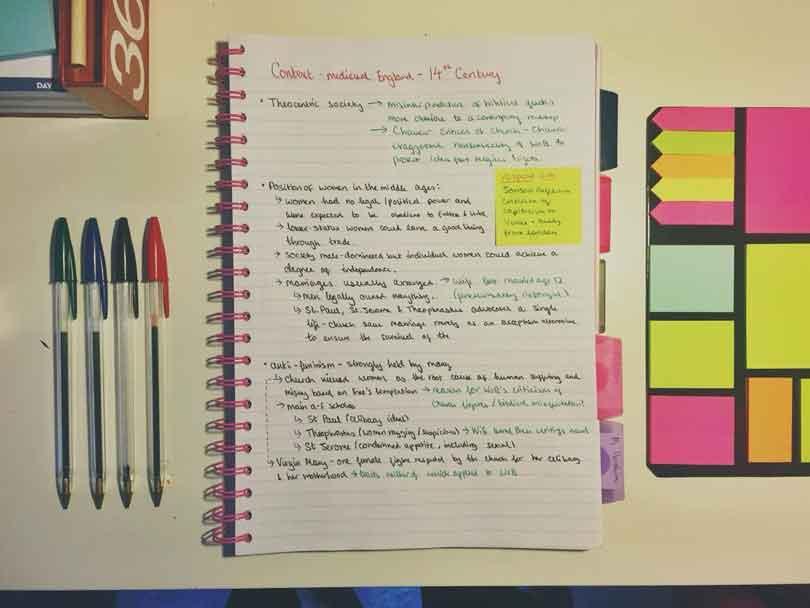
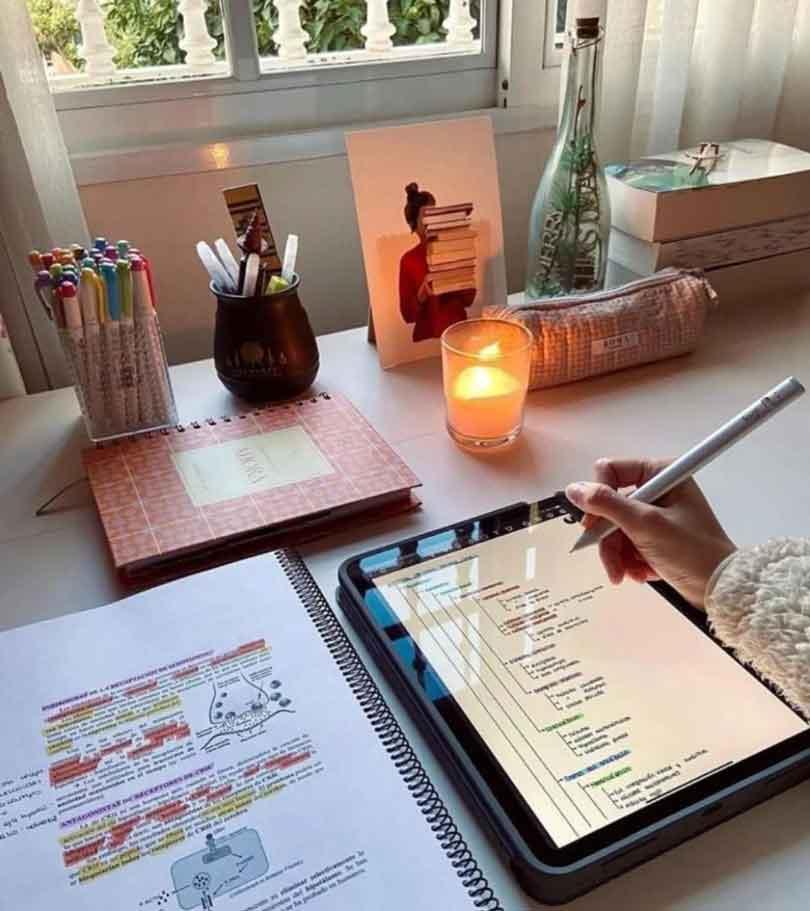
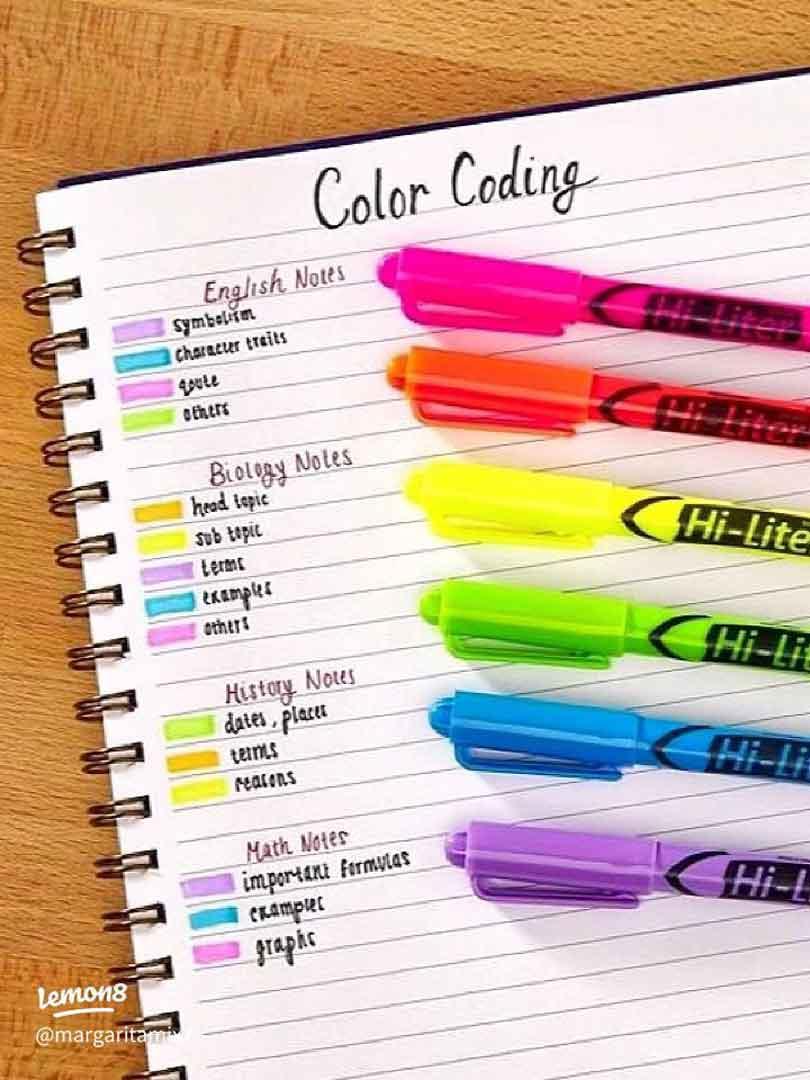
Across social media, productivity has become an aesthetic. Colour-coded notes, perfectly planned schedules and “study with me” videos have created a mirage online that academic success comes easily to those who are disciplined. However, behind this growing culture lies a different reality - one where looking productive matters more than actually being productive.

According to a study published in 2024 in the Journal of Praxis in Higher Education, students are increasingly being fostered within a performance-based culture, demanding presence and emotional engagement, often encouraging them to merely appear academically involved. The paper states that “learning, in these cases, becomes a matter of appearance, of visible student compliance rather than authenticity” effectively capturing the concept of “fake productivity”. In other words, many students feel pressured to maintain a façade of being academically disciplined, regardless of what they may be struggling with behind closed doors, ranging from procrastination to burnout. As productivity culture continues to dominate social media platforms, studying has increasingly become performative rather than a genuine process of learning.

By focusing on the external perception of effort, numerous students fall victim to the “illusion of competence,” in which they mistake the ease of re-reading highlighted notes for genuine mastery. Passive forms of studying such as repetitively revisiting notes, excessively highlighted textbooks or spending hours perfecting aesthetic mind maps often create a false sense of progress. Many students naturally gravitate towards these techniques as they offer a sense of comfort and visual satisfaction, helping to maintain a façade of academic involvement while avoiding the deeper thinking required to truly master the material. Constantly engaging in repetitive note-writing or streaming hours of "study with me" videos merely cultivates a superficial familiarity with the content which is an external perception of effort that rarely translates into genuine understanding. Ultimately, this contributes to the illusion of competence. Students are beguiled into misplaced confidence before examinations, only to face the harsh reality under pressure when they find themselves unable to entirely recall or effectively apply their knowledge. Therefore, while appearing productive, these methods rarely challenge the brain enough to internalize the material. Conversely, techniques such as active recall and spaced repetition require students to consciously extract information over time, making the process more cognitively rigorous. It often involves techniques such as flashcards, practice testing or attempting to rewrite information entirely from memory.
This deliberate mental strain contributes to a psychological phenomenon known as the “testing effect,” where more difficult efforts often cements information into long-term memory. However, because this process involves making mistakes, confronting gaps in knowledge and experiencing mental friction, it is inherently messy and frustrating. Despite these methods being far more effective for learning, they lack the visual appeal and stylistic value that dominate productivity content globally, resulting in students continuously prioritizing aesthetically pleasing study habits over genuinely effective learning strategies.
Beyond the impact on academic performance, “fake productivity” has also begun to affect students psychologically. In virtual environments that romanticize discipline, consistency and relentless self-betterment, a constant pressure to perform outstandingly leaves students associating rest with laziness rather than crucial recovery, thereby normalizing burnout, exhaustion and anxiety within student culture. Brief intervals of recovery are often met with intense guilt, driven by the internalized pressure to remain perpetually engaged in academic work. Over time, this psychological framework erodes self-esteem and cultivates a toxic relationship with education: one where personal worth and academic validation are inextricably bound to physical exhaustion rather than intellectual curiosity and holistic wellness. Concurrently, erratic sleep schedules and high caffeine consumption are being glamorized as symbols of dedication. This continuous exposure to unrealistic online study aesthetics forces unhealthy comparisons, provoking feelings of inadequacy when students fail to match their lifestyles to those promoted on social media. Ultimately, this performativeness does not inspire better studying. Instead, it traps students in a vicious cycle of guilt and chronic academic pressure.

Nevertheless, it would be unfair to suggest that all productivity content across social media platforms negatively affects students. Undeniably, online study spaces can provide students with motivation, structure and a sense of shared accountability necessary to sustain independent learning. Strategies shared by productivity creators, ranging from organizational methods to time-management techniques, can serve as valuable assets to academic success, while “study with me” videos offer companionship that lessens the isolation felt during high-pressure examination periods. However, a troubling reality emerges when productivity transitions into a mere aesthetic, prioritizing external perception over profound, independent comprehension. When maintaining a visible image of discipline and success is prioritized, education risks becoming entirely performative. As a result, the systematic pressure to exhibit continuous engagement may ultimately undermine the very intellectual development these platforms encourage.
In essence, the rise of fake productivity among students reveals a troubling reality: the appearance of compliance is valued far more than the student’s genuine understanding. Despite online platforms having made studying more visible than ever, they have simultaneously blurred the line between performative effort and effective learning. Genuine intellectual progress must prioritize profound understanding, cognitive balance and long-term development over the superficial metrics of online trends.
Unless individuals actively challenge these toxic benchmarks, the culture of fake productivity will inevitably persist in normalizing chronic burnout and emotional exhaustion within the student community. Productivity should not be measured by fake engagement, superficially organized notes and caffeine-fueled all-nighters, but rather by meaningful learning, independent thought and genuine curiosity. Perhaps the most productive thing students can do is to stop pretending to be productive at all.