The Left-Handed Life: Navigating a Right-Handed World
By Yashmitha Sritheran
Being left-handed is often described as something distinctive, even a little special. With only around ten percent of the global population sharing this trait, left handers are sometimes viewed as rare or interesting. On the surface, it can feel like belonging to a small and unique group. However, beyond that sense of novelty lies a quieter reality. For many left-handed people, everyday life is shaped by small but constant challenges in a world designed largely for right-handed use. These challenges can be amusing at times, frustrating at others, and occasionally even painful.
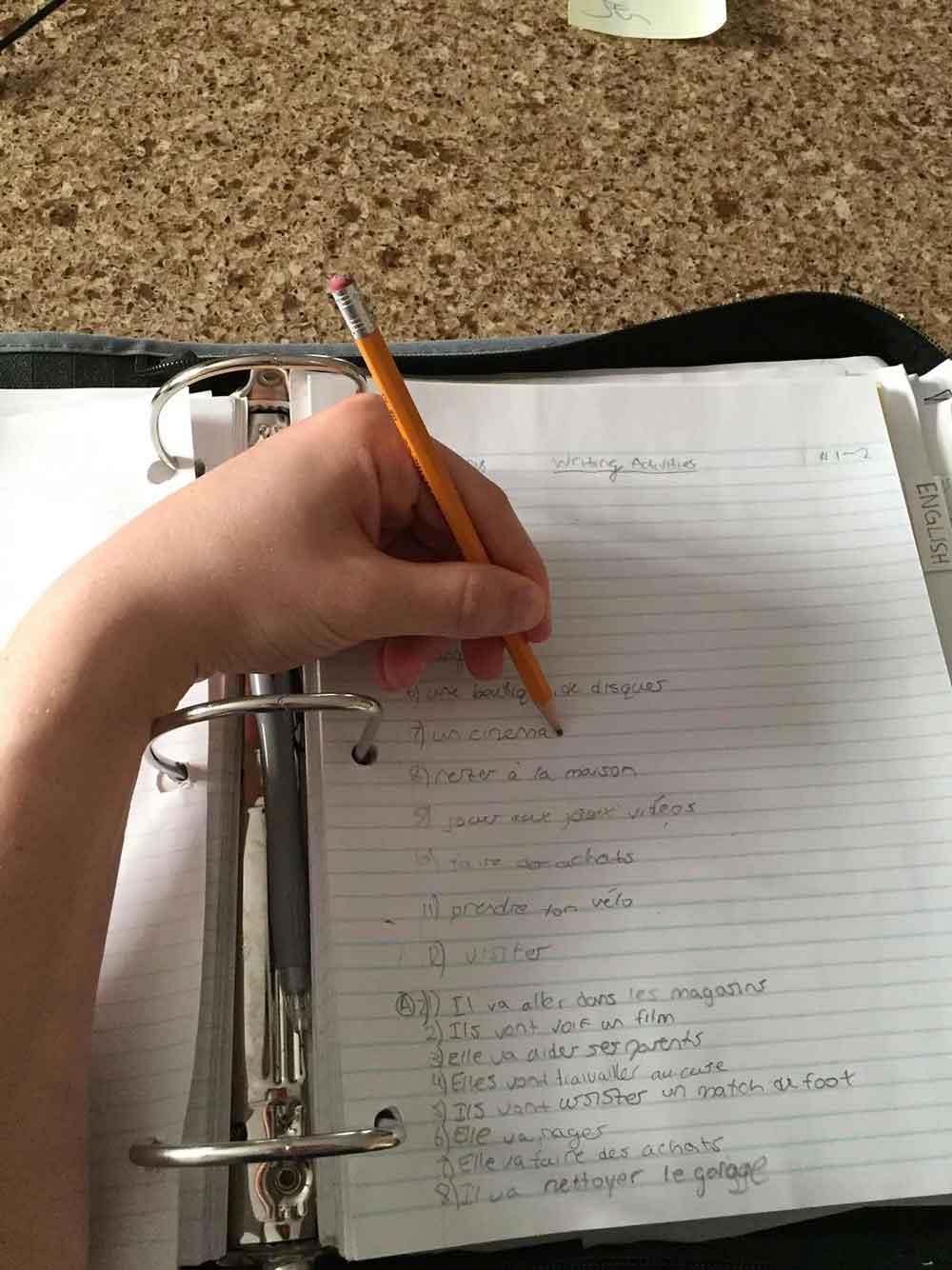
The struggle often begins early, particularly with something as simple as learning to write. Writing tools, desks, and materials are typically designed with right-handed users in mind. For a left-handed person, even holding a pen can require adjustment. Ink smudging is one of the most common problems. As the hand moves across the page from left to right, it drags through freshly written words, leaving streaks and stains. By the end of a page, the side of the hand may be covered in ink, and the writing itself may appear blurred or messy.
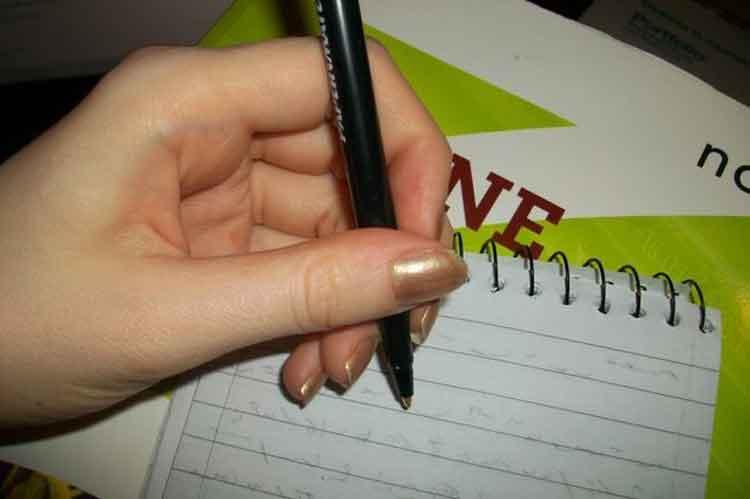
Certain tools only make things more difficult. Spiral notebooks, for example, can feel like an obstacle course. The metal binding presses into the wrist, making it uncomfortable to write smoothly. Fountain pens and some types of gel pens, which release more ink, increase the likelihood of smudging. To cope, many left handers develop their own unique techniques. One of the most recognizable is the so-called hooked hand position, where the wrist curves over the top of the line being written. While it may look unusual, it is often the only way to keep writing legible and avoid constant smears.
Classrooms and workplaces present another set of difficulties. Many desks are built with a writing surface attached to the right side, leaving left-handed individuals to twist their bodies awkwardly or balance their work in uncomfortable positions. In lecture halls, this can become especially noticeable when nearly every seat is designed the same way. What should be a simple task like taking notes can turn into a physically awkward experience.
Technology, although more adaptable in some ways, does not always solve the problem. Computer mice are often shaped for right-handed use, and default settings assume right-handed control. While it is possible to switch mouse buttons or buy left-handed versions, doing so requires extra effort and sometimes additional cost. Keyboards may not pose as obvious a challenge, but certain layouts and shortcuts can still favour right-handed habits, requiring left-handed users to adapt their movements.
Everyday tasks in the kitchen can also highlight the imbalance. Many tools such as knives, peelers, and can openers are designed for right-handed use. Using them with the left hand can feel unnatural and awkward. Cutting vegetables may require more concentration, and simple actions like stirring or pouring can become less fluid. Even jars and bottles can pose a challenge, as the natural grip and twisting motion often assume right hand dominance.
Scissors are perhaps one of the most well-known examples of this issue. Standard scissors are designed so that the blades align properly when used with the right hand. When used with the left hand, they often fail to cut cleanly, forcing the user to apply extra pressure or adjust their grip. For a child in a classroom, this can turn a straightforward activity into a test of patience and coordination.
Sports and hobbies bring their own complications. Much of the equipment used in various activities is produced with right-handed users in mind. In sports like baseball or golf, gear such as gloves and clubs are often designed for right-handed players, meaning left-handed individuals must search for specific alternatives or learn to adapt. While left-handed athletes sometimes have an advantage in certain sports due to their rarity, this does not eliminate the initial barriers created by equipment design.
Music offers a similar experience. A left-handed person learning to play the guitar must decide whether to use a standard right-handed instrument or seek out a left-handed version. Playing a standard guitar can feel counterintuitive, while left-handed models are less common and often more expensive. This choice can influence not only comfort but also the learning process itself.
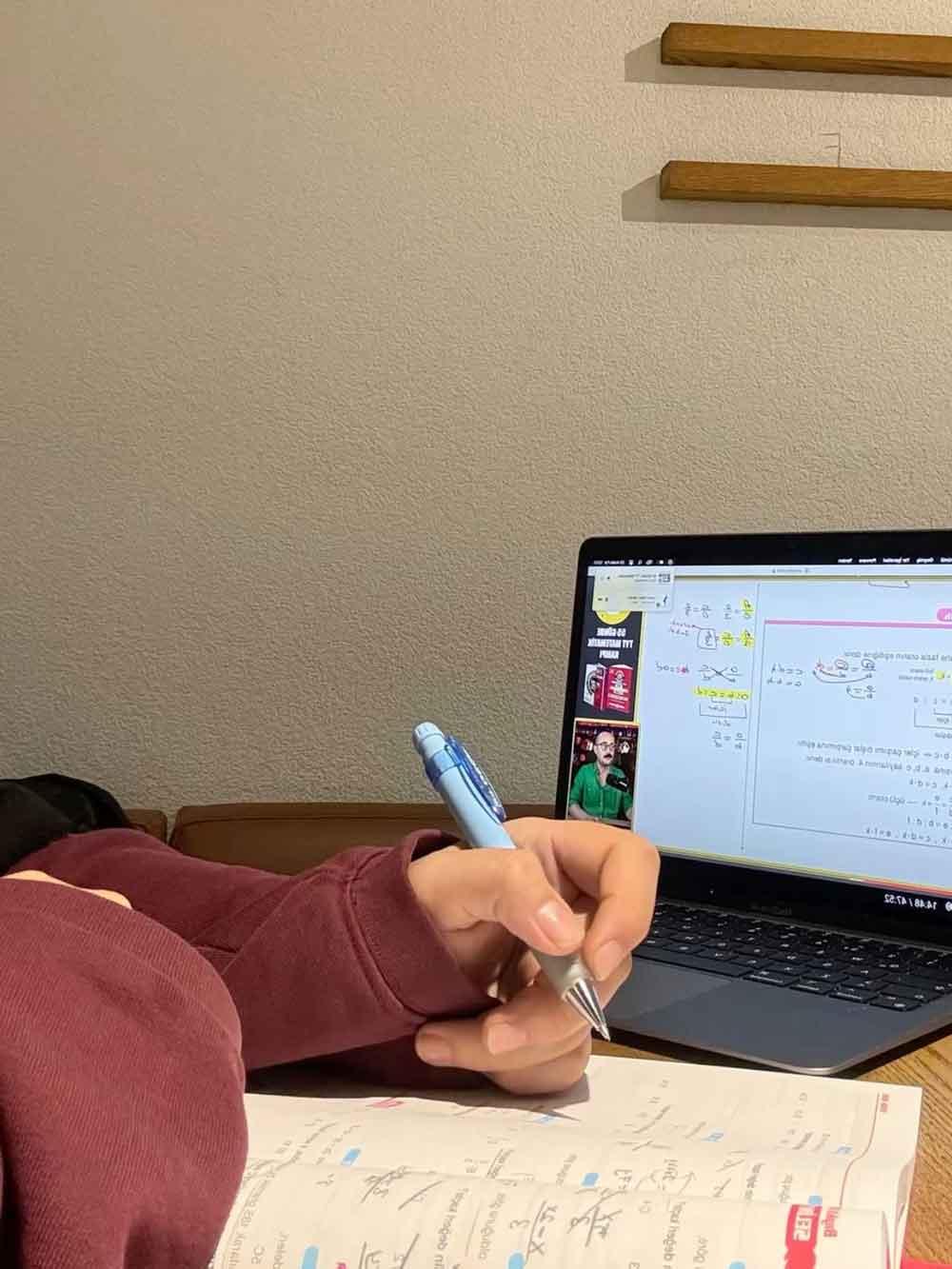
Even leisure activities like gaming can reflect the same pattern. Many video games are designed with right-handed controls in mind, placing key actions on the right side of a controller or keyboard. Left-handed players may need to retrain their instincts or adjust settings to create a more comfortable experience. While these adjustments are possible, they are not always straightforward.
Beyond the physical challenges, there is also a social dimension to being left-handed. From a young age, some children are encouraged to switch to using their right hand for writing or other tasks. This pressure often comes from a desire to help the child fit into a right-handed world, but it can create confusion and frustration. Being told that the natural way of doing something is incorrect or less acceptable can affect confidence, especially during formative years.
As adults, left-handed individuals may still encounter small but noticeable inconveniences. Sitting next to a right-handed person at a table can lead to elbows bumping during meals. Using shared tools or equipment may require quick adjustments. These moments are minor on their own, but they add up over time, reinforcing the sense of living in a world that does not fully accommodate their needs.
Despite these challenges, being left-handed is not without its advantages. Some research suggests that left-handed individuals may develop strong problem-solving skills and creative thinking. This could be partly due to the constant need to adapt. When everyday tools and systems do not align naturally, left handers learn to find alternative approaches. This flexibility can become a strength, shaping the way they think and interact with the world.
There is also a certain sense of identity that comes with being left-handed. Because it is relatively uncommon, it can create a feeling of connection among those who share the trait. Small signs of recognition, such as noticing someone else struggling with a smudged page or adjusting their position at a desk, can create an unspoken understanding. These shared experiences, while rooted in inconvenience, often carry a sense of humour and resilience.
Over time, left-handed individuals tend to develop a practical and adaptable mindset. Tasks that might seem simple to others often require extra thought or adjustment. Whether it is finding the right angle to write without smudging, learning to use tools designed for the opposite hand, or navigating shared spaces, each situation calls for a small act of problem solving. These repeated adjustments build patience and resourcefulness.
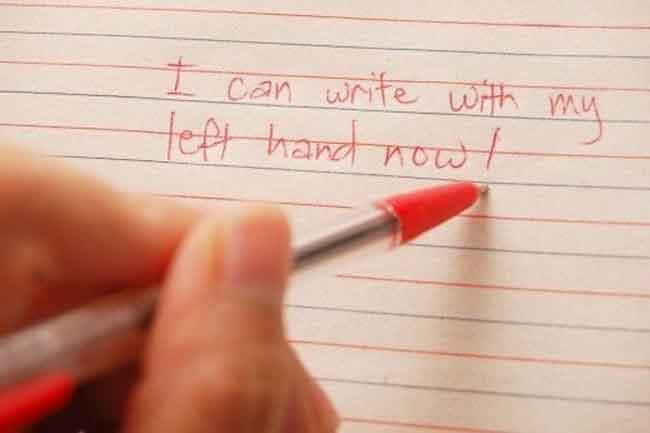
At the same time, the challenges of being left-handed highlight the importance of inclusive design. As awareness grows, more products and environments are being created with flexibility in mind. Ambidextrous tools, adjustable workspaces, and customizable technology settings are becoming more common. While there is still progress to be made, these changes reflect a broader recognition that not everyone interacts with the world in the same way.
In the end, being left-handed is both a distinctive trait and a daily experience shaped by adaptation. It comes with its share of inconveniences, from smudged ink and awkward desks to mismatched tools and subtle social pressures. Yet it also fosters resilience, creativity, and a unique perspective.
Life may be structured in ways that favour the majority, but left-handed individuals continue to navigate it with determination and humour. They learn to adjust, to improvise, and to move forward despite the small obstacles that appear along the way. Whether holding a pen, using a pair of scissors, or simply sitting at a table, they find ways to make the world work for them.
So, the next time you notice someone struggling with a notebook, adjusting their grip on a tool, or carefully avoiding a smear of ink, it is worth remembering the quiet effort behind those actions. The world may lean slightly to the right, but left handers continue to thrive within it, adapting with every step and carrying on with a steady sense of determination.