The Invisible Backbone of Recovery
By Yashmitha Sritheran
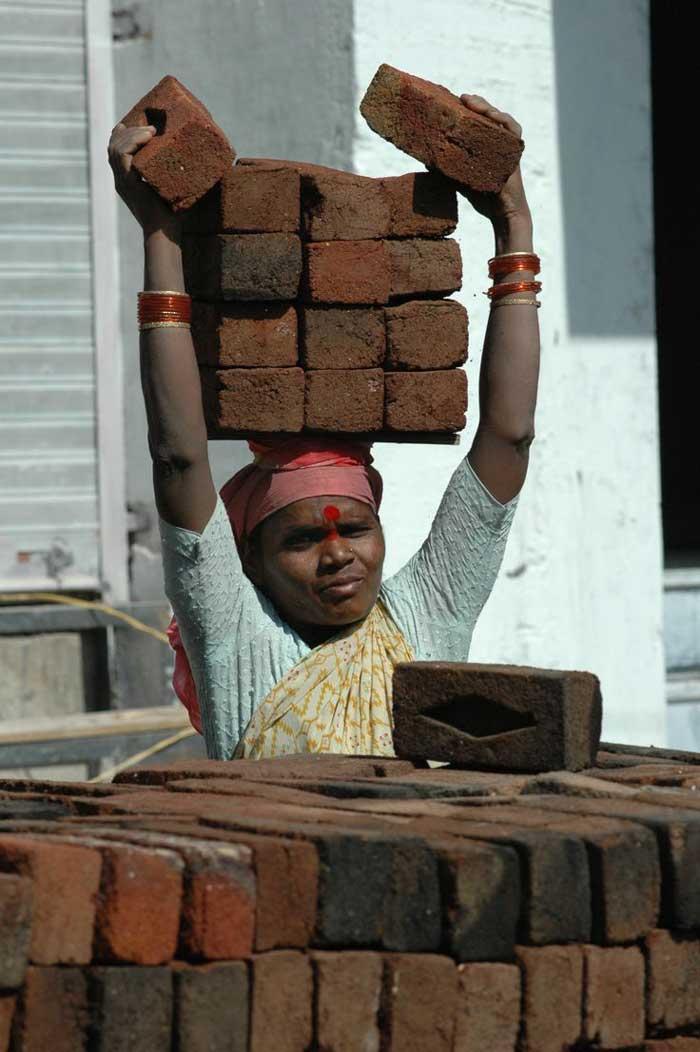
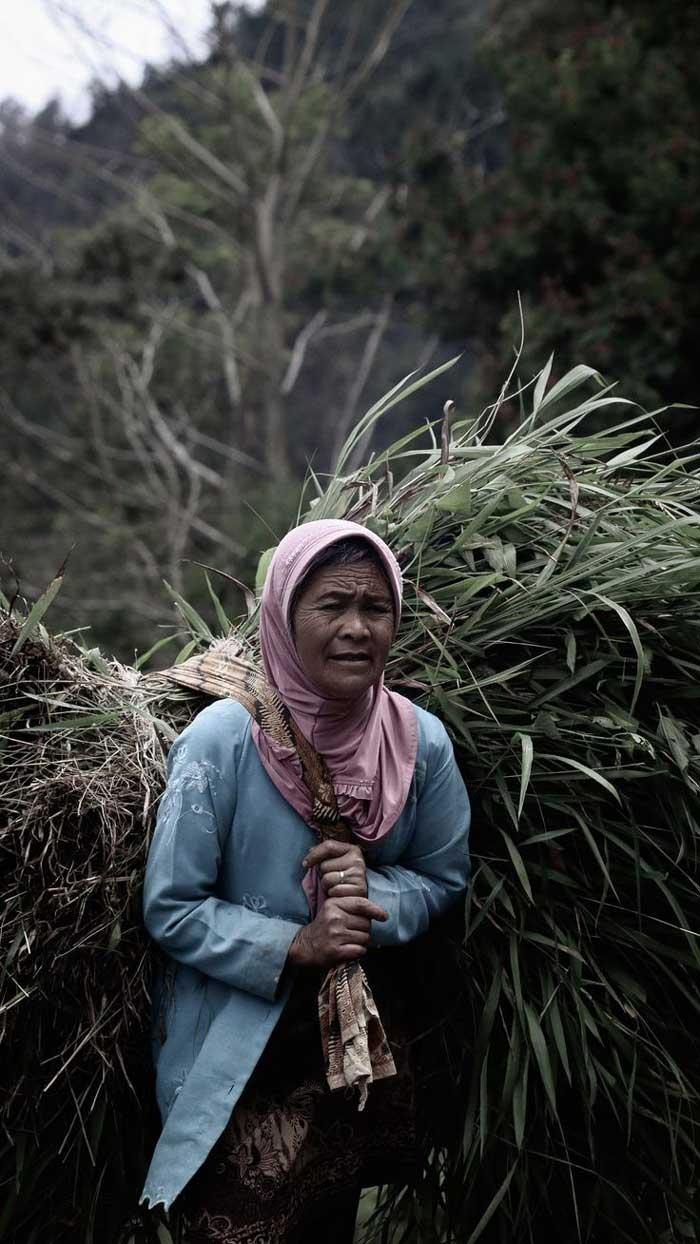
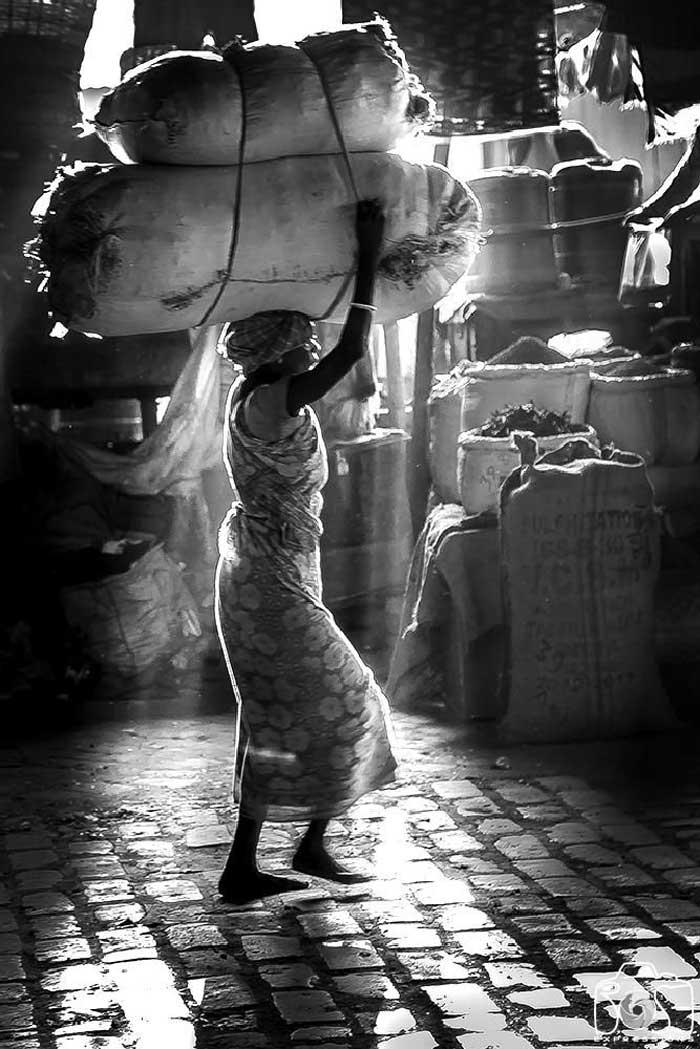
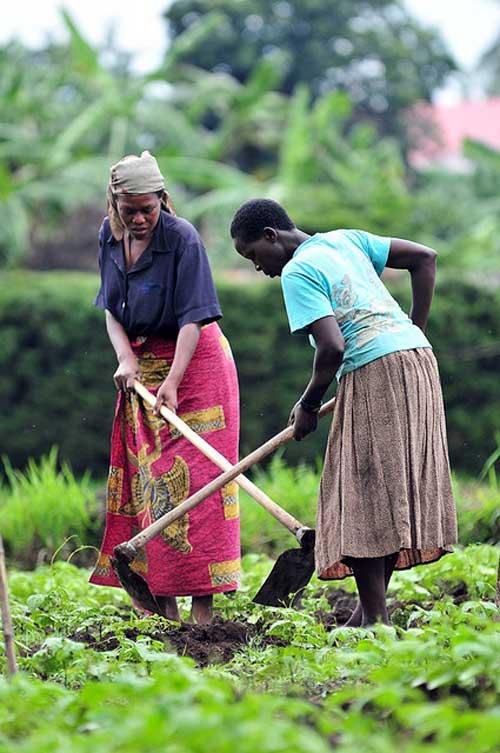
How much of a nation’s recovery truly rests on work that is rarely seen, rarely measured, and almost never paid for. It is a question that becomes difficult to ignore when looking closely at how societies respond to crisis. In Colombo, the story of recovery is often told through numbers. Growth rates, inflation, employment, and public finance dominate the conversation. Yet beneath these visible indicators lies another system that quietly sustains everything else. It is the system of care, and it is carried largely by women.
Reading recent findings on social protection and care infrastructure reveals a reality that is both familiar and deeply overlooked. Economic recovery is not a process that unfolds in isolation. It is supported every day by unpaid labour that keeps households functioning, children cared for, and communities intact. This labour does not appear in official accounts, yet without it, the idea of recovery would quickly collapse.
From a personal perspective, this is not simply a gap in policy. It reflects a broader blind spot in how society defines value. There is a tendency to celebrate resilience, particularly in times of crisis. Sri Lanka has been widely described as resilient in the face of economic and social upheaval. But resilience is not an abstract quality. It is lived and enacted by individuals, and often it is women who are expected to absorb the heaviest burdens. The question is not whether they are capable of doing so, but at what cost.
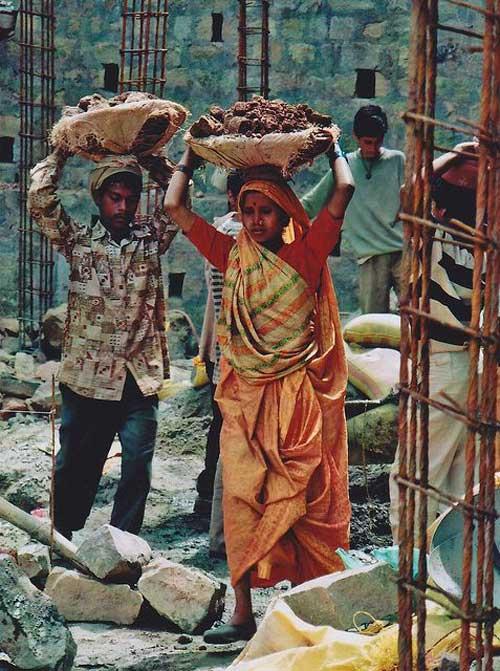
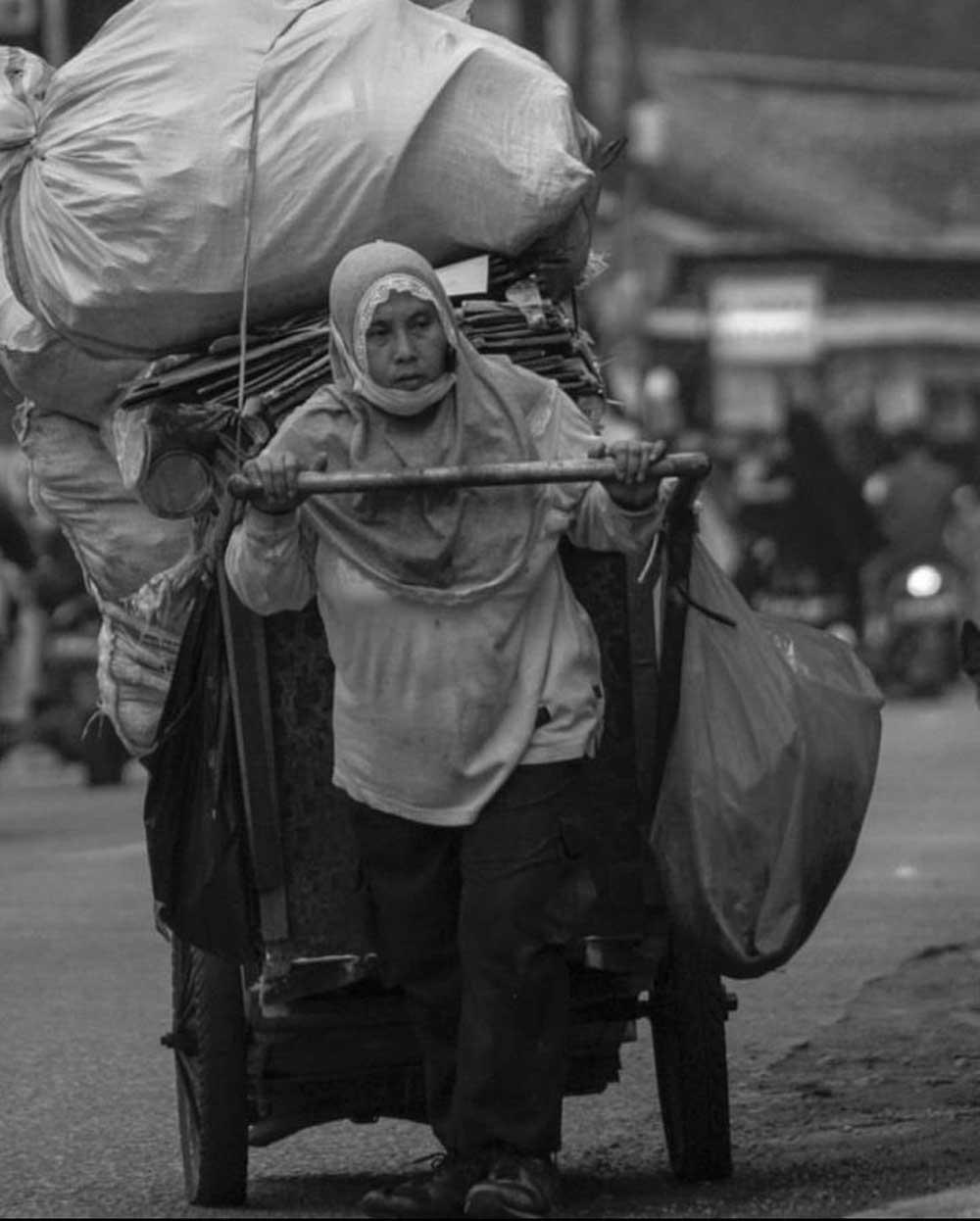
In many urban working-class communities, women are navigating a form of poverty that is not always visible in financial terms. It is a poverty of time. Between paid work and unpaid responsibilities, their days are stretched to the limit. Cooking, cleaning, caring for children, supporting education, and managing household needs all fall within their domain, even when they are also earning an income. Rest becomes a luxury, and personal well-being is often the first thing to be sacrificed.
This concept of time poverty is critical to understanding the broader picture. It shapes not only how women live, but also what opportunities are available to them. When time is constrained, choices become limited. Career advancement, further education, and even stable employment can feel out of reach. What may appear as personal decisions are often structural constraints.
Gender roles continue to play a powerful role in reinforcing this reality. Despite changes in education and employment, the expectation that women should be the primary caregivers remains deeply embedded. The belief that a mother is uniquely responsible for the well-being of her child continues to influence decisions at both household and societal levels. This is not simply about access to services. It is about long-standing norms that shape how care is understood and distributed.
Even when women participate in the workforce, these expectations do not disappear. Instead, they are layered on top of existing responsibilities. The result is a dual burden that is both physically and emotionally demanding. It is not uncommon for women to move between roles without pause, shifting from employee to caregiver to household manager within the same day.
Access to childcare emerges as one of the most significant barriers to changing this dynamic. For many women, employment decisions are not determined solely by availability of jobs, but by availability of support. Without reliable childcare, full time work becomes difficult to sustain. As a result, many women turn to part time roles, informal employment, or home-based activities. These options offer flexibility, but they often come with instability and limited income.
The informal sector plays a major role in this landscape. A large proportion of women in urban communities are engaged in work that lacks legal protection, benefits, or long-term security. Retirement plans, paid leave, and health coverage are often absent. While these jobs provide immediate income, they do little to support long term stability. This creates a cycle in which women remain vulnerable, even as they contribute significantly to household survival.
Childcare itself is often managed through informal networks. Grandmothers, relatives, and neighbours become essential sources of support. While this reflects strong community ties, it also places additional pressure on older generations. In some cases, when these networks are unavailable, responsibility shifts to older children, particularly girls. This can disrupt their education and limit their future opportunities, extending the cycle of inequality across generations.
Formal childcare services remain underused, and the reasons are complex. Cost is a significant factor, particularly for low-income households. Concerns about safety and quality also play a role. Beyond these practical issues, social attitudes continue to discourage their use. The idea that childcare should be managed within the family remains influential, even when it creates strain.
The broader context of Sri Lanka’s recent crises adds another layer to this issue. Since 2020, the country has experienced a series of economic and social challenges that have affected households in profound ways. Rising costs, reduced access to essential services, and increased financial pressure have reshaped daily life. Within this environment, women have taken on additional responsibilities, often finding ways to generate income while also managing increased care demands.
These pressures have had tangible consequences. Nutrition levels have declined in some communities, health outcomes have worsened, and children have experienced disruptions in education. Household debt has increased, creating further stress. Through all of this, women have played a central role in holding families together. Their contribution is not always visible, but it is essential.
Despite this, existing systems of social protection often fail to reflect these realities. Programmes designed to provide support are frequently fragmented and under resourced. They may not fully capture the complexities of urban poverty, where needs are diverse and constantly changing. Targeted assistance programmes, such as Aswesuma, have faced criticism for excluding vulnerable households due to limitations in how eligibility is assessed.
This raises important questions about how support systems are designed. If they do not account for unpaid care work, they risk overlooking a significant part of the population’s experience. Economic indicators alone cannot capture the full picture of vulnerability or resilience. A more comprehensive approach is needed, one that recognises the interconnected nature of work, care, and well-being.
Investing in care infrastructure is one of the most important steps in this direction. Accessible and affordable childcare services can transform the way women participate in the economy. They provide not only practical support, but also a sense of security that allows for longer term planning. When women have reliable care options, they are more likely to pursue stable employment and contribute more fully to economic activity.
Legal protections for informal workers are equally important. Extending benefits such as paid leave, retirement plans, and health coverage can reduce vulnerability and improve quality of life. These measures are not simply about fairness. They strengthen the overall economy by creating a more stable and productive workforce. Education also plays a key role. Expanding school meal programmes, after school activities, and specialised support for children with disabilities can ease some of the pressures on households. Community based solutions can provide additional layers of support, creating networks that complement formal systems.
What becomes clear is that social protection cannot be treated as a single policy or programme. It must be understood as a network of interconnected measures that address different aspects of life. Care, work, education, and health are all linked, and effective solutions must reflect this complexity. At its core, the issue is about recognition. Unpaid care work has long been treated as a private matter, something that happens within households and therefore falls outside the scope of public concern. But this perspective overlooks its broader impact. Care work sustains the workforce, supports child development, and contributes to social stability. It is not peripheral to the economy. It is foundational.
Reframing this understanding requires a shift in both policy and mindset. Supporting women should not be seen as an act of charity or welfare. It should be recognised as an investment in the future. When women have the resources and support, they need, the benefits extend beyond individual households. They reach communities, economies, and future generations. The idea of recovery itself must be reconsidered. True recovery is not measured only by economic indicators. It is reflected in the quality of life experienced by individuals, in the opportunities available to them, and in the fairness of the systems that shape their lives. If recovery depends on the unpaid labour of women, then it is incomplete. The question then becomes not whether women are contributing to recovery, but whether their contribution is being acknowledged and supported. Without this recognition, the burden remains uneven, and the path forward remains fragile. In the end, the invisible labour of women is not simply a background force. It is the backbone of recovery. Bringing it into focus is not just a matter of fairness. It is a necessary step toward building a more inclusive and sustainable future.