NEW NEWER NEWEST II
As we in Sri Lanka celebrated the Sinhala and Tamil New Year with great happiness and reverence, we also joyfully noted that, regardless of background or beliefs, this remains a moment of national celebration. The rites of spring, the welcoming of a new season, along with wishes for abundant harvests and overall prosperity, are observed across the world. In Asia, we are particularly attuned to the idea of a “new year” tradition that has endured for centuries. Yet in today’s technologically driven, social media–obsessed era, one has to ask: have we missed the point?
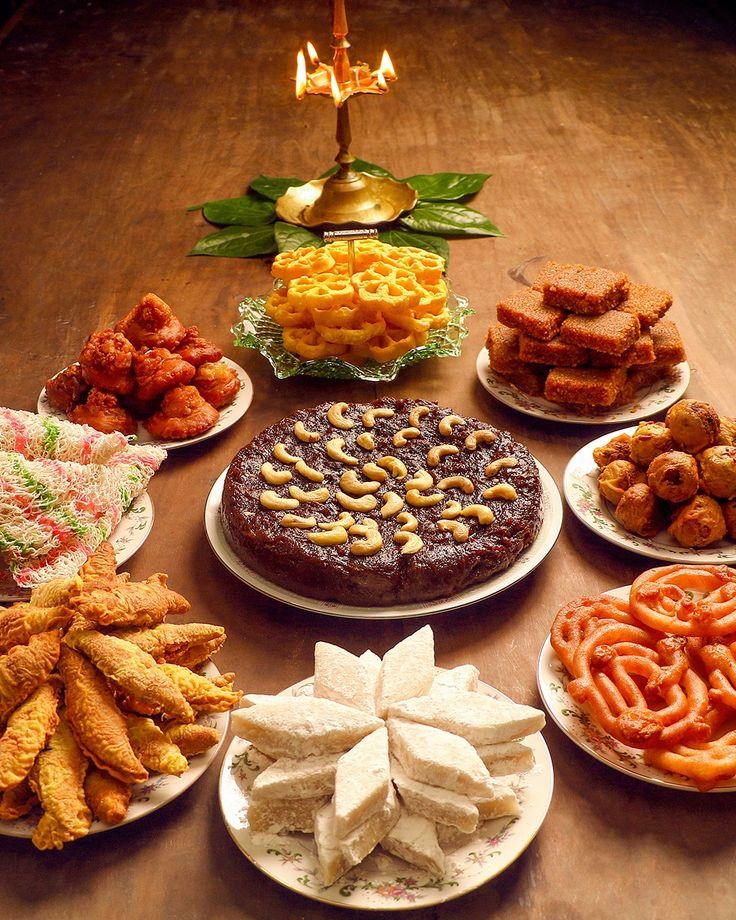
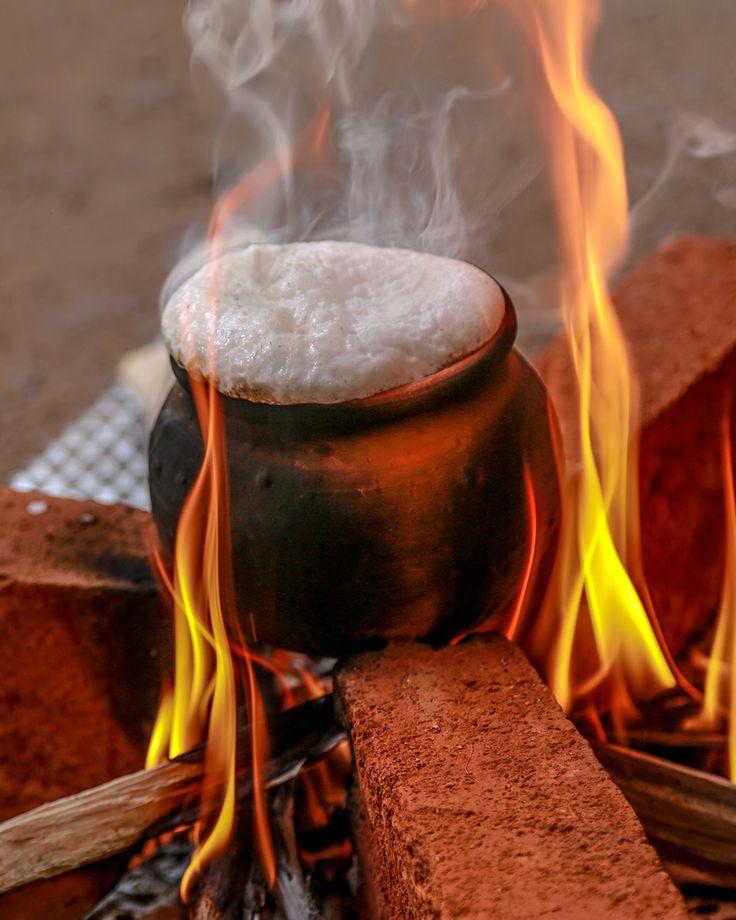
I recall with great nostalgia when my mother, Delerine, was with us, and how she took such pleasure in ensuring that traditional treats were prepared by the domestic staff who had been part of our household for decades. As time went on, some items would be store-bought, but always under her supervision; she would insist on a “taste test” before anything was deemed worthy of the Avurudu table. Even as Christians, we followed the customs of auspicious times. Milk would be boiled, stoves lit, and food prepared accordingly. We would wear the designated colour for the new year and take part in ganu-denu with great joy. It is important to note that all of this happened in an era when information on auspicious times and colours came from newspapers and word of mouth—again verified by my mother, just in case of any confusion. Not an easy task, when daily and Sunday papers were limited, and television channels could be counted on one hand.
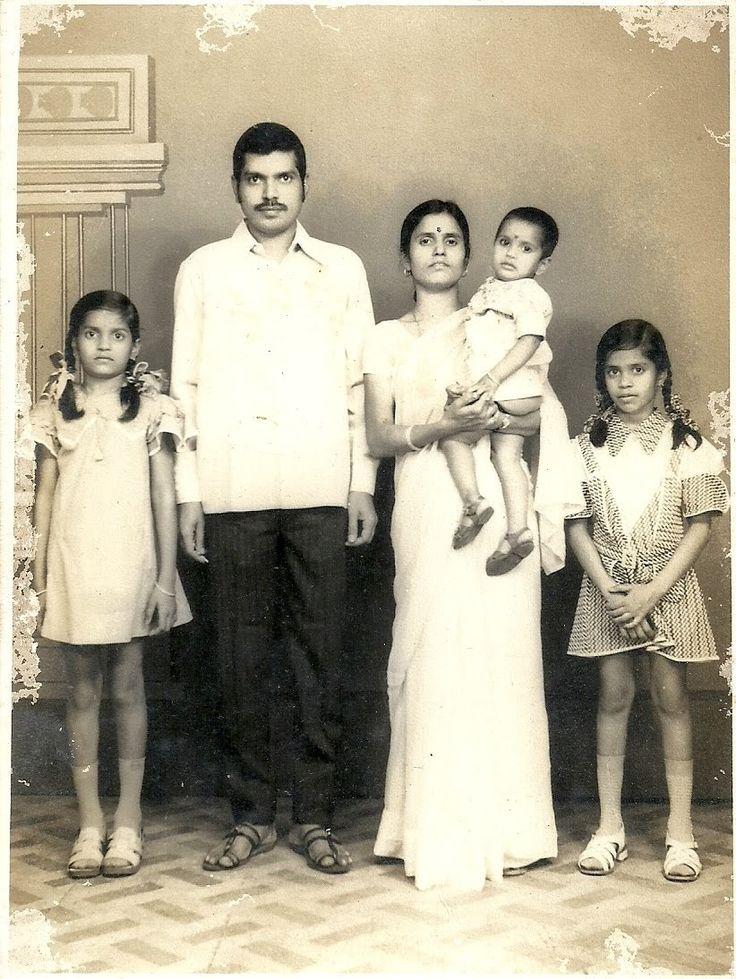
The wonderful memories of those times are preserved in printed photographs taken on my stepfather’s camera; a process that involved sending film for development and waiting with bated breath to see the results. There was the inevitable standing-at-attention family portrait around the table, including household staff, all arranged in near-military precision. No editing, no adjustments, and certainly no filters. What you saw was what you got. For me, nostalgia is not just about simpler times, but about the sincerity of what we celebrated.
Fast forward to the present. Today, much of what surrounds the Sinhala and Tamil New Year has little to do with tradition or meaning, and far more to do with social media likes, shares, views, and visibility. New lows, indeed, in the new year. We are increasingly confronted with posts of people suddenly “rediscovering” their roots and traditions, often limited to April 13th and 14th alone. Entire families dress in redda and hette, lama sari, and sarongs, garments they would never otherwise wear in their daily lives. These are Sri Lankans who may struggle with the languages, rarely engage with local cuisine, and often distance themselves from the cultural textures they briefly perform.
Parading through homes as though in costume, these celebrations often become inadvertent fashion spectacles. Even in so-called traditional attire, some ensembles push boundaries to the point where the connection to tradition feels purely symbolic rather than sincere. Perhaps this is their own interpretation of prosperity for the new year. Men awkwardly drape sarongs as though under obligation, while women and children are often posed for effect. The “Avurudu table,” in many cases, becomes a staged backdrop rather than a reflection of actual consumption, especially among those whose daily diets bear little relation to Sri Lankan food traditions. Spices, jaggery, treacle - often treated as curiosities rather than staples.
There are also the obligatory displays of alcohol bottles, labels carefully positioned for visibility, alongside staged images of uncles clutching drinks and younger men in overly tight linen shirts posing with exaggerated bravado. With sound on, one often hears heavily accented, mispronounced Sinhala greetings, carefully rehearsed “Ayubowan” uttered for the camera rather than from understanding or intent. Meanwhile, others strike posed, almost theatrical scenes among trees and foliage, evoking stylised versions of old cinema rather than lived tradition. One cannot help but wonder how our ancestors might view the transformation of meaningful cultural observance into curated performance.
The diaspora, too, often takes this to further extremes; lending tradition with incongruous fashion choices: sarongs paired with loafers, boots, or trainers; traditional wear layered with puffer jackets; and caps or hats more reminiscent of streetwear than cultural observance. The result is often less a celebration and more a collage of mismatched identities. Beyond the humour these posts may inadvertently provide, there is a more sobering observation: that tradition is increasingly being reinterpreted primarily as aesthetic content. In contrast, many cultures elsewhere continue to observe their festivals with a sense of continuity and respect, regardless of modernisation in other aspects of life.
Perhaps there is something to be learned in that. The next time we choose to celebrate a traditional festival, let us do so with genuine joy and understanding; anchored in meaning rather than performance. Let us focus on the essence of what we are celebrating and allow it to be a moment of inclusive happiness, not one defined by how it appears on social media. After all, the last time I checked, Halloween costume parties fall on October 31st - not on April 13th and 14th.