The Idaho Four: Forever 20, Forever 21
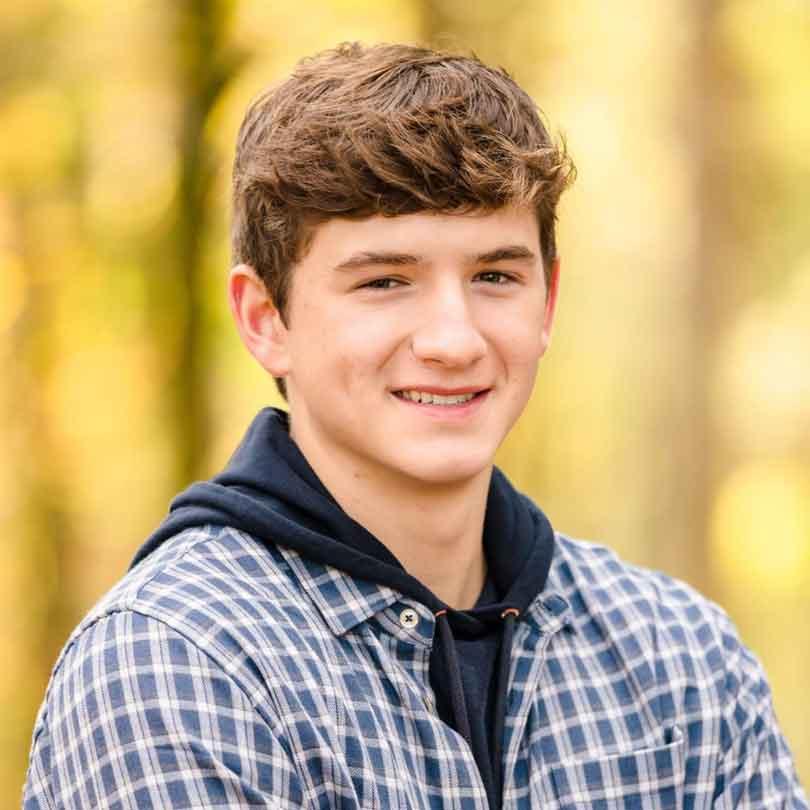
There are places we trust without ever deciding to trust them. A bedroom. A familiar staircase. A house filled with the voices of friends. These are not places where we expect to be afraid. They are the places we return to after the night is over, believing that once the door closes behind us, the world has been left outside.
For Kaylee Goncalves, Madison Mogen, Xana Kernodle and Ethan Chapin, that place was a house on King Road in Moscow, Idaho. On November 12, 2022, there was nothing to suggest that the house would become a recognized crime scene. Xana and Ethan attended a fraternity party. Kaylee and Madison went to a sports bar before stopping at a food truck.
It was a Saturday night shaped by ordinary decisions. Where to go. Who to meet. What to eat before going home. Earlier that evening, Kaylee had uploaded photographs of the friends to Instagram. Her caption read, “One lucky girl to be surrounded by these people every day.” At the time, the words were not tragic. They were simply affectionate. The kind of sentence someone writes without imagining that strangers will later return to it and feel the weight of everything she could not have known.
By around 1:56 a.m., all four had returned to King Road. They were home. That should have meant they were safe.
At 11:58 the following morning, a 911 call was placed from the cellphone of one of the surviving housemates. The call requested help for an “unconscious person.” Inside the three-level home, Kaylee, Madison, Xana and Ethan had been stabbed to death.
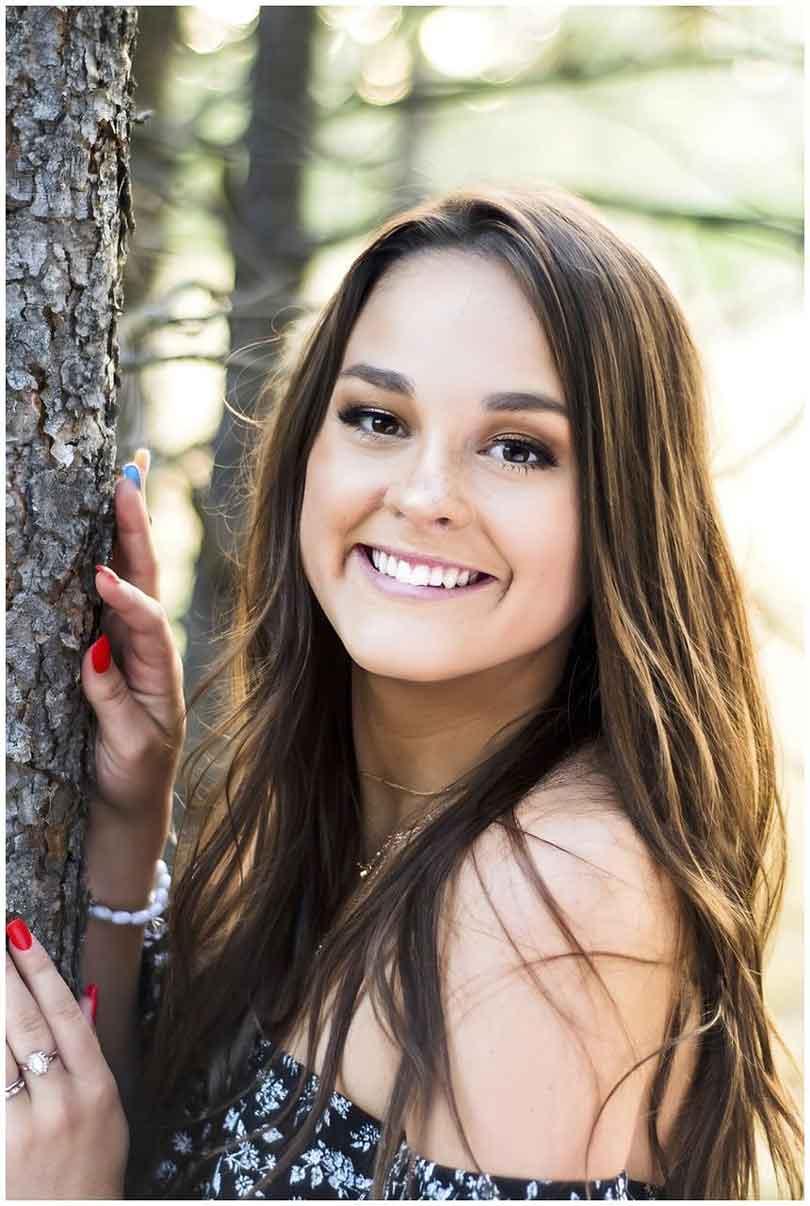
They were 21, 21, 20 and 20. There is something cruel about an age that ends in possibility. At 20 and 21, a life is still introducing itself. There are birthdays ahead, places not yet visited and versions of a person their family has not yet met.
That future disappeared in a single night. In the days that followed, Moscow changed. A small college town became the centre of national attention. Police initially said they did not believe there was an ongoing danger to the community, then later acknowledged that no suspect had been identified and the person responsible was still out there.
Fear can make an ordinary place feel unfamiliar. Doors were checked twice. A sound in the night became something to listen to more carefully. The town knew four people had been killed, but it did not know who had done it or why the house had been entered. The absence of answers created space for something else.
Speculation. Thousands of tips were sent to investigators. Online, strangers examined footage, social-media posts and the victims’ final movements, trying to turn fragments into certainty. Rumours spread faster than facts. The internet does not like waiting for the truth.
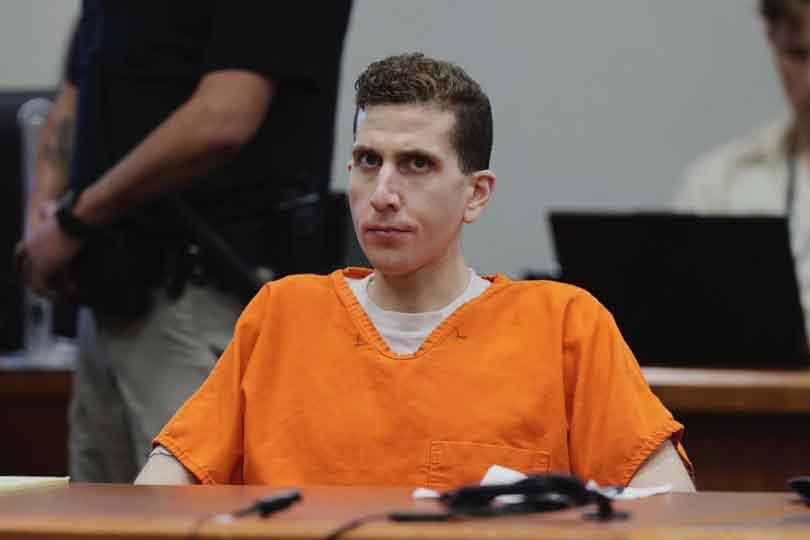
It wants a villain, a motive and an ending. However, a real investigation does not move at the speed of public curiosity, and grief should never become entertainment simply because the people grieving are far away. For nearly seven weeks, the case remained without a named suspect. Then, on December 30, police arrested Bryan Kohberger in Pennsylvania, almost 2,500 miles from Moscow. He was a doctoral student at Washington State University studying criminal justice.
Investigators said DNA found on a knife sheath inside the King Road home linked him to the crime scene. They had also examined a white Hyundai Elantra and cellphone activity in the area.
The arrest answered who police believed had entered the house. It did not answer why. For years, the case moved toward a trial through hearings, challenges to evidence and arguments over where proceedings should take place. The King Road house remained standing while families disagreed over whether it should be preserved. In December 2023, it was demolished.
A house can be removed quickly. What happened inside it cannot. The rooms disappeared, but they continued to exist in photographs, digital models and memory. For the families, the house could never truly be erased because it had become the dividing line between the lives they knew before November 13 and everything that came after.
Then, in July 2025, the trial everyone had been preparing for did not happen. Kohberger pleaded guilty to burglary and four counts of first-degree murder in exchange for avoiding the death penalty. He admitted that he had intentionally killed Kaylee, Madison, Xana and Ethan but gave no motive. On July 23, he was sentenced to four consecutive life sentences without the possibility of parole, as well as ten years for burglary.

The legal question appeared to have reached its answer. The human question had not. Why them? Why that house? Why enter the lives of four people who, according to investigators, had no known connection to him? Perhaps no explanation could make the crime understandable, but its absence left the story unfinished. A sentence placed Kohberger in prison for life. It could not tell the families why their children would not return home.
Now, the case has opened again in another painful way. Kohberger has said that he wants to withdraw his guilty plea, claiming it was based on “false promises and blatant disinformation.” He has protested his innocence and said he is willing to face the possibility of the death penalty. Legal experts have described the attempt as a long shot because, during the plea hearing, he told the judge under oath that he understood the agreement, was acting voluntarily and was pleading guilty because he was guilty.
For Kaylee’s family, the new challenge has brought the attention back to the person who caused the loss rather than the people who were lost. They called Kohberger a narcissist and said the real tragedy was the attention he was receiving at the victims’ expense. That distinction matters. True-crime cases often allow the killer to become the most remembered person in the story. His face appears in headlines. His behaviour is examined. His words are repeated. His life becomes a subject of curiosity, while the victims slowly become a collective name.
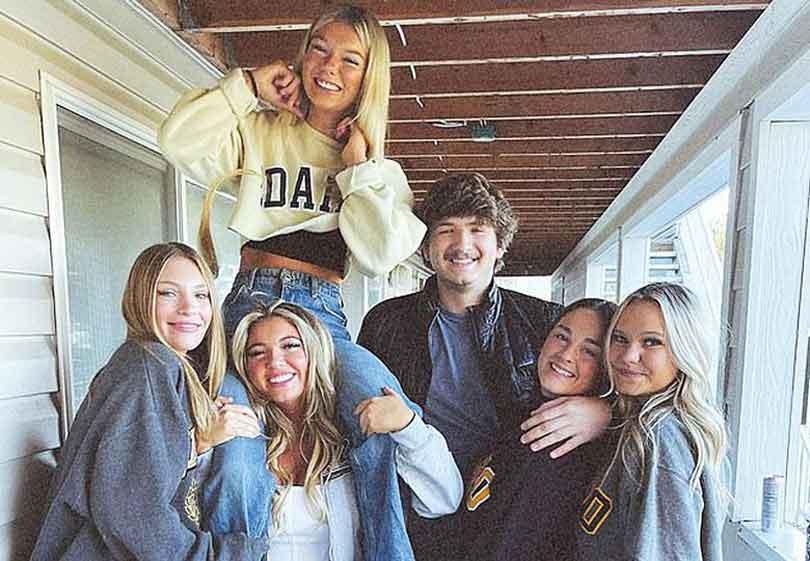
The Idaho Four. But they were not born as a group of four. They were Kaylee, Madison, Xana and Ethan. Kaylee and Madison had been best friends since the sixth grade. They went through school together and eventually shared a home. Ethan was Xana’s boyfriend. They had families who knew their voices, friends who expected more photographs and futures that were supposed to continue beyond one November night.
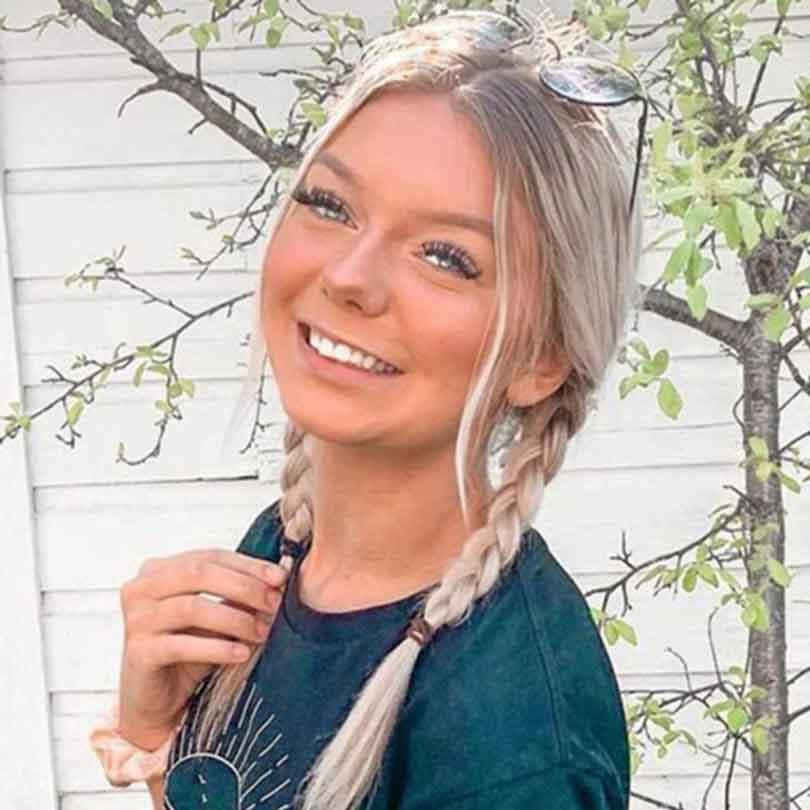
Before King Road became a crime scene, it was simply the place they lived. Before their photographs appeared in news reports, they were photographs taken for people who loved them. Before the country learned their names, those names already meant everything to someone.
The court may now decide whether Kohberger can take back the words he spoke under oath. The case may produce more headlines, but none should become larger than the four lives at its centre. Because this story did not begin with Bryan Kohberger. It began with four young people on an ordinary Saturday night.
- Four people who went out.
- Four people who came home.
- Four people who entered a house that should have been safe.