Preventing Dementia: Why It’s Never Too Early to Start
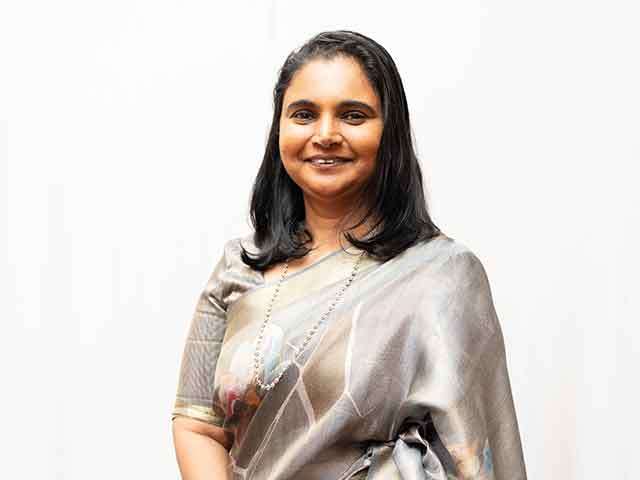
By Romany Parakrama
Dementia is not one single disease but a term for a range of conditions that affect memory, thinking and the ability to manage everyday life. Alzheimer’s disease is the most common form of dementia, accounting for an estimated 60–70% of cases worldwide. For many people, dementia is something they associate with old age, something to worry about much later in life. But when it comes to protecting brain health, waiting until later may mean missing important opportunities. Prevention needs to start early, because the factors that influence dementia risk build up across our lives. The good news is that dementia is not an inevitable part of ageing. The 2024 Lancet Commission identified 14 potentially modifiable risk factors that, if addressed, could help prevent or delay a significant proportion of dementia cases. The message is not that dementia can always be prevented, but that there is much we can do to reduce our risk.
Fourteen factors, one lifelong approach
Some of these factors begin to matter early in life. Education is one. Learning and cognitive stimulation throughout life help build what is often described as cognitive reserve - the brain’s ability to cope with changes as we age. In midlife, attention turns increasingly to high blood pressure, high LDL cholesterol, obesity, hearing loss, excessive alcohol consumption and traumatic brain injury. These may seem unrelated to dementia, but each can affect brain health over time. Regular health checks, treating conditions such as hypertension and high cholesterol, protecting hearing and preventing head injuries are therefore also investments in future brain health. Then there are factors that can influence us throughout life: smoking, physical inactivity, diabetes and depression. Staying physically active, not smoking, managing blood sugar, maintaining a healthy weight and seeking help for depression are not simply ways to protect the heart and body, they can also help protect the brain. As we grow older, social isolation, air pollution and untreated vision loss become important considerations. Staying connected with family, friends and community, addressing hearing and vision problems, and reducing exposure to polluted air can all form part of a brain-healthy lifestyle.
Prevention is for every age
The important point is that these actions should not begin when someone reaches 60 or 70. They can begin in childhood, continue through adulthood and be maintained in later life. A young person who develops healthy habits, remains physically active and engaged in learning is already investing in long-term brain health. Someone in midlife who checks their blood pressure and cholesterol, stays active and protects their hearing is doing the same. And for older adults, staying socially and mentally engaged, maintaining physical activity and managing health conditions remain valuable steps.
There is no single diet, exercise or activity that can guarantee protection from dementia. Nor does reducing risk mean that a person will never develop the condition. Genetics, age and other factors also play a role. But the growing evidence gives us an empowering message: our choices and our environment can influence our risk. The World Health Organization’s updated 2026 guidance reinforces this life-course approach, highlighting healthy behaviours, management of conditions such as hypertension, diabetes and high cholesterol, hearing care, cognitive and social engagement, physical activity and reducing exposure to air pollution as important components of dementia risk reduction. So, preventing dementia is not about waiting for a warning sign. It is about making small, sensible choices throughout life - caring for our hearts, minds, bodies and relationships. The best time to start protecting brain health is not when we are old. It is now.